

These 24 Plants Will Survive Throughout Winter
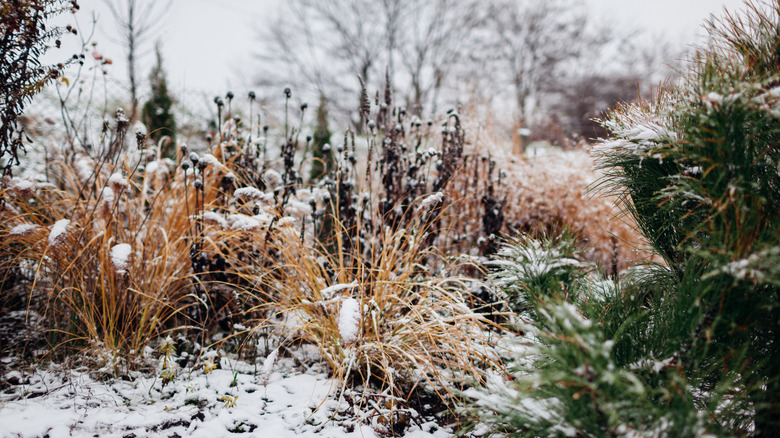
There's something melancholy about watching what happens to plant life during winter. Many of the plants that you lovingly selected and tended throughout the warmer months won't survive the colder temperatures and snow. You've got to wave goodbye to any annuals that are left in fall, and there are even many warm-climate plants that are technically perennials which are too tender to survive cold temperatures. However, there is a wide variety of beautiful perennials — including heuchera and peonies — that can survive winters as cold as -20 degrees Fahrenheit (or even lower).
Knowing your USDA Plant Hardiness Zone can help you determine whether a perennial will survive the winter in your location. The zones are based on average low temperatures taken from 1991 to 2020. The lower the number, the colder the climate. The plants on this list are all winter hardy at least to zone 5 (-10 to -20 degrees), but you'll also see a select few that can tough it out as far as zone 2, which can bring punishing winter lows as cold as -50 degrees Fahrenheit! Some of these are plants that will stay green during the winter, while others die back to the ground and go dormant until spring.
Culver's root
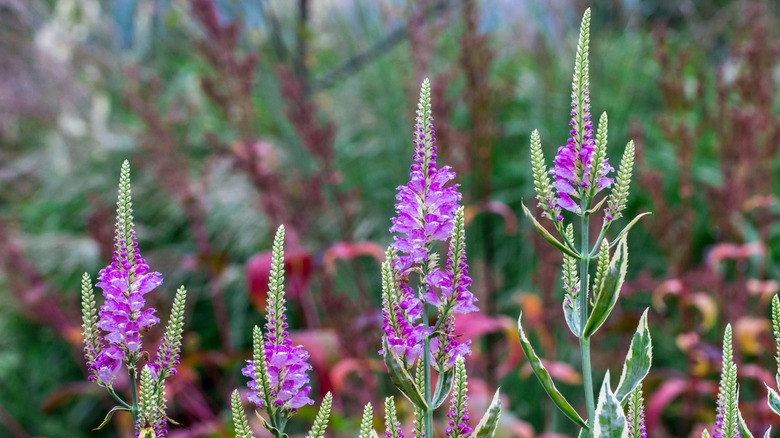
A native herbaceous perennial perfect for adding height to your garden, Culver's root (Veronicastrum virginicum) offers stately, eye-catching flower spikes that can grow up to 5 feet tall during its blooming season. Hardy in USDA zones 3 through 8, its spent flower stalks remain standing throughout winter, providing visual interest and some much-needed shelter for insects. Though it can be slow to establish, Culver's root has a long lifespan and isn't bothered by much, including deer, neglect, and disease. Though its natural form has white blooms, cultivars are available in shades of purple.
Winter heath
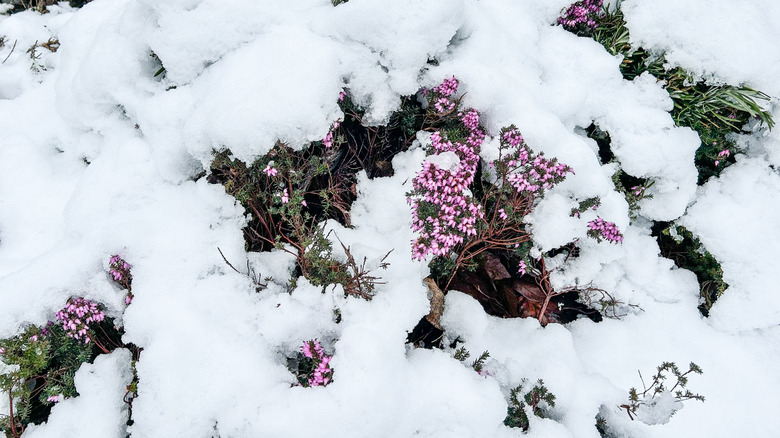
There's something lovely about the origin of winter heath's scientific name, Erica carnea: Purportedly, Erica comes from a Greek word meaning "to break," which is exactly what its early spring flowers do to the grasp of winter. In fact, this evergreen shrub may even bloom in the snow in some areas. Hailing from the European Alps, winter heath favors cool summers and is suited to zones 5 through 7. Make sure you plant it in an area with full sun to part shade and moist soil that drains well — as it doesn't handle drought conditions or soggy roots.
Hellebore
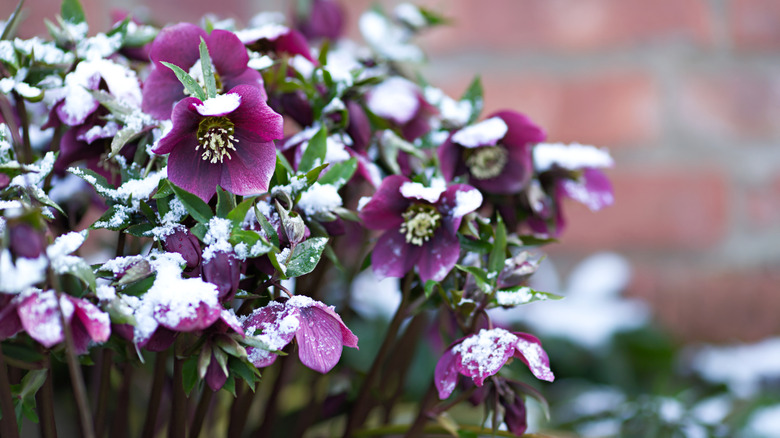
No list of winter-tolerant plants would be complete without the hellebore, or Lenten rose (Helleborus spp.). These evergreen members of the buttercup family are not only winter-hardy down to zone 5 or lower (if insulated by snow or mulch from harsh winter conditions), but also bloom in late winter. These long-lived perennials prefer to be planted in partial shade and favor well-draining soil that is a bit alkaline and rich in organic matter. A word of caution: They are extremely poisonous if ingested (the upshot being that deer and other herbivores won't munch on them either!).
Common milkweed
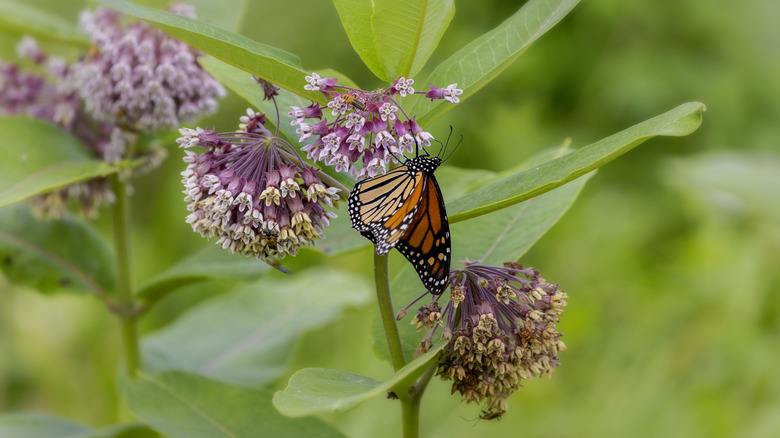
If you're passionate about monarch butterflies, you may already know that the caterpillars depend on milkweed for their survival. Planting native milkweeds, like common milkweed (Asclepias syriaca), is one way you can do your part to ensure these beautiful butterflies are still flitting around for future generations to appreciate. Hardy in zones 3 through 9, common milkweed blooms fragrantly in shades of purple, white, or green in the summer, drawing adult monarchs and other pollinators. It dies back and goes dormant in the winter, but will return in the springtime. Plant it in full sun and give it room to spread!
Winter aconite
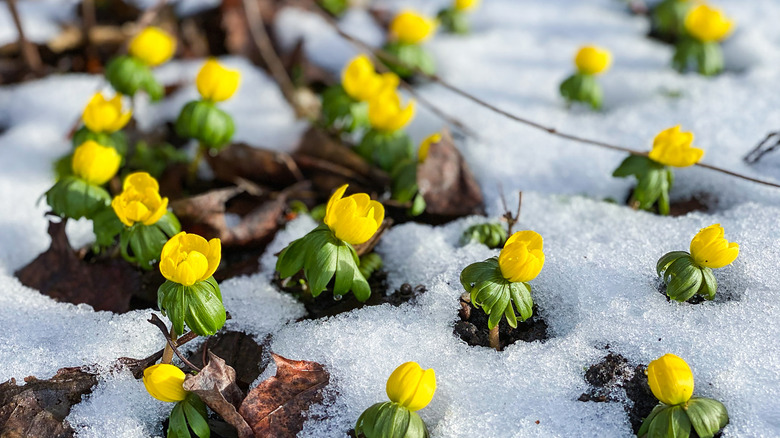
Like its buttercup family members, the hellebores, winter aconite (Eranthis hyemalis) bursts into bloom as winter ends and spring begins, brightening up the landscape with little yellow blossoms. Suited to zones 3 through 7, winter aconite is actually solely a late winter and early spring flower, going dormant and dying back in summer. When planning where to plant winter aconite, look for a spot that receives a lot of sun in winter, when other plants and trees are bare, but then gets some shade in summer. Like hellebores, winter aconite is highly toxic to eat.
Northern sea oats
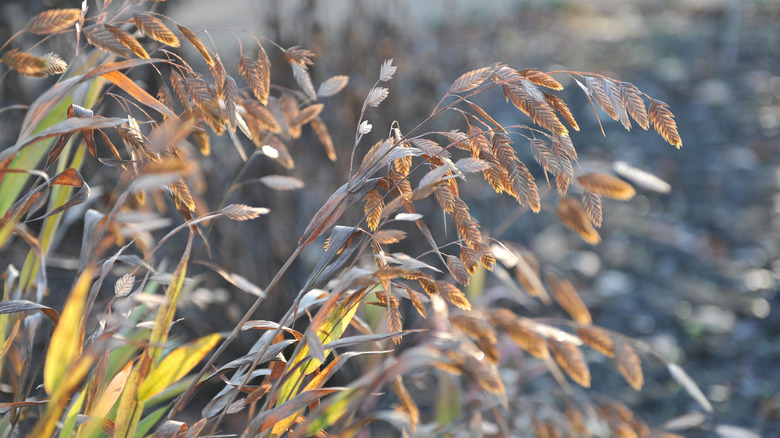
Another U.S. native, northern sea oats (Chasmanthium latifolium) is a perennial grass that provides copper or purple fall color, and its blades and remaining seedheads serve as a touch of textural interest in the winter. Hardy in zones 5 through 9, it does prefer to be planted in sunny sites but will tolerate a bit of shade better than some ornamental grasses. This is a plant for wildlife-friendly gardens: It hosts the caterpillars of a few different butterfly species, and birds and other small animals love to nibble on the seeds. Try adding its summer flowers to your bouquets!
Bergenia
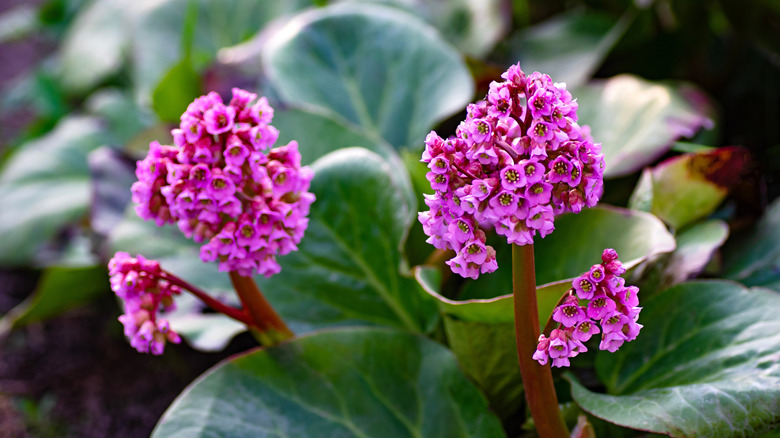
Also known as "pigsqueak" due to the silly noise you can make by rubbing its leaves with your fingers, bergenia (Bergenia crassifolia) is another late winter or early spring bloomer with lovely purplish foliage in winter. This evergreen-leafed perennial is generally hardy in zones 3 through 8, but some cultivars are listed only for zones 4 through 8. It will also probably need some shelter from the heat in the warmest parts of its range, and really severe winters can burn the foliage. Bergenia is quite shade tolerant and can even be grown in full shade.
Curlyleaf yucca
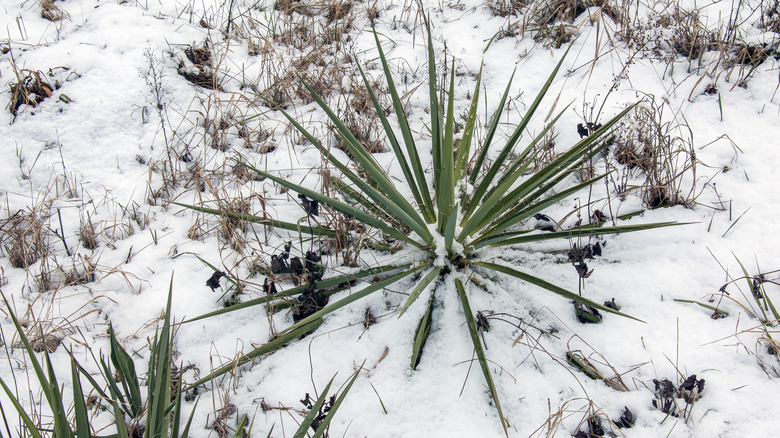
Found growing wild in the southeastern U.S., curlyleaf yucca, or Adam's needle (Yucca filamentosa), is a low-maintenance selection for zones 4 through 10. It's one of those nearly neglect-proof plants, able to survive not only drought and heat but also salt, as well as cold northerly climates where other yucca species may struggle. Its sword-like, evergreen leaves adorned with curly threads on the edges are intriguing enough on their own, but it also puts out a tall stalk covered in bell-shaped flowers in the late spring. Many pollinators love these blooms, but only specific yucca moths can pollinate them.
Blue oat grass
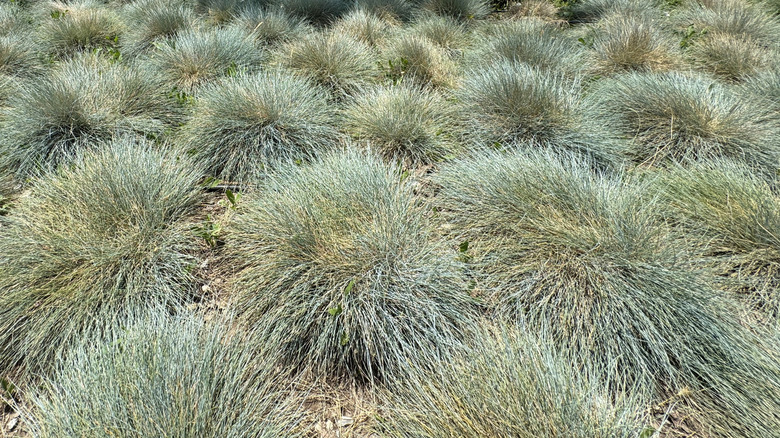
Another perennial ornamental grass that stays visually pleasing throughout the winter, blue oat grass (Helictotrichon sempervirens) is appropriate for zones 4 through 8. The titular bluish foliage turns light brown by winter, providing some visual interest. This grass prefers soil that drains well and does not like to be left in soggy spots over the winter; poor drainage can lead to crown rot. As long as conditions aren't too wet, blue oat grass can tolerate clay-heavy soils. It doesn't mind a bit of drought and isn't bothered by high pollution or high salt settings.
Moss phlox
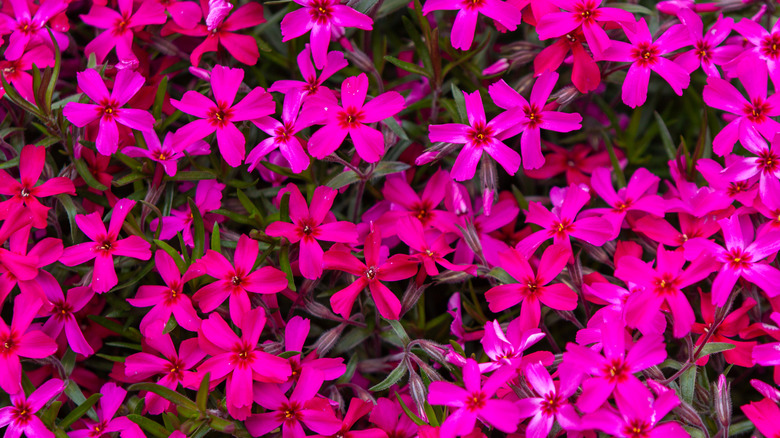
A low-growing, slow-spreading groundcover that is bedecked with a dense show of gorgeous little flowers in the spring, moss phlox (Phlox subulata) is also one of the tougher species of phlox. This mat-forming species is a native of the Appalachian Mountains and can tolerate drought, heat, and poor, sandy soils. It is also winter hardy as low as zone 3, with semi-evergreen leaves. It doesn't need any special care to survive the winter; just let it sleep beneath a protective blanket of snow and maybe clean up dead foliage when spring rolls around.
Primrose
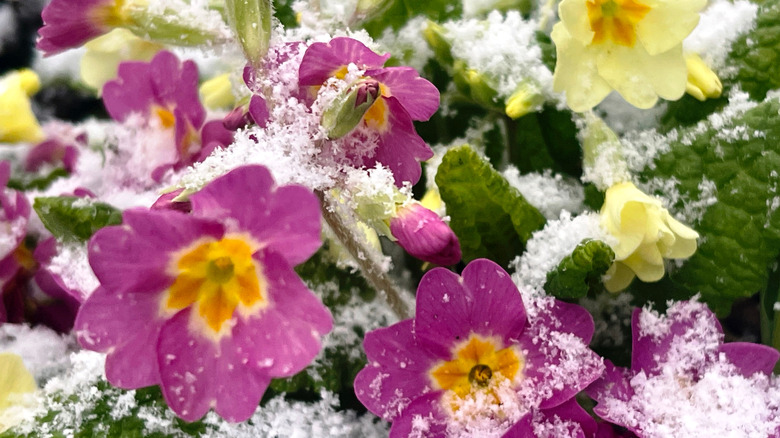
There are over 500 species and thousands of hybrids of primrose (Primula spp.), a genus of little perennial flowers that love cool weather and shade. In this expansive genus, there is a veritable rainbow of colors available, with eye-catching tones of yellow, pink, red, purple, and more. They can stick around for quite some time in your garden, returning to brighten the scenery every spring. Check out the P. polyanthus hybrids for particularly riotous color, P. japonica for soggy sites, or P. kisoana for gardens as cold as zone 2. There's also a North American native selection — P. meadia.
Spotted deadnettle
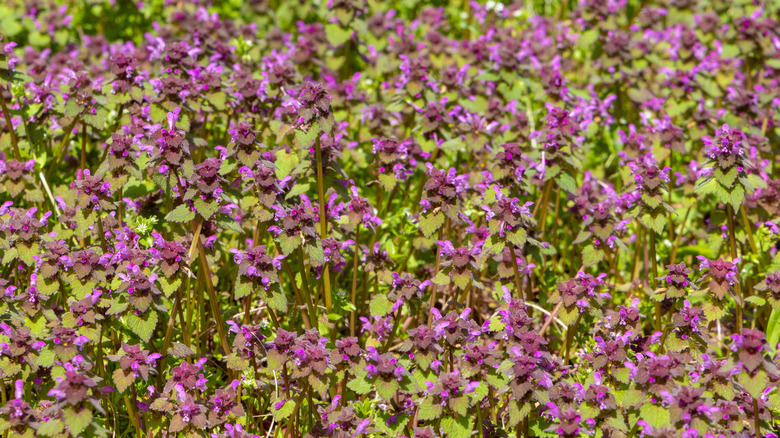
If you want a fast-growing groundcover that can add a pop of color to shady areas and will come back year after year, you may want to give spotted deadnettle (Lamium maculatum) a try. A member of the mint family, its somewhat unappealing common name actually refers to the fact that it sort of looks like stinging nettle, but it doesn't deliver a sting. This perennial is an adaptable, rapid spreader in zones 3 through 8. Though it prefers moist, partial-shade settings, it can adapt to full sun or dry shade; very wet winter soils can take a toll, though.
Peony
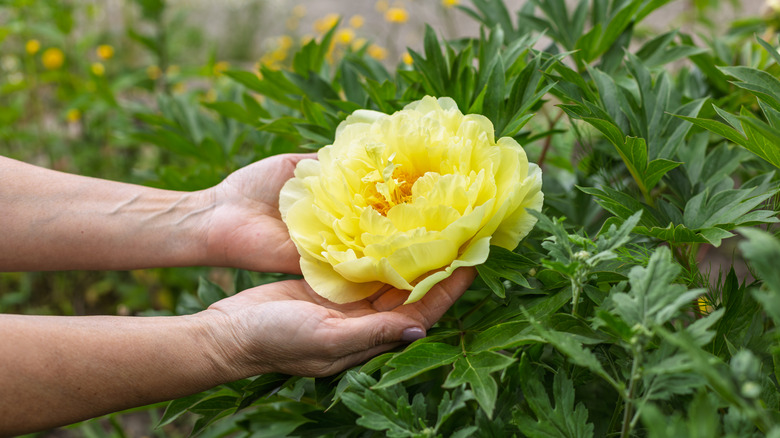
When talking about long-lived perennial flowers, peonies (Paeonia spp.) always deserve a mention: They'll return every spring for 30 years or more, with some reportedly living for more than a century. These beautiful, long-lived flowers thrive in zones 3 through 8 and cold winters are no problem for them — as a matter of fact, they need an extended period of cold weather (below 40 degrees Fahrenheit) to flower at all. Peonies love to be planted in locations that receive full sun and have soil that drains well. Soggy, clay-heavy soils tend to disagree with them and may lead to root rot.
Blazing star
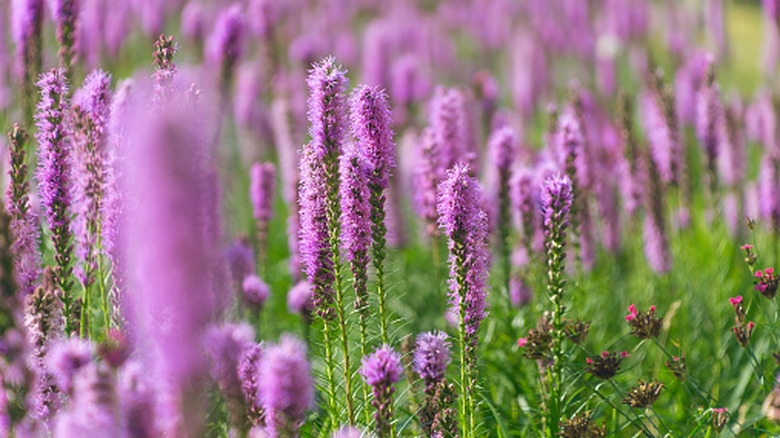
Blazing star (Liatris spp.) is a genus of tough, low-maintenance flowers that call the prairies of North America home. There are around 40 species of blazing star (plus numerous cultivars), but L. aspera, L. pycnostachya, and L. spicata are three of the most commonly found in gardens. The majority of Liatris species are winter hardy through zones 3 to 9. Blazing star blooms in summer, putting out tall flower spikes whose blossoms open from the top down in shades of purple, white, or pink, which monarch butterflies and many other pollinators adore. In winter, the plant dies back, but the dead flower stems can still provide birds with food.
Bleeding heart
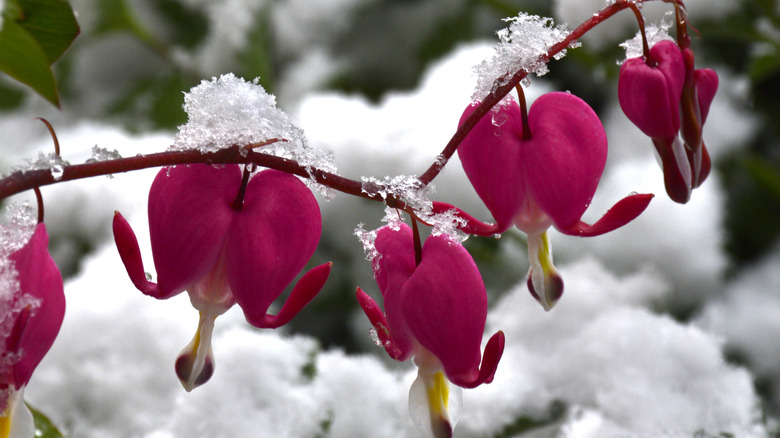
With its iconic, elegantly dangling heart-shaped blossoms, bleeding heart (Lamprocapnos spectabilis) can be a welcome springtime sight after a long winter. This Asian native is hardy in zones 3 through 9 (though some claim it can be grown in zone 2) and is most at home in spots that receive morning sun and afternoon shade, though it can also tolerate heavy shade. It will go mostly dormant in summer heat, but beneath the soil, its roots will still be alive and waiting for next spring.
Siberian iris
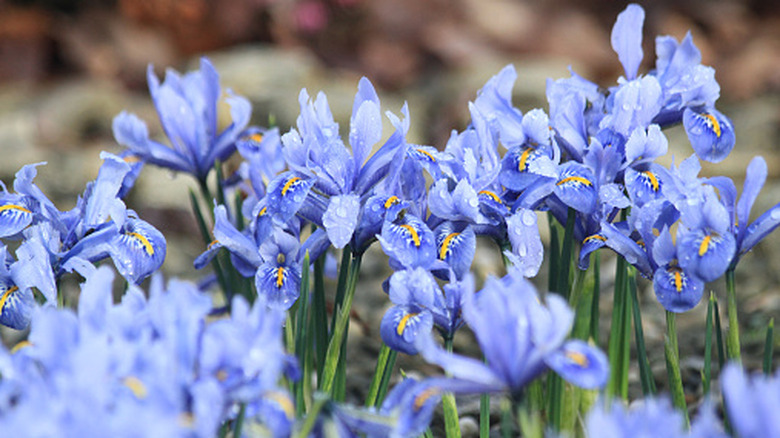
Don't let its delicate appearance fool you: Not much bothers the Siberian iris (Iris sibirica). Neither drought nor wet soil will discourage these pretty perennials, and a cold, windy winter presents no challenge either. They actually need the chill of winter to deliver more blooms! Diseases and pests that present a problem for other iris species are less likely to trouble the tough Siberian iris, and they can even tolerate being close to black walnuts. Plant these pollinator magnets in zones 3 through 8, preferably in a moist, sunny spot, though they aren't that picky. Many color varieties besides the classic blue-purple are available.
Yarrow
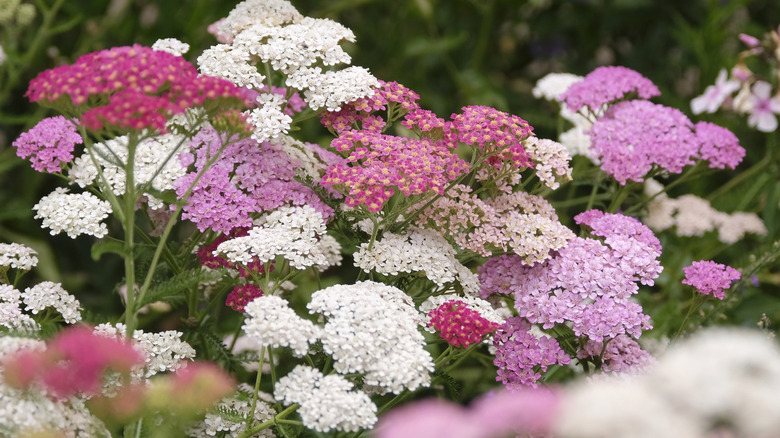
Another tough-as-nails native selection, yarrow (Achillea millefolium) actually lives longer when it's planted in poor soil that's on the dry side, as this will help prevent root rot caused by excess moisture. Hardy in zones 3 through 9, yarrow is evergreen in warm winters and goes dormant in cold winters, reemerging with fresh growth in spring. Though its wild form usually flowers in shades of white, many colorful cultivars are available with yellow, red, purple, and pink blooms. They also make excellent dried flowers, so you can enjoy softer versions of the colors long after the plants themselves have gone dormant for the winter.
Butterfly weed
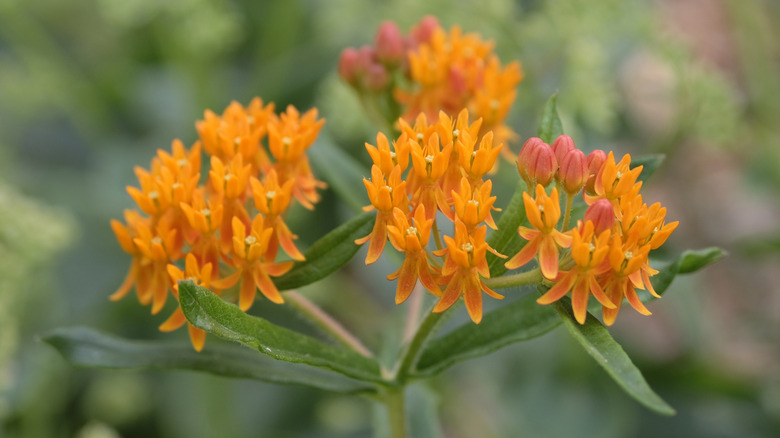
A native milkweed that can support monarch butterfly caterpillars and loved by other pollinators for its nectar, butterfly weed (Asclepias tuberosa) is also a standout garden selection aesthetically with its bright orange blooms. It dies back to the ground during its winter dormancy and tends to be a bit of a late riser in the spring. Because it doesn't appreciate being moved or disturbed, you'll want to make careful note of where your butterfly weed is slumbering so you don't accidentally dig it up or injure it. You can grow this sun-loving native in zones 3 through 9.
Heuchera
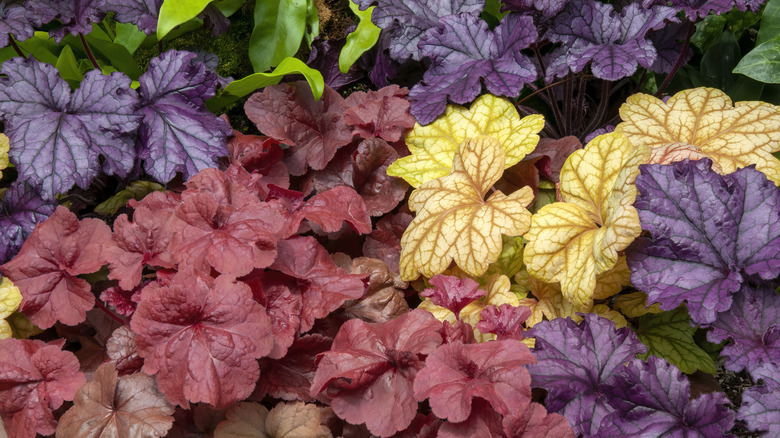
You may know these shade-tolerant semi-evergreen perennials as coral bells or alumroot, but heuchera (Heuchera spp.) by any name will survive and return after the winter. There are myriad species, cultivars, and hybrids of heuchera; most are winter hardy in zones 4 through 9, but some are comfortable all the way down to zone 3. You will need to provide some winter care for coral bells, especially those you've recently planted: Namely, a nice thick layer of mulch after the first frost. Otherwise, without the temperature stabilization and weight of mulch, they may experience frost heave as the ground freezes and thaws.
Bluestar
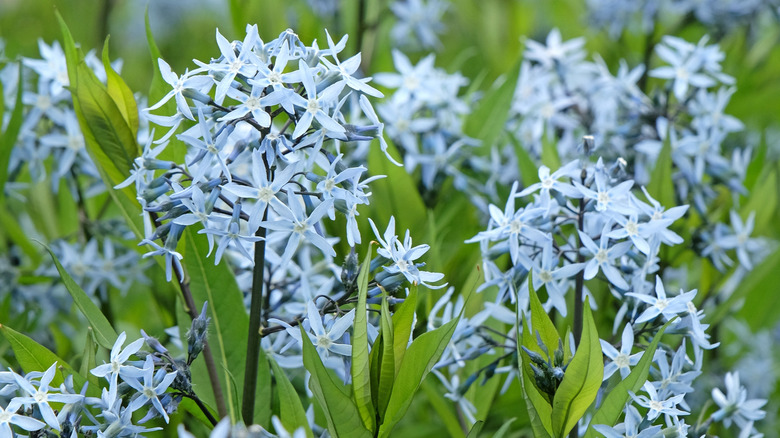
Most of the 22 species of bluestar, or amsonia, are native to North America, though there are two exceptions found in Europe and Asia. When it comes to color, bluestars pack a one-two punch with their flowers (which look, as you may expect, like blue stars) in spring and their golden fall foliage. In general, most of the native bluestar species are hardy in zones 4 through 9, though eastern bluestar (A. tabernaemontana) can survive down to zone 3. Bluestars tend to be quite long-lived, dying back over the winter and leaving hollow stems that can serve as homes for native bees.
Obedient plant
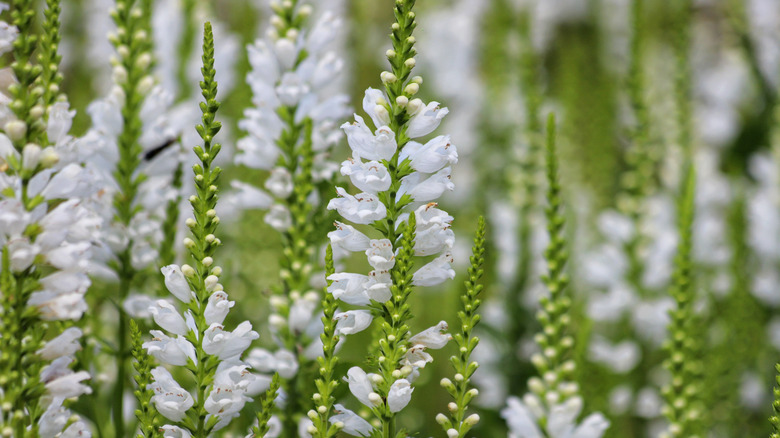
You'd think that a flower with a common name like obedient plant (Physostegia virginiana) would be a polite garden neighbor, but that name actually refers to the "poseability" of its flowers. This showy native selection can be an aggressive grower if the soil is moist and rich. It's easy to pull out by hand if it goes out of bounds though, and there's even a cultivar appropriately called 'Miss Manners,' which grows in polite, compact clumps. Obedient plant is hardy in zones 2 through 9. During winter, you can leave the dead foliage in place as insulation for the roots until spring.
Carpathian bellflower
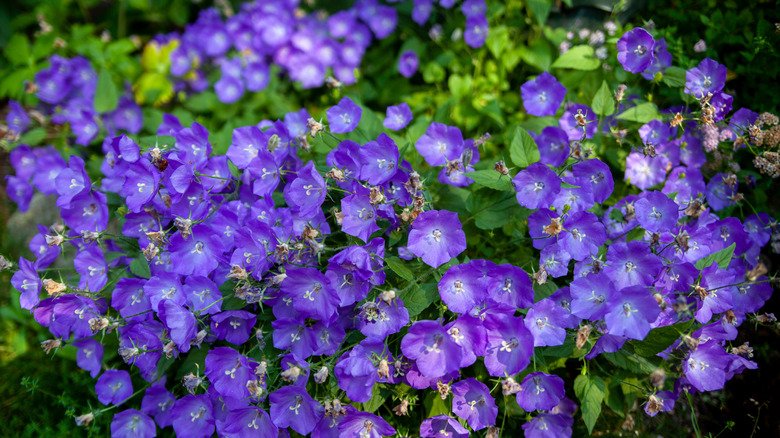
Named for the Carpathian Mountains in its eastern European native range, Carpathian bellflower (Campanula carpatica) actually prefers to keep its roots on the cooler side and tends not to live as long in hot, humid areas. Where other species in the Campanula genus can be aggressive in their spreading habit, the Carpathian bellflower is a well-mannered clumping plant ideal for rock gardens in particular. To ensure this flower survives the winter, you'll want to plant it in an area with soil that drains well. Waterlogged soils, especially in winter, negatively impact the lifespan of Carpathian bellflower.
Purple coneflower
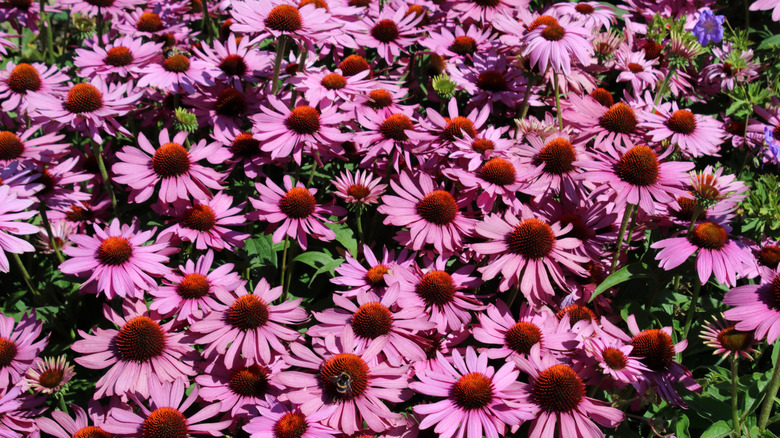
If you're planning a garden with an eye toward not only winter hardiness but the needs of native wildlife, you can't go wrong with purple coneflower (Echinacea purpurea). Many kinds of pollinators are drawn to its tall, striking blooms in the summer, and if you leave the flowers to mature in the fall, the seeds become a crucial food source for goldfinches and other birds. Like bluestars, the cut back hollow stems can also house native bees. A native of the central and eastern areas of the U.S., purple coneflower is winter hardy in zones 3 through 8.
Daylily
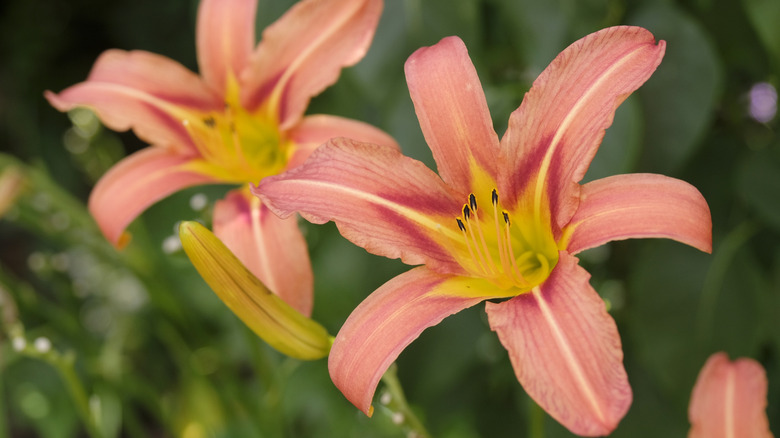
If it seems like everyone and their mother has a patch of daylilies (Hemerocallis spp.) in their garden, it's probably because they do: The daylily is one of, if not the most popular flowering perennials in America. Although the blooms are delicate and almost tropical-looking, daylilies are hardy, super dependable, neglect-proof flowers that can survive in conditions that would cause many other plants to wither: Salt, drought, and heavy snow are no problem for the rugged daylily, it's able to withstand winters in zones 3 to 9. The common orange daylily (Hemerocallis fulva) can be quite invasive, but modern hybrids found at garden centers shouldn't spread aggressively.