

8 Snakes You Never Want To See In Your Garden
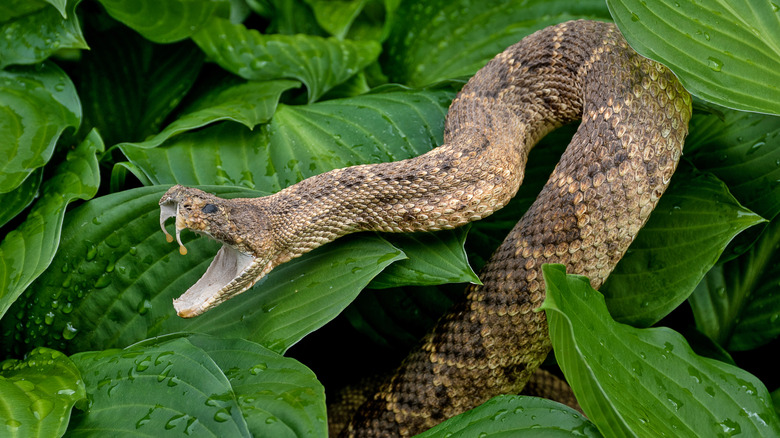
In many ways, snakes are better neighbors than people give them credit for. Some, like garter snakes and sharp-tailed snakes, can help keep pesky slugs from mowing down all your hostas or take care of invasive grubs. Others, like gopher snakes, keep rodent populations down, and in doing so contribute to the reduction of diseases. Despite the unpleasant emotional reaction that the sight of a snake slithering through the backyard can trigger, most snakes are harmless to humans. But of the 150 or so species of snakes found in the U.S., there are about 20 venomous species — including copperheads, cottonmouths, and several species of rattlesnake — that you probably wouldn't want to stumble across while deadheading your daisies. (There's also one surprise nonvenomous snake on this list!)
Now, here's the thing about venomous snakes, especially vis-à-vis the title of this article: It is not bad to have them around, exactly. Most of us have zero wish to suddenly encounter any of these venomous serpents right in our yards, but they do contribute significantly to controlling rodents, ticks, and other pests. Unfortunately, over time, human habitat has encroached on that of native venomous snakes, which means that accidental meetings do occur. Snakes don't really want to bite you, and not all bites from venomous species even contain venom (more than 20% are often dry bites). Most snakebites result from humans intentionally bugging snakes that just want to be left alone. But accidents happen, and learning to identify the dangerous types of snakes that could pop up in your backyard can help you avoid an undesirable situation or facilitate treatment in case of a venomous bite.
Copperheads
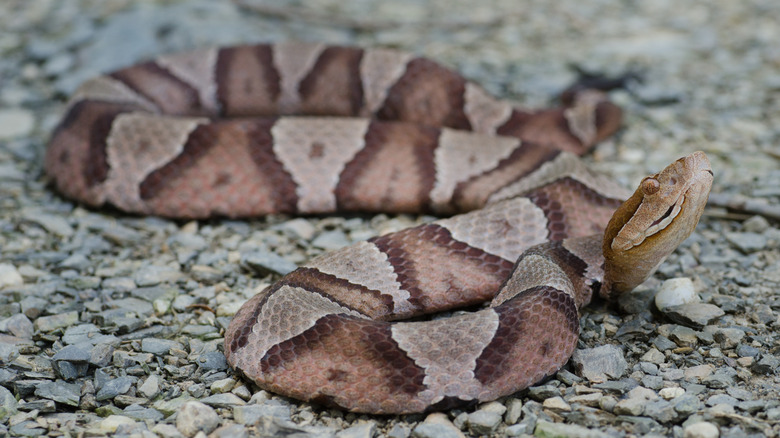
The majority of venomous snake bites in the U.S. can be traced back to one culprit: the copperhead (Agkistrodon contortrix). Thankfully, these bites don't usually result in death, as the venom doesn't pack that much of a punch — though their bites are very painful and you should still get medical attention immediately. While most of us would prefer not to share a yard with a copperhead, these pit vipers are shy, unaggressive, and even a bit lazy. However, you may encounter them hiding out in spots like wood piles or shrubbery, so try to minimize common snake-attracting features like rock or firewood piles to a minimum and keep your grass and bushes neatly trimmed.
Western diamondback rattlesnakes
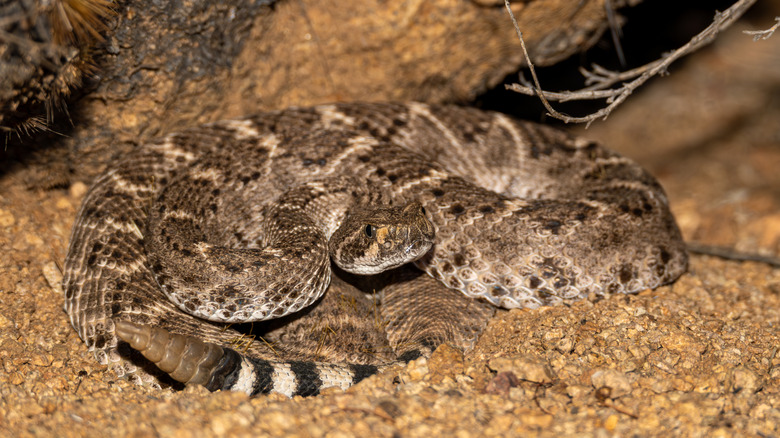
Though copperheads are responsible for the most bites, the dubious honor of most fatal bites yearly in the U.S. goes to the western diamondback rattlesnake (Crotalus atrox). Found in the southwestern U.S. and Mexico, this rattlesnake may show up in your yard if your neighborhood is near its preferred desert home. You can identify a western diamondback by the black and white bands on its tail near the rattle. As rodent-eaters, these snakes are great for pest control, but can pose risks to people and pets.
Cottonmouths
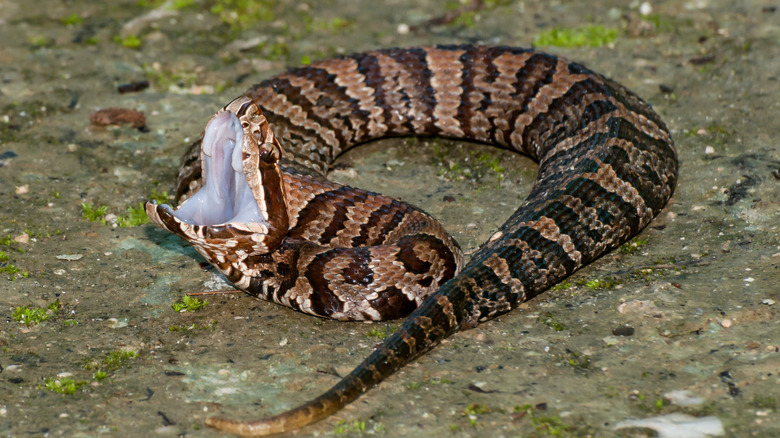
Closely related to and even capable of hybridizing with the copperhead, the cottonmouth or water moccasin (Agkistrodon piscivorus) takes the former of its common names from the white inside of its mouth. This semi-aquatic pit viper hangs out near water, so there's a chance you'll stumble upon them if your yard abuts a stream, lake, or other body of water. If you meet one in your garden, instead of slithering away it will probably try to scare you off by shaking its tail and showing you its infamous cotton-colored mouth. It's a good idea to heed the warning, as its venom can cause tissue necrosis.
Timber rattlesnakes
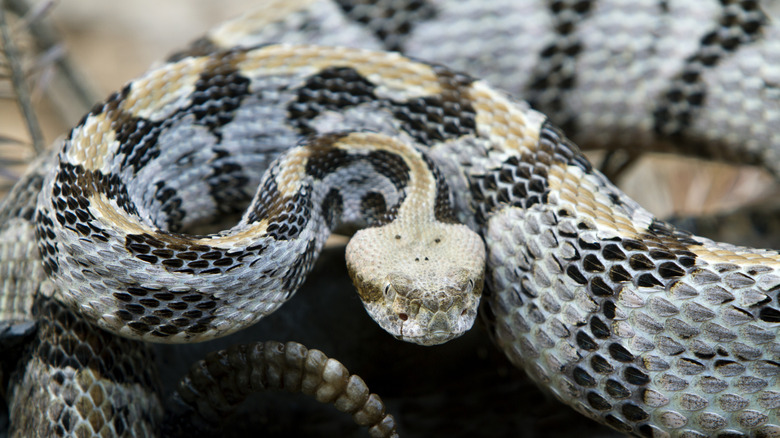
Found across the central and eastern U.S., the timber rattlesnake (Crotalus horridus) actually has the largest range of America's rattlesnakes. Interestingly, the type of venom they inject varies depending on their location: In the north and Midwest, timber rattlesnakes usually have hemotoxic venom, while their southern cousins are armed with venom that impacts the nervous system. Despite their scary appearance, timber rattlesnakes are actually docile, non-aggressive snakes. However, though they aren't looking for a fight, they may defend themselves if harassed, handled, cornered, or stepped on. And though you might know better than to take liberties with a timber rattlesnake's personal space, your dog may not.
Eastern coral snakes
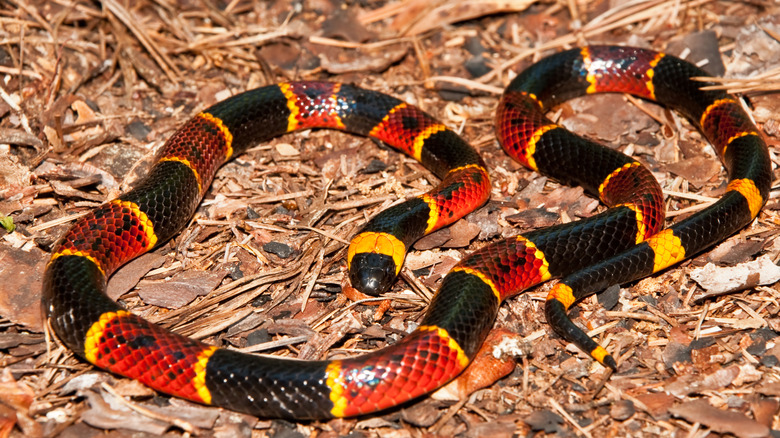
Ever heard the rhyme, "Red touch yellow, kill a fellow. Red touch black, friend of Jack"? This can be a helpful way to quickly check if the colorful snake you've encountered is a harmless king snake or a venomous eastern coral snake (Micrurus fulvius), whose red and yellow bands border each other. Found in the southeastern U.S., this snake prefers to hide out quietly underground, and even if it does bite, it has to chew to envenomate. But accidents do happen, and bites often occur when someone treads barefoot on an unseen coral snake – a strong reason to not want one in your garden, especially if you like going barefoot.
Eastern diamondback rattlesnakes
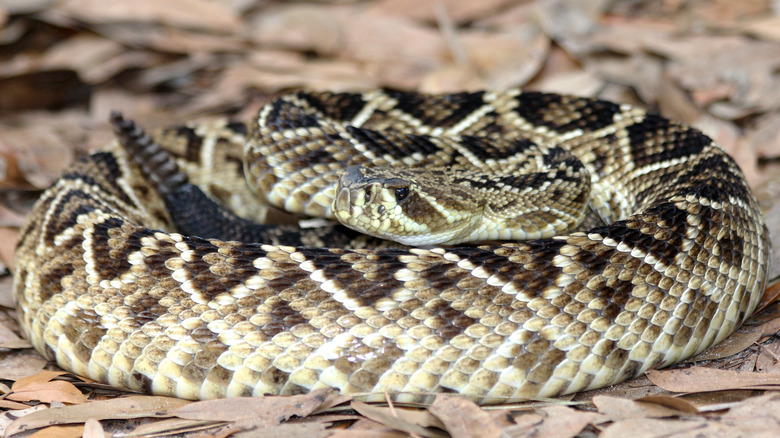
Yes, another diamondback. The eastern diamondback (Crotalus adamanteus) is the world's largest rattlesnake, with exceptionally large adults reaching 6 feet and weighing in at 15 pounds (there are even some reports of 8-foot individuals!). This big snake also delivers a big dose of venom when it bites, with a hemotoxic, necrotizing payload among the highest of all rattlesnakes. Found in the southeastern U.S., the eastern diamondback has experienced quite a lot of population decline and habitat loss at the hands of humans, and it has also been subject to "rattlesnake roundup" hunting events. But if you do encounter one of these intimidating rattlers in your yard, be sure to keep your distance.
Mojave rattlesnakes
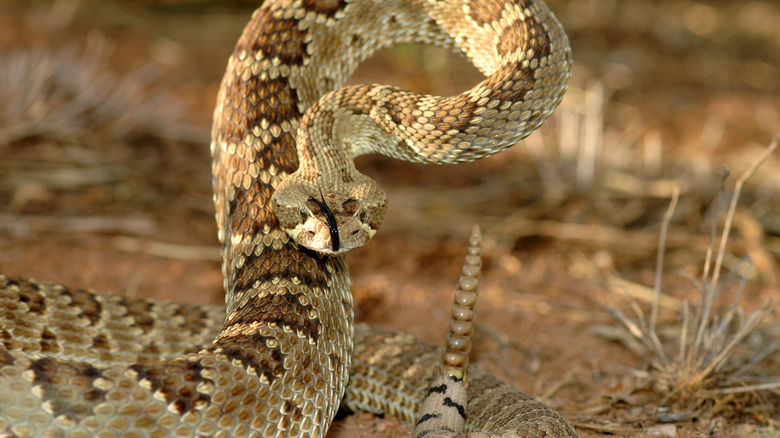
Despite its fierce reputation, rattlesnake venom generally isn't ranked among the most dangerous globally, as far as snake venom goes. However, the southwestern desert-dwelling Mojave rattlesnake (Crotalus scutulatus) is the heaviest hitter among rattlesnakes in terms of venom potency, with venom that either disrupts the nervous system or causes hemorrhagic tissue destruction, depending on the snake (a bit like the timber rattlesnake, this is location-specific). They get a bad rap for being aggressive, but like most snakes, try to avoid people. However, although Mojave rattlesnakes stick to themselves, during mating season males can become more active and less shy, which is another reason not to want this rattler in your yard.
Burmese pythons
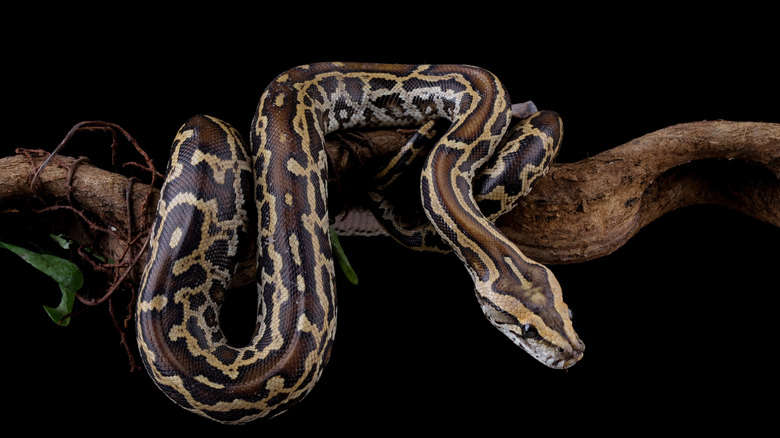
The only nonvenomous snake on this list, the Burmese python (Python bivittatus) is nonetheless one that you don't want around, not so much because it represents a threat to your physical safety but due to its potential destructive impact on your local ecosystem. Ranking as one of the largest snakes on Earth, the Burmese python can reach almost 18 feet and weigh over 200 pounds. Though it's a Southeast Asian native, this large constrictor was introduced to South Florida through the pet trade and has wreaked havoc upon native bird, mammal, and reptile populations — and they also don't mind snacking on unattended cats and dogs.