

Annuals Vs. Perennials: Which Is Better For A Year-Round Garden?
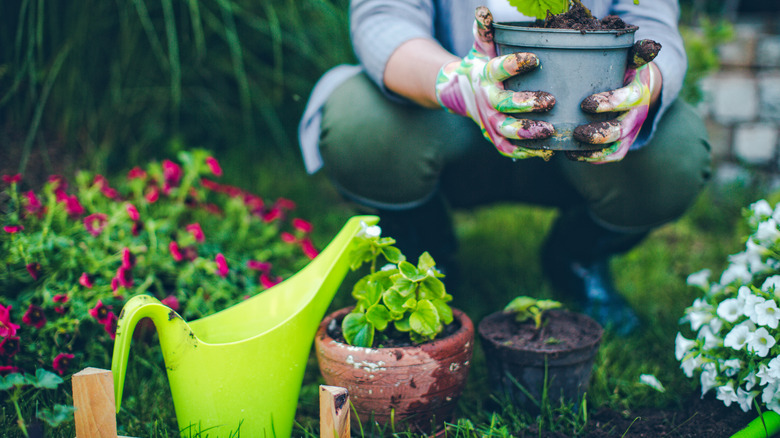
Twelve months of color in the garden is the dream for many plant enthusiasts. And not just because it's pretty. More flowers also mean more food for your local pollinators, and keeping plants growing helps prevent erosion and weeds. The key to getting as close to constant garden vibrance as possible is to not rely on any one plant species, as different plants have different bloom times and seasons of interest. A thoughtful mix of flowers and foliage can keep your garden vibrant and visually interesting in every season. This will likely include both annuals, which last for only a single season, and perennials, which return year after year, with some providing foliage and other benefits even when they're not in bloom.
Annual and perennial plants both have their advantages and disadvantages. Many annual species have a reputation for blooming for months at a time. This can make them great for providing color all growing season. Perennials, on the other hand, often flower for just a few weeks a year, though there are many exceptions. Some also offer interest for multiple seasons through colorful foliage, berries, or attractive seed heads. Since annuals mature much more quickly than perennials, they're perfect if you're just starting a new garden and want color immediately. While you'll need to be more patient with perennials, once they're established, they'll keep gracing your garden with seasonal displays for years.
When it comes to cost, annual plants tend to be more affordable upfront, but that may even out considering you need to repurchase them yearly. You could grow many of your plants from seed which is generally even less expensive, but then you'll need to wait longer for your blooms. Purchasing perennials with appeal that spans the seasons is a way to stretch your budget.
How to find the right plants for a colorful year-round garden
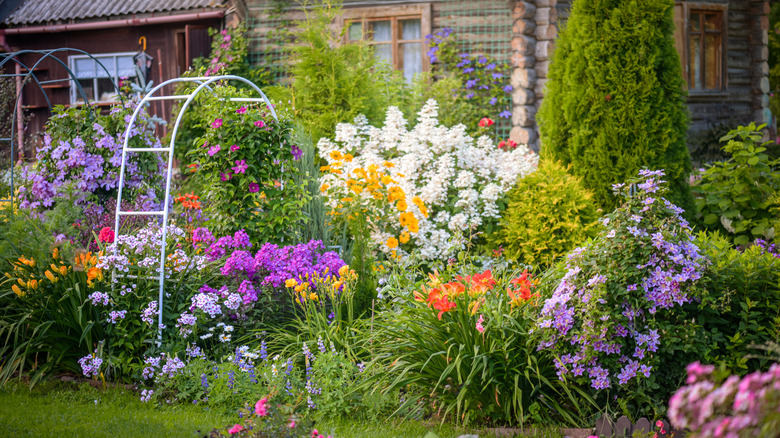
Planning for a year-round garden starts early. By planting perennial bulbs like daffodils, crocuses, and snowdrops in autumn, you'll ensure late winter and early spring color that returns again and again. Once late spring arrives, it should be fairly easy to have a thriving garden through into fall, as a wide range of plants, including annuals like calendulas and petunias and perennials like remontant hydrangeas, can bloom until your first frost. Ornamental grasses are perfect for taking your garden through autumn and into winter.
When winter rolls around, don't jump the gun on removing old flower stalks from perennials. After the flowers have died, the stalks of some perennials can offer shelter to bees and other beneficial insects, and offer some winter interest. While cold-season flowers can be tricky to find, consider hellebores: evergreen perennials that bloom in winter or early spring, and often keep their beautiful flowers for months. You'll just need to be sure to plant them in autumn before the ground starts to freeze.
When choosing plants, remember that although annuals have a reputation for providing color from spring through fall, that's not the case for all species. Some, like pansies, struggle to bloom during hot summers. Others, like single-stemmed sunflowers, can take over a month to mature and then provide you with just one flower before dying. For both annuals and perennials, consider each species' strengths, weaknesses, and expected bloom windows when putting together a multi-season garden.