

10 Ways To Make Your Garden Look Alive Even In Cold Weather
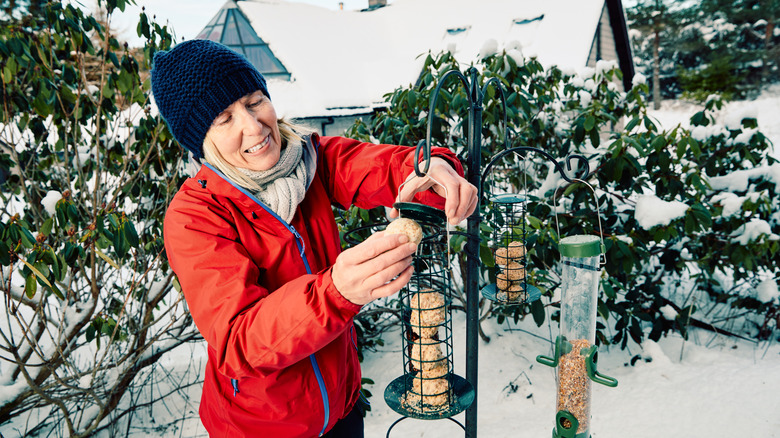
Chilly winter weather generally marks the end of the traditional gardening season. That doesn't mean your landscape has to be barren, though. With just a bit of planning ahead, you can ensure your garden is still vibrant and lively even once snow is on the ground. By using plants with stunning winter interest and ensuring you have plenty of evergreen perennials like yaupon holly (Ilex vomitoria) shrubs in your landscape, you'll be able to enjoy a gorgeous garden despite the icy cold.
A lively winter garden isn't just about beauty, either. Birds depend on berries and seedheads from plants in winter to help them make it through the cold weather. Using shrubs and dried flower heads to provide life and interest in your winter landscape also gives birds and other animals protection and hiding spots. And they, in turn, add even more liveliness to the garden.
Ornamental grasses bring elegance to gardens, even in winter
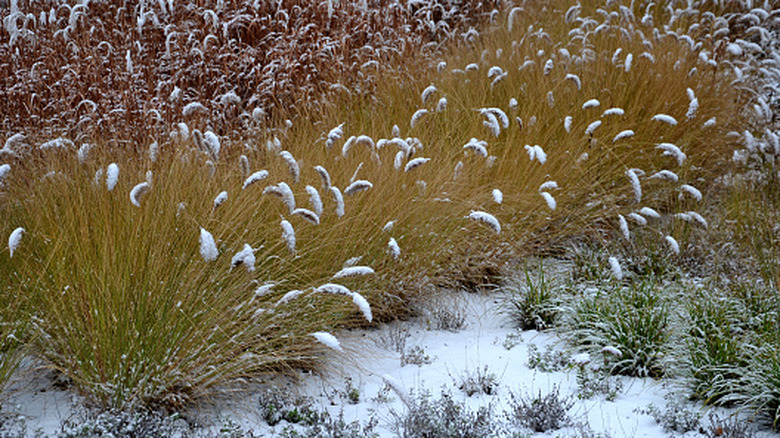
Ornamental grasses are great for adding movement and beauty to your garden, even once they've gone dormant for the winter. Just because these plants may have stopped growing and turned brown doesn't mean they aren't still contributing to your garden's beauty and liveliness. Instead of pruning back your little bluestem (Schizachyrium scoparium) and other gorgeous grasses, leave them up until spring to provide shelter for birds and a graceful swaying element in your garden.
Use berries to provide color in your winter landscape
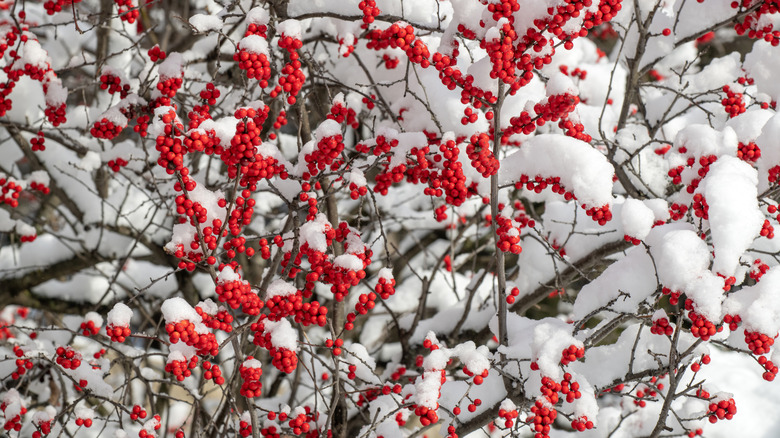
Since there aren't many flowers that bloom during winter, berries can be a great way to provide pops of color in your landscape and a snack for birds. Make sure to opt for plants whose fruits stay on well into winter. This could include deciduous shrubs like winterberry (Ilex verticillata) as well as evergreens like 'Taylor's Rudolph' yaupon holly (Ilex vomitoria). Just be aware that both these options require a nearby male plant for berries to form on the female.
Plants with evergreen foliage keep your garden looking lively in cold weather
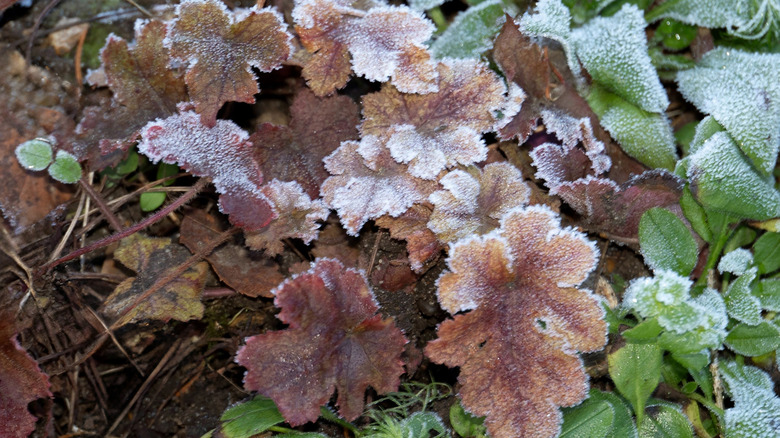
Even evergreens that don't provide colorful winter berries can still bring a lot of life to your garden during cold weather. Lavender is mostly known for the beautiful purple flowers you can enjoy during summer, but even in winter cold-hardy varieties can provide your garden with gorgeous silvery foliage. The same is true of some ground cover plants like heucheras. Just because they aren't blooming doesn't mean their leaves can't still add a range of colors to your garden when temperatures drop.
Hold off on cutting back blooms on perennial shrubs like hydrangeas
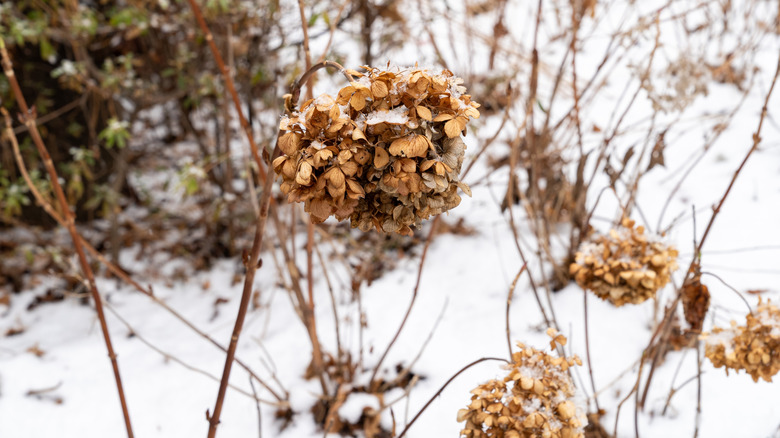
You might assume that part of tidying up your garden in fall involves pruning off any dried flowers on your hydrangeas and other shrubs. And while drying flower stems from your favorite decorative plants to enjoy indoors during the cold weather can be great, you may also want to leave some dried blooms in the garden. The flower heads can provide texture and interest in winter. Ornamental alliums are another species whose spent flowers offer winter interest.
Leave seedheads and stems from perennials up through the cold months
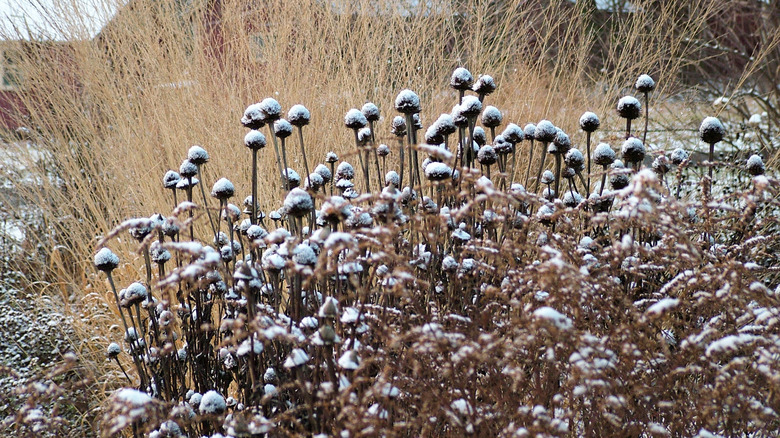
Perennials like coneflowers (Echinacea purpurea) are also great for providing your garden with winter interest. Even though the leaves and petals are likely long gone, the seed heads of these flowers can remain and provide beauty for you and sustenance for your feathered friends. Best of all, the stems of coneflowers often give hibernating insects like bees a safe place to sleep during the long and cold winter.
Conifers can elevate your winter landscape with a verdant backdrop
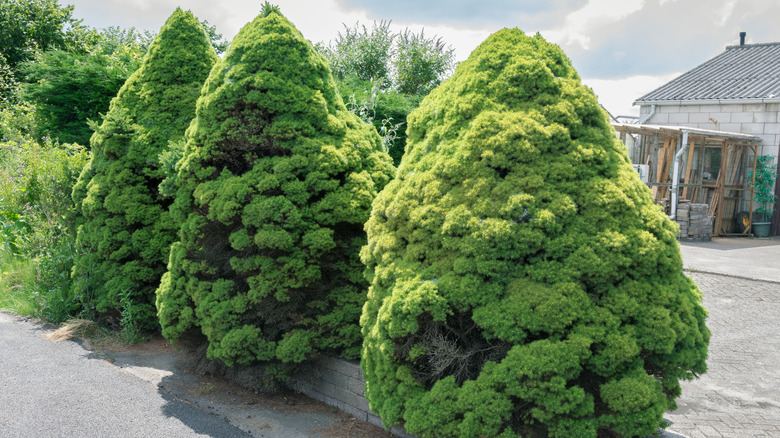
While there are a wide variety of perennials that can enhance your winter landscape, evergreen conifers are perhaps some of the most beautiful and classic options. While you may not have space for a 60-foot Norway spruce (Picea abies) in your garden bed, a smaller option like a dwarf Alberta spruce (Picea laxa 'Conica') or a 'Little Gem' arborvitae (Thuja occidentalis 'Little Gem') could provide elegant and old-fashioned winter beauty without taking over your whole yard.
Add in some winter-blooming plants
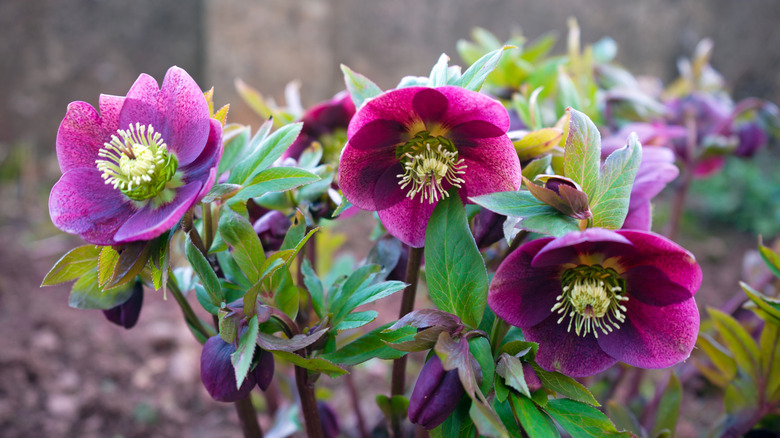
While winter isn't generally associated with flowers, it's not impossible to find blooms during the cold months. Hellebores are evergreen perennials known for their wide range of colorful and long-lasting flowers that can often be seen as early as January. And they aren't the only plants with flowers to enjoy in winter. Consider adding some winter-blooming jasmine (Jasminum nudiflorum) to your landscape as well, and enjoy its yellow flowers, which appear even before the shrub begins to leaf out for the year.
Set up a bird feeder to draw in some feathered visitors
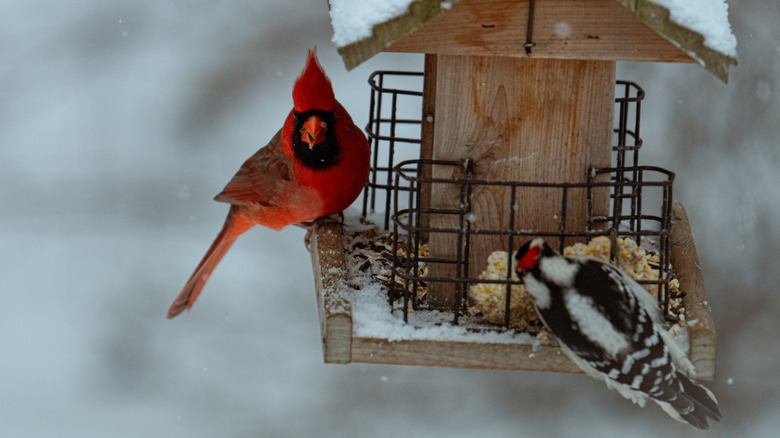
While berries and seedheads from plants can be a huge help to birds during cold months, you may also want to set up a bird feeder. Black-oil sunflower seeds are a great option to use, as their generous oil content makes them a favorite with many birds, including chickadees and cardinals. You could even make your own DIY bird feeders for your garden if you want.
Depending on how cold your weather gets, you may still be able to grow veggies
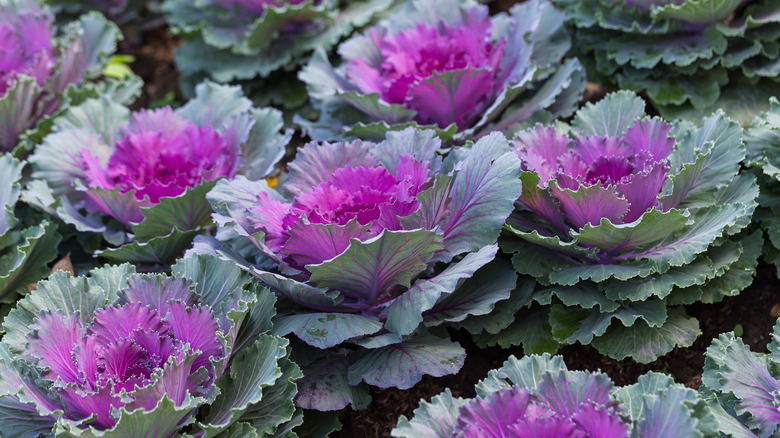
If you don't generally get more than a light frost during winter months, there are still plenty of tasty foods you can grow for a lush garden through winter. Brassicas are especially known for their cold tolerance, and varieties like kale and collard greens can be great garden additions as temperatures start to drop. Lots of brassicas have quite striking, lively-looking foliage — for instance, dinosaur kale sports long crinkly leaves, and what could be more riveting than a red cabbage?
The right lighting can make your winter landscape come alive

Cold weather is also often dark and dreary, leading you to move your gatherings indoors. But stringing up some cheerful lights in your garden can help keep things bright even as you cope with fewer daylight hours. A combination of uplights, path lights, and string lights can also help to play up the plants that are still thriving and bringing color to your yard. Just make sure to only choose lights that are intended to be used outdoors and can safely hold up to the elements.