

Do This To Your Favorite Decorative Plants In October And Thank Yourself Later
We may receive a commission on purchases made from links.
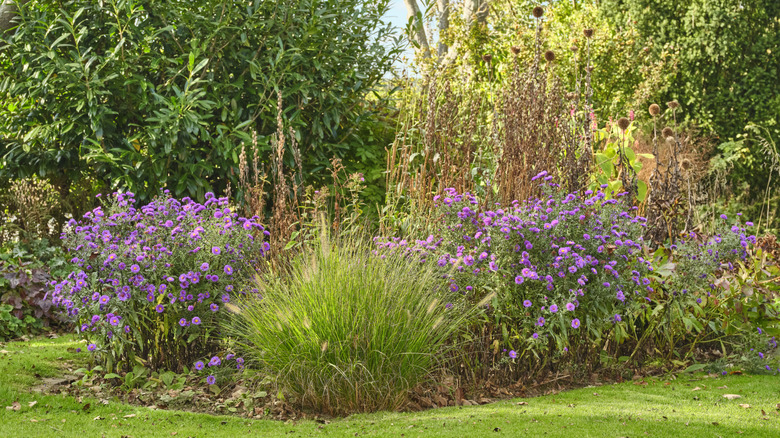
October is often the time when you begin to accept that summer is truly over and winter is on the way. Depending on your climate, you could still have flowers like roses and zinnias blooming, but you may notice ornamental grasses and grains drying in the landscape with cold winds creeping in. Wherever you are, with winter approaching, you're likely preparing to say a sad goodbye to your favorite deciduous plants for the year. Rather than letting these seasonal beauties disappear, though, cut and preserve your flowers and other decorative plants to enjoy their colors, textures, and shapes long after the growing season ends.
If you've never tried it before, you might be surprised by how many different types of plants you can dry and turn into stunning indoor decor. October, while there's still life in your yard, is an ideal time to look for dried grasses, attractive seed heads, and sturdy stems, and to harvest flowers that are still in good condition. Even vines can be collected and used to make grapevine wreaths or crowns!
The process of preparing these beautiful memories of warmer days is generally quite easy. as. In general, you'll need to hang your fresh, fragrant herbs and colorful blooms upside down for a few weeks to help them dry with a nice structure, while grasses and seed pods that were already dry when you cut them can be used and enjoyed as decor right away. You can even fill out arrangements with artificial foliage, such as mixed eucalyptus stems from lovemoon, to create a fuller display.
How to preserve your favorite plants to enjoy indoors during winter
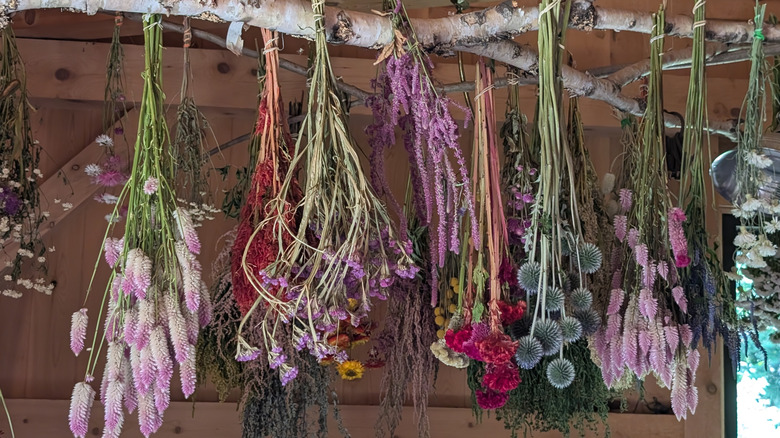
When choosing plants to turn into decor, collect your materials on dry days, and when the foliage and flowers are dew-free. This will help prevent mold and make sure the drying process is timely. Thoroughly check your treasures for any damage before bringing them in, and don't pick blooms that have already passed their peak. Cut stems long enough that you'll be able to hang your plants easily, and take off any unwanted leaves or thorns using a tool like the LUFOX Plastic Rose Stripper Tool.
If you're collecting plants that haven't already dried in the landscape, hang them upside down in small bundles for around three weeks. Make sure to maintain air circulation between the buds by drying small bunches and leaving space between each one. You want to hang them in an area that isn't too stuffy, bright, or damp, or they could become moldy and lose their color. Also, having herbs and flowers hanging can add an adorable cottagecore element to homes, so if possible, set them up to dry in a spot where you can appreciate them.
Once all your plant materials are thoroughly dried out, you're ready to display them in your home. While there's no wrong way to arrange your dried flowers and other elements, you may want to follow the same principles commonly used for creating fresh bouquets and opt for a mix of focal flowers, filler flowers, and foliage. Combine different stem heights and textures to add depth, and use a clean, completely dry vase to protect your finished display. You can also use your dried plants as crafting materials and add them to wreaths, ornaments, and other autumn and holiday decor.