

5 Herbs To Grow If You Like Basil
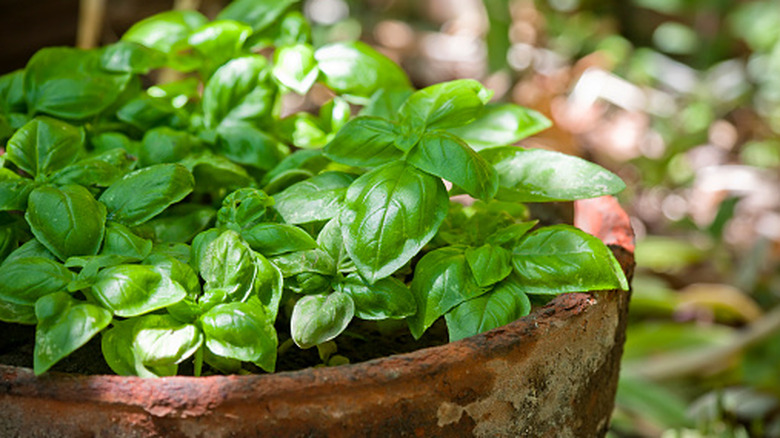
Basil is an amazing herb that can elevate a range of dishes from curries to salads, and you could probably make an excellent herb garden out of just different varieties of basil. But maybe you want to branch out even more. There is a range of herbs, including oregano, cilantro, and summer savory, that are perfect for basil lovers and growers who want to expand their horizons a bit.
There's a lot to love about basil (Ocimum basilicum), from its range of flavors, from spicy to citrusy depending on the cultivar, to its beautiful foliage and ornamental value. And considering it's more expensive per pound than beef, growing your own basil is definitely worth it if you're a fan. This edimental beauty does have some potential downsides, though, including a lack of cold tolerance and a tendency to struggle with fungal growth in particularly humid regions. Luckily, there is a range of other amazing herbs with similar and complementary flavor profiles you can add to your garden to supplement your basil or even replace it if necessary.
Mint offers fresh flavors and even easier growing than basil
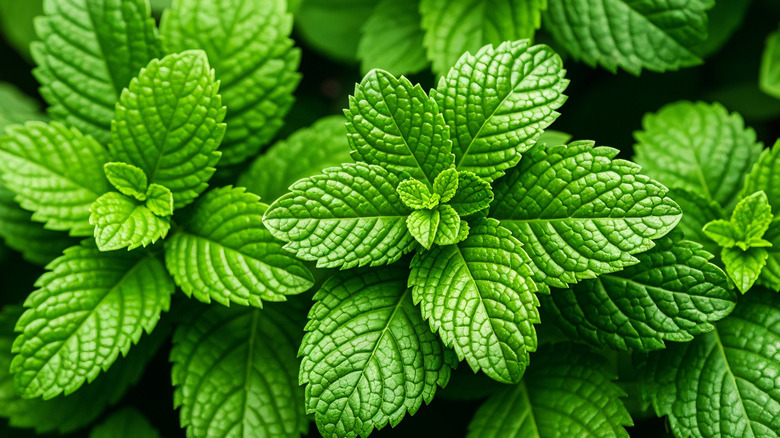
If you love fresh, bright herbal flavors and scents and want something that's easy to grow, try mint (Mentha spp.). There is a wide range of mint species and cultivars to choose from, some offering unique flavor profiles like chocolate mint and orange mint. In some cases, you can even substitute mint for basil in recipes. Just be aware that mint is such an aggressive grower that you should keep it contained in a planter or pot to prevent it from taking over your entire garden or even yard.
Mint thrives in full to part sun and appreciates a well-draining growing medium. It is far more cold-hardy than basil and is generally a perennial in zones 4 or 5 through 9, depending on the specific species and cultivar. It also only grows about 2 feet tall at most, making it a cute and fragrant addition to container herb gardens.
Oregano is a great basil addition or substitute in Italian dishes
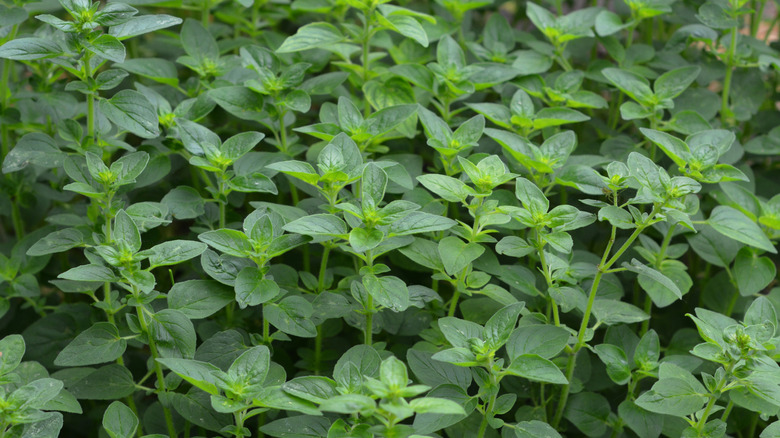
If you especially love 'Genovese' basil for its iconic Italian herb flavor and use in pastas and pizzas, then you may also love oregano (Origanum vulgare). Another classic Mediterranean herb, oregano, is more cold-tolerant than basil and is hardy in zones 5 through 9. It's perfect for use in pasta sauces and even as a garnish. While you can grow it from seed, it's also easy to propagate and grow oregano from cuttings.
Oregano thrives in full to partial sun. It's fairly drought-tolerant, so make sure to give it well-draining soil, as it can struggle in overly wet conditions. Try not to overcrowd your plants, as oregano can also be prone to powdery mildew without adequate airflow. You can harvest your oregano at any time, but it's generally best just before it flowers. At a height of up to 2 feet tall, it's another great addition to herb gardens.
Cilantro adds a bright and floral taste to foods and grows easily
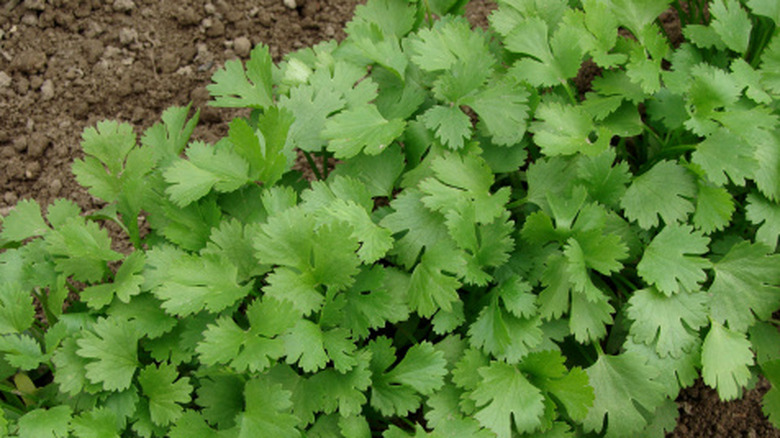
If you enjoy basil for its fresh, bright taste, then you might also find plenty of uses for cilantro (Coriandrum sativum). While this herb isn't to everyone's taste, it's a classic addition to a range of foods from spring rolls to salsa verde.
Cilantro is a cool-season crop and quickly bolts when temperatures heat up. This makes it perfect for spring and fall. In southern states, you may even want to grow this annual during winter for the best results. You don't have to chop down your cilantro once it bolts, though. The blooms are adored by beneficial insects, and the seeds that form are the extremely useful spice coriander. Cilantro enjoys full sun and, like many herbs, it does best in well-draining soil. If you want cilantro to add to meals all summer long, it's best to plant new seeds every few weeks.
Summer savory has a pleasantly spicy flavor and is perfect in soups and salads
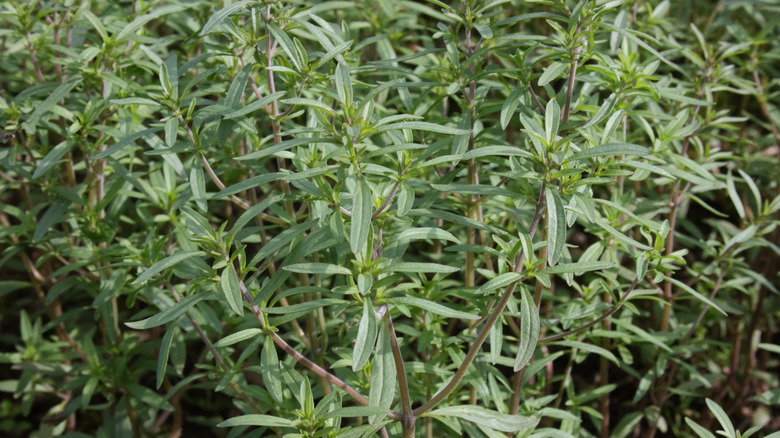
Native to parts of Europe and Asia, summer savory (Satureja hortensis) is another fantastic herb for anyone who loves basil. This fast-growing annual thrives in full sun and well-draining soil. While it prefers moist soils, it can also handle drier conditions. It can grow together with other Italian herbs like oregano, as they thrive in similar conditions.
You can easily grow summer savory from seed, though it's also often available to purchase as a live plant. It only reaches about 18 inches tall and a bushy 3 feet wide. The flowers are also edible and have a peppery flavor. If you're craving summer savory in the middle of winter, it also grows well on sunny window sills indoors. It also has a perennial relative called winter savory (Satureja montana), though winter savory's stronger and more bitter flavor may make it less appealing for culinary uses.
Sweet marjoram is a sweet and herbal oregano relative
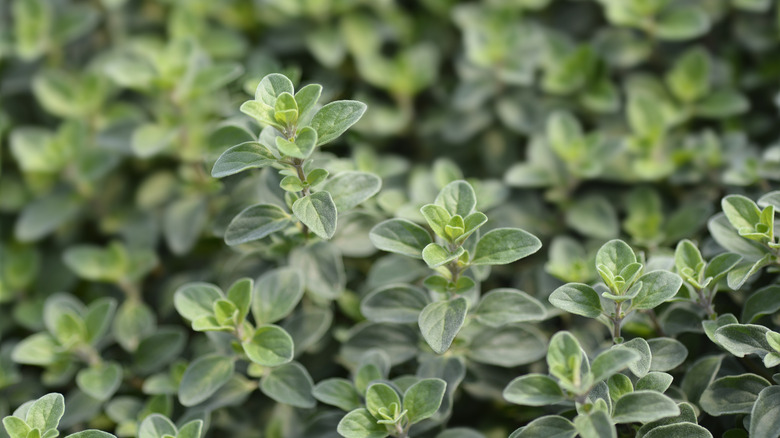
Another wonderful herb from the Mediterranean with a sweet flavor profile is sweet marjoram (Origanum majorana). It's perfect for teas, stews, and sauces. Thriving in hot summer weather, it's also fairly drought-tolerant, though it grows best in moist soil. While it's only hardy in zones 9 and up, it can be a great annual addition to gardens in cooler regions. Of course, in warm zones, you can plant it once and enjoy it year after year.
Be sure to plant your sweet marjoram in full sun and well-draining soil. While it prefers fertile conditions, it can also handle poorer-quality growing media. It grows about 2 feet tall and wide and can be trimmed to help keep its bushy shape. You may also want to let some of your sweet marjoram flower, as its blooms are a huge hit with bees.