

Grow It Yourself: The Herb That's More Expensive Than Beef Per Pound
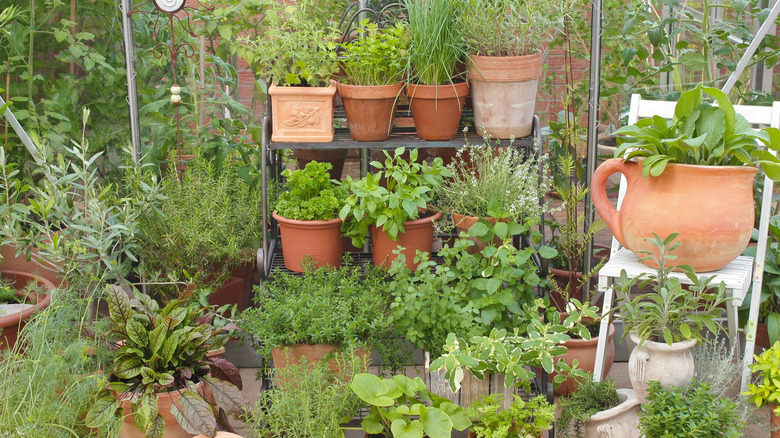
Everyone knows that beef isn't the most affordable food these days. And even ground beef can easily cost $7 a pound or more. What you might not have expected is that many of your favorite herbs cost far more by weight. Basil, for example, is often well over $40 for a pound. While you might initially think you only need that much basil if you're making pesto, this amazing herb is perfect for adding a fresh touch to everything from curries and stir fries to pizzas to classic caprese salads. You might be surprised at how many dishes are improved by the addition of these tasty leaves. And there's no need to pay grocery store prices for them since basil is actually quite easy and affordable to grow yourself at home.
While there are a wide variety of cultivars of sweet basil (Ocimum basilicum) to choose from, if your goal is growing as much of the herb as possible, you can't go wrong with 'Everleaf Emerald Towers'. This cultivar is slow to bolt and produces plenty of tasty and tender leaves on the unusually tall plants. If you enjoy using Thai basil in curries and stir-fries, then you may also want to pick up 'Everleaf Thai Tower,' which is also tall and slow-bolting, providing you with lots of basil in a small footprint.
How to grow your own basil to beat grocery prices
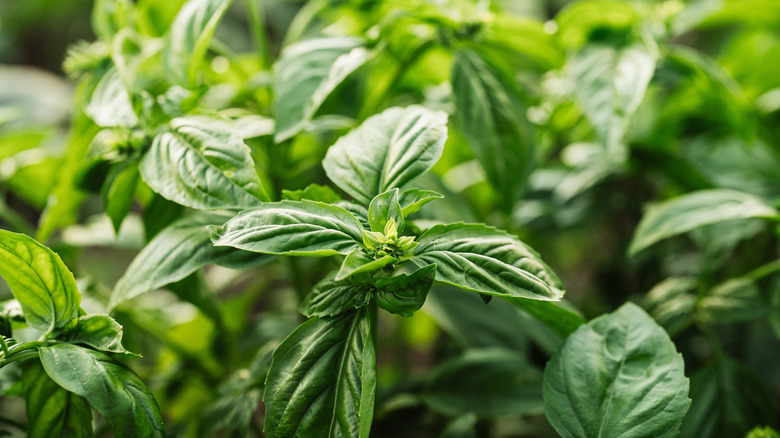
Basil is only perennial in zone 10 and higher, so in cooler zones you'll need to treat it as an annual or bring it indoors for winter. You can start your basil seeds inside and transplant them out after your last frost date if you want to be able to harvest your bounty as soon as possible. Alternatively, you can wait until temperatures warm and direct sow them. Make sure to grow your basil in a garden bed with well-draining soil. If you're growing in containers, opt for a quality potting mix. Stay on top of watering your herb, as it prefers a moist growing medium. It will also need full sun to thrive, so make sure it's in a spot with at least six hours a day of direct sunshine. To grow the most basil possible in a small space, you can plant the herbs about 6 inches apart. If you're looking for a spot in your garden to squeeze in an extra basil plant, the herb grows perfectly with tomatoes.
Even slow-bolting basil varieties will eventually start to flower, so consider succession sowing the seeds every few weeks to have a constant supply. You can also stay on top of removing any flowers to keep your basil producing longer. Consider bringing a plant, or two, inside once temperatures start to drop into the 40s Fahrenheit so you can grow your basil indoors and enjoy it year-round.