

Not Tomatoes, Not Zucchini: This Autumn Vegetable Is Best Planted In May
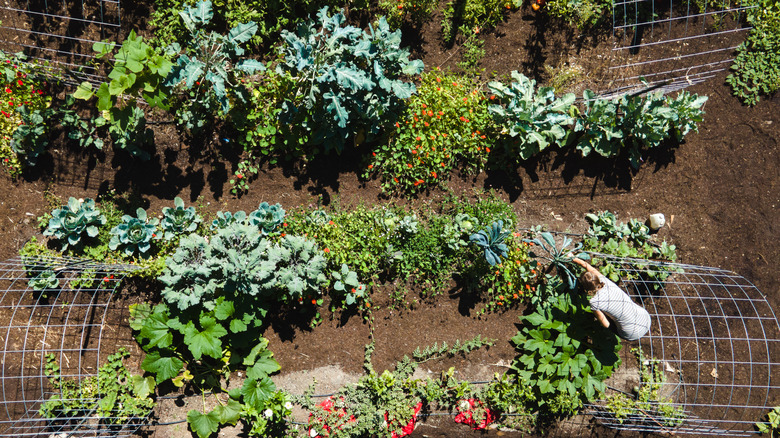
May is a busy time in the garden. As many regions pass their last frost dates and soil begins to warm, more and more crops are ready to plant outdoors. While there is a range of vegetables you can start getting into the ground around this time of year, perhaps one of the tastiest and most rewarding is the classic butternut squash (Cucurbita moschata).
Butternut squash, a delicious native of Central and South America, needs warm soil to thrive. Be patient when planting it and wait until the last frost of spring has passed and your soil has reached about 70 degrees Fahrenheit. While you can start butternut squash indoors and then transplant it out, it has delicate roots and is often best to direct sow. With vines that can often spread around 20 feet, butternut squash may not be the right choice for smaller gardens, but as long as you have the space for it, or a trellis it can climb, adding this distinctive vegetable to your garden in late spring ensures you'll have a delicious harvest about 100 days later. And best of all, butternut squash, like other winter squashes, keeps extremely well, so you'll be able to keep enjoying it well into winter.
If you have a shorter growing season, you may want to opt for a variety of butternut squash that matures relatively quickly. One good option for this is the 'Early Butternut' cultivar, which should have ripe fruit in only around 82 days. Another good cultivar to consider is 'Burpee's butterbush', which matures in about 75 days and has short vines of only about 3 feet long.
How and where to grow your own butternut squash
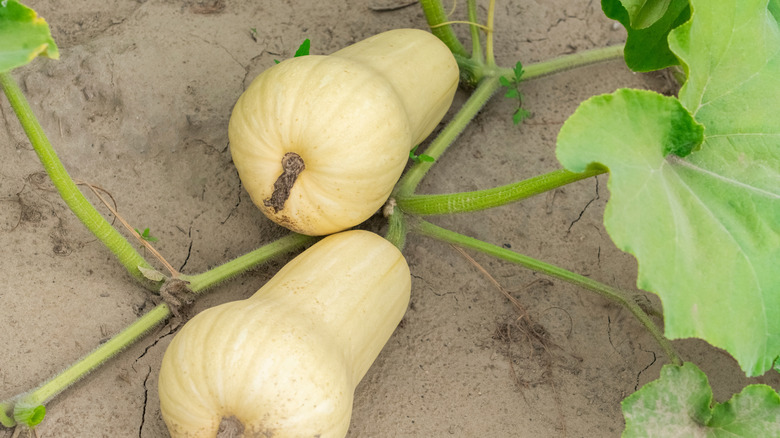
Before you start planting, you'll need to make sure you have a good spot to grow your butternut squash. In addition to plenty of space, it also requires full sun, meaning you'll want to find it a spot where it will get at least six hours of direct sunlight a day. Squash also requires rich, well-draining soil, so you may need to amend with compost to improve both your drainage and your soil fertility.
The best way to plant squash seeds is by creating small mounds of garden soil and placing the seeds about an inch deep in these mounds. Make sure to water your squash regularly, as they need consistent moisture to thrive. The finger test can help you tell if your soil is getting too dry. Butternut squash isn't difficult to grow, and unlike many of its relatives, it's resistant to icky squash bugs and squash vine borers.
If you want your butternut beauties to last for weeks or months in the pantry, you need to know when to harvest your squash. Wait for the rind to become hard and the stem to dry out before picking. You can make your butternut squash last even longer by curing it in the sun for about a week before storing it in a dry, cool, and well-ventilated place.