

Fertilizer May Get More Expensive In 2026: Here's Why
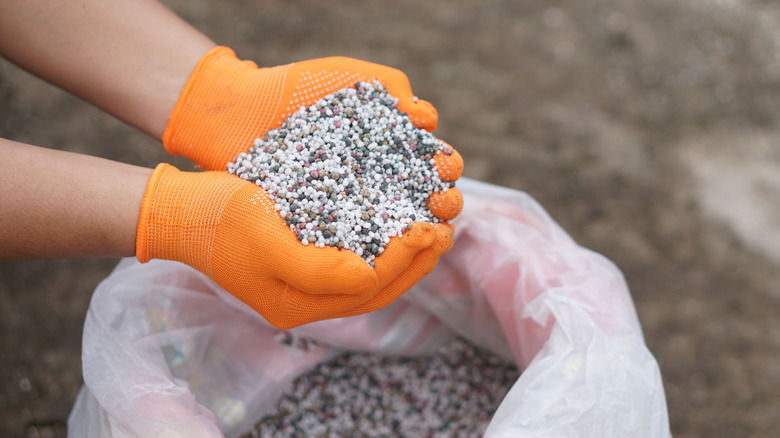
While the 2026 gardening season has barely begun, it is already shaping up to be more expensive than usual. Fertilizer in particular is increasing in price, though how much prices will rise is still unclear. This price increase, as with the sudden jump in gasoline prices, is tied to the ongoing war with Iran.
The Strait of Hormuz is the narrow passage between Iran and Oman, which ships pass through when entering and exiting the Persian Gulf. Despite its small size, the Strait of Hormuz is an essential shipping lane for products leaving or entering countries in the Middle East. Roughly half the world's supply of urea (a component in nitrogen fertilizers) and ⅕ of the world's phosphorus is made in the Middle East and must pass through The Strait to reach the rest of the world. As you may have heard though, Iran has committed to blocking the Strait of Hormuz in response to ongoing airstrikes by The United States and Israel. Some fertilizer plants in the Middle East have also been closed due to the war.
Even with ¾ of fertilizer used in the United States being made domestically, price increases for imported urea have already begun. Given the complexity of the situation, it's hard to know how long this will last and how much fertilizer prices will increase. And home gardeners are far from the only ones affected. Farmers worldwide are concerned by the fertilizer crisis, and it is unclear how severely their harvests, and by extension, food prices will be impacted.
How to continue having a flourishing garden while conserving fertilizer
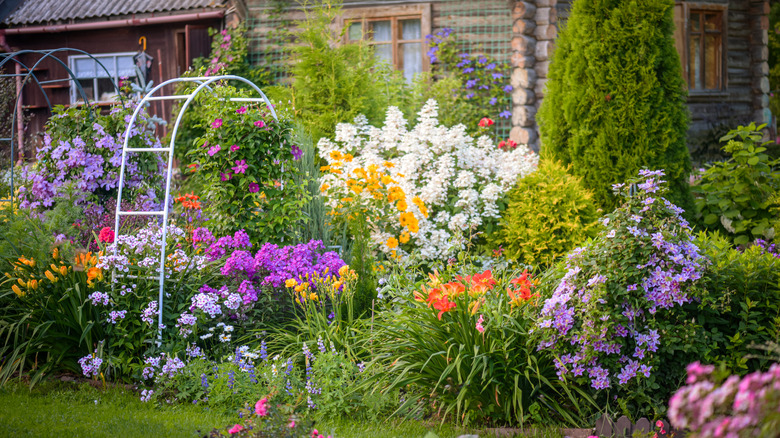
Given the death and destruction war wreaks, feeling disappointed about your gardening season may seem frivolous. It's far from it though. Gardening not only helps with food security, it can also benefit your struggling local wildlife and can even improve mental health. You don't need to respond to news of increases in fertilizer prices by giving up on your garden; you just need to garden smarter.
Not all crops require the same amount of fertilizer. So this may be the year to skip some of your heavier feeders like corn and focus more on growing plants like peas, which can produce their own nitrogen thanks to a symbiotic relationship with soil bacteria. You should also take the opportunity to test your soil. It could be that your soil is already fertile and no additional fertilizer application is needed. Overusing fertilizer is detrimental to nearby waterways anyway, and over-fertilization can even kill your plants. Being more mindful about its use and potentially cutting back on fertilizer application may even result in healthier harvests in the long term.
You can also work on making your own fertilizer. Worm castings are a great source of nitrogen, making vermiculture and vermicomposting perfect hobbies to take up during this time if you have room for some worm bins. If you're not quite ready to start farming worms, then grass clippings are also a good source of nitrogen.