

How To Prune A Satsuma Tree
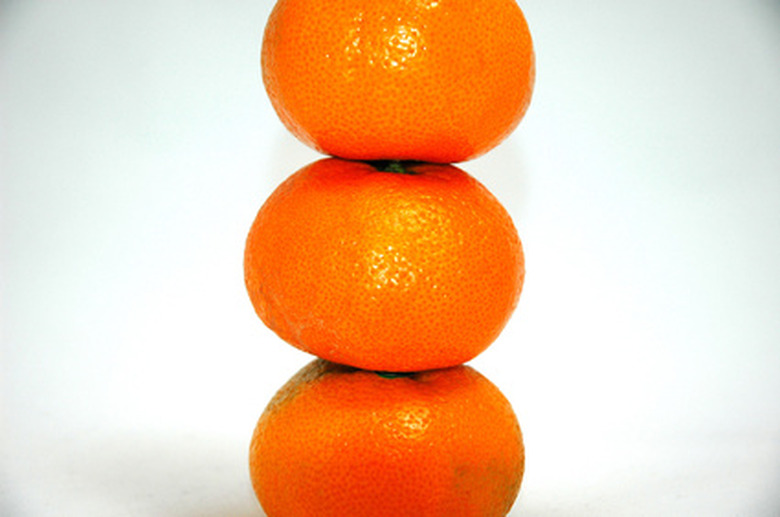
Satsuma oranges are small citrus fruits that are not actually true oranges. A satsuma is the approximate size and shape of a tangerine, but slightly sweeter. According to Dr. Jerry Parsons, retired professor and extension horticulturalist from Texas, satsuma trees grow to heights of up to 15 to 20 feet tall. Although citrus trees do not require pruning, he suggests pruning satsuma trees to keep them more manageable.
Step 1
Trim the tree to a height at which you can easily harvest. Unreachable satsumas rot on the tree, attract pests, and eventually drop off the tree in a mushy, rotten mess. If the trunk of the tree is too thick to cut through with gardening shears, use a hacksaw to cut the top of the trunk off.
- Satsuma oranges are small citrus fruits that are not actually true oranges.
- Unreachable satsumas rot on the tree, attract pests, and eventually drop off the tree in a mushy, rotten mess.
Step 2
Cut off thin, spindly branches. Weak branches sap the tree of energy that could be spent on stronger fruit-bearing branches.
Step 3
Cut back long branches that extend beyond or below the tree's natural shape. Give the satsuma tree a nice, full, rounded shape.
Step 4
Cut off any branches that have curled leaves. Curled leaves are an indication of leaf miners. Leaf miners do not kill satsuma trees, but they affect the fruit yield if left to affect the rest of the tree.
- Cut off thin, spindly branches.
- Cut back long branches that extend beyond or below the tree's natural shape.
Plant A Satsuma Tree
Early spring, or near the end of March, is the best time for satsuma tree planting. Although mature satsumas are hardy in cold weather, young trees do not have the resilience yet, so planting the young tree during the winter can easily kill it because it cannot overcome the stress of the new location and the cold. If it has been a particularly cold winter with some freeze warnings, it is best to wait until all danger of frost has passed. Plant the satsuma near a building or protective wall, preferably on a south-facing side, to protect it from wind. Spring provides the best sun for a growing, young satsuma; eight to 10 hours of sun daily provides you with peak tree fruiting possibilities as the season turns into summer. As long as the satsuma has enough light and water, you will see fruits from August until December if you plant it at the right time. It is possible to have fruit all year with a container satsuma tree. Put the satsuma outside for spring and summer, and move it indoors for fall and winter.
- Early spring, or near the end of March, is the best time for satsuma tree planting.
- As long as the satsuma has enough light and water, you will see fruits from August until December if you plant it at the right time.
Things Needed
- Gardening shears
- Hacksaw
Tip
Don a long-sleeved shirt and gardening gloves before you approach the satsuma tree to prune it. Satsuma trees have sharp, thick thorns that scratch and pierce the skin.