• All
  • Articles
  • Videos
  • Plants

How to Keep Animals Out of a Vegetable Garden

Text size: a A  |  Print  |  Email  |  Bookmark and Share

Overview

For vegetable gardeners everywhere, one of the greatest joys of summer is harvesting and enjoying the delicious fresh produce they've worked so hard all season to bring to fruition. Of course, uninvited furry wildlife is often equally as enthusiastic and will often regard a much loved vegetable garden as their personal all-you-can eat salad bar. While there is no way to completely prevent deer, groundhogs, rabbits and other animals from helping themselves to your harvest, there are several precautions and preventative measures that can help prevent and dramatically reduce pesky animals from destroying a vegetable garden.

How to Keep Animals Out of a Vegetable Garden

Step 1

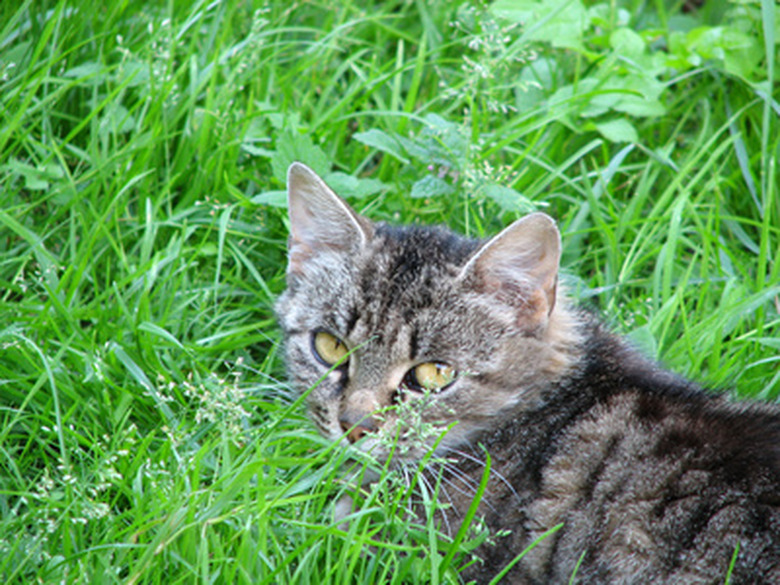
Identify potential enemies of your vegetable garden before they strike. That way you'll be able to come up with the best, most appropriate game plan for battling the furry invaders. Common vegetable garden pests include deer, rabbits and groundhogs, though depending on your locale, you could also find yourself confronting gophers, squirrels and other small, animals. Stray and neighborhood cats can also pose a threat to your garden, for while they probably won't eat your vegetables or even bother the plants, uninvited felines will often utilize your beloved vegetable beds as their own personal litter box.

Step 2

Erect a sturdy fence around the perimeter of your garden. A permanent fence that is at least 6 feet tall will provide excellent protection from deer as well as rabbits. To help deter and prevent burrowing animals such as groundhogs, bury a foot to one and a half foot length of fence or chicken wire below the ground line. In instances where a permanent fence is not an option, consider utilizing temporary fencing or deer netting. Such a barrier will serve as a deterrent, however it may not be sufficient to keep out hungry or persistent wildlife who may be able to break or chew through such fencing.

Step 3

Utilize commercially available deer, groundhog, mole or rabbit deterrent sprays or granules around the perimeter of your vegetable garden. Choose a product that is all natural and organic so that it does not contain any chemicals that can harm you or your pets. These products typically have a mild scent that is inoffensive to humans but the odor is extremely offensive to garden pests to help keep them away from your plants. And if unwanted cats are a problem in your vegetable patch, consider purchasing cat scat mats, which can be purchased from a garden specialty catalog. These non-toxic mats are harmless to cats and work by intimidating them with small, soft plastic prongs that feel uncomfortable under their paws.

Step 4

Employ high-tech gadgets and devices to help repel garden pests. Items such as automatic sprinklers and motion-detection lights can be instrumental when it comes to discouraging prospective vegetable garden crashers. Audio devices are also available from garden specialty catalogs and websites and are designed to either emit a high pitched frequency or loud sound to scare unwanted wildlife away.

Step 5

Hire man's best friend to patrol your garden during the day. Having a pet dog near the garden helps to thwart garden pests from entering the proximity, both because of fear and the scent of the dog's urine, which indicates that the dog has marked its territory. A dog alone might not prevent garden pests from entering the area. However, when used in conjunction with other methods, having a canine watchdog can be particularly effective.

Step 6

Exert patience and persistence when it comes to keeping pests out of your vegetable garden. There is no one-size-fits-all solution to what can often be a complex problem. But by trying a myriad of preventative solutions and products, it is possible to dramatically reduce instances of unwanted visitors to your garden. You might also want to talk to your family, friends, neighbors and local agriculture extension office to learn more about additional types of garden pest control methods.

Things You'll Need

  • Permanent or temporary fencing
  • Cat scat mats
  • Deer or rabbit repellent spray
  • Automatic sensor lights or sprinklers
  • Audio deterrent devices
  • A pet dog

About this Author

I'm a freelance writer living in New England with my husband and family.

Related Videos