

Pea Plant Information: A Guide To Growing And Harvesting
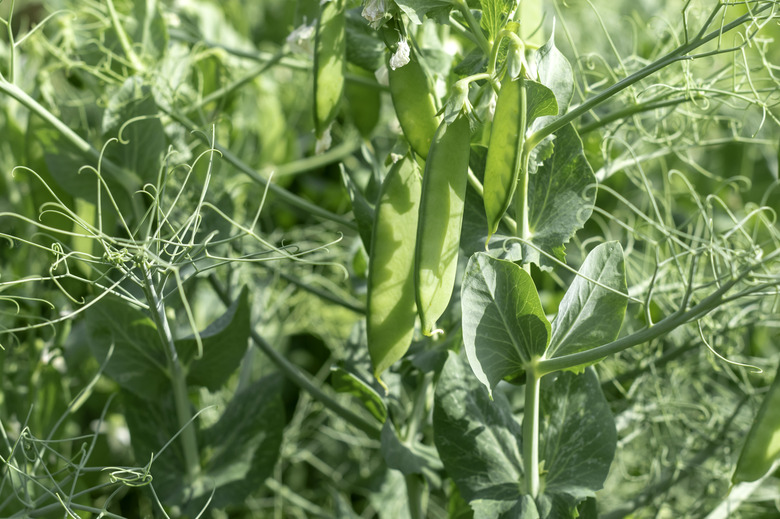
Though often thought of as vegetables, peas (Pisum sativum) are legumes just like beans and lentils. Like all legumes, pea plants have the ability to fix nitrogen from the air.
There are different types of peas, all of which can be grown in the home garden.
Types of Pea Plants
While they are all the same species, pea plant cultivars fall into one of three categories, which differ in the way they are consumed.
Garden Peas
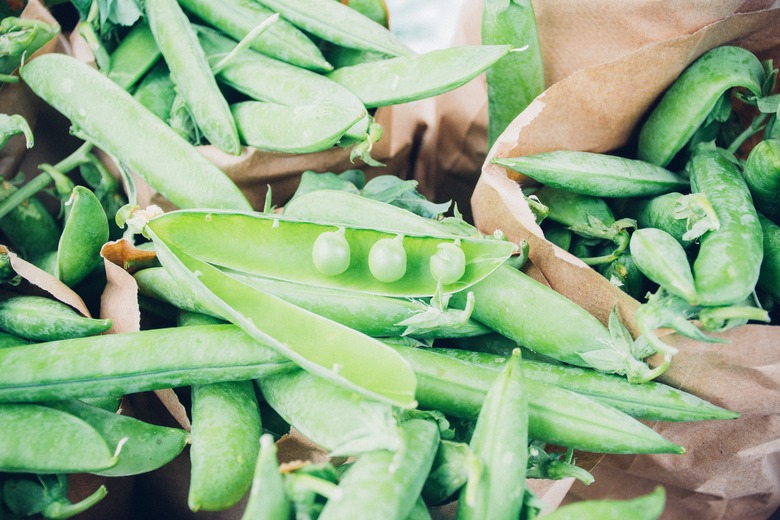
Garden peas, also known as shelling peas or English peas, are grown solely for the peas themselves; the pod is not edible. They may be consumed raw or cooked.
Garden peas produce smooth or wrinkled peas depending on the variety. Wrinkled peas have less starch and are generally sweeter than smooth peas.
Snow Peas
Snow peas are flat because they are harvested before the peas inside the pod have a chance to ripen. The entire pod is edible. Snow peas are prominent in Asian cuisine as an ingredient in stir fries.
Sugar Snap Peas
Sugar snap peas, as their name suggests, have a slightly sweet taste. Like snow peas, they are meant to be consumed raw, pod and all. However, they are harvested when the peas inside are more developed and therefore have a plumper appearance than snow peas.
How to Grow Pea Plants
Peas are cool-season plants that can handle light frost. You can plant seeds outdoors once temperatures have warmed to 45°F. These plants grow best when temperatures are between 55 and 64°F. It is often possible to grow both a spring crop and a fall crop of peas in cooler climates.
According to the PennState Extension, pea plants grow best in soil that has a pH between 5.8 and 7.0. For the best-tasting peas, choose a location where the plants will receive full sun.
Pea plants may be either bush or pole varieties. Both types of peas—but especially pole peas, which have a vining growth habit—benefit from a trellis or other support.
 Rachael Gorjestani
How to Harvest Peas
Peas can take anywhere between 50 and 70 days to reach maturity depending on the cultivar. For best quality, English peas should be harvested once the pod is plump, says the Clemson Cooperative Extension. However, the individual seeds inside should not yet be fully defined.
Snow and sugar snap peas should be harvested before the seeds get too big. Snow peas are usually ready to be picked when they are 2 to 3 inches long.
In the case of sugar snap peas, the pods should be plump and small. If they are left on the plant too long, the pods of sugar snap peas become too fibrous to be eaten. If that happens, the peas must be shelled in order to consume them.
Nutritional Benefits of Peas
Peas have very few calories but are rich in protein. English peas contain more protein than snow and sugar snap peas, says the University of Illinois Extension.
Peas are also a source of vitamins and minerals, including iron, folate, magnesium, potassium and vitamin C. They also contain insoluble fiber, which is believed to help lower cholesterol and is therefore beneficial for heart health.