


Archive for February 2023
Back to Archive IndexFlowers (3)


Gardening (55)
-

-

How To Prune A Mexican Bird Of Paradise
How to Prune a Mexican Bird of Paradise. Mexican bird of paradise, known botanically as Caesalpinia mexicana, is a yellow flowering evergreen shrub or small tree in the pea family of plants. It thrives in the semi-tropical and tropical climates of USDA zones 10b and 11. Pruning is only required to remove damage and control spread, if desired. According to the University of Arizona, pruning can also be employed to create a more classical tree form out of the natural shrublike habit.
Read More -
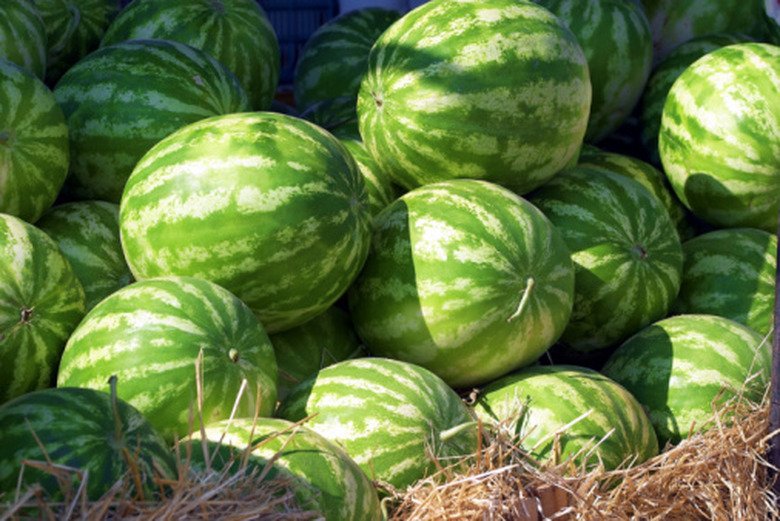
Companion Planting And Intercropping For Watermelons
Companion Planting and Intercropping for Watermelons
Read More -

How To Care For Ferns
How to Care for Ferns. Ferns are evergreen vascular plants which do not produce seeds or flowers. They are grown for their attractive foliage, shade tolerance and ease of care. Ferns are resilient and low maintenance once established, and will thrive in garden beds or containers. Many varieties are heat and/or cold tolerant, and can be grown outdoors or indoors year round.
Read More -

A Guide To Different Types Of Jasmine Plants
Varieties of Jasmine Plants. Grown in a wide variety of colors, shapes and sizes, each with its own distinct growing requirements, jasmine plants are hardy garden plants. Some jasmine plants are vines that creep around the landscape, while others are low-growing shrubs. Oftentimes, jasmine varieties are evergreen, meaning they retain their foliage and color all year long, including winter. Tucked along a garden border or growing over an arbor, jasmine plants create a vibrant presence in the landscape.
Read More -

A Guide To Different Types Of Ryegrass
Types of Rye Grass. Rye grass is a fast-growing, cool weather grass used as a lawn grass, winter livestock forage, to over seed lawns in winter or for erosion control. All types of rye grass are suitable for growing in cool and damp climates because they do not grow well in hot or dry sites. Each type of rye grass has its own unique characteristics and advantages.
Read More -

-

Understanding Scientific Names For Rose Flowers
Scientific Names for Rose Flowers. Roses are very popular perennial flowers that grow on shrubs or vines. Common names for roses can be very descriptive of the color or appearance, and some roses are even named after famous people. However the scientific name of the genus is Rosa, in the family Rosaceae. Within this category, there are over 100 species with individual scientific names.
Read More -
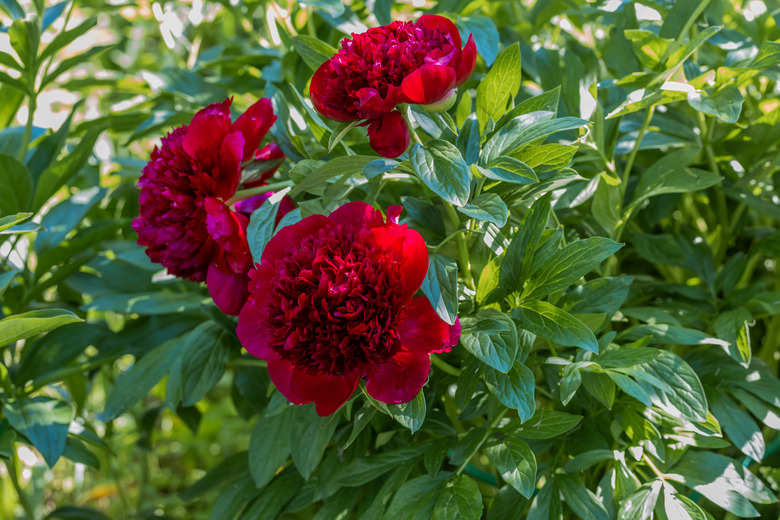
How To Transplant Peonies In The Spring
How to Transplant Peonies in the Spring. Honestly, the best time to transplant peonies is in September. However, you may successfully transplant peonies in the spring, though you should be aware that plants moved during this season are not likely to produce the abundant flowers or foliage they've produced in the past---or may take a season or two before they start blooming. Remember that peonies need direct sunlight, so observe the new location you've chosen to make sure it receives at least six hours of sunlight per day.
Read More -

Facts About The Common Myrtle Tree
Myrtle Tree Facts. The crape myrtle tree (Lagerstroemia indica) puts on a blossoming show that lasts up to 120 days. Flowers appear in the summer months in shades of pink, white, red, lavender and purple. The blossoms appear in profuse clumps that offer a striking display. Varieties of crape myrtle trees range in size from 18 inches to 40 feet in height.
Read More -

How To Know When A Pineapple Is Ripe & Ready To Be Picked
How to Know When a Pineapple Is Ripe & Ready to Be Picked From the Plant. Gardeners living in USDA zones 10 and 11 have the option of growing pineapple plants in an outdoor growing area. Because pineapple plants grow exceedingly well with little coaxing or intervention, planting a pineapple crown in a sunny location will often yield a delicious pineapple fruit. Pineapple plants grow and produce fruit slowly, often requiring between one and two years to produce a pineapple for harvest. Once your pineapple begins to mature, make sure you know when a pineapple is ripe and ready to pick from the plant to ensure the sweetest pineapple.
Read More -

What Are The Planting Times For Garden Vegetables In Virginia?
What Are the Planting Times for Garden Vegetables in Virginia?. Early colonists found fertile, sandy loam soils and an amazing 230-day growing season on the "Middle Peninsula" along the James River in Virginia. Today's Virginia gardeners often insist that their growing seasons are "just right." Piedmont and mountain gardeners have growing seasons of approximately 180 and 165 days respectively. Determine all vegetable planting times by counting back or forward from frost dates and checking soil temperature.
Read More -
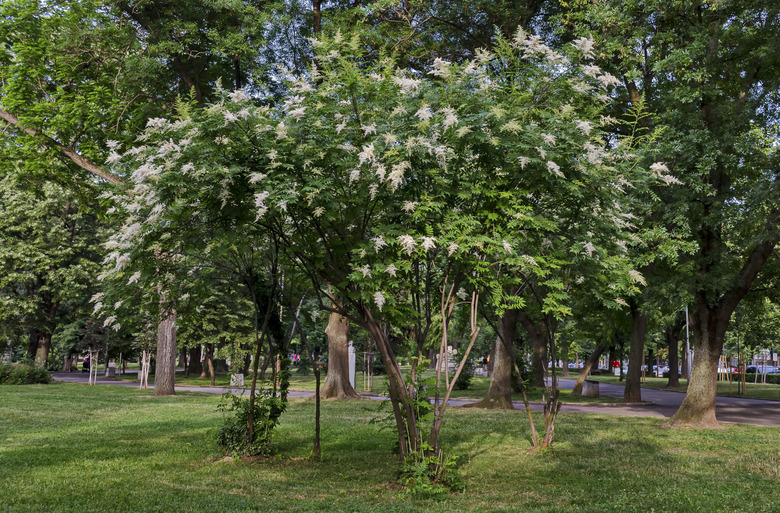
Diseases That Affect Lilac Trees
Lilac Tree Disease. Lilac trees are a lot like lilac bushes, except, of course, a great deal taller. A lilac tree may grow to 30 feet in height. They also have a rounded shape and great clusters of blossoms that bloom on the sides of the branches in beautiful white, violet, lavender and deep purple spikes. While lilac trees are relatively disease-resistant, they do take a long time to recover when they experience stress. They may stop blooming altogether in some cases. For this reason, you must be alert with your lilac tree so that you can target any disease-related problems before they place serious duress on your plant.
Read More -

How Many Blades Of Grass Are In A Square Foot?
How Many Blades of Grass Are in a Square Foot?. The amount of blades of grass in a square foot of lawn depends on the type of grass and the density. The average square foot of grass has 3,000 blades, according to the Oklahoma Museum of Natural History.
Read More -

How To Grow Rice Indoors
How to Grow Rice Indoors. Rice is the seed, or grain, from a type of grass (Oryza sativa) that is grown as a major food crop around the world. Growing rice requires lots of sunshine and warm temperatures. Growing it indoors allows you to control the growing environment by utilizing grow lights. Rice can be grown in any large container, from a bucket to an aquarium.
Read More -
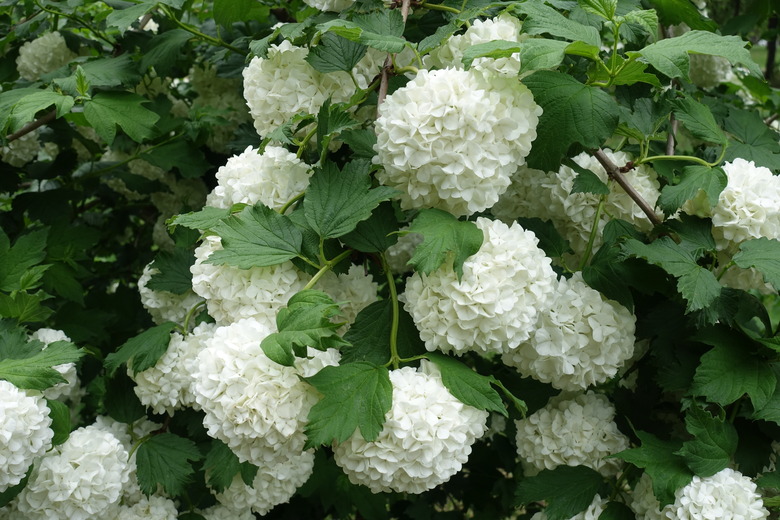
How To Prune A Snowball Bush
How to Prune a Snowball Bush. The snowball bush, a cherished, old fashioned garden shrub that produces fluffy balls of summery white blooms, is a member of the Viburnum genus. Growing to a height and spread of up to 10 feet or more, the snowball bush may be planted as hedge, privacy screen or focal shrub. Although most viburnums with true, full globe shaped florets do not produce fruit, they do offer pretty autumn foliage and bright red, bare canes during the colder months. Pruning at the right time with proper techniques is important for maintaining the shape and health of your snowball bush.
Read More -

Dwarf Red Japanese Maple Trees That Grow In Full Sun
Dwarf Japanese Red Maple Trees That Grow in Full Sun. Red Japanese maple leaves achieve their best color in full sun. Ample summer water is also key to healthy, vibrant foliage. In regions that are in USDA Hardiness Zone 8 or below, the fall chill brings out their intense red color even more. A true dwarf Japanese maple is one that is 6 feet tall or less at maturity. Because many have weeping growth habits, they may appear to be even smaller.
Read More -

A Guide To Identifying The Acorns Of Oak Trees
Acorns & Oak Trees. Like other nut bearing trees, oaks produce a large amount of acorns; unlike other nut-bearing trees (pecan, walnut and hazelnut) the seed nuts cannot be consumed by humans or most animals because of the tannin in the seed. A huge quantity of acorns must be produced for an oak to propagate itself.
Read More -
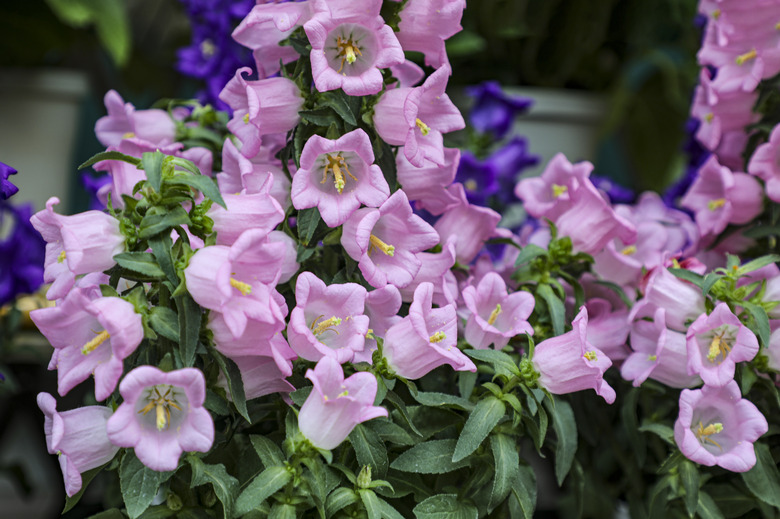
How To Care For Canterbury Bells
How to Care for Canterbury Bells. Canterbury bells, also known as bell flowers, are biennial flowering plants that are grown in most temperate regions around the world. They produce flowers that are blue, purple or white in color, and shaped like small bells. The plants can grow up to 3 feet in height, and are commonly used as a border plant. Canterbury bells bloom in late spring and summer, and require little effort to maintain.
Read More -

How To Plant & Harvest Chia Seeds
How to Plant & Harvest Chia Seeds. Chia is an annual herb that is a member of the mint family. Its seeds are highly nutritious and contain omega-3 fatty acids, fiber, calcium, iron, vitamin C and a host of other minerals. Consequently, many health-conscious gardeners want to grow the chia at home so they can harvest its nutritious seeds. The chia plant is quite easy to grow in western North America where it grows wild. Once sown in August, the chia can be left to its own devices until the flowers dry and it is time to harvest the seeds.
Read More -

-

How To Grow Coffee Beans
How to Grow Coffee Beans. Coffea arabica is the most common species of the popular beverage many people enjoy. Its favorite growing environments are in higher elevations of tropical regions, such as Jamaica, Kona, Guatemala and Kenya. If you live in USDA climate zone 7 or higher (Arkansas and Georgia to Florida and Hawaii's cooler mountainous regions), you might try your hand at growing coffee beans. The ideal temperature range is from 59 to 75 degrees Fahrenheit, but coffee trees can survive brief periods of freezing weather. The perfect amount of rainfall is 60 to 100 inches of rain a year with a three-month dry period after harvest.
Read More -

-

How To Propagate A Hydrangea Paniculata
How to Propagate a Paniculata Hydrangea. Paniculata hydrangeas are beautiful plants with large blooms that can reach height of 25 feet and grow easily in a wide variety of soils. Propagating hydrangeas can be accomplished using different techniques. The most common and effective methods of propagating hydrangeas is by rooting cuttings from the plant or by using a ground layering method. Both take some patience but are rather simple.
Read More -

How To Grow Pine Trees From A Cone Seed
How to Grow Pine Trees From a Cone Seed. Growing pine trees from seed that you get from a pine cone isn't an easy project. Not all seeds are viable, and even those that are sometimes will not germinate. Some types of pine tree seeds take much longer to germinate than others. Overall, it is a project that takes time and patience. The best time to collect your pine cones is in August and September, when the cones are falling from the trees.
Read More -
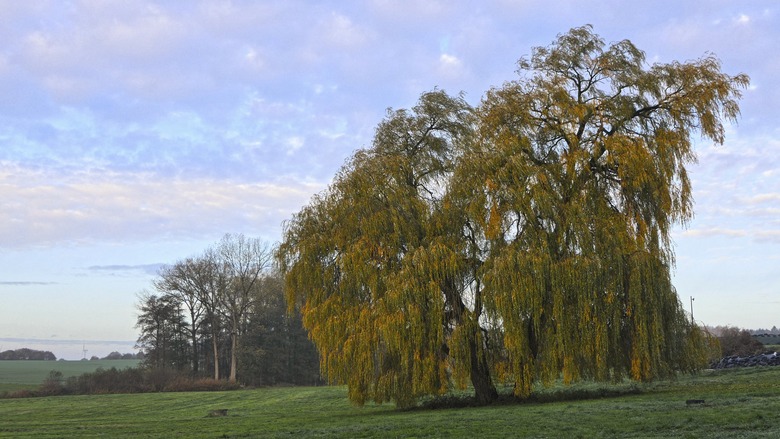
A Guide To Different Types Of Willow Trees
Different Types of Willow Trees. Willow trees (genus Salix) are fast-growing trees that thrive in very moist soil. There are over 200 different species of the willow tree worldwide, according to the master gardeners with the South Dakota Department of Agriculture, and around 70 are native to North America. The appearance of these trees can vary widely by species, with some growing very large and others looking more like shrubs. The weeping willow, which is native to Europe, is probably the most famous species of willow.
Read More -

7 Things A Plant Needs To Grow
7 Things a Plant Needs to Grow. There are many different types of plants, growing in many different environments. But there are some things that all plants need to survive. These common elements provide the plant with basic nutrients and with the ability to perform photosynthesis, the process of turning light into the food the plant needs to survive.
Read More -
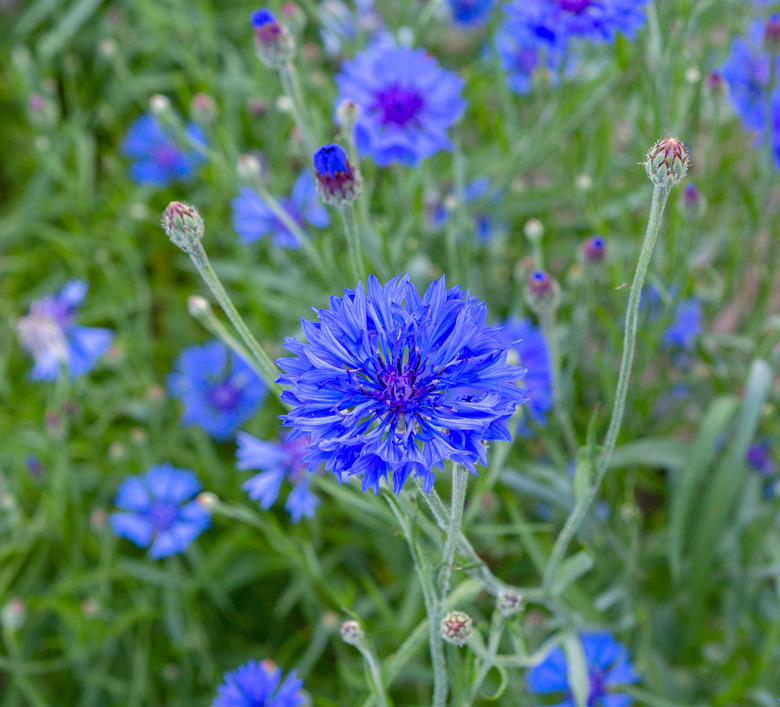
How To Plant A Bachelor Button From Seed
Bachelor button, or Centaurea cyanus, is also known as the cornflower. Mature plants are drought tolerant, undemanding and attractive to butterflies. Long-lasting flowers bloom from June to August and perform well as cut stems. Bachelor buttons are readily started from seed sown directly into the garden after all danger of frost has passed for your area.
Read More -

The Life Cycle Of The Cotton Plant
The Life Cycle of the Cotton Plant. A commercially valuable crop grown in the southern United States, the cotton plant requires at least 160 frost-free days in sunny, fertile soil to reach maturity. Although five types of the semitropical plant grow around the world, each type must complete a similar life cycle. The types include Egyptian, Sea Island, American Pima, Asiatic and Upland. In the United States, 14 Southern states grow Upland cotton, while American Pima grows in Arizona, California, New Mexico and Texas.
Read More -

How To Plant Oxalis Bulbs And Rhizomes
How to Plant Oxalis Bulbs. Oxalis are a group of foliage plants that also produce small ornamental flowers. Commonly called clover or shamrocks, oxalis grows from a small bulb or tuberous root section. These deep green plants produce three leaflets per stem, though there are four-leaf varieties available. The leaves fold closed at night and open back up in the morning light. Plant oxalis bulbs in spring after all frost danger has passed. Grow them indoors in pots or out in the garden bed.
Read More -

A Guide To Shantung Maple Trees In Texas
Shantung Maple Trees in Texas. The Shantung maple is also known as Acer truncatum. In 2003 Texas A&M University listed it as a "Texas Superstar" tree because of its outstanding ability to withstand the Texas sun, drought and high winds. This lovely tree has a dense canopy, whose delicate foliage turns a bright red in the fall. It is a midsized tree that is perfect for metro areas and small yards, growing to an average height of 25 feet and a spread of 20 feet.
Read More -

How To Plant Lily Tree Bulbs
How to Plant Lily Tree Bulbs. Lily trees are a relatively recent trademarked form of lily, which are actually Oriental hybrids. These lily trees can reach heights of 6-8 feet, as can many other hybrid Orientals can. However, if you have purchased a lily tree, the most popular cultivars being "Boogie Woogie" and "Satisfaction," there is no need to think that these hybrids need any special care other than that you would normally give any other type of Oriental lily. Planting these bulbs is also no different than how you would plant other types of lilies.
Read More -

How To Harvest Blueberry Seeds
How to Harvest Blueberry Seeds. Blueberries are a nutritious treat, loaded with antioxidant vitamins that are beneficial to your health. If you enjoy gardening, you may want to plant your own blueberry bushes from harvested seeds. Blueberry seeds can be harvested from fresh berries on plants, from the produce section at the grocery store or even from frozen berries in your grocer's freezer. When you plant blueberries from seeds, it can take up to two years before the plants produce fruit.
Read More -

How To Remove Seeds From A Hardy Hibiscus Flower
How to Remove Seeds From a Hardy Hibiscus Flower. The hardy hibiscus possesses long, slender stems with glossy, green leaves and some of the largest flowers of any perennial. Colors range from pure white to yellow, orange, pink or red. You can propagate hardy hibiscus seeds by collecting them from pods. Seeds of the hardy hibiscus are relatively easy to germinate, with some special attention. When planting, partly remove the seed coat to reveal the inner seed. This will allow it to better absorb water and oxygen. Plant seeds outdoors in the spring or indoors for the best chance of germination.
Read More -

The History Of The Lime
The History of the Lime. Ancient folklore among the Sinhala of the island of Sri Lanka at the southern tip of India tells how limes originated during a fight between two cobra gods. Their fangs became the lime seeds and their poison became the acidic juice. Recent studies suggest a phylogeny that places the origin of true limes at Malaysia, about 1,500 miles east of Sri Lanka. Limes are a natural hybrid between domesticated citrons and a wild species of Papeda, a noncommercial citrus subgenus.
Read More -

-

Mesquite Tree Facts
Mesquite Tree Facts. Mesquite trees (Prosopis spp.) are commonly grown in desert landscapes where their deeply reaching roots allow them to survive in brutally hot and dry situations. If soil moisture is limited, they remain shorter and shrub-like, but with just enough water they develop into wispy, irregularly shaped trees quite quickly, upwards of 20 to 30 feet tall. Use them as a source of light shade in U.S. Department of Agriculture hardiness Zones 8 or warmer.
Read More -

How To Reseed St. Augustine Grass
How to Reseed St. Augustine Grass. St. Augustine grass is commonly planted in the Gulf Coast areas of the United States. It grows well in hot, salty climates and can cope with drought. St. Augustine grass can be planted in a variety of soil types with a pH range of 5.0 to 8.5. Because this variety of grass does not deal as well with traffic as other types, it may thin out or develop bare spots over time and need to be reseeded.
Read More -

Types Of Night-Blooming Cereus
Types of Night Blooming Cereus. These night-blooming varieties of the cactus family are known for their highly fragrant flowers, which humans can smell from a considerable distance---about 30 feet away. Cereus are surprisingly easy to grow. Put them in a brightly lit, cool room for the winter months and move to dappled shade outdoors after all danger of frost has past. Their spiky white flowers bloom in late summer and early autumn, each blossom lasting just a single night. The flowers don't open until well after sunset---at least 10 p.m. for some varieties and even later for others. Cereus are easily started from stem cuttings.
Read More -
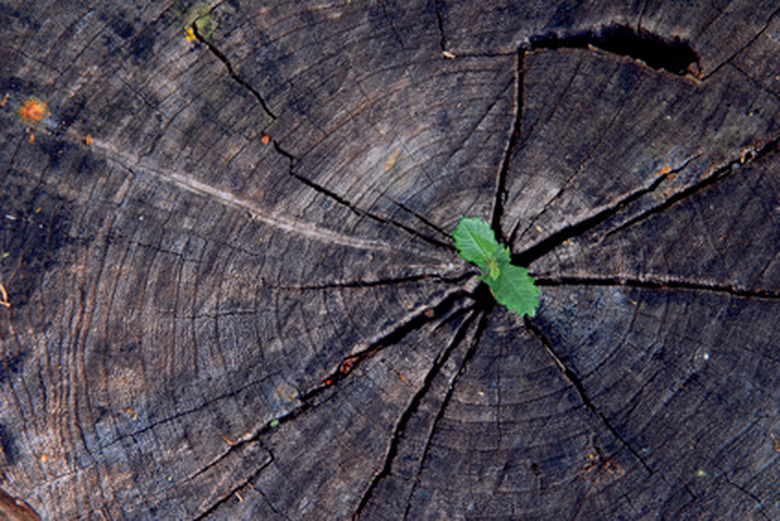
What Are The Five Main Parts Of A Tree Trunk Called?
What Are the Five Main Parts of a Tree Trunk Called?. When you cut a tree trunk, you'll see several concentric rings. Each ring and layer is an integral part of the tree. Both softwood trees and hardwood trees have a trunk composed of five different sections. Each element serves its own purpose, protecting the tree and promoting further growth throughout the year.
Read More -

-

-

-

How To Germinate Sago Palm Tree Seeds
How to Germinate Sago Palm Tree Seeds. You can add an element of the tropics to your backyard with a sago palm tree (Cycas revoluta). Clemson University ranks the sago as one of the most popular palm trees grown by homeowners. The plant reaches a height of up to 10 feet and is commonly used as an accent piece along driveways or garden borders. Though you can buy a started sago palm from a nursery, it's cheaper to harvest and germinate a sago palm tree seed from an existing palm.
Read More -

How To Bring Dried Out Petunias Back To Life
How to Bring Dried Out Petunias Back to Life. Petunias are tender perennials grown across much of the United States as summer annuals. These prolific bloomers create a nonstop show of color from spring until fall, but do require consistent care. These rapid growers, particularly the trailing and wave varieties, consume copious amounts of water. Those grown in the soil typically need deep watering once a week, but those planted in hanging baskets or containers may require daily watering. Without adequate water, petunias may cease blooming, or foliage may wilt and die, within a day or two during hot, dry weather. With quick intervention, petunias can often be revived.
Read More -
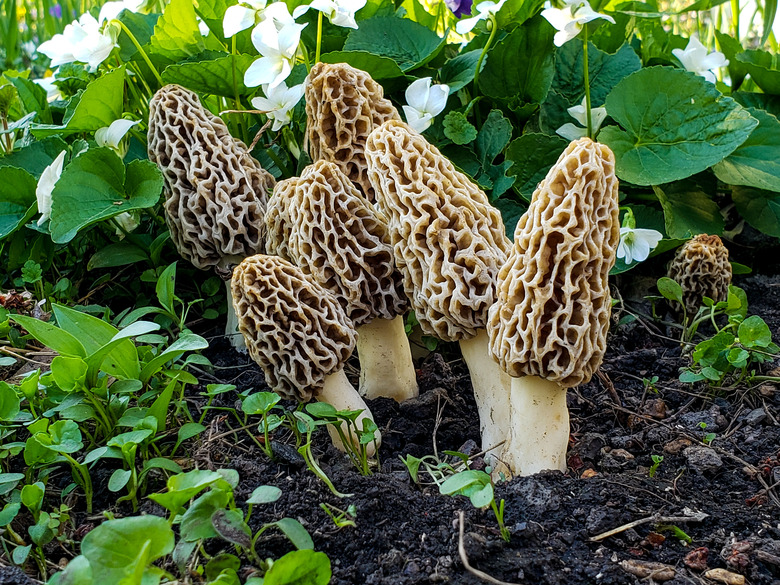
How To Prepare The Soil To Grow Morel Mushrooms
How to Prepare the Soil to Grow Morel Mushrooms. Morels are one of the most sought-after wild mushrooms, and many chefs consider them a rare and special delicacy. If you can't find a good patch of morels in the wild, you can grow your own at home. Like all mushrooms, morels require a specific habitat and weather conditions, so you will have to choose your site and prepare your soil carefully.
Read More -

How To Germinate Strawberry Seeds
How to Germinate Strawberry Seeds. Strawberries are usually planted from bare-root stock, but if you don't mind waiting an extra year to begin harvesting berries and want to save money, seeds are a viable alternative to purchasing roots. Getting the seeds to germinate is challenging if you have never done it before, as they require special care before planting. Once your seeds have germinated and grown into healthy seedlings, you are well on your way to succulent fresh strawberries in your garden.
Read More -

How To Prune Back A Butterfly Bush In Zone 8
How to Prune Back a Butterfly Bush in Zone 8. The butterfly bush (Buddleia) is a perennial shrub in USDA horticultural zone 8. It produces long panicles consisting of hundreds of tiny blooms that attract multitudes of butterflies. The blooms may be pink, white, purple, red or lavender depending on the variety of butterfly bush. In USDA horticultural zone 8, the shrub may be evergreen or hold its green leaves all winter, but the foliage declines dramatically during the latter part of the winter season. The butterfly bush produces blooms on the current season's growth or the wood produced that season.
Read More -

Ant Plant Care
Ant Plant Care. An exotic tropical plant, the ant plant, as its name implies, is home to ants when it grows in its natural environment. In its original tropical climate, an ant plant can be found growing on the trunk of a host tree. The ant plant has a bulbous, tubular base, with hollow chambers that ants colonize. It is mutually beneficial: the ants get a safe home, the ant plant has the ants to attack pests and animals, and the ant plant also gains nutrients from ant debris. Generally ant plants are grown in the United States as houseplants or in greenhouses, but they can be grown outdoors in USDA zones 10 and higher.
Read More -

How To Care For Perennial Snapdragons
How to Care for Perennial Snapdragons. Snapdragons (Antirrhinum spp.) are herbaceous perennials grown for their large quantities of colorful flowers and ease of care in the home garden. The plant's flowers snap closed after being manually opened, hence the name snapdragons. Perennial snapdragons bloom during late spring, summer and fall, producing numerous stalks that hold flowers in all colors except blue. Native to North America, snapdragons thrive in USDA hardiness zones 5 through 11. They perform as perennials with proper winter care and make a colorful addition to flower gardens and borders throughout most of the year.
Read More -

How To Deadhead Snapdragons
How to Deadhead Snapdragons. Snapdragons are striking in both formal and informal garden beds. The tall flower spikes produce a profusion of blooms along their length in colors ranging from scarlet red to pale yellow. They are grown as annuals in most areas, as they do not tolerate frost at all. Snapdragons bloom from early summer until fall, adding an ongoing display of color in the garden. To keep them blooming profusely throughout the season they must be regularly deadheaded. Deadheading is the process of removing spent flowers before they go to seed, as once a plant begins producing seed it stops flowering.
Read More -

Why Are My Hydrangeas Not Fully Blooming?
Why Are My Hydrangeas Not Fully Blooming?. Hydrangeas are a popular species of flowering shrub that produces large clusters of fragrant blooms in the summer. Approximately 23 species of hydrangea exist, but only five species are widely cultivated in the United States The Hydrangea macrophylla, also known as French, big leaf, florist, or garden hydrangea, is a Japanese native and the most commonly grown species in America producing large white, pink or blue flowers. Other cultivars include the mophead, lacecap, panicle, smooth, and oakleaf---the latter two hydrangea species being natives of the southeastern United States There are generally three reasons why hydrangeas will not fully bloom.
Read More -

How To Identify Chestnut Trees
How to Identify Chestnut Trees. Though it was once among the most common trees in forests in the eastern United States, the American chestnut was almost completely wiped out by a fungal blight in the first half of the 20th century. A few American chestnut trees have survived, and horticulturalists are working to breed trees that are immune to the blight. The American chestnut is a tall tree, reaching up to 100 feet high in the wild and producing rich-tasting nuts.
Read More -

How To Care For Fernleaf Peonies
Care of Fern Peony. The fern peony, Paeonia tenuifolia, is an easy to grow and maintain herbaceous perennial that grows from a thick ball of tuberous roots. The plant has fine fern-like green leaves and produces a dark red flower that blooms in late spring. Fern leaf peony plants grow to a height of 1 to 3 feet and are hardy to plant in USDA growing zones 3 through 8. The best time to plant the fern peony is early summer or in the fall season.
Read More -
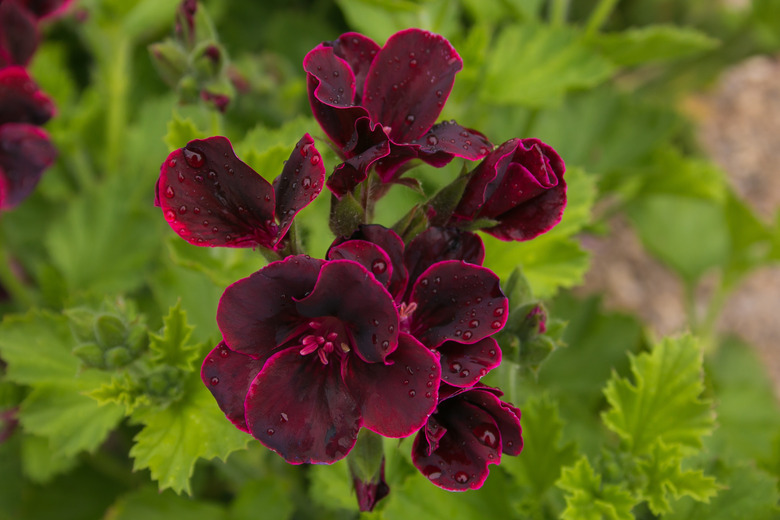
How To Care For Martha Washington Geraniums
How to Care for Martha Washington Geraniums. Martha Washington geraniums (Pelargonium domesticum) produce large, showy blooms in shades of pink, white, purple, red and yellow early in spring. Of all types of geraniums, Martha Washington is the most difficult to grow, and often won't bloom after the first spectacular display, especially if summer nighttime temperatures exceed 60 degrees Fahrenheit. For this reason, they work best as an indoor plant. Native to South Africa, they are also known as "lady geranium" or "regal geranium."
Read More


Lawn Care (1)
-

Why Are There Green Caterpillars In My Yard?
Why Are There Green Caterpillars in My Yard?. Several varieties of green caterpillars appear in your landscape for a number of reasons. Some attack the leaves on shrubs, trees and flowering plants, while others concentrate on lawn grass. The most common type lawn caterpillar is the sod webworm. Rather than a single variety of insect, this term encompasses more than 20 different caterpillars that eventually turn into moths.
Read More

Pest Control & Disease (3)
-

How To Kill Green Worms In A Garden
How to Kill Green Worms in a Garden. The presence of green worms in the garden is synonymous with declaration of war. That little beast is the larva of what soon will become a harmless butterfly or moth. But no matter what the critter's heritage, its current diet consists solely of plant material that you probably aren't interested in sharing. Some green worms are active during daylight hours, while others skulk around under cover of night. Cutworms, armyworms and tomato worms are among the most common garden larva, and the variety of your pest will vary depending upon your location. Take your garden back with simple pest-control home remedies.
Read More -

How To Get Rid Of Gnats In My Potted Plants
How to Get Rid of Gnats in My Potted Plants. Potted plants can be breeding grounds for gnats, especially the pesky fungus gnat. What's worse is that these annoying insects can be incredibly prolific during their rather short lifespans, generally only living a single week as an adult gnat. However, during this week, the gnat often lays up to 200 eggs. Needless to say, if left unchecked, your gnat problem could increase exponentially in a very short span of time. Thankfully, there are some relatively simple methods of dealing with gnats and protecting your potted plants.
Read More -

How To Identify The Tiny Green Bugs In Grass
How to Identify the Tiny Green Bugs in Grass. Few tiny green insects live in grass--most lawn bugs are darker in color or live underground. The tiny green bugs that infest your lawn could be leafhoppers, meadow spittlebug nymphs or grass mites. You can identify these insects by their physical characteristics and by the damage that they're causing to your grass. Study the insects under a magnifying glass and compare what you see to photographs and descriptions of the bugs in an insect field guidebook.
Read More


Produce (2)
-

-
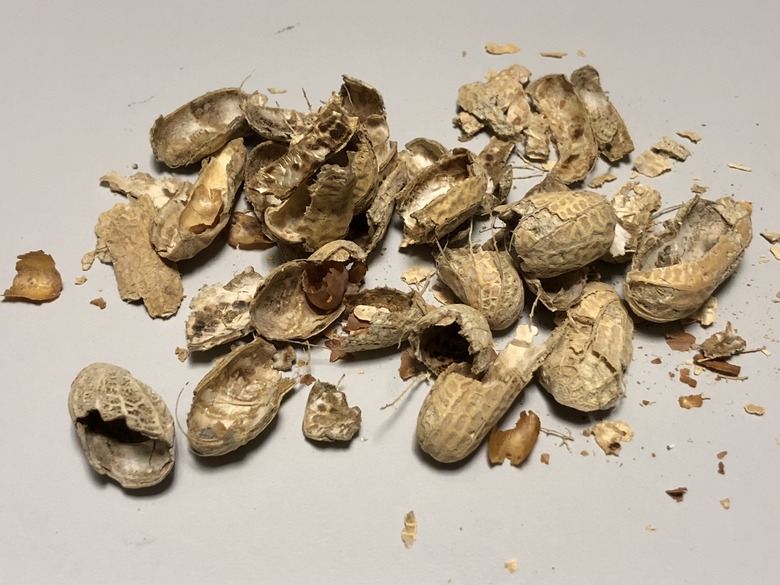
Uses Of Peanut Shells: Household And Commercial
If you love peanuts but have always thrown away the shells, you've been wasting a valuable resource. Peanut shells are used in the manufacture of soap, cosmetics, wallboard, plastics and linoleum, among other things. Scientist and educator George Washington Carver extolled the value of peanuts and their shells at the beginning of the 20th century. In the 21st century, scientists at Clark Atlanta University studied ways to use peanut shells to make hydrogen for fuel.
Read More


Trees (4)
-

How To Get Tree Sap Off Of Your Hands Or Car
How to Get Tree Sap Off Hands. Sticky tree sap can easily accumulate on your hands when handling a Christmas tree or even when cleaning the gooey stuff off of your car's hood after parking beneath a tree. There are chemical preparations to remove the sap-turpentine, gasoline, WD-40 and paint thinner among others. But not everyone wants to put those strong-smelling and toxic solvents on their skin. Try this more gentle method instead.
Read More -

-

-


