


Archive for January 2023
Back to Archive IndexFlowers (13)
-

-

Indoor Potted Plant Identification
Indoor Potted Plant Identification. Thousands of plants have been cultivated to grow indoors. Identifying house plants requires looking closely at their overall appearance and growth habits.
Read More -

How Do I Tell If The Hibiscus Bush I Just Bought Is Perennial Or Tropical?
How Do I Tell If the Hibiscus Bush I Just Bought Is Perennial or Tropical?. Perennial hibiscus plants are also called hardy hibiscus plants. The main difference between hardy and tropical versions of the plant are the temperature requirements. The tropical hibiscus requires a warm climate year-round. Whereas the hardy hibiscus can tolerate cold weather -- dying back to the ground during the winter months, and then shooting up again in the spring. Knowing the type of hibiscus plant you purchased allows you to care for it properly. If you live in a cold climate, expect to take extra measures to protect your new plant.
Read More -

-

-

What Plants Do Painted Turtles Eat?
What Plants Do Painted Turtles Eat?. The painted turtle (Chrysemys picta) is easily identified by the bright red and yellow colors that cover its head, neck and limbs that protrude from the shell. Painted turtles are common residents in ponds, lakes, rivers and other slow-moving waters across the United States. Painted turtles are omnivores. Juveniles are primarily carnivorous, but as the turtles mature they start to feed on more plant matter and rely on a number of aquatic plants for food in the wild.
Read More -

-

How To Care For Petunias Indoors
Indoor Petunia Care. Flowering petunias (Petunia spp.) come in a rainbow of colors and flower sizes suitable for indoor container growing. Grandifloras have blooms up to 5 inches across. Multifloras have smaller blooms but are more prolific than grandifloras. Millifloras have 1-inch blooms and a more compact plant size. There are also many spreading varieties.
Read More -

-

-

Is Basil A Perennial Or An Annual?
Is Basil a Perennial Herb?. Basil is a bright green and flavorful herb common to kitchen gardens. Basil is generally considered to be an annual plant because it cannot usually survive temperature drops between the fall and winter growing seasons.
Read More -

-

Insects That Eat Algae
Insects That Eat Algae. Algae are a sprawling green or blue-green group of organisms which belong to the Paraphyletic group. Like plants, algae uses chlorophyll to capture light and convert it to sugar; however, algae is not scientifically considered to be a plant. Algae is very beneficial to aquatic life as it intakes animal waste for its nitrogen, expels oxygen and provides food for various forms of aquatic life. While many animals, like salamanders and frogs, eat algae, many insects also consume the it.
Read More


Gardening (64)
-

Facts About Flowering Bougainvillea
Facts on Bougainvillea Flowers. The bougainvillea--also known as the "paper flower plant"--is a flowering perennial plant. The plant is native to South America and is named for a French explorer. There are many varieties of the bougainvillea, with blooms in a range of colors that include white, cream, pink, purple, orange, and bi-colored. Some popular varieties of the bougainvillea include California Gold, Texas Dawn, Jamaica White and Double Pink.
Read More -

How To Take Care Of A Cactus Plant
How to Take Care of a Cactus Plant. If you are lucky enough to have a cactus plant, you have one of the easiest plants to take care of. Cactus plants raised in pots need only three things: sun, food and water. Of the three, sun is the most important. Cactus plants, because they are desert plants, need only small amounts of water and the food they need can come from the soil or from a fertilizer applied occasionally throughout the year.
Read More -

The Life Cycle Of Pinto Bean Plants
Life Cycle of Pinto Bean Plants. Pinto beans are climbing beans that can reach heights of between five and six feet, according to "The Allotment Book," by Andi Clevely. Pinto beans are nutritious and high in fiber. They are incredibly easy to grow, but are very susceptible to frost damage, and should not be placed outside unprotected until the chance of frost has passed. The pinto bean plant's life cycle, from seed to seed, is between 90 to 100.
Read More -

How To Prune A Gardenia
How to Prune a Gardenia Tree. Gardenia shrubs can be shaped by pruning into various forms, including a tree silhouette. As tropical flowering perennials, gardenias should be pruned only in the the summer or early fall after flowering for the year has completed. Regular maintenance pruning to remove dying leaves and faded blooms should be done once a month around watering time to keep them looking tidy. Significant hard pruning should be done every year or less frequently if needed at all.
Read More -

Dwarf Peach Trees: Facts, Cultivars And Growing Information
Dwarf Peach Tree Varieties. Consider planting dwarf varieties of peach trees if you're short on space. Dwarf peach trees typically average 8 to 15 feet tall at maturity, and semi-dwarfs grow anywhere from 12 to 20 feet in height. Dwarf peach trees are well suited for small landscapes or containers. They usually bear fruit earlier than taller cultivars, and are easier to reach for harvesting and pruning.
Read More -

How To Care For Alternanthera
How to Care for Alternanthera. Alternanthera is highly praised for its colorful leaves and design. Known to gardeners as "Joseph's coat," the Alternanthera is a genus of around 80 different herbaceous plants in the amaranth family. Most commonly used as a ground cover, Alternanthera can be grown year-round if you live in planting zones 10 and 11 (very warm climates); however, in other areas Alternanthera is grown as an annual.
Read More -

How To Divide A Pineapple Bromeliad Plant
How to Divide a Pineapple Bromeliad Plant. Many bromeliads are grown as attractive, tropical houseplants, and one variety, the pineapple, is grown for its fruit too. Pineapples need warm temperatures year-round, but gardeners in cooler climates can still grow pineapple by planting it in a 5-gallon container and bring the container indoors when the weather gets cold. You can divide bromeliads like pineapples by removing the "pups"---shoots or suckers from the base of the plant---and repotting them to grow a new pineapple plant.
Read More -

Rowan Trees: Interesting Facts And Growing Guide
Rowan Tree Facts. The rowan tree (Sorbus aucuparia), commonly called the "mountain ash," grows native in the British Isles. In the United States the tree is grown as an ornamental. Rowan trees grow 30 feet in height with a rounding canopy growth habit. In the spring, white flowers cover the tree and bright orange-red fruit appear by midsummer. Numerous new cultivars offer diverse berry colors in pink, red and yellow. Fruit grows in large clusters of 40 or more berries.
Read More -

How To Care For Mamey Plants
How to Care for Mamey Plants. The mamey is a tropical fruit tree known as Mannea americana and Pouteria sapota, mamey sapote and South American apricot. It is native to the West Indies and northern South America. The tree can grow to 70 feet tall and it looks a bit like a magnolia. The fruit is large, resembling a small football, and the flesh is orange, a bit mealy when ripe, and only moderately sweet. The mamey must grow in a tropical climate, at an elevation no higher than 3000 feet. You can start this tree from its large seed, which will germinate within two months of planting. However, you'll do best with a young tree that has been started vegetatively to ensure that you don't end up with a male tree and to achieve fruit more quickly.
Read More -

How To Grow A Florida Mahogany Tree From Seed
How to Grow a Florida Mahogany Tree from Seed. The mahogany tree (Swietenia mahagoni) belongs in the family Meliaceae and is native to southern Florida. It is hardy in U.S. planting zones 10 and 11. This attractive, tropical tree is popular in landscapes throughout South Florida and is suitable as a large shade tree or a screen. Trees grow up to 50 feet high with the same spread and a symmetrical canopy. Inconspicuous green blooms form in spring followed by large, oblong seedpods holding a multitude of small, wing-like seeds. Gardeners will have success propagating mahogany seeds.
Read More -

-
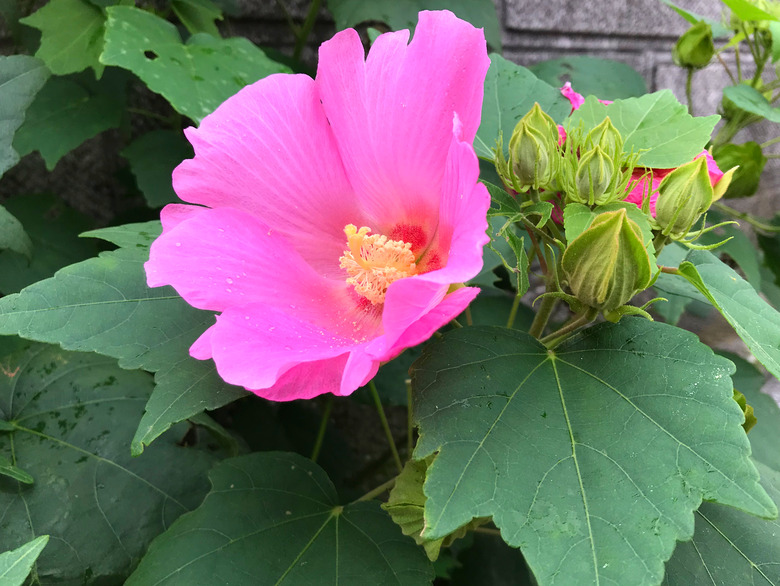
Beautiful Flowers Found In North And South Korea
Korean Flower Names. The peninsula of Korea is home to a number of flowering trees, shrubs and plants. Several of these flowering plants also grow well in the Western part of the world. Try a few of these plants in your garden to add a touch of home-grown Eastern beauty to your home.
Read More -
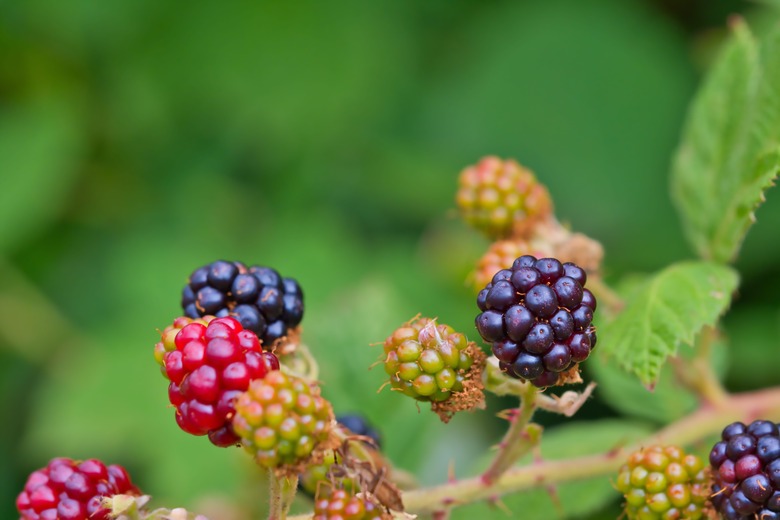
How To Identify Michigan Wild Berry Plants
Michigan Wild Berry Plant Identification. Michigan's forests, fields and swamplands play host to a number of wild berry species, including strawberries, blueberries and raspberries. Michigan wild berry plant identification requires a basic knowledge of each berry plant's characteristics.
Read More -

Dahlia Plants With Black Leaves
About the Black Dahlia. The black dahlia is a flower steeped in mystery and intrigue. Although the name Black Dahlia is well known, it may surprise you to know that in the flower world there is no such thing. In fact, there is no such thing as a true black flower. The color does not exist in the world of flowers. There are, however, a couple of dahlias that come close to this infamous shade and are perhaps the next best thing for the gardener who likes flowers that are a little dark and mysterious.
Read More -

What Is The Meaning Of Jonquil Flowers?
What Is the Meaning of Jonquil Flowers?. The pretty, little and fragrant yellow flower that blooms in March or April and resembles a daffodil is a jonquil. Its formal name is Narcissus jonquil, a species of the larger narcissus family. Small daffodil-shaped blossoms bloom in groups of two to six on slender stems that are approximately 16 inches tall. The fragrance of jonquil is stronger than any other narcissus species, making it a favorite of springtime gardeners.
Read More -
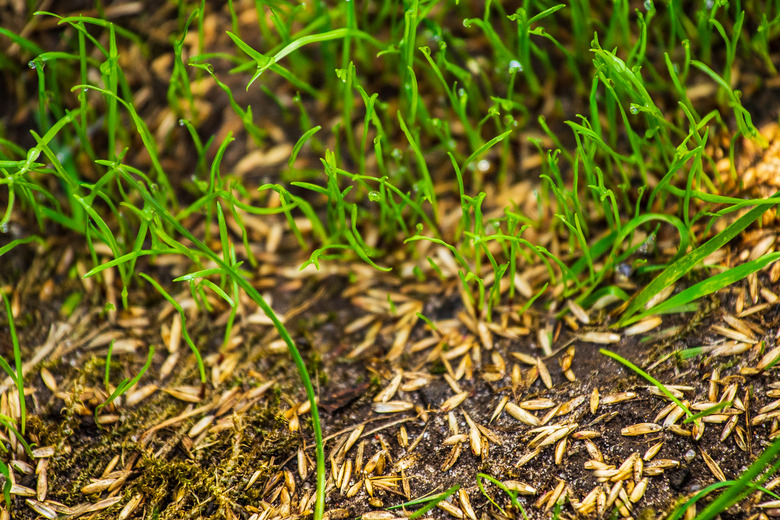
How To Put Lime Pellets Down With Grass Seeds
How to Put Lime Pellets Down With Grass Seeds. Lime doesn't just raise the pH of soil. It also supplies important nutrients like calcium and magnesium, reduces the soil's toxicity, and makes soil nutrients more available to the grass. All of these benefits make lime a great nutrient source for germinating grass seed. When seeding a new lawn, many homeowners choose lime pellets over powdered lime because they can easily be spread over the ground and are less likely to drift to areas where lime is not needed. But before you put lime pellets onto your lawn, first have the soil tested to determine exactly how much lime is needed.
Read More -
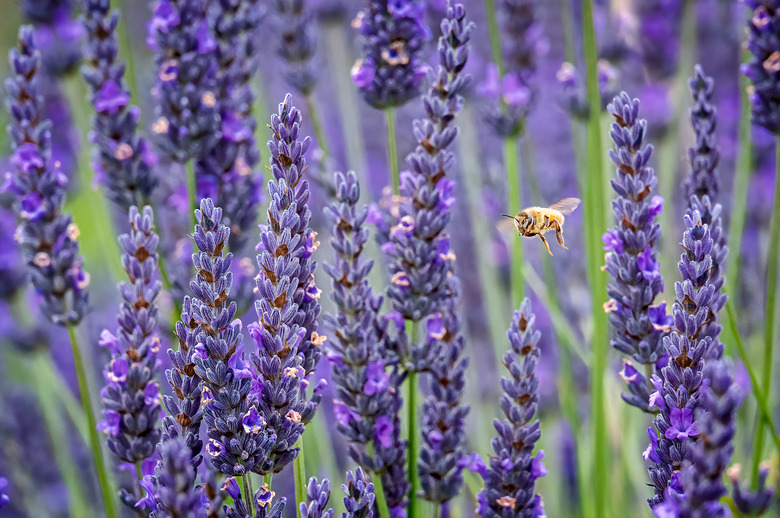
Plants That Look Like Lavender
Plants That Look Like Lavender. It's helpful to learn about lavender look-alikes, whether as perennial garden substitutes or simply as an identification tool. Purple or blue flowering spikes, silver needlelike foliage, and bushy growth are the three traits most people associate with lavender's visual charms. Several plants possess one or all of these traits. Although it grows happily in unfertilized and low-water gardens, lavender may fail in extremely cold or humid climates. Gardeners often turn to hardier plants like Russian sage or catnip to evoke the mood but none of the problems of lavender.
Read More -
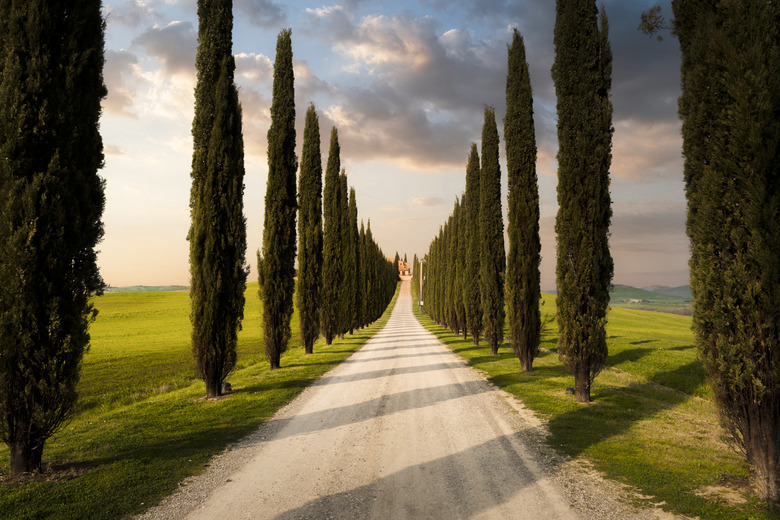
Information About Cypress Trees: Origins And Examples
Information on Cypress Trees History. The cypress (Cupressus sempervirens) is a legendary tree, not only because it can live 2,000 or more years, but because of its historical associations. For example, some reports say that a massive cypress tree in Soma, Lombardy, dates back to the birth of Jesus Christ, while others put its planting at about 40 years before.
Read More -

How To Remove Bermuda Grass From A Zoysia Lawn
How to Remove Bermuda From Zoysia. Zoysia is a species of warm season, perennial lawn grass known for its stiff blades, tolerance for drought and foot traffic and a relatively slow growth habit. When zoysia is invaded by bermuda grass, another warm season perennial grass, it can be challenging to eradicate, according to the University of California Davis. Optimal maintenance practices that benefit the zoysia as well as judicious use of herbicides can help to check and manage the bermuda grass infestation. A healthy a vigorous zoysia lawn is the best defense against bermuda grass or any other invasive species.
Read More -
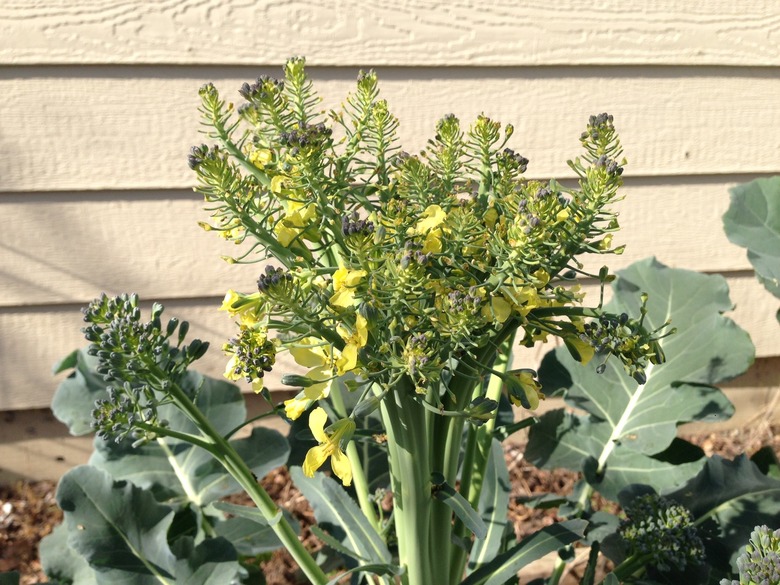
What Does It Mean If My Broccoli Is Flowering?
What to Do About Flowers on Broccoli Sprouts?. Broccoli is one of America's favorite vegetables. Broccoli consumption in the U.S. surpasses that of other vegetables of the same brassica family, such as cabbage, cauliflower and Brussels sprouts. Broccoli is a popular plant in home gardens. It grows easily from seed for those who like to start their own seeds early, and it is also available in garden centers as transplants. Some gardeners are plagued with less than adequate growing conditions, resulting in broccoli that rushes into flowering. Drought and heat can be major contributors to early flowering. Correct the conditions when possible, and learn to use the flowers.
Read More -

How To Winterize Bacopa Plants
How to Winterize Bacopa Plants. Bacopa plants are commonly grown in containers and as hanging baskets in regions across the country. This pretty annual tolerates the outdoors in hardiness zones 9 and 10, with good results. Other regions must plant bacopa in containers so the plants can be properly cared for over the winter months. Bacopa requires full sun and thrives in a well-drained loamy soil. Provided adequate care from spring to fall, these annuals can survive a winter to provide more blooms the next year.
Read More -
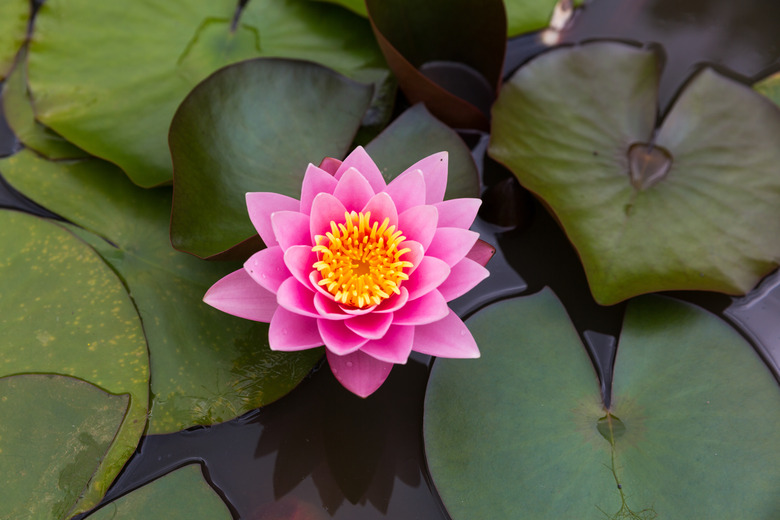
What Flowers Are Native To Thailand?
Flowers Native to Thailand. The lotus (bua, pathum and ubon in Thai) is probably the most common native flower of Thailand. It grows wild in the country's waterways. Descriptions of the lotus in Thai literature reflect its historical and cultural significance and its religious role as the flower associated with gods and goddesses. Yet it is just one of hundreds of species of flowering plants that find favor in a land famous for revering and exporting beautiful flowers.
Read More -

How To Germinate Rose Seeds
How to Germinate Rose Seeds. Roses are one of the most commonly grown flowering plants around the globe. They are prized for their wide variety of growing habits and showy flowers. Germinating rose seeds is a relatively easy process once you interrupt the dormancy of the seeds. However, keep in mind that growing roses from seed will not produce the same variety of rose from which you harvested the seeds.
Read More -

Why Does The Fruit Keep Falling Off My Holly Bushes?
How to Keep Berries From Falling Off My Holly Bushes. Holly berries are fairly persistent in clinging to Ilex tree and shrub branches, until winter weather or foraging birds finally displace them. Hollies are also quite susceptible to drought conditions, and though established plants survive drought stress, their way of coping can result in thinning and dropping of foliage and berries. Limiting premature berry drop centers on perfecting the cultural conditions for the plant so it is not under stress and driven to ration its limited resources. Moisture and nutrients are the keys and must be tended to year-round, particularly as the berries are forming. If berries are lost from the plant when young, they will not be replaced until the following year.
Read More -
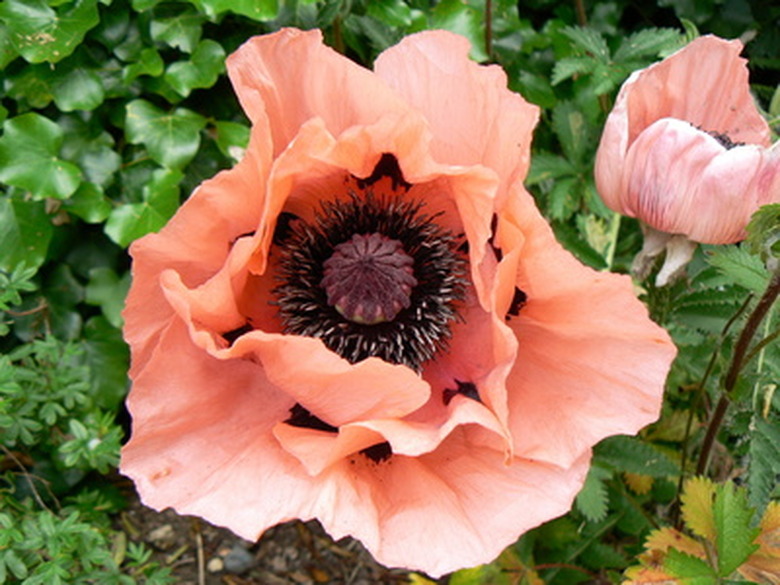
Tips On Planting & Growing Poppies
Tips on Planting & Growing Poppies. Oriental poppies (Papaver orientale) are the longest-lived of the poppies. According to a "Garden Gate Magazine" video, Oriental poppies can live almost as long as peonies, which can "last for generations." The alpine poppy is also a perennial. The National Garden Bureau lists the Iceland poppy (Papaver nudicaule) as a perennial, although the plant is short-lived and is often grown as an annual. Other species are biennial or annual and they self-seed.
Read More -

How To Care For Hanging Tomato Plants
How to Care for Hanging Tomato Plants. Though traditionally grown in the ground or in a regular plant pot, tomatoes can also be grown hanging upside down from suspended planters. This gravity-defying method of tomato farming has several benefits, including removing the plant from the various insect pests that roam the ground, making harvesting easier by placing the plants at eye level, and freeing up patio or garden space for other vegetables. With the right care of your hanging tomato plant, you and your family can enjoy a bountiful harvest of juicy tomatoes.
Read More -

Tall Yellow Perennial Flowers
Tall Yellow Perennial Flowers. Perennial flowers have the capability to spring up year after year fuller and healthier than the year before. Grown in dozens of varieties, tall yellow perennial blooms create bright bursts of color in a wide range of shapes, sizes and textures. Nestled as a backdrop among a cottage garden or grown in a cutting garden, tall perennial flowers help to define a space with their erect, commanding stems.
Read More -

How To Care For Indoor Foliage Plants
How to Care for Indoor Foliage Plants. Indoor foliage plants come in many shapes and sizes, and are generally easy to care for. They brighten up any room or décor. There's a seemingly endless variety of indoor foliage plants, so you're sure to find one that fits into your lifestyle and home decorating needs.
Read More -

Tips For Growing Poppies
Tricks for Growing Poppies. With their bright silky flowers, poppies bring early splashes of color to the garden. Poppies, which exist in annual, biennial and perennial varieties, are easy to grow from seed, and they require little maintenance if planted in a suitable location. The California poppy, an annual, and the Iceland poppy, a short-lived perennial, are poppy varieties known for longer bloom times, according to the Texas AgriLife Extension Service of Texas A&M University.
Read More -

How To Plant & Care For Huckleberry Bushes
How to Plant & Care for Huckleberry Bushes. Huckleberry bushes are berry bushes that grow to about the size of a bell pepper plant. Huckleberries are suitable for cultivation in the United States Department of Agriculture (USDA) Hardiness Zones 3 through 7. Huckleberry bushes grow well in full sun but are also tolerant of moderate shade. Huckleberries are green when immature and black when mature. Huckleberries have a flavor similar to a bitter tomato and are often made into sweet pies and jams. Because huckleberries are native to many parts of the country, such as the Pacific Northwest, you can sometimes use wild huckleberry patches as a source of bushes for your patch.
Read More -

How To Trim Rose Bushes Before Winter
How to Trim Rose Bushes Before Winter. Roses require pruning in the fall in preparation for winter, particularly in colder climates. The bulk of rose pruning for shape and size should be conducted in the spring, according to Ohio State University Extension. Fall pruning ensures the rose plant makes it through the winter healthy and in the best condition possible. Trim rose bushes in the early to mid-fall after blooming and at least six weeks before the first hard frost.
Read More -

How To Care For Sick Bamboo Plants
How to Care for Sick Bamboo Plants. Bamboo plants are beautiful and can be formed into spiral designs. They grow in water and can be held upright with rocks. Bamboo is easy to take care of as it needs little indirect sunlight and weekly watering. However, just like any other living thing, it can become sick. Signs of a sick bamboo plant are yellow leaves, yellow stalks, algae growth, and curling leaves. On the bright side, you can care for your sick bamboo plant and completely revive it.
Read More -

Plants Of Argentina: Trees, Flowers, Grasses And Cacti
Plants & Flowers of Argentina. The geography of Argentina, the eighth largest country in the world, is widely varied. There are subtropical and rain forest areas, savanna-like plains, rocky barren areas, coniferous temperate zones and sub-polar regions. The plants and flowers of Argentina are as widely varied as the geography and climate of the country. One list simply could not contain them all. There are a few notable plants and flowers in Argentina that capture the minds, attention and interest of many.
Read More -

The Best Fruit Trees For Deer In Pennsylvania
The Best Fruit Trees for Deer in Pennsylvania. Pennsylvania's range of hardiness zones make the state ideal for growing a variety of fruit trees that attract deer. A deer's strong sense of smell helps it find ripe fruit still on the tree or on the ground, but deer also like to nibble new spring growth on fruit trees. Provide new trees with protection from foraging until the trees establish themselves. For best results in attracting deer, consider growing small groves of the fruit trees deer love most.
Read More -

How To Take Care Of Wild Blackberries
How to Take Care of Wild Blackberries. Wild blackberries are rich in vitamin C and they taste delicious, so they're ideal to eat as fresh fruit, make into jams or sauces, and incorporate into desserts. Wild blackberry plants are tall and thorny, with arching canes that produce juicy, plump, dark berries and white to pink flowers. Most often, wild blackberry bushes flourish along roadsides with bushy thickets and thick vegetation, as well as in fields, near the ocean shore, in woodlands or on mountains. Once you find a blackberry bush, you can take care of it for your own supply of fruit harvest each season.
Read More -

Common Flowers In Korea
Common Flowers in Korea. Korea is located in Northeast Asia on the Korean Peninsula, and is surrounded by countries such as China and Russia. The Korea Strait separates Korea from Japan, which is to the east. Korean gardens are highly influenced by those from China, and tend to have a minimalistic and subtle style.
Read More -

Trees Similar To A Weeping Willow
Trees Similar to a Weeping Willow. Weeping willow trees are well known for their majestic and beautiful branches, which add striking visual appeal to the landscape. However, not all landscapes offer ideal conditions for a weeping willow. These trees need plenty of room to grow and they have aggressive root systems, which can damage drainage pipes. Luckily, a number of other trees can be planted near the home that won't intrude on drainage and underground waterways but still offer the grace and aesthetic values associated with the weeping willow.
Read More -
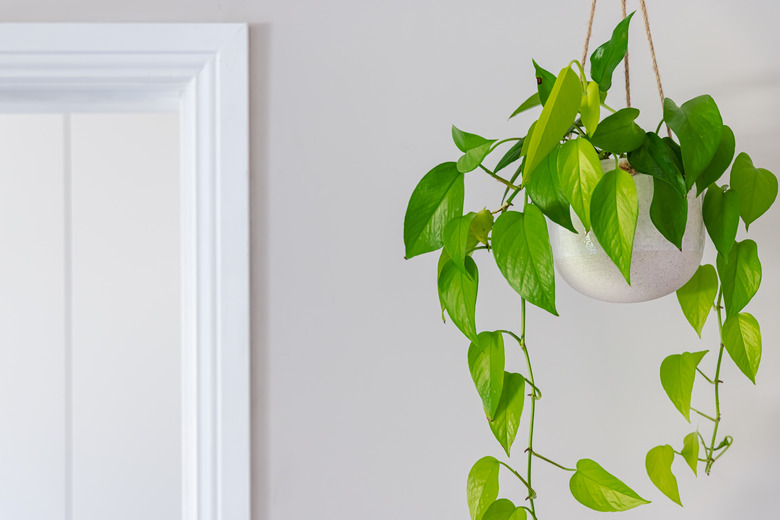
A Guide To Caring For Indoor Ivy Plants
Indoor Ivy Plant Types. When searching for indoor ivy plant types, realize that their versatility is twofold; not only is there variety in ivy cultivars for indoor use, but the way in which ivy can be displayed is also diverse. They can be potted, hung in baskets, placed on a trellis, or used in topiary, according to the Clemson University Extension. Indoor ivy thrives in bright, indirect sunlight and prefers nutrient-rich houseplant potting mix with good drainage.
Read More -
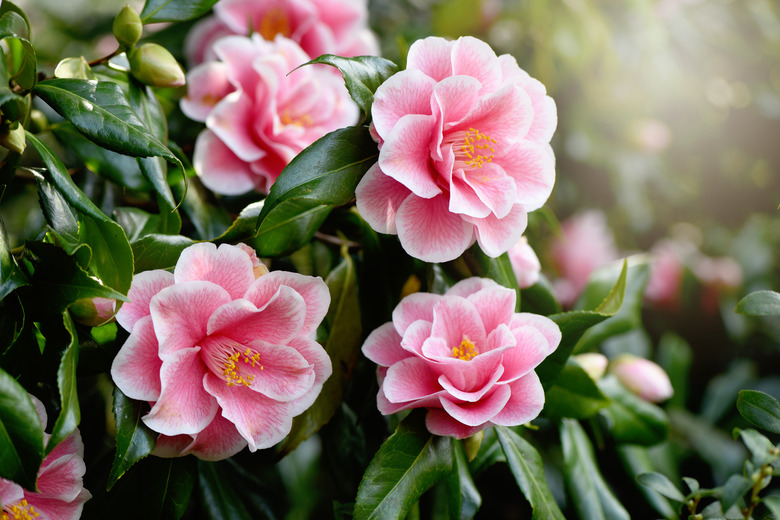
How To Revive An Old Camellia Bush
How to Revive an Old Camellia Bush. The camellia, with its dark, glossy green leaves, is a slow growing evergreen bush that can reach a height of 15 feet. Large blooms of white, pink, red or purple appear in late winter in colder regions, making the camellia bush a sought after addition to the landscape. Thriving in part shade to full shade, with proper care, a camellia will be healthy and keep delivering blooms year after year. Pruning after the bush blooms and before new growth appears can help to revive an old camellia bush.
Read More -

A Guide To Various Colors Of Bougainvillea Flowers And Bracts
Different Colors of Bougainvillea Flowers. Bougainvillea is an evergreen shrub vine that offers vibrant colors and thrives in zones 9 to 11, where temperatures rarely reach freezing. This vine can be trained to grow along fences or pergolas, used as a hanging plant or as ground cover. Popular in South Florida, Southern California and other nearly tropical locations, bougainvillea should be planted in full sun and get regular watering. Bougainvillea is available in a wide range of colors, including purples, reds, pinks, yellows and whites.
Read More -

How To Care For Fuchsia
How to Care for Fuschia Plants. The fuchsia is a perennial flowering tree or shrub. Also known as lady's eardrops, the fuchsia has long, delicate, hanging stems loaded with purple and pink pendulous blooms. It grows in the garden as a bush or shrub, but also does well in a pot or hanging basket. According to Ron Monnier of the American Fuchsia Society, growing a beautiful and healthy fuchsia plant "boils down to some very basic premises." As long as the plant gets lots of food, lives in moderate temperatures and the roots remain somewhat cool, it will thrive.
Read More -

How To Plant Key Lime Trees
How to Plant Key Lime Trees. Key lime trees are cold-sensitive, so they should only be planted in the warmer tropical and subtropical areas of the country. They will grow best outdoors in zones nine and higher. In colder areas, it is best to grow the key lime in a container that can be brought inside when signs of frost are present. Planting a key lime tree is not that difficult and follows the same basic steps as planting other varieties of citrus.
Read More -
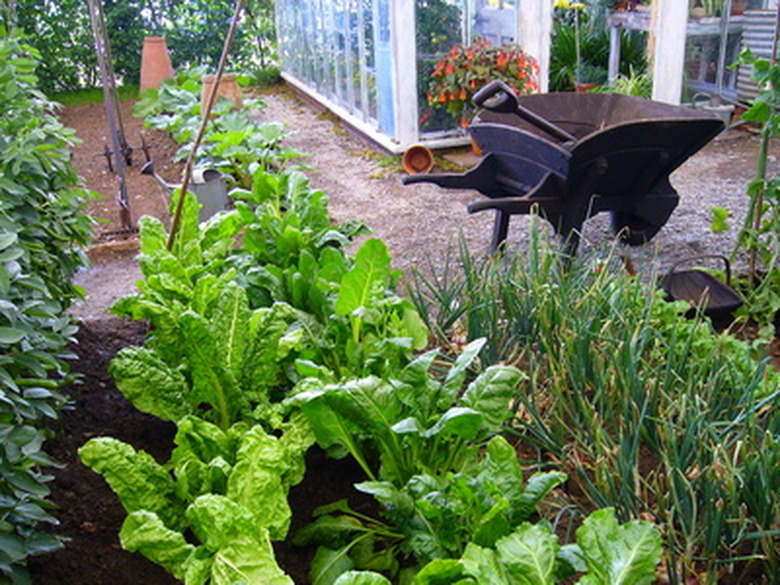
How To Make Sandy Loam Soil
How to Make Sandy Loam Soil. Sandy loam soil is a very desirable soil when planting garden plants. Sandy loam has a light, airy texture and a rich, medium-dark color. The texture of sandy loam allows oxygen to reach the roots of the plants, where it can be put to good use. The sand allows adequate drainage, while the loam retains moisture for plants to use later. By testing her soil and making some amendments, the average gardener can make her own sandy loam to improve the health of her garden.
Read More -

How To Care For Joseph's Coat
How to Care for Joseph's Coat. Joseph's coat--known botanically as amaranthus tricolor, and colloquially as "Love Lies Bleeding" or Chinese spinach--is an edible herb named for its unusually bright and varied coloring. Joseph's coat is grown from seed as an annual in beds and borders and mass carpet plantings. Depending on the varietal, the leaves will combine two of more hues of yellow, red, purple, green and deep cerise pink. The individual leaves can be variegated in stripes of color, as can the entire plant. It is a jaw-dropper in the garden that easily steals focus from even the showiest blooms.
Read More -

How To Plant & Grow A Peach Pit
How to Plant & Grow a Peach Pit. According to Ohio State University, peaches are considered the queen of fruits and are second only to apples in production, sales and consumption in the United States. A peach pit can be planted in your own backyard to grow into a tree, but most commercial peaches are hybrids. If you plant a peach pit to grow a peach tree, your tree will not produce fruit that is like the kind that you got the peach pit from. Peach pits also require a chilling and stratification process before they will grow into a tree.
Read More -

What Herbicides Will Kill Bamboo?
What Herbicides Will Kill Bamboo?. An herbicide is a naturally occurring or chemically created compound that kills specific plants. Herbicides are available for killing everything from moss to water plants. Bamboo is quick growing and even faster spreading, using runners to spread out over large distances. Bamboo is also highly resistant to most herbicides, which must be applied in specific ways in order to completely eliminate the bamboo.
Read More -

How To Preserve Flowers
How to Preserve Dead Flowers. Flowers are a lovely reminder of certain moments in your life, such as a wedding bouquet or an arrangement of flowers sent to you by a loved one, or maybe they are just flowers you picked from your garden. Once you pick a flower, it begins to die. However, you can preserve your dead flowers with a few household products.
Read More -
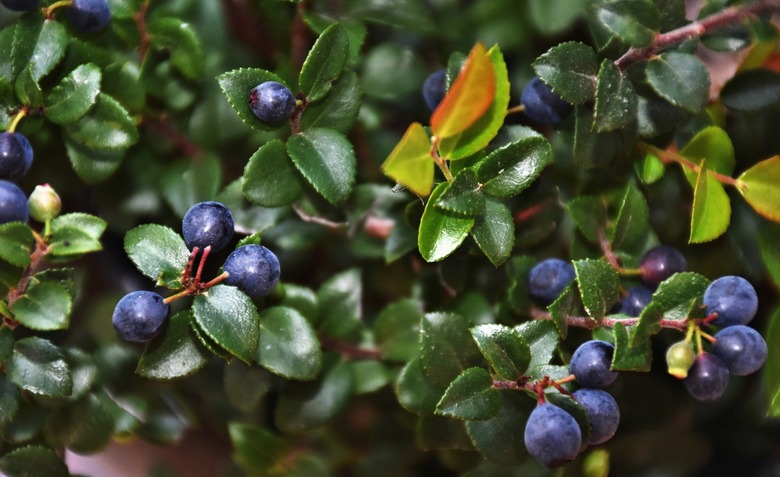
How Should Huckleberries Taste?
How Should Huckleberries Taste?. Huckleberries look very much like large, wild blueberries. The huckleberry bush grows best in full shade. Although it grows to 2 to 3 feet tall in full sun, it can reach 10 feet tall in full shade. Wild huckleberry bushes are commonly found under coniferous trees in the Pacific Northwest. Their flavor is unusual. Huckleberries are often used in local cuisines where the berries grow wild. They grow best in U.S. Department of Agriculture hardiness zones 7 through 9.
Read More -

How To Transplant Hibiscus Trees
How to Transplant Hibiscus Trees. Hibiscus is classified as a shrub. A hibiscus tree is a shrub that has been carefully pruned from infancy to grow in the shape of a tree. The large flowers of the hibiscus provide color and attract hummingbirds to the landscape. Hibiscus is a tropical plant, it grows well outside all year in regions where the soil and air temperatures never drop below 50 degrees Fahrenheit, according to Clemson University. Transplant hibiscus during the cool season. Transplanting is stressful for any plant; high temperatures and excessive sun can wilt a stressed hibiscus.
Read More -
Pea Plant Information: A Guide To Growing And Harvesting
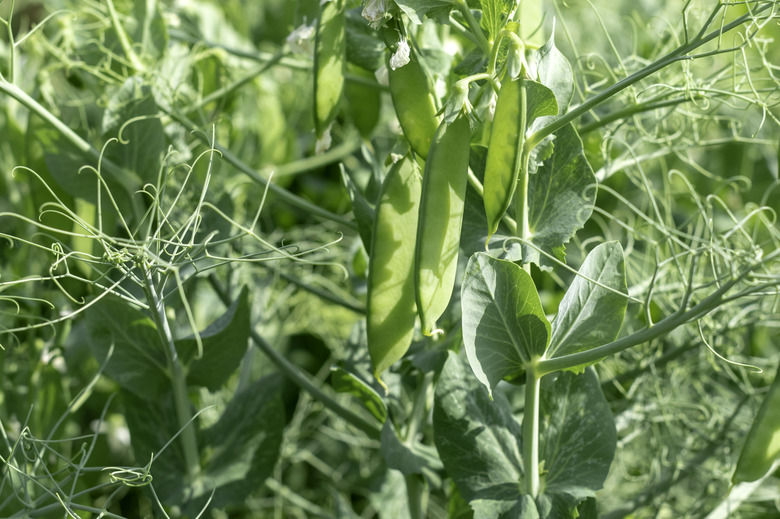
Pea Plant Information. Peas are one of the oldest food crops grown in the world, according to the University of Arkansas. These versatile vegetables can be canned or eaten fresh, cooked or dried and eaten as a snack. Most peas grown in the home garden are cultivars of the English pea (Pisum sativum), which is often simply called the "garden" or "common" pea.
Read More -

Xeriscape Design Ideas For Florida
Xeriscape Design Ideas for Florida. Xeriscaping gives Florida gardeners a vast number of plant choices. From muhly grass to bromeliads, low-maintenance plants come in all textures, sizes and colors. The key idea of xeriscaping is selecting "the right plant for the right spot." The ideal xeriscape design remains essentially maintenance free once established. While gardeners often use cacti for xeriscaping in dry areas, many plants and flowers flourish in Florida xeriscaping.
Read More -

Different Types Of Flowering Cactus
Different Types of Flowering Cactus. While there are a number of flowering cacti varieties, they can be divided into three basic types. Each shares common characteristics, such as being easy to grow, blooming at night and possessing dense flowers with sweet aromas. Though their natural habitat is the desert, many cacti varieties can be grown as house plants.
Read More -

How To Care For Heather Plants
Heather Plant Care. The heather plant (Calluna vulgaris), commonly called Scottish heather, grows as an evergreen broad leaf shrub with a height of approximately 3 feet and a spread of 3 feet, but a few varieties form small tufts barely 4 inches in height. From June to August the plant produces an abundance of pinkish-purple flower terminals that average 2 feet in height. A few varieties offer foliage shades of red, orange and bronze in the winter.
Read More -

-

How To Prune A Dwarf Weeping Cherry Tree
How to Prune a Dwarf Weeping Cherry Tree. A dwarf weeping cherry tree adds color and character to many landscapes. Prune and trim cherry trees annually to keep them in peak health and form. Although most stone fruit trees should be pruned in the winter, prune weeping cherries in the summer after they have flowered to avoid Silver Leaf disease. By reducing the dead wood and excess branch load on the tree, you ensure that more of the tree's resources go to flowering and trunk growth, thus encouraging more flowers and a healthier tree.
Read More -

The Root System Of Oak Trees
The Root System of Oak Trees. The majestic oak trees belong to the Quercus genus and are supported by well-adapted sustainable root systems. There are hundreds of oak species around the world that thrive in dry soils, in wetlands, along banks and in a variety of soil types. Once the acorns fall in the autumn season, the rooting systems of new oak trees begin to develop and when left undisturbed, oak trees can live for more than 1,000 years.
Read More -

Cherry Tree Leaf Identification: Edibles And Ornamentals
Cherry Tree Leaf Identification. Cherry trees are a valuable addition to any landscape. Their rounded, open shape, lovely spring blossoms and smooth, glossy bark are easily recognizable. Cherry trees tolerate a range of soil conditions, making them an ideal street tree. Ornamental cherry trees line the streets of many U.S. cities, including Washington, D.C., for this reason. Annual cherry blossom festivals throughout the United States herald this spectacular tree.
Read More -

How To Grow Pinto Beans
How to Grow Pinto Beans. Pinto beans are members of the same family as all beans: Phaseolus vulgaris. Pinto beans are medium in size and oval-shaped, usually having darker spots on the beige bean. They are good beans to grow if you live in a hot, arid area because they are drought tolerant. Pinto beans are dry beans and usually give higher yields than their green cousins give and you can harvest them fresh or dried. Growing pinto beans will not be that difficult providing you following the planting requirements and needs of the plant.
Read More -

Plants For The North Side Of The House
Plants for the North Side of the House. No matter what part of the country you live in, the north-facing side of your home is largely without sunlight. That fact, coupled with exposure to north winds, make choosing the right plants for a landscaping project in a north side garden more difficult. Fortunately, there are many types of plants that will not only thrive under these conditions, but give your home added beauty and value as well.
Read More -
Examples Of Bush Or Shrub Plants
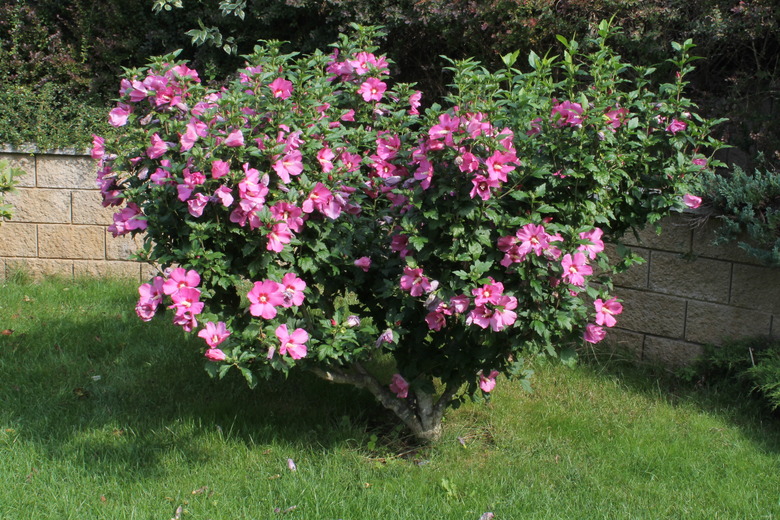
Examples of Bush or Shrub Plants. Bushes or shrubs are an ideal landscape plant to use around the home and garden for height, texture and year-round color. As an evergreen shrub, they provide warmth and foliage color throughout the year, including winter. Grown in a wide range of shapes, sizes and bloom colors, bushes also make ideal screening or barrier plants when grown in masses along the landscape. Tucked along a front entrance or lining the driveway, flowering shrubs help to provide a focal point to the landscape.
Read More -

-

What Berries Look Like Blackberries?
Berries That Look Like Blackberries. Blackberries are compound fruits that grow wild and cultivated throughout the world. The blackberry is a distant cousin to the rose, and like the rose it produces flowers and fruit on thorny canes. The primary characteristic of blackberry fruit is that it is an aggregate fruit, meaning that it is composed of a cluster of smaller fruit known as drupelets. Because blackberries are the most well-known of the aggregate fruits, other aggregate berries often are compared to the blackberry.
Read More -

How To Identify Thistle
How to Identify Thistle. Thistles belong to a large plant family and are mostly native to Asia and Europe. Thistles may be part of the Cirsium, Carduus, Carthamus or Onopordum genus. Some thistles are considered noxious weeds or invasive plant species because of their vigorous reproduction and sometimes toxic qualities. Some thistles are not considered invasive, mostly because their spread is naturally controlled by native plants or certain feeding insects. Proper thistle identification is important in knowing whether the plant's presence warrants any control measures.
Read More -

Florida Palm Trees & Their Fruit
Florida Palm Trees & Their Fruit. Palm trees are plentiful in Florida, especially in the southern part of the state. In addition to adding beauty and structure to landscapes, some palm trees bear edible fruits. Dates are the most popular of the palm tree fruits, but several other varieties of palms also bear delicious fruits.
Read More


Pest Control & Disease (4)
-

Southern Magnolia Tree Diseases
Southern Magnolia Tree Diseases. The southern magnolia (Magnolia grandiflora) is a lovely ornamental tree that's commonly grown in landscapes located in mild-winter regions. Southern magnolias bloom in huge, showy, saucer-shaped flowers that are extremely fragrant. Although the southern magnolia tree is rarely bothered by harmful insects, it is susceptible to several bacterial and fungal diseases.
Read More -

How To Get Rid Of Inchworms In The Garden
How to Get Rid of Inch Worms in the Garden. Inchworms are not actually worms, but moth larvae--better known as caterpillars. Inchworms are indeed pests in the garden because they eat plant leaves, especially vegetable plants. They also infest trees and eat their leaves, sometimes causing serious and irreversible damage. Many types of caterpillars are referred to as inchworms, including the cankerworm. Inchworms typically appear in either the spring or fall.
Read More -

How To Keep Squirrels From Eating Your Flowers
How to Keep Squirrels From Eating Flowers. Squirrels look innocent and cute, but in actuality they can cause a significant amount of damage to your flowers. Squirrels are notorious for digging up flower bulbs. What's worse is that once the squirrels find a food source on your property, they can make their way into your home looking for shelter. Fortunately, there are some things you can do to keep the squirrels out of your flowers, and away from your home.
Read More -

How To Keep Squirrels Out Of Your Peach Tree
How to Keep Squirrels Out of My Peach Tree. If you have ever seen a bunch of massacred peaches on the ground or discovered bites taken out of the fruit still on the tree, you know that squirrels are nearby. Not only do squirrels make a mess, but they ruin peaches that have not even had the chance to ripen. Fortunately, solutions to this problem do exist. By using a combination of tactics, keep squirrels out of your peach tree to ensure that you have a successful harvest.
Read More


Trees (2)
-

-

Braided Hibiscus Directions And General Care
Braided Hibiscus Directions. The braided hibiscus is a small tropical tree often used to decorate patios and indoor areas. This kind of tree has a braided trunk that is composed of several interwoven coils. This does not occur naturally. Instead, the grower must actually train the branches to coil around each other to form a tree-like shape rather than simply growing out. Horticulturists do this with the help of a support. You can buy already braided hibiscus from many stores, but doing it yourself can be a fun adventure.
Read More

