


Archive for March 2022
Back to Archive IndexFlowers (89)


How To Prune My Shrubs Into Shapes
How to Prune My Shrubs Into Shapes. Cutting shrubs with dense growth such as boxwood into ornamental shapes is an art known as topiary. Topiary shapes range from simple spheres, cones and squares to fanciful designs such as peacocks, bears and even faces. Incorporating a topiary shrub into a landscape gives it a structural element that helps to balance strong architectural elements such as a heavy fence or wall. Though pruning topiary may seem intimidating, it can actually be quite simple.
Read MoreGreat Basin Desert Plants
Great Basin Desert Plants. With temperatures ranging from a frigid -30 degrees F all the way up to 116 degrees F, and 7-12 inches of annual precipitation, it's a small wonder that over 800 plant species thrive in the Great Basin Desert. This high-elevation desert covers most of Nevada and western Utah and extends into eastern California, southern Oregon and southwestern Idaho. Plant communities found within the Great Basin vary widely because of the many micro-climates found there.
Read More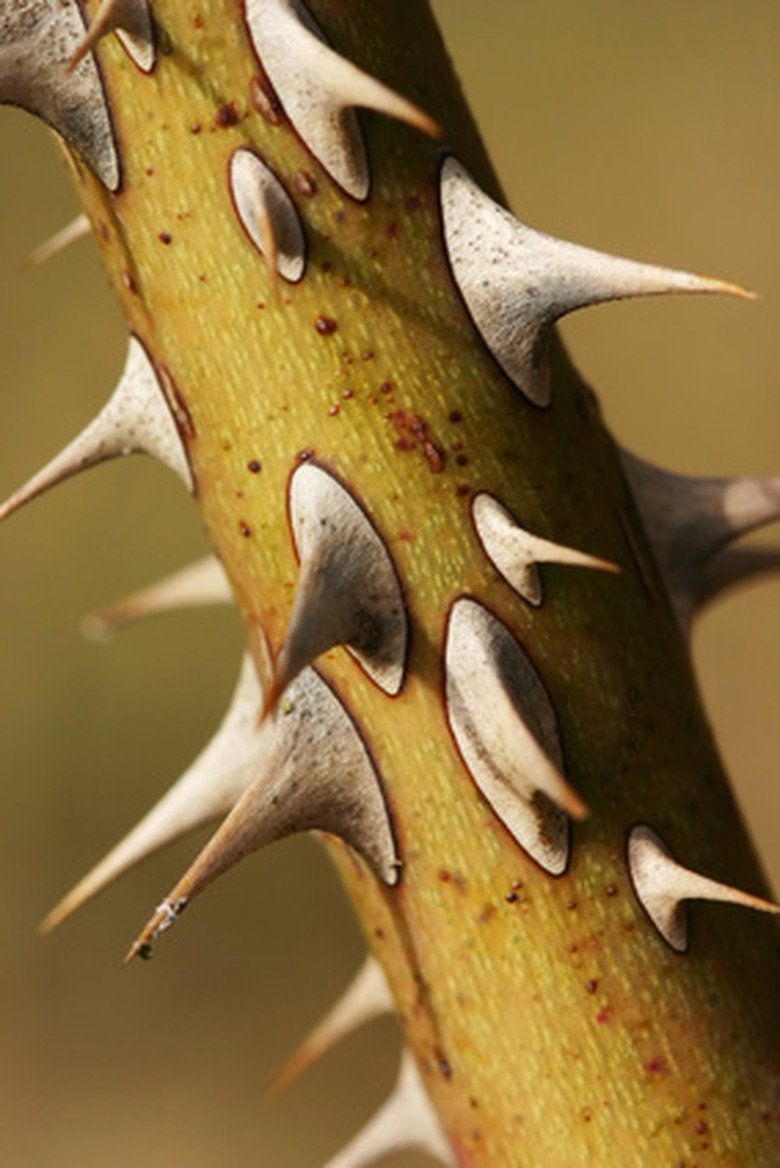
Names Of Plants With Thorns
Names of Plants With Thorns. Thorns are plants' protective barrier that helps them escape being devoured. Herbivores enjoy munching on plants. However, plants with a thorn barrier are less likely to be eaten. Thorns are located in many areas of the plant. Plants like agave and roses have sharp thorns growing on their stalks and stems, while other plants have coarse spines edging their leaves.
Read More
List Of Ten Endangered Plants In Palawan
List of Ten Endangered Plants in Palawan. Palawan is a veritable plant and animal paradise in the Philippines. The province is home to thousands of rare plant species. Logging almost completely deforested Palawan before legislation and conservation efforts quelled it. However, mankind had already disrupted the balance of the ecosystem and experts marked many plants as threatened or endangered. Numerous bio-habitats, such as beach, rain forest and arid lowland forests, comprise Palawan. The endangered species lists need to be managed to preserve the variety of life in Palawan.
Read More
How To Trim Inkberry Shrubs
How to Trim Inkberry Shrubs. Inkberry (Ilex glabra) is an evergreen shrub in the holly family. Its deep blue berries are the color of ink, giving the shrub its descriptive name. Inkberry shrubs can be used immediately in front of the house and are often used in combination with other evergreen shrubs in the landscape. Like most shrubs, inkberry can become overgrown, blocking windows or reaching into walkways. Trim inkberry shrubs the same way you prune other holly shrubs. With inkberry, it's best to prune during the winter when the shrub is dormant. Consider pruning in December when the cuttings can be used for Christmas decorations.
Read More
How To Grow Begonias In Texas
How to Grow Begonias in Texas. The wax-leaf begonia (Begonia x semperflorens-cultorum) is a desirable blooming plant for Texas landscapes because they tolerate sun and shade as well as temperature extremes. It is a perennial plant along the coastal regions of Texas and grown as an annual in the rest of the state. The plants are usually purchased in the spring as bedding plants. Many varieties of wax-leaf begonias are available, blooming in red, yellow, orange, pink or orange. Some varieties have dark green leaves while others may have red, burgundy or even variegated leaves.
Read More
List Of Plants In Temperate Grasslands
List of Plants in Temperate Grasslands. Temperate grasslands consist of either prairies with tall grasses or steppes with short grasses. Each type contains a wealth of flowers and other flora. Prairies also have groves of trees that grow alongside streams and creeks. The plants in grasslands offer a wide variety of resources for the birds, animals and insects that rely on them for shelter, food and nesting habitats.
Read MoreHow To Grow Rose Of Sharon Bushes From Seed
How to Grow Rose of Sharon Bushes From Seed. A beautiful and vigorous plant, the rose of Sharon can be started from cuttings, division, or from seeds. If you don't know how to grow rose of Sharon bushes from seeds, it may take a few tries to maintain moist soil, but starting the seeds is relatively easy. Gather seeds directly from the plant and sow right away or store in a cool, dark place until you are ready to grow your rose of Sharon bushes.
Read More
Types Of Purple Orchids
Types of Purple Orchids. The Orchidaceae genus is a vast family of flowering semi-tropical perennial plants with more than 25,000 species in existence, 100,000 hybridized cultivars and many hundreds of varietals that are commonly bred and sold commercially. Orchids bloom in a wide range of colors from crisp snow white to deep purple black and every hue in between. They can be solid in color, spotted with color, sectioned into color blocks and can have throats that contrast with the petal coloration. Many orchids are known for their beauty in the purple hues.
Read More
What Is Good For Killing Creeping Charlie Weeds & Clover?
What Is Good for Killing Creeping Charlie Weeds & Clover?. Creeping Charlie and clover are perennial broadleaf weeds. Creeping Charlie (Glechoma hederacea), a member of the mint family, arrived in the United States via the Europeans for use as a ground cover. The plant, with its attractive, bluish-purple, funnel-shaped flowers, quickly became the bane of manicured lawns, due to its invasiveness. Many clovers are native to North America and are as invasive as creeping Charlie. The most common clover found in American lawns is white clover.
Read MoreHow To Prune Barberry Shrubs
How to Prune Barberry Shrubs. One ornamental shrub stands out as a hardy, beautiful addition to your landscape. Gardeners adore barberry shrubs for their stunning foliage ranging from deep green to magenta and for their attraction to birds as a place of refuge. These lovely bushes thrive in full sun and can tolerate just about any kind of pruning a gardener can imagine. The barberry shrub has extremely sharp thorns that can cause considerable damage to unsuspecting hands. Let's look at how to safely prune barberry shrubs.
Read More
How To Propagate A Purple Passion Plant
How to Propagate a Purple Passion Plant. The purple passion plant (Gynura aurantiaca) gets its common name from the deep purple coloring of the stems and leaves. The coloring is not actually contained in the stems and leaves, but on tiny, purple, hair-like growths that emerge from them. These projections also give the plant a velvety feel. The purple passion plant is most often propagated by cuttings, which root quickly if the proper growing conditions are maintained.
Read MoreNative Plants Of Morocco
Native Plants of Morocco. The Mediterranean climate of the North African Kingdom of Morocco combines the warmth of the desert with the cool breezes of its coastal areas. Morocco's unique mountainous ranges and forest landscapes are home to thousands of different plant species, many of which are unique to the Mediterranean area. Beyond their beauty, many native plants in Morocco are edible, used for medicine or produce materials for traditional crafts.
Read More
How To Prune Mahonia
How to Prune Mahonia. Mahonia is a genus of flowering and fruiting evergreen shrubs with more than 70 species in it, according to Floridata. Native to China, the shrubs thrive in USDA zones 6 through 9 and do not require pruning for health or performance, save to remove dead or damaged tissues. The shrub can tolerate pruning, and the form of the shrub can be altered considerably according to your taste and to suit the planting site. According to Purdue University, any significant pruning for shape or size should be conducted in the early spring before new growth appears.
Read More
Bougainvillea Vs. Torch Bougainvillea
Bougainvillea vs. Torch Bougainvillea. Bougainvillea and the bougainvillea variety 'Torch Glow' are both are woody vines of tropical and subtropical origin. Placed in full sun or light shade, in a well-drained, acid soil, these plants need little maintenance and are not usually bothered by pests. In fact, they flower better under stress. Tolerant of low-water conditions, the plants are most showy in a dry and root-bound state. These flowering evergreens also produce thorns, so they are best planted away from high-traffic areas.
Read More
Basil Plant And Mites
Basil Plant and Mites. Basil (Ocimum basilicum) leaves fresh from the garden are a classic summertime treat, and the annual herb obligingly moves indoors to a sunny windowsill to keep the harvest coming in winter. But sometimes colonies of tiny spider mites move indoors along with the basil plant. Spider mites flourish in hot, dry conditions, and either sun- or furnace-generated heat will do. Once they strike, only a quick response prevents mite numbers from exploding.
Read More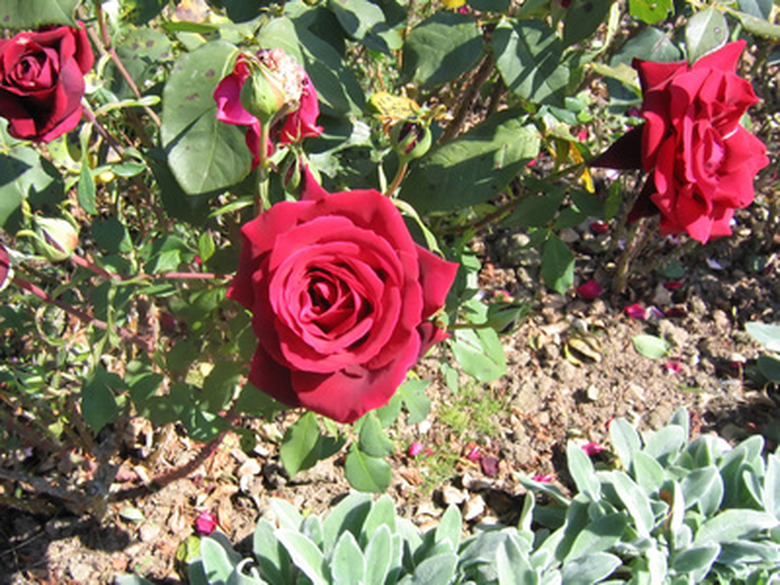
How To Prune Rose Bushes In Florida
How to Prune Rose Bushes in Florida. Pruning roses in Florida calls for the same procedure as pruning roses elsewhere. The difference is in the timing. If you live in northern or central Florida, prune your roses in the winter (December or January). Southern Florida gardeners will need to prune twice a year, once in March and then again in late August. Keep in mind while pruning that all dead and diseased wood should be removed to its point of origin. When cutting newer wood, never remove more than half of the cane and make the cut back to an outside-facing eye. This is the area on the cane directly above a leaf or a leaf node. Cut the cane right above an eye that is facing outside the plant.
Read More
Purple Flowering Plants In Maine
Purple Flowering Plants in Maine. Maine offers a wide array of wildflowers, both native and introduced. Throughout the state wild lupine, trillium and other plants thrive. Some have become endangered, being pushed out by introduced species. Maine gardeners can help their native plants and wildlife by using native species in their gardens.
Read More
How To Grow Monstera Deliciosa
How to Grow Monstera Deliciosa. Monstera deliciosa is also called windowleaf, split-leaf philodendron and the Swiss-cheese plant. This fast growing broadleaf vine develops a thick stem of 2 to 4 inches around. The vines can reach 70 feet long. The heart-shaped leaves are 3 feet long and 2 to 3 feet wide. The leaves are deeply split along the edges. Monstera deliciosa is native to Mexico, Guatemala, Costa Rica and Panama, growing in the hot, humid, tropical forests. This vine is commonly grown as an ornamental plant in the landscape in warm climates or in containers as houseplants.
Read MoreIn What Season Is Hail Most Prevalent?
In What Season Is Hail Most Prevalent?. Hailstones form when tiny particles are swept via updraft high into a storm system and coated with ice. These small hailstones may be lifted into the storm repeatedly, where they continue to grow in size before finally falling. Hail can occur in any season, but different regions of the United States experience hail at different times of the year.
Read More
How To Restore Hydrangeas
How to Restore Hydrangeas. The look of hydrangeas in bloom is unmistakable to gardeners and non-gardeners alike. The large body and blooms of the hydrangeas make this plant both space-filling in landscaping and attractive during the growing season. To restore hydrangeas which have seen better days and have begun to produce smaller and fewer blooms, you'll need to wait until the last frost has passed for your area and be ready to trim away old wood which is no longer productive.
Read More
Minimum Temperature For Impatiens
Minimum Temperature for Impatiens. Most varieties of impatiens are small, flowering ornamental plants. All species belong to the balsam family. Impatiens are native to tropical areas, such as Mozambique, so they cannot tolerate frost or cold temperatures.
Read More
Plants & Shrubs For The Middle Tennessee Area
Plants & Shrubs for the Middle Tennessee Area. Middle Tennessee's 39 counties fall into U.S. Hardiness Zone 6B, with a minimum average temperature of minus 5 degrees F. Middle Tennessee's gardens face subfreezing temperatures and hot, dry summers. The upside is a long period between the final spring and first autumn frost. Nashville, for example, seldom sees frost after mid-April or before mid-October. Carefully chosen plants and shrubs provide up to six months of garden enjoyment.
Read More
How To Correct Iron Chlorosis In Photinia Shrubs
How to Correct Iron Chlorosis in Photinia Shrubs. The red-tip photinia is a widely cultivated landscaping shrub, with deep green mature leaves, bright red new growth and white flowers. It's often used as a privacy hedge, as it grows very thick and to a height of 12 feet if left unpruned. Red-tip photinia is prone to yellowing of the leaves in between the leaf veins, a condition called chlorosis, which is caused by iron deficiency. Chlorosis is particularly likely in alkaline soil, which is common in the western part of the United States.
Read More
How To Dig Out And Remove Rose Of Sharon Roots
How to Dig Out and Remove Rose of Sharon Roots. The rose of Sharon is a hardy plant that reproduces itself year after year with new shoots coming up from the ground right next to the established plant. If left unchecked, the plant can quickly get out of control in your garden or yard. If you don't want to prune the plant regularly, the rose of Sharon must be removed or transplanted somewhere else. To dig out and remove the rose of Sharon and its roots, you'll want to start early in the morning and be prepared to work for a few hours.
Read More
Plants That Look Like Aloe
Plants That Look Like Aloe. Several plants exist with a look or characteristics similar to those of the aloe plant. Many of these are part of a loose grouping of plants called succulents--named for their appearance and shared traits, rather than as a botanical classification, according to the University of Illinois Extension. Some share aloe's general shape, some its spiky leaves and spines, while others have a similarly thick, moisture-filled foliage.
Read MoreHow To Deadhead Asiatic Lilies
How to Deadhead Asiatic Lilies. Add Asiatic lilies to your landscaping areas for bold and colorful blooms that will delight for weeks each summer. Asiatic lilies grow readily in sunny growing areas, and they will stand erect with their beautiful colors to reward your gardening care. Choose Asiatic lilies with pink, orange or yellow blossoms to add just the right touch to your garden. When the blossoms begin to fade, deadhead Asiatic lilies to help the plants continue to thrive.
Read MoreHow To Plant Clematis In Zone 8
How to Plant Clematis in Zone 8. The USDA Hardiness Zone 8 runs like a ribbon around the U.S. coast. Examples of cities in this zone include Austin, Texas, Gainesville, Florida, Sacramento, California and Tifton, Georgia. The winters are usually warm, but the summers range from hot and humid to mild and dry. Clematis is a woody, deciduous vine, and most of its cultivars will grow in this zone. An old saying about clematis growth is, "The first year they sleep, the second year they creep and the third year they leap." While it may take awhile for your clematis to get established, once it does it will wow you with its growth and beauty.
Read More

Shade Plants In Minnesota
Shade Plants in Minnesota. Minnesota falls into United States Department of Agriculture (USDA) hardiness zones 3 and 4. For shade gardening in Minnesota, you have many choices, including annuals, bulbs and perennials. Annuals are flowers you plant every year; they don't live through the winter. Perennials include plants that can winter over in Minnesota, as well as plants that you may need to dig up and bring inside for the winter.
Read MoreHow To Prune A Silver Lace Vine
How to Prune a Silver Lace Vine. Silver lace vines are easy-growing vines that can thrive in locations from full sun to shade, as long as the soil is kept moist and provides the vine with enough nutrients. The vines are incredibly fast growers, which climb vigorously, growing more than 20 feet during each growing season and covering a lot of ground quickly. Because of the vigorous growth, silver lace vines require regular pruning to keep them in check.
Read More
English Ivy In Texas
English Ivy in Texas. Many variants and named cultivars of English ivy (Hedera helix) exist today for Texas gardeners to grow as houseplants or a groundcover. Native to Europe, English ivy is a vigorous-growing vine that climbs upward upon supports or as a spreading matrix of stems lined with five-lobed leaves. This evergreen vine is hardy in all parts of Texas, including the winters, and grows best in soils that don't become too dry. Plant it in partially shaded to fully shaded areas since the Texas summer sun is hot and intense.
Read More
The Best Blooming Rhododendrons For Shade
The Best Blooming Rhododendrons for Shade. Often you see rhododendrons described as shade-loving shrubs, but the ideal situation for most of them is partial shade. Some bloom poorly without sunlight each day. Too much afternoon sun can burn the leaves and spoil the blossoms. If you have full shade, seek out suitable varieties known to perform well in these conditions. Azaleas are included in the genus Rhododendron; some of these tolerate full shade.
Read MoreHow To Divide Siberian Iris
How to Divide Siberian Iris. Tough and durable Siberian iris lights up the landscape in late spring and early summer with its colorful blooms in shades of lavender, white, blue and yellow. When the blooms fade, the foliage remains attractive, turning gold before it dies down in autumn. To keep Siberian iris blooming its bodacious best, it should be divided whenever the plant outgrows its boundaries, or when the middle of the clump begins to die down. Divide Siberian iris in early spring, just after new growth emerges, or in late summer or early autumn, after the plant has finished blooming.
Read More
How To Grow Siberian Ginseng
How to Grow Siberian Ginseng. Siberian ginseng is not technically real ginseng. It is closely related to other ginsengs, but not of the same genus. The plant grows wild in hardwood forests in most areas of North America. Growing is recommended for USDA Zones 2B to 8. Siberian ginseng grows in shrub form; male plants produce purple flowers, while females produce green blooms. This plant can be difficult to start from seed, but is easy to care for once growth has begun. Seeds should be started in the fall.
Read More
How To Prune Violets
How to Prune Violets. Violas, commonly known as violets, do not require pruning other than to remove dead material in late summer. African violets, which are a different genus --Saintpaulia-- do require some pruning. African violets come in a multitude of colors with various leaf shapes. They bloom best under artificial light and will grow with minimal care and fertilizing for years. Pruning requirements for African violets depend on keeping a single crown on the plant. This kind of pruning will minimize attached shoots to keep the plant growing upwards while providing profuse and colorful blooms.
Read More
The Best Hardy Roses
The Best Hardy Roses. Hardy roses are typically sought out for Northern regions of the United States. Able to withstand disease and winter temperatures, hardy roses come in a variety of sizes and colors and can be low maintenance. Plant roses with the ability to withstand temperature ranges in the local U.S. Department of Agriculture hardiness zone. Avoid hybrid tea roses, which are susceptible to fungi, rust and black spot.
Read MoreHow To Grow Spider Lilies
How to Grow Spider Lilies. The spider lily plant (Lycoris radiata) is a perennial that is not a true lily, but a member of the amaryllis family. This plant gets its name from the curling petals of its blooms, which give it a spider-like appearance. Spider lilies grow from 12 to 18 inches tall, depending upon the variety, and bloom in fall. They prefer full to partial sun and soil that drains well. Spider lilies grow in USDA Plant Hardiness Zones 5 to 9.
Read More
White Spots On Hibiscus Leaves
White Spots on Hibiscus Leaves. Hibiscus plants require cultivated loam and peat soil, direct sunlight and daily watering. While these flowers are already high maintenance, white leaf spots regularly complicate hibiscus growing. White hibiscus leaf spots are a common but serious concern for your plant's health.
Read MoreHow To Deadhead Gerbera Daisies
How to Deadhead Gerbera Daisies. Gerbera daisies sport large, colorful blooms with bright centers. Bright pink, purple and yellow are just some of the color varieties available. Grown as a perennial outdoors in the southern United States or as a potted or bedding annual in the north, prolonging the blooms of the Gerbera daisy adds color indoors or out for much longer than just letting them go to seed. Once a plant produces seeds, it stops flowering. Arresting seed development encourages further blooming.
Read More
What Is The White Powder On My Terra Cotta Pots?
What Is the White Powder on My Terra Cotta Pots?. Whether grown as houseplants or outdoors as potted trees, shrubs, flowers and vegetables, plants grown in terra cotta or unsealed clay pots sometimes develop crusty, white powder or residue both inside and outside. Salty crusts can also develop on plastic pots. This powder is an accumulation of soluble salts and indicates that high salt levels are building up in the soil too -- threatening the health and vitality of your plants. In a sense, that white powder is a helpful early warning signal. Fortunately, a few simple changes can turn things around.
Read MoreHow To Prune Silver Berry Shrubs
How to Prune Silver Berry Shrubs. Silver berry is the common name of a couple of elaeagnus species. Elaeagnus commutata is the only silver berry shrub native to North America. Elaeagnus pungens, also called thorny silver berry, is the shrub most often found in gardens. Both silver berry shrubs have pale green leaves covered in fuzzy silver scales. E. commutata has true silver or whitish berries while e. pungens has red berries covered with silver spots (or silver berries covered with red spots) and 2-to-3-inch-long thorns. Silver berry shrubs form thickets, which make them ideal for erosion control and hedges or wildlife plantings. Silver berry shrubs planted as ornamentals will need pruning at least every other year to keep their exuberant growth in check.
Read More
How To Choose Plants For Late Afternoon Sun
How to Choose Plants for Late Afternoon Sun. Many plants thrive in the late afternoon sun to ensure bright blooms within the garden. Oftentimes, drought- and heat-tolerant plants are ideal because they withstand times of limited moisture and high afternoon temperatures. When you choose plants to fill a specific niche within the garden, it helps to draw out a "blueprint" to map out the amount of sun expose the garden receives and how much room you have to work with.
Read More
How To Repel Mosquitoes With A Citronella Plant
How to Repel Mosquitoes With a Citronella Plant
Read More
When Do I Plant Azaleas Outdoors?
When Do I Plant Azaleas Outdoors?. Azaleas are commonly planted outside during the spring and fall. Container-grown azaleas are placed in the ground whenever the soil is workable as long as there is plenty of water to keep the root area moist.
Read More
How To Kill Scouring Rush Horsetail
How to Kill Scouring Rush Horsetail. Scouring rush horsetail, part of the Equisetum species of plants, is invasive in many parts of the United States. It grows as tall slender reeds, the souring rush variety having a smooth almost bamboo-like stalk. The stems are typically a half-inch in diameter and can reach to 5 feet tall if they aren't controlled. Scouring rush horsetail is hard to control because the plant is an evergreen and has an extensive root system.
Read MoreHow To Identify San Pedro Cactus
How to Identify San Pedro Cactus. The San Pedro cactus (Trichocereus pachanoi) is native to the Andes, but is now common in the southwestern United States. It is usually grown for ornamental purposes; however, like the peyote catcus, the San Pedro cactus is also grown for the ingredient mescaline, a controlled substance with psychoactive effects if consumed. In many parts of the world, including the United States, it is legal to grow a San Pedro cactus but illegal to extract the mescaline and consume, trade or sell it. The San Pedro cactus is among the fastest growing cacti and can be identified from other cacti by a few distinguishing features.
Read More
How To Plant Tulips In February
How to Plant Tulips in February. Tulips are hardy plants that require a chilling period in order to grow roots and become established to grow springtime flowers. They're planted during the fall and left in the ground all year in cooler climates. If you stumble upon unplanted bulbs or pick up some on clearance at your local nursery in February, plant them right away. Though there's no guarantee your tulips will grow, it's worth a try, especially if the bulbs appear healthy and warm weather isn't expected for at least six weeks.
Read MorePlants Of Coastal California
Plants of Coastal California. The California coast stretches 1,000 miles from the Oregon border to Mexico. The naturalized plants that grow in California’s coastal regions number over 650 species. The diversity of plant life changes as the latitude becomes more southerly, warmer and drier. What grows in San Diego is different from what grows in Eureka.
Read More
What Plants Are Native To India?
What Plants Are Native to India?. India has a wide range of climate zones that range from tropical in the south to temperate in the north. With such a large land area, India is home to numerous native plants. Many plants native to India have become commonly cultivated in many other parts of the world.
Read More
Frost Damage On Knockout Roses
Frost Damage on Knockout Roses. Knockout roses are known to be very hardy in most regions. The knockout rose is generally a repeat bloomer, likes to bloom in the spring, is disease- and pest-resistant and drought-tolerant. The blooms are usually cherry red or hot pink. However, severe frost can seriously damage or even kill unprotected knockout roses.
Read More
How To Keep Deer Away From Pumpkins
How to Keep Deer Away From Pumpkins. Deer are notorious for being able to decimate a garden. These cute but hungry pests will eat the leaves off a tree and the flowers off a bush, but what they really love are vegetables, and pumpkins are one of their favorites. If you have a pumpkin patch and a deer problem, you will need to protect your pumpkins from the deer. Otherwise, the clever animals will wait until the pumpkins are ripe and eat them right off their vines. The best way to keep deer away from pumpkins is to employ several methods of protection around the pumpkins.
Read More
How Do Plant Cells Elongate?
How Do Plant Cells Elongate?. Cell elongation is an important process for plant growth, especially in plant shoots. According to "Biology," plant cell elongation is believed to take place in a manner described by the acid growth hypothesis.
Read More
How To Make Mulch Dye
How to Make Mulch Dye. Dye mulch a range of colors, including shades of gold, red, brown and black, when you make mulch dye. Colored mulches have a range of uses, beyond decorative, including absorbing the sun to heat animal pens. Colored mulches, through reflective properties, even benefit how plants grow, taste and smell, according to the United States Department of Agriculture.
Read MoreHow To Prune Gro-Low Sumac
How to Prune Gro-Low Sumac. Grow-Low Sumac, known by its botanical name Rhus aromatica "Gro-Low", is a deciduous shrub with a low spreading habit, fragrant leaves and interesting hairy red berries prominent in the fall and winter. Maxing out at 1 to 2 feet in height, it is often used as a woody ground cover. Grow-Low should be pruned in the late winter, to remove dead matter, once the berries have been foraged by wildlife. It can be pruned lightly a second time in the late spring or summer, immediately following the flower drop, in order to control new shoots.
Read MoreHow To Grow Pachysandra Ground Cover
How to Grow Pachysandra Ground Cover. Pachysandra, also known as Japanese spurge, is a shade-loving evergreen ground cover typically grown in areas where other grasses have failed. It will thrive under trees, on hillsides and even in dense shade. Each plant can reach up to 1 foot in height and will spread indefinitely, although it is not considered invasive. Pachysandra is easy to care for in almost every region of the United States, but it prefers hardiness zones 4-8.
Read More
How To Prune Statice
How to Prune Statice. Best known as a bouquet flower with delicate blooms suitable for drying, statice is a member of the Limonium family, with both annual and perennial varieties. Statice flowers are small with paper-thin petals, and their colors range from white to yellow to purple to bi-color. Statice has a long blooming season, often continuing from spring to early fall, and spent blooms can be left on the plant for a dried bouquet in the garden. Statice prefers sandy, well-drained soil with very little fertilization.
Read MoreHow To Fix Soil Erosion
How to Fix Soil Erosion. Soil erosion occurs most commonly in areas with high rain fall, strong winds or scant vegetation, but it can occur to a lesser degree just about anywhere. It proves challenging for many homeowners since it not only impacts landscaping, it can also cause damage to building foundations. Vegetation provides the simplest and most effective means of fixing soil erosion and preventing further soil loss, but choosing the appropriate type and placement of the vegetation is essential if the process is to be successful.
Read More
How To Propagate Allamanda Schottii From Cuttings
How to Propagate Allamanda Schottii From Cuttings. The Allamanda schottii, also called Bush Allamanda, is a compact broadleaf evergreen shrub that is hardy to plant in USDA growing zones 10 and 11. The plant is native to South America and reaches a height and spread of three feet. Allamanda schottii produces yellow trumpet-shaped flowers and tropical foliage. The shrub is propagated to create new plants by taking softwood cuttings in late spring from current year growth that is starting to become firm and mature.
Read MoreHow To Get Orchid Cactus To Bloom
How to Get Orchid Cactus to Bloom. Orchid cacti got their name because their flowers are just as beautiful as many orchids. But these Central and South American rainforest plants can be a lot easier to grow. Called epiphytes or epiphyllums, the orchid cactus makes a good houseplant for those who enjoy lovely flowers in their homes and gardens. They bloom from April through July and like being outside when the temperature is above 55 degrees and below 86 degrees Fahrenheit. Then when they bloom, you can bring them indoors so you and your friends and family can admire them.
Read More
Black Clover Plant
Black Clover Plant. Black clover, more often called black medick (Medicago lupulina), is a weedy annual that is considered a short-lived perennial in warmer climates. A common plant, black medick is very adaptable, growing throughout most climates. It is also known as yellow trefoil, black medic clover and hop clover, among other regional names like blackseed and nonesuch. This plant resembles many other low-growing weeds, and often grows alongside white clover (Trifolium repens).
Read More
The Best Blueberry Bushes For Tennessee
The Best Blueberry Bushes for Tennessee. Deciding on the best variety of blueberry to grow is a two-step process for Tennesseans. The first step is to determine which type of blueberry bush-- northern highbush, rabbiteye or southern highbush--to grow, and which type is best grown in your area. Once this choice has been made, the next step is to choose a couple of cultivars that are known to grow and produce well in Tennessee. More than one variety of blueberry bush is usually required since southern highbush and rabbiteye are not self-pollinating.
Read More
Shrubs Native To Northern Minnesota
Shrubs Native to Northern Minnesota. Northern Minnesota is home to a wide variety of shrubs native to the area. These shrubs have adapted to the cool temperatures of the northern Minnesota climate. Many of the shrubs produce fruit that is eaten by a variety of wildlife, including song birds and deer. Additionally, once these native shrubs are established in the ground, they typically require little or no maintenance.
Read More
How To Propagate Hostas
How to Propagate Hostas. Hostas are herbaceous perennials known for their foliage, not their flowers. Hostas come in several different shapes and sizes, and can grow as little as 6 inches wide or as large as 8 feet wide. Hostas are easy to grow and tolerate shade well. They should get at least five to six hour of sunlight each day, however. When a hosta becomes too full, you can propagate it. Just remove one of the hosta's offshoots and plant it to grow a new hosta.
Read MoreHow To Divide Rose Bushes
How to Divide Rose Bushes. Dividing, or cutting, roses is a method used to propagate heirloom roses or roses that were grown on their own rootstock. Roses can be divided at any time during the growing season, when the health of the mother plant can be determined. Although it doesn't take long to cut and prepare the stem from the rose, it can take several years for the stem to develop into a plant with multiple canes.
Read More
How To Winterize Sedum
How to Winterize Sedum. Sedum forms the perfect mix of hardy perennial and sturdy flowering plant that lasts well into the cooler months of the year. Without snow cover, this plant will retain its leaf color and some flowering during the winter. Sedum can handle dry climates as well as rocky, poorly-drained soil. Sedum enjoys full sun exposure and function well in those difficult areas of the landscape where other plants just won't grow. This tough plant requires little care throughout the year. However, learning how to winterize sedum will keep the plant healthy when it rejuvenates during the growing season each year.
Read More
List Of Shapes For Leaf Identification
List of Shapes for Leaf Identification. One of the most distinctive characteristics of any plant, whether it's a tree, bush, shrub or flower, is its leaves. Leaves come in a number of different shades and sizes, but one thing that has been well-documented is the number of different shapes the leaves take. Learning some of the most common leaf shapes is a good way to start learning how to identify a number of different plants with a simple glance.
Read MoreHow To Winterize Canna Lilies
How to Winterize Canna Lilies. Cannas are sometimes called canna lilies, but they are not true lilies. Cannas are tropical plants that grow easily from tuberous roots called rhizomes. The rhizomes are tender, and are not frost or freeze hardy. They must be dug up in the fall and protected from cold temperatures over the winter, except in areas that do not experience freezing temperatures. As houseplants, most varieties of cannas will grow all year long.
Read More
Do Geraniums Need Full Sun All Day?
Do Geraniums Need Full Sun All Day?. Geraniums do not require direct sunlight all day. However, you should plant or place these flowers in pots in areas that receive at least six hours of sun a day.
Read More
How To Grow Dahlias In California
How to Grow Dahlias in California. Dahlias, tuberous perennials native to Mexico, are excellent flowers to grow in your California garden. They thrive in California's widely varied climates, which are spread through USDA Hardiness Zones 4 to 11. Although you can grow dahlias from seed and cuttings, the easiest way to grow them is from tubers. No matter which California climate you live in, plant your dahlia tubers in a location that receives at least six hours of sunlight each day.
Read More
Hardiness Of Siberian Or Dutch Iris
Hardiness of Siberian or Dutch Iris. Siberian iris (Iris sibirica) and Dutch iris (Iris Xiphium hybrids, sometimes called Iris hollandica) are spring blooming plants of the Iridaceae or larger Iris family. The two types are among the 200 or more species Iris. Unlike the tall, showy, bearded iris, Siberians and Dutch iris have no fine hairs or "beards" on their front petals. Dutch iris grow from bulbs and can reach 18 to 22 inches tall. They bloom in May and June. Siberians are even taller, rising to as much as 36 inches. Both types bloom in shades of white, cream, purple, blue-purple and yellow.
Read More
Ideas For Saving Purple Stargazer Lilies
Ideas for Saving Purple Stargazer Lilies. There are several methods of preserving purple stargazer lily flowers to save the blossoms for several months or years, depending on the use. Cut fresh blossoms with 4 to 8 inches of stem from the plant early in the day, making sure they are free from tears or insect damage. Preserve the blossoms immediately after cutting to prevent premature drying or damage.
Read More
How To Winterize Bearded Iris
How to Winterize Bearded Iris. Bearded iris are prized for their large blooms and the fuzzy, beard-like attachment to the interior of their petals. Blooming in early summer, the spear-like leaves remain green for a while longer to collect and store nutrients in the rhizome for next year's growth. Bearded iris are hardy perennial plants that fare well in most winter conditions. A minimal amount of maintenance gets them ready to over-winter so they can emerge once more in the spring.
Read More
Meanings Of Different Colors Of Roses
Meanings of Different Colors of Roses. Roses have enchanted people of all cultures. They carry additional significance and meaning tied to their distinct colors. Roses are a popular gift, and their coloring can send the recipient a special message about the giver's feelings.
Read More
Dahlias & Ants
Dahlias & Ants. The dahlia appears in a wide range of shapes, sizes and colors. There are 15 unique flower colors of dahlias recognized by the American Dahlia Society. Once established, the dahlia grows quickly. Often the appearance of ants on the plant's stem is the first indication that the dahlia has a pest problem.
Read MoreHow To Freeze-Dry Rose Petals
How to Freeze-Dry Rose Petals. Freeze-dried rose petals can provide a beautiful setting without the worries of color stains and watering. The process of freeze-drying can takes about four weeks to complete and requires a freeze-dryer. Though the process can be lengthy and requires some experience, the results provide realistic petals that are right for any occasion.
Read MoreList Of Dwarf Azaleas
List of Dwarf Azaleas. Dwarf azaleas are hybrid varieties of regular azaleas. Their growing zones are more limited than the larger hardy azaleas, but they last for many years when planted in those areas. Dwarf azaleas do well growing under windows, as border plants and they can be grown in containers as well.
Read More
Shallow Root Perennials
Shallow Root Perennials. Perennials are plants that live at least 2 to 3 years. Shallow-rooted perennials are low-maintenance plants with multiple roots growing near the soil surface. There are many shallow-rooted perennials.
Read More
Root Rot On Pumpkins
Root Rot on Pumpkins. Pumpkins (Cucurbita spp.) and other plants cannot grow healthy and strong without having a strong, healthy root system to transpire nutrients and water throughout the plant. Root rot, a condition in which the roots literally rot in the soil, is caused by excessive moisture in the soil. Root rot occurs when fungi present in contaminated soil spreads to the roots.
Read MoreHow To Divide Asiatic Lilies
How to Divide Asiatic Lilies. In spite of their exotic beauty, Asiatic lilies are tough, durable and so easy that even a beginning gardener will be able to grow them like a pro. Asiatic lilies are available in a variety of sizes, and in combinations of all colors with the exception of blue. To keep Asiatic lilies looking their best, divide them every two to three years. The best time to divide Asiatic lilies is in early autumn, after the foliage has wilted and turned yellow.
Read More
How To Plant Canna Lilies In Florida
How to Plant Canna Lilies in Florida. The canna lily (Canna x generalis) grows in subtropical and tropical areas and is perfectly suited to home cultivation throughout Florida. Canna's relation to the banana tree is easy to tell by its large leaves, though canna leaves feature streaks of purple and orange. Canna flowers come in bright hues of red, yellow and orange. Depending on the variety planted, canna lilies reach 2 1/2 feet to 10 feet in height and dwarf canna average 1 1/2 to 6 feet. Canna are planted from rhizomes, a type of tuber.
Read MoreHow To Grow Ranunculus Asiaticus
How to Grow Ranunculus Asiaticus. Ranunculus asiaticus are tender perennial flowering plants grown from underground tubers called corms. They produce densely petaled blooms resembling small camellias in the spring and summer. Hardy in USDA Zones 8 through 10, they are grown as annuals in cooler climates beyond their natural range. Ranunculus asiaticus thrive in sunny conditions and are best grown en masse in beds and borders or in cutting gardens.
Read More
How To Dry Amanita Muscaria
How to Dry Amanita Muscaria. Amanita muscaria, or fly agaric, is a family of toadstool mushrooms comprised of both poisonous and edible varieties. It's identified by its bright red appearance, sometimes possessing white spots. The edible varieties of fly agaric possess dark gills under the cap. Drying the edible Amanita muscaria gives you the ability to store it for future culinary and shamanic uses.
Read More
How To Identify Rhododendron Species
How to Identify Rhododendron Species. Although the word "rhododendron" in Greek means rose, the plant would be difficult to confuse with the rose bush. There are more than 1,000 species of rhododendron known in the world. Most of these are shrubby plants with clusters of flowers at the tip of each plant spike, the most well known being azalea shrubs. Rhododendrons range from tree sized plants to tiny shrubs. Each species of rhododendron requires specific care. To properly care for your rhododendron, you must first identify it.
Read MoreAbout Blue Roses
About Blue Roses. Blue roses have fascinated people for many years. True blue roses are not found in nature, and generations at least since the Victorian times have taken white roses and put them in blue water, thus making them blue. The fascination and attempts at creating a blue rose have finally paid off.
Read More
How To Graft Bougainvillea
How to Graft Bougainvillea. Bougainvillea consists of 14 tropical and subtropical species that grow as a woody, evergreen and shrubby vine. It can grow up to 20 feet high and wide, with stiff thorns on the stems and colored flowers. Some cultivars are difficult to grow from cuttings or seeds as they have little chlorophyll in their leaves. Others simply have fragile root systems. With the right knowledge, you can graft these cultivars onto stronger cultivars to make robust plants.
Read More


Gardening (103)



How To Protect My Composite Deck Under A Fire Pit
How to Protect My Composite Deck Under a Fire Pit
Read More


How To Remove The Clutch From A John Deere Gator
How to Remove the Clutch from a John Deere Gator
Read More



How To Tell If The Spark Plug Is Bad In Your Lawn Mower?
How to Tell If the Spark Plug Is Bad in Your Lawn Mower?
Read More

How To Replace A Drive Belt On An MTD Yardman Mower
How to Replace a Drive Belt on an MTD Yardman Mower
Read More


How To Remove The Clutch From A John Deere 14SB
How to Remove the Clutch From a John Deere 14SB
Read More

How To Adjust The Drive Speed On A Grasshopper Mower
How to Adjust the Drive Speed on a Grasshopper Mower
Read More





What Is The Difference Between Heirloom Tomatoes & Regular Tomatoes?
What is the Difference Between Heirloom Tomatoes & Regular Tomatoes?
Read More

How To Install Hog Rings In A Chain Link Fence
How to Install Hog Rings in a Chain Link Fence
Read More


How To Use Chlorine In A Pond To Prevent Algae
How to Use Chlorine in a Pond to Prevent Algae
Read More


How To Attach Trellises To A Chain Link Fence For Privacy
How to Attach Trellises to a Chain Link Fence for Privacy
Read More
How Long Does It Take A Lima Bean To Germinate?
How Long Does it Take a Lima Bean to Germinate?
Read More
How To Grow Leyland Cypress Trees From Cuttings
How to Grow Leyland Cypress Trees From Cuttings
Read More
Differences Between Aspen Tree & Quaking Aspen Tree
Differences Between Aspen Tree & Quaking Aspen Tree
Read More
Are Old Fashioned Snowball Bushes Deer Resistant?
Are Old Fashioned Snowball Bushes Deer Resistant?
Read More




The Causes Of Yellow Leaves And Brown Spots On Hydrangeas
The Causes of Yellow Leaves and Brown Spots on Hydrangeas
Read More


What Is The Difference Between A Silver Maple Tree & A Red Maple Tree?
What Is the Difference Between a Silver Maple Tree & a Red Maple Tree?
Read More
What Is The Difference Between A Spade And A Shovel?
What is the Difference Between a Spade and a Shovel?
Read More


How To Grow A Plant From A Pinto Bean In A Ziploc Bag
How to Grow a Plant From a Pinto Bean in a Ziploc Bag
Read More
Difference Between A Spearmint Plant & A Peppermint Plant
Difference Between a Spearmint Plant & a Peppermint Plant
Read More




How Do I Remove The 38-Inch Mower Deck On A John Deere LT155 Riding Mower?
How do I Remove the 38-Inch Mower Deck on a John Deere LT155 Riding Mower?
Read More


How To Remove The Deck On A Husqvarna Lawn Mower
How to Remove the Deck on a Husqvarna Lawn Mower
Read More


Lawn Care (90)
Argentine Vs. Pensacola Bahia Grass
Argentine Vs. Pensacola Bahia Grass. Argentine and Pensacola are two types of Bahia grass (Paspalum notatum Flugge) widely found growing in southeastern United States. Both types are perennial, warm-season lawn grasses commonly used as pasture grass. For all their similarities, there are several differences that set them apart, allowing gardeners to choose a type that suits their needs and requirements.
Read MoreHow To Get Rid Of St. Augustine Grass
How to Get Rid of St. Augustine Grass. Originally a tropical grass, St. Augustine is now found growing in most parts of the United States and Canada with ease. This hardy grass spreads quickly to fill moist and shaded area with thick growth. St. Augustine also grows in marshes, swamps and lagoons, and even coastal areas because it can withstand salt. Some homeowners, however, may want to remove this type of grass to grow another type. There are several ways of achieving that.
Read More
How To Identify Lawn Weeds In Georgia
How to Identify Lawn Weeds in Georgia. Georgia lawn weeds come in all shapes and sizes, from mimosa tree seedlings that have sprouted in your yard to golden bamboo or kudzu vine. While weeds are technically any plants that grow where they aren't wanted, Georgia has a number of common invasive plants and lawn weeds that gardeners can identify from their leaves or flowers. Georgia gardeners should identify weeds before removing them from their yard, since different plants respond differently to herbicides and manual removal.
Read MoreHow To Get Grass To Grow On Steep Banks
How to Get Grass to Grow on Steep Banks. Growing grass on steep slopes is always a challenge to get started. Wind and rain tend to wash the seeds down before they have a chance to be established. The steepness of the slope is difficult to walk on, and impossible for machinery to drive over without making ruts in the soil or tipping the machine. Commercially, developers use trucks equipped with high-powered spray nozzles that will spread seed, fertilizer, and water in one mix over the area from hundreds a feet away. You can seed a steep bank on your property by hiring a company that uses this type of truck or by following a few instructions.
Read More
How To Check Compression On A Lawn Mower Engine
How to Check Compression on a Lawn Mower Engine. Lawn mower engine compression is the amount of internal pressure the combustion chamber can hold. The higher the compression reading, the stronger the engine. A good compression reading will also deliver more power to the lawn mower cutting blades. Typically most small engines, for lawn mowers, will operate within a range of 80 PSI (pounds per square inch) and up to 140 PSI. This range will depend on horsepower size of the engine. A reading below 80 PSI generally indicates there is an internal leak to the combustion chamber and it must be repaired.
Read More
What Is The Benefit Of Two Blades Vs. One Blade On A Lawn Mower?
What Is the Benefit of Two Blades Vs. One Blade on a Lawn Mower?. There are dozens of options to consider when purchasing a lawn mower. Engine size, ease of use, durability and warranty are just a sampling. One of the biggest considerations is cutting width. Cutting width is determined by the amount of blades a mower employs. A single-bladed mower has the smallest cutting width available. A mower with two blades has a significantly wider cutting width. If you own a large property with hills and berms, or if your grass is often uncontrollably long, a mower with two blades is your best choice.
Read MoreTypes Of Wetland Grass
Types of Wetland Grass. Grasses that flourish in wetlands conditions can prove useful to landscapers who have ponds, bogs, swamps or similar wetlands on their property. Many wetland grass species make excellent ornamentals. Wetlands grasses can hide unsightly ditches or swampy areas, making these features the highlight of your acreage.
Read MoreSigns Of Bermuda Grass Overwatering
Signs of Bermuda Grass Overwatering. Bermudagrass is prized for its hardiness, lush growth and relatively low-maintenance nature. As a drought-resistant grass, the bermudagrass species needs just a couple of deep half-inch waterings per week--which averages out to 0.1 to 0.3 inches of water a day--for sufficient hydration. If you are overwatering your bermudagrass, you'll notice several symptoms that the grass is drowning.
Read More
Front Tine Tiller Vs. Rear Tine Tiller
Front Tine Tiller Vs. Rear Tine Tiller. Choosing the right kind of tiller for your garden is an important decision. You need to consider the size of your garden and the type of gardening you do. A machine that is too small will not be able to do the job, while one that is too large for your needs will be hard to use and a waste of money. Before you decide on size, however, you will need to choose between the two types of tillers. These are front tine tillers and rear tine tillers. In addition to the placement of the tines in relation to the engine, they have some other differences you should consider.
Read MoreHow To Replace The String On A Toro Trimmer
How to Replace the String on a Toro Trimmer. Toro has made great strides in their line of trimmer products. The electric and cordless Toro line of trimmers use a replaceable spool rather than having to restring the line. The gas-powered Toros use a "reel easy string head" that makes string replacement quick without the need to remove the string head. Toro recommends using .095 monofilament line for replacing line on the trimmer. You can purchase replacement line or the replacement spool at Toro dealers and home improvement centers.
Read More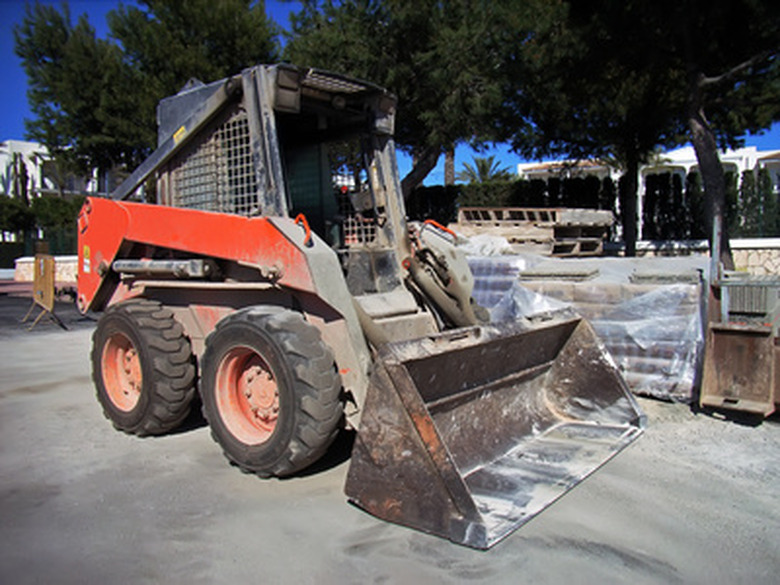
How To Troubleshoot A Case Skid Steer 440
How to Troubleshoot a Case Skid Steer 440. Produced by Case, the 440 skid steer loaders is powered by a four-cylinder, turbocharged engine, and is used for digging, pushing, carrying materials or other heavy-duty construction applications. Despite its durability, problems can arise with the 440. Some simple troubleshooting steps will ensure small problems are quickly corrected or never happen in the first place.
Read MoreHow To Kill Johnson Grass With A Rope Wick Applicator
How to Kill Johnson Grass With a Rope Wick Applicator. Johnson grass proves a troublesome and difficult invader once its tall, coarse blades find home in an area. Johnson grass appears near forest edges, riverbanks, and fields and quickly moves to suffocate eradicate nearby flora. The key to combating a Johnson grass infestation is to try and identify the problem early, then move swiftly to remove the grass. Small, individual clumps can be removed by hand, but larger patches realistically require chemical controls. Property owners should use a rope wick applicator to apply herbicide to Johnson grass if other desired plants are in close proximity.
Read More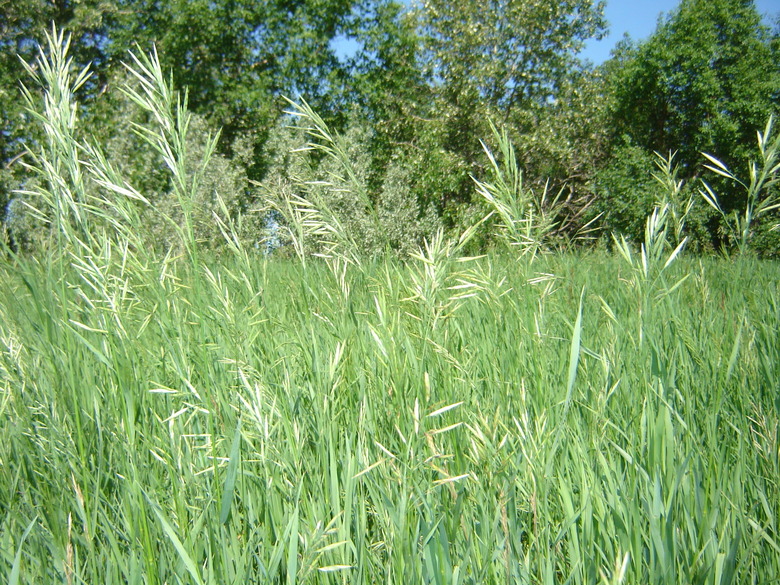
How To Grow Northern Sweetgrass
How to Grow Northern Sweetgrass. Northern sweet grass (Hierochloe hirta) is a perennial grass that grows in northern climates in both the eastern and western hemispheres. It derives its name from the sweet vanilla-like aroma emitted from the drying grass. Native Americans use sweet grass in ornamental baskets and crafts, as well as, braided and burned in religious ceremonies to evoke good powers. It spreads by underground rhizomes creeping to new areas each year. It produces few seeds, which are often infertile, and is best started by plant divisions.
Read More
How To Remove An Old Oil Filter From A John Deere Mower
How to Remove an Old Oil Filter From a John Deere Mower. When you change the oil on your John Deere mower, you want to change the oil filter. Sometimes the oil filter can seem a little difficult to remove by hand. In such a case, you will need to use an oil filter wrench, much like you would when changing the oil filter on your car. The oil filter twists onto a threaded shaft on the engine crankcase. Once you have the old filter off, remember to wipe the crankcase fitting clean and to apply a thin coat of motor oil to the new filter gasket before installing.
Read MoreHow To Spot Fake Global Knives
How to Spot Fake Global Knives. The Global line of culinary knives, from Yoshikin Metal Industry Co. of Japan, distinguished itself by being the first knives to fully integrate the handle and blade from one piece of high-grade stainless steel. They are also broadly counterfeited--enough so that Yoshikin itself polices online sales and reports counterfeit blades. The counterfeits do not hold the edge that a genuine Global blade does, and will spot and corrode in ways that a Global blade does not. Identifying counterfeits is fairly easy.
Read More
How To Contain St. Augustine Grass
How to Contain St. Augustine Grass. St. Augustine grass, known botanically as Stenotaphrum secundatum, is a warm season perennial grass that propagates itself vegetatively by creeping stolons. It thrives in moist soil and mild temperatures and will produce a lush deep green turf when watered and fertilized generously. Its stolons are best contained by cutting with trenches or physical edging barriers to slow its spread an increase intervals between edge trimming sessions. Herbicides are also an option, if you do not mind the introduction of chemicals into the landscape.
Read More
How To Plant Grass On A Slope Hill
How to Plant Grass on a Slope Hill. Establishing grass on a slope is crucial to prevent erosion of the underlying soil. However, getting grass to take hold and grow on a slope can be slightly challenging. Heavy rains and winds shortly after seeding can create havoc and wash the seeds away before they have a chance to germinate and take root. If proper preparations are made when the seed is planted, the chance of erosion can be significantly reduced and you will have a much better chance of establishing grass on a slope.
Read MoreHow To Remove Dead Crabgrass
How to Remove Dead Crabgrass. Crabgrass is often thought of as a nasty weed that commonly grows in turf grass, such as St. Augustine grass. However, some lawn owners benefit from the crabgrass in order to feed cattle and to add small amounts of greenery to soil that is full of animal waste. Since crabgrass is an annual weed, it takes much control, such as pre-emergent and post-emergent herbicide applications. It's important to reapply herbicide as often as needed to stop growth and germination of the crabgrass seeds. The best thing to do once you notice unsightly crabgrass in your lawn is to act immediately and to control the weed before each season. However, if you have dead crabgrass in your lawn, you should still apply herbicide treatments to prevent the weeds from growing again.
Read MoreHow To Use A Duracell Quick Charger
How to Use a Duracell Quick Charger. A Duracell quick charger is designed to charge four Duracell AA or AAA rechargeable nickel-metal hydride, or NiMH, batteries in as little as two to three hours. Rechargeable batteries can be used in many common household products, such as toys, digital cameras and radios. Once the batteries die, they can be recharged and reinserted into the electronic product.
Read More
How To Get Rid Of A Sour Soil Smell In The Lawn
How to Get Rid of a Sour Soil Smell in the Lawn. A sour smell in a lawn is most often be attributed to sour soil. Sour soil has far too much acid in it, making it difficult for grass to grow. Areas with sour soil will usually be covered in moss, which needs to be removed before you can apply the soil treatment. By amending the soil's acidity, you should be able to get rid of the sour smell and get your lawn back to health.
Read More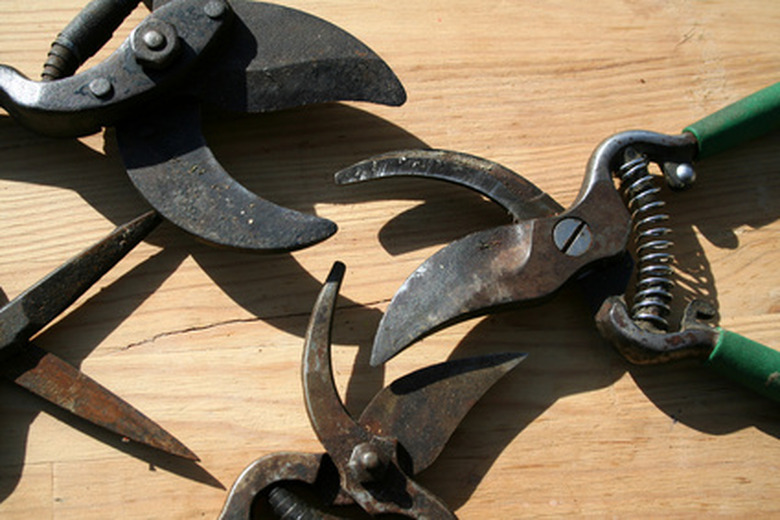
How To Sharpen Anvil Pruning Shears
How to Sharpen Anvil Pruning Shears. Anvil pruning shears trap twigs between a cutting blade and a flat anvil jaw. Hand pressure forces the blade through the stem. Dull anvil pruners crush the wood, damaging the stump of the branch. Slow healing and infection can result. Sharpening the pruner (or replacing it) prevents unnecessary damage to valued ornamentals. Most modern pruning shears were not constructed for easy sharpening and do not fully disassemble. Careful sharpening does increase their useful lifetime, but replacement often makes better sense. The best types of anvil pruning shears include replaceable blades as well as anvils.
Read MoreHow To Change Gravely Lawn Mower Blades
How to Change Gravely Lawn Mower Blades. If your Gravely mower is no longer cutting properly, leaving strips of untouched grass as you go over your lawn, a major vibration appears from beneath the mower deck or the blade has been damaged by hitting a foreign object like a rock, brick or a tree stump, it's time to replace the blade. Mower blades can be found at virtually any hardware or lawn-and-garden shop, and many generic brands will fit. The easiest and surest way to get the right blade is to take the old one in to match the type that you have.
Read MoreHow To Change The Oil In A MTD Push Lawn Mower
How to Change the Oil in a MTD Push Lawn Mower. The MTD family of mower and lawn products include Cub Cadet, Troy-Bilt and Bolens among others. The MTD push mower use many types of Briggs and Stratton engines on their push mowers. You should change the oil on the MTD push mower at the start of each mowing season. Briggs and Stratton recommends using 10W-30 motor oil for all season mowing. When draining the oil on your MTD you will need to find out if you have a drain plug. Usually if your oil fill cap is yellow or white, the oil will drain from the fill neck.
Read More
Will A Clogged Exhaust On Lawn Mower Stop The Engine?
Will A Clogged Exhaust on Lawn Mower Stop The Engine?. If the muffler on the lawn mower is blocked, the engine will run rough and/or die. The engine stalls because the it cannot expel burnt gases that build up as it runs.
Read More
How To Empty A Sears Easy-Empty Lawn Mower Bag
How to Empty a Sears Easy-Empty Lawn Mower Bag. The Sears Craftsman Easy-Empty grass catching bag collects grass clippings for quick disposal without the extra work of raking. Any of the rear-discharge Craftsman walk-behind mowers---either powered or push models---include similar grass collection systems. Attaching the bag is fairly idiot-proof, because the bag won't mount on the mower unless the rear discharge door is pulled open. Emptying the bag can be awkward, however, since a full load of clippings may approach 40 lb.
Read More
Grass Root Rot
Grass Root Rot. Root rot is a common problem in many lawns, especially for summer-growing grasses in areas with cool evenings. Common types of root rot include "take-all" root rot and Pythium root rot. Improving the general conditions of lawn health can help prevent and treat root rot in grass.
Read More
How To Lay Sod Over Sand
How to Lay Sod Over Sand. Sod establishes quickly and can be laid any time during the growing season -- exactly the kind of fast and easy solution a busy mom needs. Sod can be installed over nearly any type of soil -- sand, silt, clay or loam -- if a 4- to 6-inch layer of topsoil is first added. However, most moms don't want to spend their hard-earned cash on expensive topsoil. If you'd like to lay sod directly onto sand, sod grows best over a sandy loam, which is soil that is mostly sand with a little clay and silt.
Read More
How To Rake Pine Needles
How to Rake Pine Needles. Pine needles that fall from evergreen trees and cover your entire lawn or backyard can be as much of a cleanup challenge as autumn leaves. But there is value in your fluffed mounds of fallen brown or orange pine needles, also known as pine straw. Pine straw is a mulch that is frequently used for landscaping projects. Gather the pine needles from your yard by raking them, then bag the needles for future use. If you live in an area that experiences deep freezes or high snow accumulations, rake the needles in the spring so that they can protect your lawn over the winter.
Read MorePlants In The Simpson Desert
Plants in the Simpson Desert. The Simpson desert covers more than 55,000 square miles of land in central Australia. The land gets very little rainfall, but that does not prevent plants and some animals from making the desert their home. There is a range of plant species that has not only adapted to life in the arid environment but has also become an important part of the desert's ecosystem.
Read MoreHow To Tighten Mower Blades
How to Tighten Mower Blades. Lawn mower blades are connected to your lawn mower with a single bolt into the engine shaft. Over time it's possible that they can become loose. If you are mowing your grass and you hear a rattling sound coming from where the blade is, chances are your lawn mower blade could be loose. In order to save your lawn mower from possible damage, it is crucial to turn the lawn mower off and tighten the mower blades. Doing this is much easier and less expensive than possibly having to replace the lawn mower because it was damaged from a loose blade.
Read More
How To Kill Mondo Grass
How to Kill Mondo Grass. Mondo grass (Ophiopogon japonicus) is colloquially known as "monkey grass." It is an evergreen perennial that grows to heights of 8 to 16 inches. Mondo grass is hardy and spreads quickly, which makes it an excellent choice for a ground cover. This is especially true in areas where other plants fail to thrive, such as shady spots under tall trees. Gardeners who introduce this ornamental grass into their yards appreciate the ease of propagation, which requires little more than dividing larger plant clumps. Therein also lays the problem when trying to kill it--it is supremely hardy.
Read MoreHow To Kill Crabgrass Without Killing Lawn
How to Kill Crabgrass Without Killing Lawn. Crabgrass, sometimes known as finger grass or crowfoot grass, is a common weed in many North American lawns. The weed's hardy nature and prolific seed production helps it spread quickly. Without proper management, crabgrass can overwhelm your lawn and choke out your grass. Take steps to kill crabgrass in a lawn-safe manner to preserve your grass' health and appearance.
Read More
How To Install Bahia Sod
How to Install Bahia Sod. Bahia grass is a popular, low-maintenance grass for warm climates in low-traffic areas. It forms an extensive root system with good drought tolerance, but requires frequent mowing to prevent tall seed heads from forming. Bahia grass can be planted from seed, sod or plugs. Installing sod helps quickly establish the law and hold back weeds. Seed and plugs are slow to establish and require constant weed control.
Read MoreHow To Replace The Pull Cord On A Briggs & Stratton Lawn Mower
How to Replace the Pull Cord on a Briggs & Stratton Lawn Mower. One of the most common repairs on a push lawn mower is replacing the starter cord. Most push mower use a Briggs & Stratton or Tecumseh engine. Both engines use the starter cord in the same manner. Replacing a pull cord on a Briggs & Stratton lawn mower requires removing the starter cover. Nylon replacement rope is available at most home improvement centers.
Read MoreProblems With Ariens Zero-Turn Mowers
Problems With Ariens Zero-Turn Mowers. Ariens, a manufacturer of lawn and gardening equipment since the 1930s, marketed its Zero-Turn Mower in the early 2000s. Designed to maneuver and cut grass more efficiently, this next generation riding mower, while highly rated by Popular Mechanics, didn't rate in the top three because of inherent flaws pertaining to rider safety, ease of use and comfort. Additionally, unless you have more than an acre of lawn, the costs to purchase and maintain Ariens Zero-Turn Mower can be steep.
Read More
How To Mix Image Herbicide
How to Mix Image Herbicide. Image is a post-emergent herbicide prescribed for use on a broad range of summer weeds. For the best results, spray Image on weeds when they are actively growing. This way the weed tissue will readily absorb the herbicide and carry it down to its roots. Image herbicide comes in concentrate form and can be mixed in small amounts for spot treatments, or in larger batches for larger coverage areas like lawns.
Read MoreHow To Sharpen Grass Shears
How to Sharpen Grass Shears. Grass shears come in handy when trimming around fence posts, along garden edging and in other areas where your lawnmower can't reach. Grass shears cut the grass by using a scissoring action. The two blades come in contact near the base of the tool and cut all the way to the tip of the shears. After cutting through many blades of grass, though, grass shears will begin to dull. They may then fold the grass instead of cutting it. When this happens, the shears will need to be sharpened, which is achieved using a few common household tools.
Read MoreHow To Plant Grass Seed After Using Roundup
How to Plant Grass Seed After Using Roundup. Most lawn specialists and horticulturalists recommend clearing the existing vegetation from an area where a new lawn is to be planted by spraying Roundup or another brand of non-selective herbicide that does not linger in the landscape. The active ingredient in Roundup is glyphosate. After the first application of Roundup, keep area moist for two weeks to encourage any lingering weed seeds to sprout and apply another application of Roundup. After another two weeks, the area should be safe to add seed for the new lawn.
Read More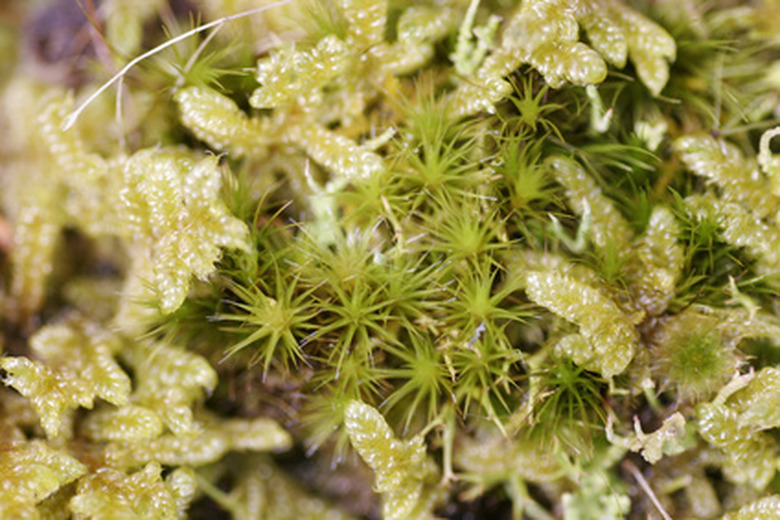
How To Prune Groundcover
How to Prune Groundcover. Pruning of ground cover often goes overlooked, even by those who often remember to prune trees and shrubs. Ground cover left untended will become overgrown and may choke out other plant life. This is especially true of vines. When kept pruned, ground cover not only looks better but also makes for a healthier garden or landscape. Don't let something as simple as occasional pruning cause damage to the health of your plants.
Read MoreHow To Keep Weeds From Growing Through The Pea Gravel
How to Keep Weeds From Growing Through the Pea Gravel. Building a patio, path or driveway out of pea gravel is a process that adds a rustic quality to the look of your home. The look of the gravel, however, can be ruined when weeds begin to creep up between the rocks. If left untreated, the weeds can quickly take over your gravel path and make your yard look unkempt. Before laying the gravel it is important to take steps to prevent the likelihood of weeds growing up through it.
Read More
How To Overseed Bermuda With Fescue
How to Overseed Bermuda With Fescue. Since Bermuda grass is a warm-season grass and fescue is a cool season grass, the two seem like a match made in heaven. Unfortunately there are problems mixing the two grasses. First, Bermuda likes to be mowed low and fescue likes to grow taller. Also, both types of grasses need nitrogen fertilizer, but on completely different schedules. Still, mixing the two grasses can help homeowners to keep a green-looking lawn all year long.
Read MoreHow To Remove A John Deere Mower Deck
How to Remove a John Deere Mower Deck. The deck on your John Deere riding mower requires servicing from time to time just like the rest of the machine. Servicing the blades or replacing the blade belt, requires removal of the John Deere mower deck. John Deere mower decks are held in place through a series of retaining pins and cotter pins. This makes the removal of the mower deck a quick process. Although John Deere manufactures many different riding mower models, the deck installation and removal are generally the same.
Read More
How To Kill Globe Sedge Grass
How to Kill Globe Sedge Grass. Botanically called Cyperus croceus, globe sedge is a perennial plant with flower-bearing stems. It has fibrous roots with flat, deep green, smooth leaves, and seed heads comprising of several spikelets. Each spikelet has a long stalk with a round cluster of seeds at the end. The small seeds disperse and scatter to different parts of a lawn or yard with a breeze. They grow into unattractive weeds, and compete with flowers and grass for water and nutrients. It is best to kill the weed while it is still dormant, before the seeds propagate.
Read More
How To Kill Kikuyu Grass Weeds
How to Kill Kikuyu Grass Weeds. Kikuyu grass (Pennisetum clandestinum) is an invasive perennial grassy weed. It infests lawns, gardens, orchards and abandoned land. Once its established, it can be tough to remove. It grows rapidly and spreads quickly, but is not impossible to get rid of. Kikuyu grass must, however, be treated aggressively for several seasons if it is to be killed for good. After it is gone, you must keep an eye out for new growth and kill it before it spreads.
Read MoreHow To Remove A Riding Lawn Mower Tire
How to Remove a Riding Lawn Mower Tire. Riding lawn mower tires have a reputation of being notoriously difficult to remove. Lawn mower tires that have been on for a while have a tendency to get stuck. When the bead of the tire--the section that comes in contact with the lip of the rim--gets stuck to the rim, it can be difficult to remove. However, with a few key tools and a little patience the job isn't too difficult.
Read More
How To Grow Grass On Sand
How to Grow Grass on Sand. Although you can plant grass seed in any type of soil, sand is very challenging because it dries out so easily. It is less dense and cannot retain moisture. Grass seed needs moisture to germinate. Dry, brittle conditions are not ideal for planting a lawn. Before spreading grass seed, it is essential to add nutrients to the ground. Watering is another key to successful grass growth; 30 percent of grass seed can fail to sprout if it dries out. Disperse grass seed over sandy soil in the spring or summer.
Read More
How To Tighten A Belt On A Honda Lawn Mower
How to Tighten a Belt on a Honda Lawn Mower. Self-propelled Honda lawn mowers use a belt and pulley to help drive the mower, making it easier to mow the lawn. Over time, the belt can stretch and start to slip. Fortunately there is a tension screw to put more tension on the belt and make it snug again, eliminating the need to replace the belt. Doing the job yourself saves you the time and money it would take to use a repair shop.
Read More
How To Adjust The Idle In A Honda OHV Lawn Mower
How to Adjust the Idle in a Honda OHV Lawn Mower. The best way to adjust the idle on your Honda OHV lawn mower is with a single cylinder handheld tachometer. There are two adjustments for the idle on the Honda mower. When you use a tachometer to adjust the throttle stop screw, you will ensure that you have enough RPMs to maintain idle and still have fuel efficiency. Tachometers are available at auto parts stores and home improvement centers.
Read More
How To Lay Sod Without Rototilling
How to Lay Sod Without Rototilling. When starting a lawn or repairing damaged spots, laying sod is a quick shortcut to achieving an established lawn in a short period. Unlike seeding, you do not have to wait for the grass seed to germinate and thicken up before using the lawn. To lay sod, you'll need freshly-prepared soil, which usually requires tilling. This enables the sod to quickly root into the soil. However, if the area you need to sod is small, you should be able to work the soil over manually and skip using a rototiller.
Read More
Poulan 3800 Chainsaw Specifications
Poulan 3800 Chainsaw Specifications. Poulan and PoulanPro products range from simple edgers to industrial-strength chainsaws. The Poulan lineup of chainsaws includes 10-inch to 20-inch chainsaws. Users can locate manuals and information on a majority of Poulan products, but the 3800 Poulan Chainsaw poses some difficulties. Manufactured in 1987, this chainsaw was manufactured by Poulan under the Electrolux name. A parts listing for the device is found online (see References).
Read More
How To Change The Oil On A Craftsman 675 Series Mower
How to Change the Oil on a Craftsman 675 Series Mower. Craftsman 675 Series Lawn Mowers have Briggs and Stratton 190-cubic centimeter displacement vertical shaft engines rated at 6.75 foot-lbs. of torque at 3,100 revolutions per minute. The 675 Series mowers are most often push-type walk-behind rotary mowers with 21-inch or 22-inch cutting decks. The manufacturer of these engines recommends the initial engine oil change after five hours of use, and after 25 hours of use thereafter. Changing this oil is a straightforward process.
Read More
How To Adjust A Riding Lawn Mower Carburetor
How to Adjust a Riding Lawn Mower Carburetor. The carburetor on your riding lawn mower is set by the factory. The only necessary adjustments are to periodically adjust the idle speed and the idle mixture. Most mowers now have a limiter cap around the idle adjustment screws. Do not attempt to force the screws past these caps as it will damage your engine. Once you adjust the idle and the idle fuel mixture, you will maintain fuel efficiency and good engine performance.
Read More
How To Propagate Pampas Grass
How to Propagate Pampas Grass. When a pampas grass plant is 4 to 6 years old, the center of the clump begins dying. This is signaled by new growth appearing only around the younger, healthier perimeter of the plant. Cortaderia selloana can be propagated in August or September, but the best time is in the spring after the last predicted frost but before the appearance of new growth. This will give the plant an entire growing season to recover from the process and establish its root system well before winter dormancy. Wear heavy gloves and a long-sleeved shirt when working in such close proximity to pampas grass. The stiff leaves have spiked edges that can inflict nasty cuts.
Read More
How To Change A Blade On A Yard Machine Mower
How to Change a Blade on a Yard Machine Mower. A Yard Machine lawn mower, just like many other lawn mowers, is a rotary lawn mower that uses a rapidly spinning single blade to cut your grass. After a season's worth of lawn mowing, you will most likely notice that instead of your grass getting cleanly cut by the mower blade, it is now getting ripped and shredded. This is because the blade no longer has a sharp edge. To keep your grass healthy and cut cleanly, you must change or professionally sharpen the Yard Machine's blade at least once a year. If your blade gets bent, purchase a new one.
Read More
How To Kill Cooch Grass
How to Kill Cooch Grass. Cooch (or couch) grass, also known as quackgrass, is an extremely invasive weed that, once established, can quickly overrun a lawn or a garden, crowding out all other vegetation. Cooch grass can spread by seeds, but its primary means of overrunning your yard is through rhizomes--underground roots that can quickly grow to enormous lengths and sprout new weeds almost anywhere in your yard. Unless you catch cooch grass when it first begins to grow, expect a long and hard battle to regain control of your property.
Read More
Rolling Vs. Tamping New Lawn Soil
Rolling vs. Tamping New Lawn Soil. Whether you roll or tamp the soil of a new lawn depends on whether you are planting a new lawn or if you are laying sod for a new lawn. You roll soil to prepare it for planting seed or laying sod; you lightly roll a newly planted lawn, and either roll or tamp newly laid sod.
Read More
Types Of Grass To Plant On A Hillside
Types of Grass to Plant on a Hillside. Very gradual hillsides can grow nearly any kind of grass, but as the hill becomes steeper, the choices grow fewer. Most grasses have fairly shallow roots and tend to succumb quickly to erosion on moderate or steep hillsides. Choose the right grass from the get-go to stabilize your hill.
Read More
Types Of Grass In New Mexico
Types of Grass in New Mexico. Grasses suitable for lawns in New Mexico are divided into two types: cool season grasses, suitable for cooler parts of the state, and warm season grasses, suitable for warmer parts of the state. Because many areas of New Mexico can be arid or semi-arid, selecting the right grass for your purposes may include selecting a type of grass that requires little water.
Read More
What Are Characteristics Of Unbalanced Force?
What Are Characteristics of Unbalanced Force?. Newton's First Law of Motion states that an object at rest stays at rest and an object in motion stays in motion with the same speed and in the same direction unless acted upon by an unbalanced force. This means that if any object comes against another that has the same weight or speed, then it would be physically impossible for it to move. Unbalanced force occurs when one object has more force than another.
Read MoreHow To Kill Desert Broom Plants
How to Kill Desert Broom Plants. Desert broom is an evergreen shrub that grows wild. Its botanical name is Baccharis sarothroides, and it is also known by the names broom baccharis. In Spanish, it is known as hierba del pasmo, which means "grass of amazement," although the only remarkable thing about this plant is its ability to take over land and choke out other plants. It is possible to kill desert broom if you find it in your lawn or property.
Read More
Zoysia Vs. Centipede Grass
Zoysia Vs. Centipede Grass. Both well-suited for sandy soils and moderately dry climates, zoysia and centipede grasses have advantages that make one more suitable for some purposes than the other. In the United States, zoysia is usually grown in the South, while centipede thrives in the coastal areas of the southwestern states. Learn to discern between zoysia and centipede in order to choose the right lawn grass for your growing environment.
Read More
The Best Way To Kill Weeds In Bermuda Grass
The Best Way to Kill Weeds in Bermuda Grass. Bermuda grass makes a lush and thick lawn. It is grown primarily in the southern United States because it is a warm season grass. This grass thrives in locations that have a long season of soil temperatures over 65 degrees F. Bermuda grass spreads through above ground stolons and below ground rhizomes which are basically shoots from the parent plant. These root and take hold to form new plants. Occasionally, weeds can take hold and become problematic in your Bermuda grass lawn. With a few easy practices you can kill weeds in Bermuda grass and restore your lawn to its former healthy self.
Read More
How To Troubleshoot Yellow St. Augustine Palmetto Grass
How to Troubleshoot Yellow St. Augustine Palmetto Grass. Yellowing turf grass is a sign that micronutrients are lacking in the soil. Most common among deficiencies for St. Augustine grass is iron, according to Texas A&M University. A lack of iron, or an inability to uptake the iron in the soil, is a condition called iron chlorosis, is especially common in St. Augustine grass growing over alkaline soil above 7.5 pH. Foliar applications of iron sulfate, regular fertilization and ample water will help rule out and resolve this common cause of yellowing lawn grass. Beyond this, a soil test will be needed to pinpoint any nutritional imbalances or persistent toxicity in the soil.
Read More
How To Prevent Grass & Moss From Growing Between Pavers
How to Prevent Grass & Moss From Growing Between Pavers. Newly installed pavers have a distinctive look, but once moss and grass start growing between the pavers, the wow effect is gone. Whether your pavers are brick or cement, the way to get rid of grass and moss is the same. It's much easier to get rid of these undesired elements when they first appear.
Read More
Typical Lawn Weeds In Ohio
Typical Lawn Weeds in Ohio. Typical lawn weeds in Ohio include grass or grass-like weeds and broadleaf. Grass weeds form narrow, upright leaves with parallel veins. Broadleaf weeds develop wide leaves with net-like veins. Annual weeds compete with permanent lawn grass and reduce density. Perennial weeds present more of a challenge to control once they are established because their creeping stems contain buds that produce new growth. Weeds are managed more effectively while they are in the sapling or juvenile stages, according to North Central Region Cooperative Extension Service's Common Weed Seedlings of the North Central States.
Read More
Do I Have To Spread Straw Over Newly Planted Grass Seed?
Do I Have to Spread Straw Over Newly Planted Grass Seed?. Seeding a new lawn is often the least costly method of installing a groundcover over bare soil. Growing new grass is a process that requires constant care, especially during the first couple of weeks. Many gardeners spread a layer of straw over the top of the new grass seed to help reduce the need for frequent watering sessions.
Read More
How To Thicken Centipede Grass
How to Thicken Centipede Grass. Centipedegrass (Eremochloa ophiuroides) provides a warm-climate perennial groundcover. This dense, turf grass flourishes in many areas of the southern United States. Centipedegrass exhibits a slow pattern of growth, gradually spreading to form a dense turf. Landscapers and gardeners select this type of grass for its ability to adapt to various soils and low-maintenance requirements. Although recognized for its thick turf, some conditions cause centipede grass to appear thin and unhealthy. Thicken centipedegrass by providing regular, deep waterings and an annual fertilizer.
Read MoreHow To Install The Recoil Spring On A Poulan Chain Saw
How to Install the Recoil Spring on a Poulan Chain Saw. The recoil spring inside the engine on a Poulan chain saw helps retract the starter rope after you've pulled it out. This recoil spring stretches out and then snaps back, pulling the rope with it. The recoil spring sits inside the pulley, which is attached to the flywheel. If you've overstretched the spring or pulled it out entirely then you will not be able to start your Poulan chain saw. The recoil spring comes inside a circular cassette like object.
Read MoreHow To Start Echo Chainsaws
How to Start Echo Chainsaws. Echo chainsaws are available in a variety of sizes and models designed for light yard work around a home or heavy commercial logging use. With ease of use and durability in mind, Echo chainsaws feature convenient controls making them suitable for use by a wide range of individuals. Starting an Echo chainsaw involves a process that is simplified by the chainsaw's design. By following only a few steps, you can successfully start an Echo chainsaw.
Read MoreHow To Replace Toro Lawn Mower Wheels
How to Replace Toro Lawn Mower Wheels. Replacing lawn mower wheels on a push mower is not as labor intensive as replacing lawn mower tires on a riding mower. When you replace the Toro lawn mower wheels, you will need to purchase the correct wheels for your mower. The rear wheels of the Toro self-propelled mower have gears that must line up with the mower gears for proper operation. You can purchase replacement wheels at home improvement centers and from authorized Toro dealers.
Read More
Lawn Foam Fungus
Lawn Foam Fungus. Fungus is a common occurrence in lawns that do not drain well, or are in temperate, wet areas. One of the more frightening-looking varieties is the lawn foam fungus, which appears out of no where, attacking your lawn in large, vibrantly colored clumps.
Read More
At What Temperature Does Zoysia Grass Turn Brown?
At What Temperature Does Zoysia Grass Turn Brown?. Zoysia grass is a warm season turf popular in the southeastern United States for its dense and attractive appearance. It is drought and shade tolerant, but has a tendency to go dormant in the winter months.
Read More
Types Of Swamp Grass
Types of Swamp Grass. Swamp grass is a general term that includes many plants that are often grown as ornamentals. They don't require a swamp in which to grow---many do fine in moist soil. Species occur in moist habitats around the world. It's wise to choose a swamp grass that is native to your area to prevent the spread of an invasive plant, such as West Indian marsh grass, which has become a problem in Australia.
Read MoreWhich Spark Plug Should Be Used In A Kohler 15 HP Lawn Mower Engine?
Which Spark Plug Should Be Used in a Kohler 15 HP Lawn Mower Engine?. The 15-horsepower Courage and Command lines of Kohler lawn mowers use Champion RC12YC or equivalent spark plugs. Alternatively, the Courage line also uses Champion QC12YC plugs. Command vertical shaft mowers also use Champion Premium Gold 2071 plugs; Command horizontal shaft mowers also use Champion Platinum 3071 plugs.
Read More
Herbicides To Kill Bahia Grass
Herbicides to Kill Bahia Grass. Aggressive plants, such as bahiagrass, destroy lawns and landscapes by taking over areas of desirable plants. Bahiagrass protects against soil erosion in areas near roads and waterways. This grass spreads quickly to nearby yards, parks and landscapes, causing weed problems in these maintained areas. Remove this type of weed by eliminating seeds and existing plants, including roots and leaves. Several types of herbicides control bahiagrass.
Read MoreHow To Check The Oil On Toro Lawn Mowers
How to Check the Oil on Toro Lawn Mowers. Periodically checking the oil on your Toro lawn mower is one way to extend the life of your mower. Too often owners neglect this simple task and end up with engines that seize due to lack of oil. Your Toro must have an adequate amount of oil to lubricate the moving parts within the engine. Checking the oil on a Toro mower, and adding oil as necessary keeps your engine lubricated correctly. The key to checking the oil is to park the mower on level ground so that you get an accurate reading.
Read More
How To Grow Grass In Tucson, Arizona
How to Grow Grass in Tucson, Arizona. In southern Arizona where Tucson is located, the summers are hot and the winters are relatively mild. Many homeowners plant Bermuda grass to grow in the spring and summer, then overseed it with rye grass, which grows well in cooler temperatures. The overseeding takes place in mid-October. Bermuda grass goes dormant in the winter and turns brown. The rye grass germinates quickly and provides homeowners with a beautiful green lawn through late fall and into the winter months. It then dies out when the weather warms in mid-April and the Bermuda grass comes back to life.
Read MoreHow To Plant Grass Seed In Ohio
How to Plant Grass Seed in Ohio. Planting grass seed at the proper time is crucial for your lawn's success. In northern Ohio, the best time to seed a lawn is between Aug. 15 and Sept. 15, but you can plant as late as Oct. 15. In central and southern Ohio, the optimal month is September, but you can plant as late as Oct. 30. If you miss those planting windows, it is best to wait and plant your grass seed in spring.
Read More
How To Kill Torpedo Grass
How to Kill Torpedo Grass. Torpedo grass (also known as bullet grass) is a grass variety found throughout coastal, sandy-soil areas of the United States and other regions worldwide. Torpedo grass can grow up to a height of 3 feet, and because it grows rapidly, it is not a desirable option for landscaping your home lawn or garden. Eliminating torpedo grass from your lawn is simple and requires but a few weeks time and some basic landscaping skills and inexpensive materials.
Read MoreDoes Killing Weeds With Bleach Also Kill The Roots?
Does Killing Weeds With Bleach Also Kill the Roots?. Killing weeds with bleach (Sodium hypochlorite) also kills the roots. Spray the weed with undiluted bleach and wait two days. The plant will have turned brown and the roots will have died. Pull the plant up and dispose of it. If the bleach gets on the grass or on a wanted plant, immediately wash it off with water.
Read MoreHow To Change Scag Mower Blades
How to Change Scag Mower Blades. Whether your Scag mower has two, three or four blades, the process of changing them is simple. There's no need to pay a mechanic to do the job. You can easily do it yourself. Very little time is necessary, and the only tool you need is an impact wrench. Worn mower blades leave uneven cuts. To ascertain whether or not your mower blades need to be replaced, examine the outermost cutting edge of each blade. If the edge is so thin that it is curling, or if grooves appear in the metal appear, the blade is no longer good.
Read More
How To Fix A Chain On A Black & Decker Alligator
How to Fix a Chain on a Black & Decker Alligator. Battery-powered tree limb loppers like the Black & Decker Alligator make quick work of removing smaller limbs on trees with minimal effort and no contending with cumbersome electrical cords. It's designed to cut limbs no larger than 4 inches in diameter. Putting the proper amount of tension on your Alligator chain prevents the chain from accidentally and dangerously sliding off, or binding and overheating the engine.
Read More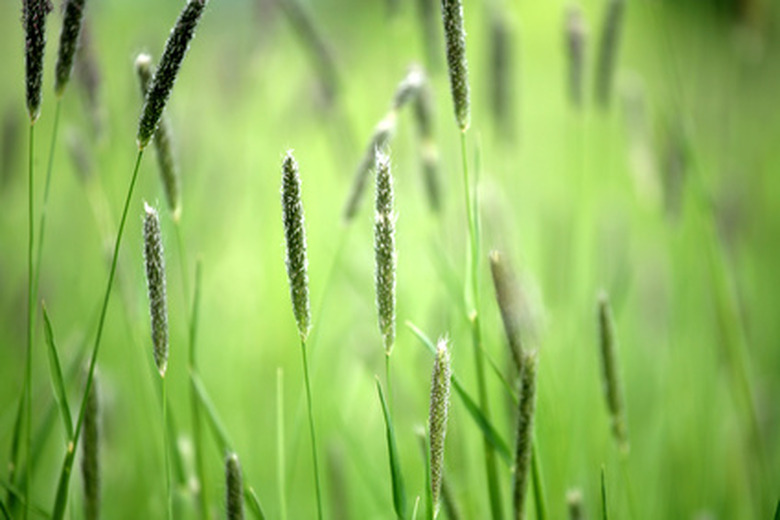
How To Kill Dallis Grass
How to Kill Dallis Grass. Dallis grass is imported from Australia. It is a warm season perennial grass that can be used as a pasture grass. It grows in bunches or clumps, with leaves on the bottom shoots. The leaves have a course texture. Dallis Grass invades turfgrass throughout the Southern United States. If Dallis grass grows in your lawn, it is considered a weed and should be killed. There are several ways to get rid of it, including using herbicides, vinegar and laying down a tarp to block the sunlight.
Read More
How To Plant Grass Seed Under Straw
How to Plant Grass Seed Under Straw. Covering over grass seed with straw or hay helps prevent the seed from blowing away in wind, washing away in rain or getting eaten by birds. This will result in a thicker, more lush lawn once the seed germinates and grows. Planting the grass seed under straw will take a couple hours, depending on the size of your lawn. The two critical factors in grass seed success are watering and seed placement. The straw helps secure seeds, but gardeners must water regularly to ensure success.
Read MoreHow To Clean A Lawn Mower Engine
How to Clean a Lawn Mower Engine. Regular lawn mower service and maintenance will increase the longevity of the mower and prevent costly engine repairs. Create an annual engine and mower cleaning maintenance plan to be performed at the end of the mowing season prior to winterizing the mower. Check the mower engine and fluid compartments periodically through the mowing season to prevent damage due to low fluid levels. Follow the lawn mower manufacturer's instructions by always using the recommended gasoline and oil types.
Read MoreHow To Get Rid Of Black Mold On A Lawn
How to Get Rid of Black Mold on a Lawn. A healthy, beautiful lawn adds value to your property and provides a place in which adults can entertain, children can play and let their imaginations and energy run free and everyone can connect with nature. Lawn diseases can turn your piece of nature into an unsightly area. According to Allaboutlawns.com, most lawn diseases come from fungi that live off grass. What looks like black mold in grass is usually a species called slime mold.
Read MoreHow To Charge A John Deere Mower Battery
How to Charge a John Deere Mower Battery. The best and safest way to charge your John Deere mower's battery is with a portable charger. Depending on the voltage of your mower's battery, a jump from a car could seriously damage it. A portable charger can cost upward of $100. It will not only charge your John Deere mower's battery, but your car's as well. Plug it into the wall overnight and you can store it in your trunk for emergencies.
Read More
Types Of Sod In Florida
Types of Sod in Florida. Grass sod used in Florida is always a warm-season grass variety, which enjoy the mild winters and hotter summers of the state. Not all warm-season grasses grow well in Florida, however, mostly due to the salt in the coastal areas and extreme heat in Southern Florida. Certain types of grass sod are most appropriate for Florida lawns, including bahia, St. Augustine and Zoysia grasses, among a few others.
Read More
How To Seed With A Slit Seeder After Rain
How to Seed With a Slit Seeder After Rain. Slit seeders are ideal for re-seeding lawns that have been severely damaged from disease, insect damage or neglect. By creating small slits in the soil, the slit seeder saves you the trouble of having to till the entire area to ensure good seed-to-soil contact. But slit seeding is an invasive process and all of those slits in the lawn can stress the existing grass. A little rain can actually help your lawn recover more quickly from slit seeding. Well-irrigated grass blades can repair their severed root systems more readily than thirsty ones can.
Read MoreHow To Restring A Craftsman Weedwacker
How to Restring a Craftsman Weedwacker. Craftsman gas-powered Weedwackers are equipped with two types of cutting heads: a fixed-line head or an optional trimmer head. Craftsman recommends using only brand-name line. Use the green line for cutting grass only. Red line is intended for grass and small weeds. Install black line for large weeds and small brush.
Read More


Produce (81)
How To Winterize Succulent Plants
How to Winterize Succulent Plants. Winterizing succulents and cacti is an important process prior to bringing them indoors. Greg Stack, a horticulturist with the University of Illinois, states that many succulents are quite content to live in our homes and will even survive a little neglect now and then. The key to winter survival is to trigger dormancy in succulents and cacti by slowly changing their environment.
Read MoreHow To Plant Mangrove
How to Plant Mangrove. The red mangrove, scientific name Rhizophora mangle, is a tropical plant that is critical for coastal erosion control. They create dense forests that provide a habitat for small fish and other animals. Red mangrove seeds germinate while still attached to the tree and sprout a modified root called a propagule. This propagule is a sapling waiting to sprout as soon as the conditions are right. Propagules can be transported a great distance or stored for up to a year. Mangroves make nice houseplants and can be used in both fresh and saltwater aquariums.
Read More
How To Make Clay Soil Plantable & Fertile
How to Make Clay Soil Plantable & Fertile. Blame clay soil for your inability to grow anything in its compacted form. While clay has its advantages--it retains nutrients and moisture--few plants can break their roots through the compacted mud. Fortunately, you can improve the texture and fertility of clay soil by adding amendments. Blend amendments and clay soil together to create a rich, loose soil any plant will thrive in.
Read MoreHow To Grow A Nopal Cactus
How to Grow a Nopal Cactus. Nopal cactus, also known as prickly pear cactus, can be grown for appearance, food and commercial value. Nopal also has uses as a source of fibers for clothing and fodder for livestock. While nopal cactus can be grown from seeds, it is more easily propagated from cuttings. Nopal grows relatively quickly and requires little attention.
Read MoreHow To Grow Bolivian Maca Root
How to Grow Bolivian Maca Root. Bolivian maca root (Lepidium meyenii) belongs to the radish family and grows in central Peru at elevations of 11,000 to 15,000 feet. Its habitat is barren, rocky terrain on the sides of mountains with intense sunlight, strong winds and frequent freezing temperatures. Maca root is a low-growing plant reaching 5 to 8 inches tall. This herbaceous biennial creates an edible, succulent root. The root looks like a turnip in size and shape, growing 3/4 to 2 inches across. The roots are white, yellow, gray, purple and red. Maca root is grown for its medicinal uses and nutritional properties.
Read More
How To Cut Dead Palm Fronds On Houseplants
How to Cut Dead Palm Fronds on Houseplants. Miniature varieties of palm plants make suitable houseplants. As long as you can provide adequate light and moisture to these sun-loving plants, they will thrive in an indoor environment. Houseplant palms naturally develop yellowed and withered leaves over time, and an attentive gardener will remove this growth to keep the plant healthy and attractive. Cut dead palm fronds on a houseplant when they yellow and shrivel and your potted palm will continue to grow well.
Read More
How To Plant Canna In Oklahoma
How to Plant Canna in Oklahoma. Oklahomans know a thing or two about growing canna. The world's largest exclusive canna grower, Horn Canna Farm, is a few miles north of Carnegie. Jolene Horn Snow, one of the operators of the farm, claims that you don't need a green thumb to grow canna in Oklahoma as they are low maintenance and thrive all over the state. You will need to remove the rhizomes in the fall and store them over the winter if you live in the northern part of the state. Plant the canna rhizomes in the Oklahoma garden from mid-March to mid-April.
Read More
How To Grow Wolf Lichen
How to Grow Wolf Lichen. Wolf lichen, or wolf moss lichen, is the only known poisonous lichen species. This particular lichen earned its name because it was used for poisoning wolves. Lichen thrives in moist, cooler climates such as the northern United States and Canada. The only time of year to avoid planting lichen is summer because the spores will dry out before sufficiently replicating.
Read More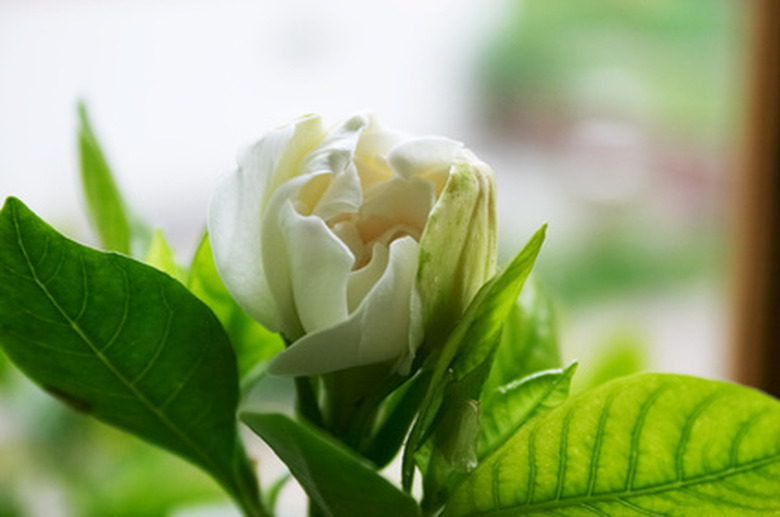
How To Kill Whiteflies On Gardenias
How to Kill Whiteflies on Gardenias. Whiteflies are hard to miss. Every time you water or walk by your gardenias, they fly up in pesky white swarms. Or, you may have noticed their eggs on the underside of your gardenia's leaves. Whatever the sign, it's important to kill white flies as soon as you notice them. These insects spread rapidly, especially in the warm southern areas, and can quickly overwhelm a gardenia bush. Large enough numbers of them will strip its foliage, potentially spread viruses and diseases, and maybe even kill a weakened plant.
Read More
Black Mulch Dangers
Black Mulch Dangers. Black mulch serves both function and style in complementing a garden or landscape. The product is capable of not only providing a unique look to gardening or landscaping, but can also help protect plants from reflective light and keep root systems warmer. Despite these advantages, there are also some dangers of black mulch that should be kept in mind.
Read More
How To Repot A Shamrock Plant
How to Repot a Shamrock Plant. The shamrock is an indoor plant, often associated with Ireland and good luck. The leaves are like three-leaf clovers with delicate white or light purple blossoms. It is grown from bulbs.Your plant will require a rest period during the year, when it is allowed to go dormant. Choose a time that the leaves start to look a bit limp and stop watering it. As the leaves turn brown, clip them off. Place your shamrock in a cool, dry dimly lit room for one to three months. Bring it back out into a well-lit location, but not full sun, water it and feed it with a general-purpose houseplant fertilizer. Re-pot your plant at this time if it appears to be crowded in its current pot or if you want to divide it.
Read More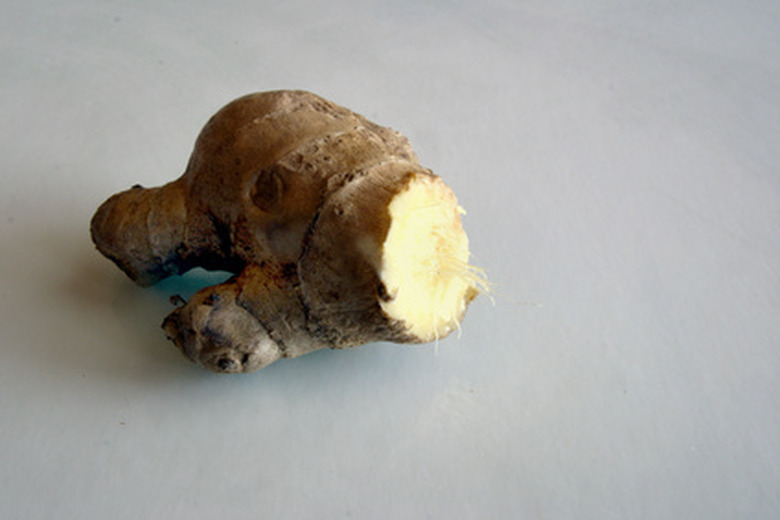
How To Propagate A Ginger Plant
How to Propagate a Ginger Plant. Ginger is a tropical plant that grows outdoors in areas with mild winters. If you live in colder climes, it is still possible to grow both edible and ornamental ginger in a planter outdoors as long as you bring it inside for winter. Ginger is propagated by its rhizomes. A rhizome is an underground stem, similar to a root or bulb, that multiplies each year as the plant grows. When propagating edible ginger, save a few pieces of the rhizome from the kitchen, and grow them into new plants.
Read More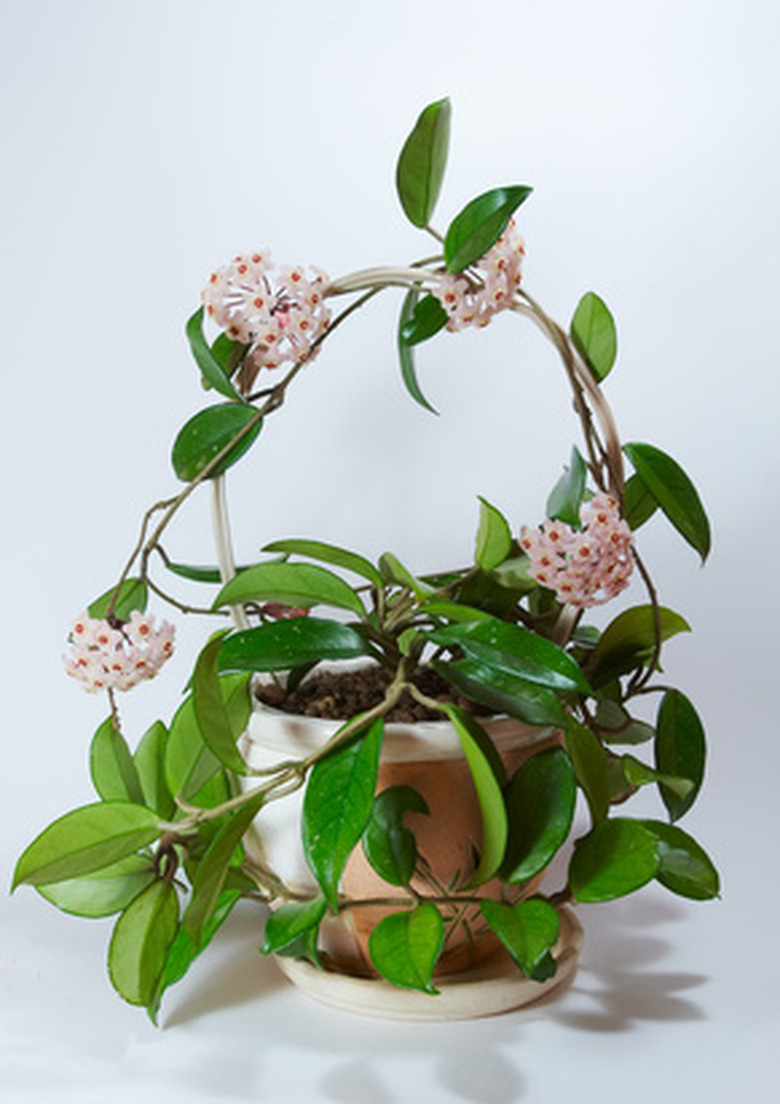
How To Root A Hoya Plant
How to Root a Hoya Plant. Hoya carnosa, (wax plant), is a woody, vining plant with thick, waxy leaves. Hoya is often planted in a hanging pot so that the lush foliage and clusters of pink or white blooms can be seen to best advantage. The hoya plant also does well in a tabletop pot, where the heavy vines can be trained to wind around the pot. To root a new hoya, take a stem cutting from a healthy adult plant.
Read More
Types Of Silt & Clay Soil
Types of Silt & Clay Soil. Silt and clay are different soil varieties that have qualities that make them ideal for different planting situations. Knowing the silt and clay soil types, as well as their variations, will make your planting more successful, giving you the ability to determine which areas of your garden are suitable for certain plants.
Read MoreHow To Root A San Pedro Cactus Cutting
How to Root a San Pedro Cactus Cutting. The San Pedro cactus propagates easily from cuttings with a simple sand medium. Any succulent must be allowed to form a callous on the wound (cut edge) before attempting to root. The callous forms in just a few days for smaller cuttings, while large or thick cactus cuttings may take months to properly callous over and be ready to root.
Read More
How To Grow Stinging Nettles
How to Grow Stinging Nettles. The stinging nettle is one of more than 50 varieties of nettle plants worldwide. As young plants, the leaves are eaten in salads, boiled as a vegetable or steeped to make a medicinal tea. Once planted, stinging nettles need to be cultivated to keep the plants under control, as they may become invasive if not managed in the garden.
Read MoreHow To Grow Rhodiola Rosea
How to Grow Rhodiola Rosea. The Rhodioloa rosea, or rose root, is a hardy perennial that is not frost tender. It is hardy to Zone 1. This plant is not self-fertile, so it needs a male and female plant to propagate via seed. Bees and flies pollinate the plants. The planting spot must be chosen carefully---the Rhodiola rosea does not like the shade but will grow in most types of soil, to the point of tolerating drought in some areas. It also tolerates salty climates.
Read More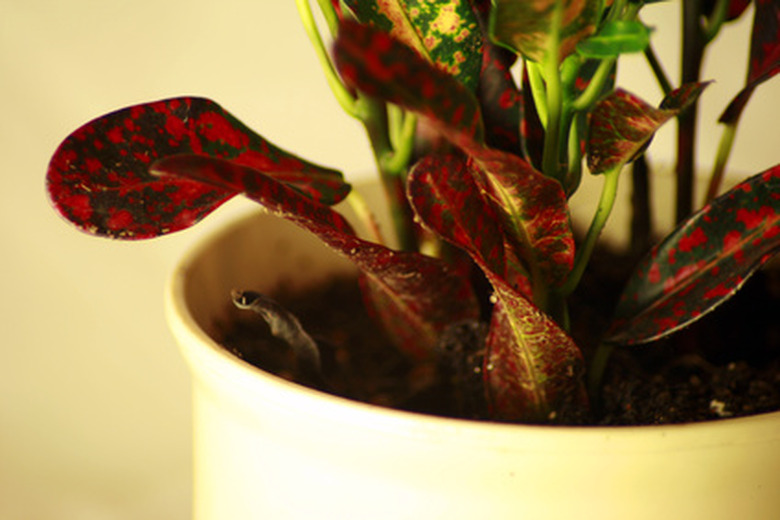
How To Repot Croton
How to Repot Croton. The big, brightly colored leaves make croton a tropical standout among indoor plants. Unfortunately, the croton can be slightly fussy and will often drop its leaves in reaction to undesirable conditions. Once you've figured out how to make the plant thrive, it will settle in and grow for many years. If growth slows down for no apparent reason or you find it necessary to water the croton more than usual, it may be time to move the plant to a larger container.
Read More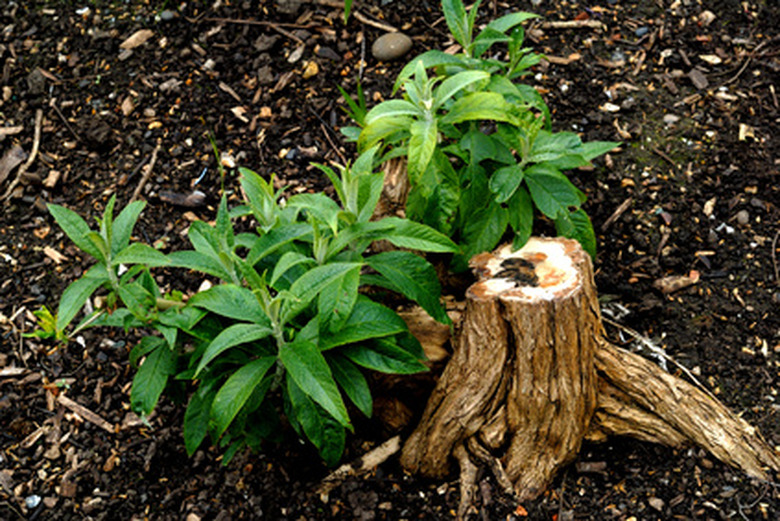
How To Make Soil More Alkaline
How to Make Soil More Alkaline. The pH level of soil will determine how well plants grow. Because different plants require different pH levels, the desired pH level of a growing area depends on the plants you will grow. High pH levels indicate high alkalinity of soil and low pH levels indicate high acidity levels of soil. You can make soil more alkaline by adding a lime product to the soil at the time you prepare soil for planting.
Read More
Storing Grass Seed
Storing Grass Seed. If you plant your own grass by seed, you may be left with leftover seeds. One solution is to simply spread the seeds throughout your yard, but this is a waste of seeds. The best thing to do with leftover seeds is to store them for later use. When you store seeds, you save money on the cost of seeds since you have to buy less the following year. As long as it is stored properly, grass seed can be saved for up to 10 months.
Read MoreHow To Grow Hostas Indoors
How to Grow Hostas Indoors. Hostas, otherwise known as plantain lilies, come in a variety of sizes and leaf colors. Hostas can tolerate shade and can grow indoors or outdoors in the shady part of the garden. Growing hostas indoors is not complicated if you meet the necessary growing conditions. Following these conditions is necessary to guarantee success. Soon, you will have a prolific growth of hostas that you can enjoy all year.
Read MoreHow To Grow A Resurrection Plant
How to Grow a Resurrection Plant. The name resurrection plant can apply to a whole group of plants that appear to die when unwatered and spring back to life when watered. The most common plant sold under the name resurrection plant is selaginella lepidophylla, a primitive desert plant that is also called rose of Jericho or siempre viva (everlasting). A resurrection plant that has balled up and appears dried out is simply dormant from lack of water. If you want to properly grow and care for this plant, you shouldn't let this condition last for extreme periods, as contrary to its name, it can die.
Read More
Bamboo Vs. Lucky Bamboo
Bamboo Vs. Lucky Bamboo. Bamboo has gained popularity in the west as western interpretations of the Chinese art of feng shui, or "wind water," have become popular in feng shui. Bamboo, and bamboo-like plants, are said to change the chi energy flow in a room when properly placed. Bamboo and lucky bamboo are commonly used in feng shui redesigns of rooms. Although their uses in feng shui are the same, the two plants are completely different.
Read More
How To Stabilize A Plant Stand That Falls Over And Is Not Stable
How to Stabilize a Plant Stand That Falls Over and Is Not Stable. Plant stands are decorative elements designed to elevate plants above floor level to make them more visible. A plant stand may be a single tripod that supports one plant, or it may be a large, multilevel stand used to hold several plants. But when the stand is poorly designed, placed on an unstable surface, positioned in high winds that can push the stand over, or the plants placed on the stand are heavier than the stand itself, the plant stand may become unstable. You can stabilize an unsteady plant stand by making it heavier, or by anchoring it in place.
Read More
How To Grow Hydrangeas In Alaska
How to Grow Hydrangeas in Alaska. Despite the short growing season in Alaska, hydrangeas are surprisingly popular. This may be due, in part, to the several very cold-hardy varieties available. Hydrangea arborescens and hydrangea paniculata will survive in temperatures down to -35 degrees Fahrenheit, which make them obvious choices for tough Alaskan winters. Some garden centers in Anchorage regularly stock hydrangeas and have no shortage of takers for these hardy perennials.
Read More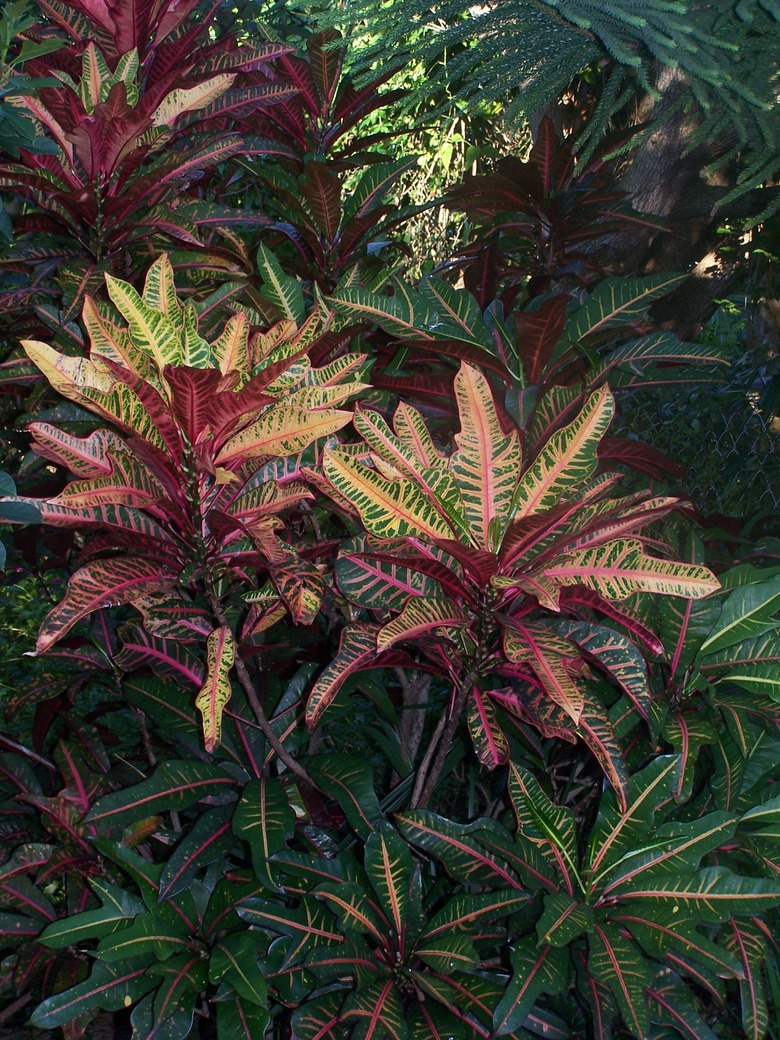
How To Prune Crotons
How to Prune Crotons. Crotons are tropical plants that grow well outside in the warmer regions of our country. To keep a croton's size controlled and to shape it up, pruning is necessary. Since some species can reach a height of 10 feet, its best to trim them back. Crotons will also benefit from pruning because it will allow the plants to branch out and thicken up. This will make the entire plant look better by not having long straggly limbs that would occur if the plant is left unpruned. Crotons are one of the easiest plants you can prune.
Read MoreHow To Grow Aloe Plants With Dying Leaves
How to Grow Aloe Plants With Dying Leaves. Aloe vera plants can develop problem leaves that appear brown, thin and curled. Though these dying aloe vera leaves indicate there is an issue with the plant, their presence usually doesn't mean the plant itself is dying. It's possible to grow aloe plants with dying leaves if you take steps to identify and address the reason the leaves are dying. This process is usually completed in a trial-by-error setting, but should eventually help you solve the problem.
Read More
How To Propagate Rhizomatous Begonias
How to Propagate Rhizomatous Begonias. Known most for their ornately shaped and colored leaves, rhizomatous begonias (those growing from swollen underground stems called rhizomes) propagate readily from leaf cuttings. Wedges of leaf tissue that contain at least one main vein take root in moist, warm soil, creating a tiny plantlet that then grows into a new plant. Divide the rhizome to develop more new plants.
Read MorePlants That Act As A Wasp Repellent
Plants That Act as a Wasp Repellent. Wasps are considered to be beneficial insects because they prey on a variety of other insect and grub pests that can infest a garden and pester the gardener. Since wasps eat these insects, few plants have developed defense mechanisms, which makes it hard to find plants that act as a wasp repellent. However, there are a few plants out there that, in one form or another, will repel wasps. Just make sure you know their other traits before you plant them in your garden.
Read MoreHow To Use A Plant Pot With A Removable Drain Plug
How to Use a Plant Pot With a Removable Drain Plug. Plant pots come in a wide range of colors, styles and drainage options. While some pots contain no drainage holes, others contain many holes or just one hole on the bottom. Another option is the removable drain plug. Removable drain plugs give you the option of drainage if needed, but it can also be sealed to contain any materials in the pot. If you using the drain, it is necessary to take some extra steps to contain any potting material inside the pot.
Read More
The Removal Of Tree Roots In Sewers With Herbicides
The Removal of Tree Roots in Sewers With Herbicides. Trees and woody shrubs that have tap roots are most often responsible for blocking sewer lines. Lateral roots growing from the tap roots pursue water leaking from joints and cracks in sewer lines. Roots may sometimes be removed with mechanical devices that use rotating augers or blades or blast the roots with water under pressure, but controlling them with herbicides is usually the most efficient and dependable.
Read More
How To Kill English Ivy By Burning
How to Kill English Ivy by Burning. English ivy can be a blessing or a curse on a landscape, depending on what the homeowner desires. This ivy is very invasive and is most common in the Pacific Northwest. When controlled, it provides an attractive foliage on trees, houses, fences and forest floors. When left uncontrolled, it can take over just about any type of vegetation and prevent sun from reaching other plants, causing them to die. If you choose to kill English ivy, one effective method of doing this is by burning. The key to doing this is to ensure you have a fire permit and to make sure you get rid of all the English ivy.
Read MoreHow To Get Rid Of Mold On A Bee Balm Plant
How to Get Rid of Mold on a Bee Balm Plant. Mold, or what is more commonly called white powdery mildew, can infect your bee balm plants. Most often it is not fatal to the infected plant, but it certainly can ruin the visual aesthetics of your yard or garden. While you may not be able to keep white mold from forming on your bee balm, there are ways to diminish its appearance.
Read More
What Types Of Soil Does Iowa Have?
What Types of Soil Does Iowa Have?. As one of the most agriculturally productive U.S. states, Iowa is blessed with vast expanses of deep, fertile soils. Not all Hawkeye State soils, however, are equal. Some, says the University of Idaho's College of Agriculture and Life Sciences, are relatively young, containing only a single layer (horizon) of topsoil. Each of Iowa's more than 450 individual soil subtypes belongs to one of the 12 soil orders the United States Department of Agriculture (USDA), established in 1975.
Read More
How To Winterize Astilbe
How to Winterize Astilbe. Winterizing perennial plants is one of the last things a gardener must do before the cold winds start to blow in earnest. Herbaceous perennials are perennial plants that die down to the soil level each autumn and grow new stems and leaves the next spring. Astilbes are one example of an herbaceous perennial grown in many home gardens. To winterize astilbes and other herbaceous perennials, a gardener removes all stems and foliage down to the soil level in the autumn and tucks the roots in for the winter under a blanket of mulch.
Read More
How To Propagate From Tip Cuttings
How to Propagate From Tip Cuttings. Asexual plant propagation, also called cloning, involves stimulating a section of a stem to form new roots. When propagating a plant from a tip cutting, take the tip section of a branch from a healthy, mature plant. Take the cutting during the growing season when the plant is producing abundant foliage. Plants that root readily from tip cuttings include citrus, croton, African violets and geraniums.
Read MoreHow To Plant Silver Maple Cuttings
How to Plant Silver Maple Cuttings. The silver maple, also known as the silverleaf maple, is a medium-sized tree that is most common to the Eastern United States, found growing near stream and river banks, in flood plains and around lake shores. The silver maple enjoys rapid growth and a long lifespan -- many live 130 years or longer. Although the silver maple's seeds are abundant, planting silver maples from seed may be a long and difficult process because the seeds are more temperamental in germinating than cuttings. Cuttings of softwood root quickly and easily, making cuttings the propagation method of choice.
Read More
Features Of Desert Plants
Features of Desert Plants. Deserts may be barren like the vast wasteland of the Sahara or crammed full of plants and animals like the Sonoran desert in Arizona. Two of the largest cities in Arizona, Phoenix and Tucson, are located in this desert. Desert plants not only survive but thrive in this area which receives an annual rainfall of only 7 inches.
Read MoreHow To Get Rid Of Mold In Potting Soil
How to Get Rid of Mold in Potting Soil. A white or yellowish substance on the surface of the soil of a potted plant is saprophytic soil fungus, a mold that feeds on decaying matter in the soil. While it is most often noticed on houseplant soil, it may also grow inside bags of potting soil you have stored in a damp area or an unsealed bag. The mold rarely poses a danger to the plants, but it is unattractive and its presence indicates other issues with the soil that may harm the plant or plants grown in the soil if not treated.
Read MoreHow To Plant Brachychiton Acerifolius Seed
How to Plant Brachychiton Acerifolius Seed. Brachychiton acerifolius is more commonly known as the Australian Flame Tree and the Illawarra Flame Tree. It is a semideciduous (depending on the growing climate), tropical tree, which produces large, showy, bright-red, bell-shaped flowers. Brachychiton acerifolius is native to the Eastern regions of Australia. It can grow between 45 and 90 feet tall. Plant a brachychiton acerifolius tree where it will have full sun, room to grow and protection from wind.
Read More
Can I Root Plumbago From Cuttings?
Can I Root Plumbago From Cuttings?. You can root plumbago from cuttings. Cut a 6-inch piece off of a plumbago plant. Fill a cup or small flower pot with moist potting soil, and press the cut end approximately 2- to 3-inches deep into the soil. Keep the soil moist to enable the cutting develops a root system.
Read MoreHow To Use Jobes Evergreen Fertilizer Spikes
How to Use Jobes Evergreen Fertilizer Spikes. Jobes evergreen spikes contain fertilizer that is slowly released into the soil around the evergreen. These fertilizer spikes last around 3 months before you will need to replace them. The benefits of slow-release, spike fertilizers are two-fold. You lower the risk of burning your evergreen through too much fertilizer applied at once, and you save yourself some time and effort--when you use these fertilizer spikes, you do not have to mix fertilizer and pour it around the plant.
Read More
How To Repot Aloe Vera Plants
How to Repot Aloe Vera Plants. Aloe vera plants are semitropical succulents that are native to Africa. Most people grow aloe plants in containers, setting them outside during the summertime and growing them indoors during the cooler months. Aloe vera plants are prized for their liquid-filled leaves that are used for different medicinal purposes, such as treating burns. Aloe vera plants require repotting once every year or two. Wait until the aloe vera's roots fill the planter pot before repotting it. The aloe plant can become root bound, so the best time to repot your aloe is when the plant becomes top-heavy, meaning that the pot's weight isn't sufficient to support the plant itself.
Read MoreHow To Overwinter Gerbera Daisies
How to Overwinter Gerbera Daisies. Overwintering Gerbera daisies can be a challenge if you do not live in hardiness zones 8 and below. They are a tropical flower that will bloom year round in places like Africa and southern Florida. However, there are a few things you can do to save your daisy plant from being killed by the first good winter frost.
Read More
Facts On Liana Plants In The Rain Forest
Facts on Liana Plants in the Rain Forest. Lianas are vinelike plants that grow in the rain forest and require some type of support to grow toward the canopy of the forest, where more light occurs. Lianas play an important role in rain forests, where they make up about 20 percent of the woody plants. Besides helping form bridges between different plants in the canopy, lianas also provide flower and fruits for wildlife and form important walkways for a variety of animals.
Read More
How To Kill Raspberry Plants
How to Kill Raspberry Plants. Raspberry plants are often cultivated for their delicious berries, but they will take over a garden or yard like the weeds they really are. Whether you want to simply contain these plants or be rid of them altogether, you must be prepared to kill them when they start to spread. This can be tricky, given their thorny vines and how densely the plants grow, but with a little effort---and a good pair of gloves---you will be able to eliminate raspberry plants for good and reclaim your garden or yard.
Read MoreHow To Harvest Tulsi
How to Harvest Tulsi. Tulsi, Ocimum sanctum, is native to tropical Asia, and is believed to have its origins in India. The traditional holy basil plant readily grows wild in many African and Asian regions. The bushy shrub is easily cultivated from either seed or cuttings, and is typically grown as a potted annual. Typically undemanding, these plants ask for little more than hot, sunny weather and rich, well-draining soil. Although all plant parts are used for religious and medicinal purposes, the leaves are what's most commonly harvested. Tulsi is ready to harvest after about 4 months from the time it sprouts.
Read MoreHow To Plant A Boston Fern
How to Plant a Boston Fern. The Boston fern (Nephrolepis exalta) is commonly grown as a houseplant, but you can also plant it outdoors. The Boston fern likes cooler temperatures, constant moisture and higher humidity. The Boston fern is a low-maintenance plant, making it a popular fern for both indoors and in the outdoor landscape. Planting this fern is easy because it doesn't require any special potting mixture or treatment. Whether you're planting your Boston fern in a container or into the ground, ensure that the soil is well-draining and that the fern can stay evenly moist at all times.
Read More
Stages Of A Bean Plant
Stages of a Bean Plant. All types of bean plants undergo four stages of development as they mature, beginning with two stages of leaf development, blooming, and the filling of the bean pod. Varieties of beans include green snap beans, lima beans, chickpeas, horticultural beans, wax beans, dry beans, fava beans, garbanzo beans, soybeans and yardlong beans.
Read More
How To Grow Cotton Indoors
How to Grow Cotton Indoors. Cotton is a perennial tropical plant that produces cotton bolls that are used to make clothing and other textile goods. Cotton plants enjoy sunny and warm conditions, requiring four to five months of frost-free temperatures to mature. Because many regions don't have climates like this, growing cotton plants indoors is a great option. You can not only greatly extend your growing season for the cotton plants, but you can also better protect the plants from damaging winds and heavy rains.
Read More
Will A Rotary Tiller Cut Through Roots?
Will a Rotary Tiller Cut Through Roots?. A rotary tiller has the ability to cut through some roots. The amount will depend on the blade size and tiller depth and root type, size and depth. Larger roots may cause the tiller to jump, according to the LSU Extension, which is a dangerous situation.
Read More
How To Propagate Colorado Blue Spruce
How to Propagate Colorado Blue Spruce. The Colorado blue spruce is one of the most popular evergreens. Landscapers and homeowners use it as an ornamental tree and windbreak. And in the eastern United States and Europe, it is prized as a Christmas tree because of its naturally symmetrical shape, needle retention and attractive blue foliage. The Colorado blue spruce is self-fertilizing and almost exclusively propagated from its abundant supply of seed in the fall.
Read MoreHow To Prune Penstemons
How to Prune Penstemons. Perennial penstemons are easy to grow and maintain, even for beginners, and perform particularly well in borders and mass plantings. Nearly carefree, they thrive in full or dappled sun and love evenly moist, well-draining soil. Penstemons really don't require pruning for the sake of their health. However, they may grow unattractively leggy and become woody if you don't prune them annually.
Read More
What Soil Types Are In Nebraska?
What Soil Types Are in Nebraska?. The Nebraska Department of Roads has defined six landscape regions in the state based on various environmental traits. These characteristics include soil types and landforms, as well as hydrological features, climate and types of wildlife. Most soil in Nebraska is composed of loess, which is finer than sand, but coarser than dust or clay. Loess is prone to extensive erosion by wind and water.
Read MoreHow To Propagate A Lipstick Plant
How to Propagate a Lipstick Plant. Lipstick plants (Aeschynanthus radicans) or are house plants that develop vibrant red, tubular blooms at the ends of trailing sets of small, dark green leaves. They are tropical plants that are easy to grow, but will do best if the air is humid. New plants can be easily propagated by taking stem cuttings from healthy lipstick plants.
Read MoreHow To Prune A Monstera Deliciosa
How to Prune a Monstera Deliciosa. Monstera deliciosa is a species of tropical perennial plant belonging to the arum family. It has a large-scale vining growth habit in keeping with its native jungle origins. Commonly called the Swiss cheese plant because its large, deep-green leaves sport round and ovoid holes on either side of the main vein, Monstera deliciosa can be grown outdoors as a specimen plant or indoors as a dramatic houseplant.
Read MoreGrowing Bamboo In Indiana
Growing Bamboo in Indiana. Although commonly associated with Asia, bamboo is a tall woody grass that is native to many parts of the world. Bamboo can be as short as 12 to 18 inches or as tall as 40 to 60 feet. Selecting a bamboo suitable to Indiana's climate zones is critical if you are growing bamboo outdoors. Although you can grow indoor bamboos in Indiana in the same way as anywhere else, you must be careful to select bamboos suited to your local climate zone. Because it is warmer, southern Indiana will support more varieties than northern or central Indiana.
Read More
How To Grow Trident Maple From Seed
How to Grow Trident Maple From Seed. The trident maple, also known as Acer buergeranum, is a medium-sized tree with dark green, glossy, three-lobed leaves that mature into bright shades of bronze and orange in the fall. It does well in poor soil and in dry conditions, and it is a good candidate for urban streets with its shallow root system. In the early fall you will see thousands of seeds floating down. You can collect these seeds and plant them to grow new trees.
Read More
Geraniums & Epsom Salts
Geraniums & Epsom Salts. According to the University of Rhode Island, geraniums are a great flower for garden color. Geraniums begin to bloom in late spring and continue to provide colorful blossoms until the first frost. The production of a geranium plant can be increased by amending the soil with an application of magnesium sulfate, such as the kind found in Epsom salt. Epsom salt is one of the most convenient sources of magnesium sulfate commercially available.
Read MoreHow Many Quarts Of Potting Soil Are In A Cubic Foot?
How Many Quarts of Potting Soil Are in a Cubic Foot?. Potting soil is typically sold by the cubic foot or cubic yard. A cubic foot is approximately 25.75 dry quarts. A cubic yard is 27 cubic feet or approximately 695.25 dry quarts.
Read More
How To Plant Tall Phlox
How to Plant Tall Phlox. Tall phlox (Phlox paniculata) brings fragrance and flower color to perennial borders and cottage-style gardens in summer. It's sometimes called perennial phlox, garden phlox or fall phlox to differentiate it from the sprawling, spring-blooming species. Numerous hybrid varieties exist and grow successfully in USDA hardiness zones 4 through 8. Container-grown plants transplant well anytime soil can be worked, but mail-ordered bare-root plants must be planted in the spring.
Read MoreHow To Prune Moneywort
How to Prune Moneywort. Moneywort, or creeping Jenny, is a shade- and moisture-loving perennial groundcover plant that is care-free once established. A mere 2-4 inches tall, moneywort grows rapidly and spreads by sending 2-foot-long creeping stems along the ground. The stems root themselves at every opportunity, producing a dense, low-growing mat. It is considered an invasive weed pest in many areas.
Read MoreHow To Winterize Raspberry Plants
How to Winterize Raspberry Plants. Raspberry plants should be winterized one to two weeks before the ground freezes, or when daytime temperatures are predicted to stay below freezing. Raspberry plants will break dormancy during the winter when daytime temperatures stay above 40 degrees F for three to five days. During this time the plant will put out new growth, which is then promptly killed by the return of colder temperatures. Covering canes and mulching the crown will prevent this.
Read More
How To Winterize Caladium
How to Winterize Caladium. Caladium are a family of tender tropical perennial plants grown from underground corms for their dramatically veined and colorful foliage. Hardy in USDA zones 9a through 11, caladium requires a warm climate and is grown as an indoor plant or stored overwinter in cooler climes. Caladium corms can successfully be dug and stored in the fall, provided that their temperature while in storage remains between 65 and 80-degrees Fahrenheit.
Read MoreCan You Grow Roots Of An Aloe Vera Plant In Water?
Can You Grow Roots of an Aloe Vera Plant in Water?
Read More
Growing Bamboo In Northern Pennsylvania
Growing Bamboo in Northern Pennsylvania. The popularity of bamboo in the United States has grown, thanks largely to the efforts of the American Bamboo Society, which actively promotes this beautiful and useful evergreen. According to the society there are 33 cold-hardy varieties of bamboo. This includes three species tolerant to temperatures as low as -20 degrees which would be suitable for the climate of northern Pennsylvania. These species are known as phyllostachys, pleioblastus and pseudosasa. These are all runner-type bamboos meaning they spread quickly by sending out underground rhizomes.
Read MoreHow To Fertilize Potted Palms
How to Fertilize Potted Palms. Potted palm trees are a convenient way to grow and protect this tropical species. Containers allow easy transport and slower growth of palms which keeps large varieties a manageable size. With less light, cramped roots and low humidity, they grow much slower than their outdoor counterparts and as such require less fertilizer. It takes the perfect balance of fertilizer to feed a potted palm without burning the roots from over application. Slow-release pellets buried below the soil's surface are the safest way to feed your palm.
Read More
Tips For Reseeding After Roundup
Tips for Reseeding After Roundup. If you plan to use Round-Up to remove weeds from an area and reseed it immediately after the weeds are dead, use a variety of Round-Up that contains only glyphosate. Do not use a variety that contains pre-emergent herbicides, such as oxyflurofen, or it will prevent your seeds from germinating. And do not use extended control formulations of Round-Up that contain dithiopyr, or you'll have to wait six to eight weeks after applying Round-Up before reseeding.
Read MoreHow To Propagate A Ti Plant
How to Propagate a Ti Plant. Native to moist, shaded forests or valleys of Asia, Australia and the Pacific islands, the ti plant thrives in low light and high humidity. This upright shrub produces leaf clusters in colors ranging from green to variegated reds, pinks, orange and maroon. With four hours of bright indirect light a day, foliage develops rich hues adding a tropical atmosphere to the home. Prized for its brilliant foliage and low maintenance, ti is often grown as a houseplant and is thought by some to bring good luck. Propagate ti plants with stem cuttings to produce plants identical to the parent plant.
Read MoreHow To Plant Hydrangea Bushes In New Jersey
How to Plant Hydrangea Bushes in New Jersey. New Jersey is an ideal location to plant hydrangeas. Most hydrangeas are hardy in the two New Jersey USDA hardiness zones (zones 6 and 7) and bloom from the middle of the spring until early summer. They are often planted in rows to form a hedge or as individual plants. Hydrangeas are ideally planted in the fall just before their dormant stage or they can planted in the spring if necessary.
Read More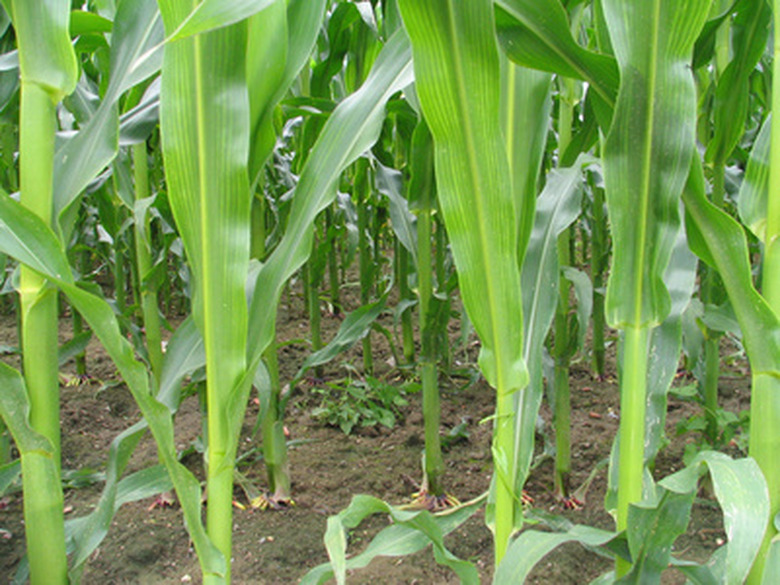
Advantages & Disadvantages Of Herbicides
Advantages & Disadvantages of Herbicides. Whether or not to use herbicides is a matter of much contention both in home gardening and in commercial agriculture. In general, herbicides are effective ways to remove some or all plants from a particular area. Herbicides are quick and effective ways to stop and prevent plant growth. However, herbicides can sometimes build up in the soil and environment and may contaminate vegetables.
Read More
How To Kill Horsetail
How to Kill Horsetail. Horsetails (also known as Equisetum) are one of the most tenacious weeds a gardener can face. Their root systems spread many feet down and to the side and, when they are cut down, the plant often responds by spreading out and sprouting somewhere else nearby. Horsetail plants are also resistant to weed killers, which means there is no easy way to address them, chemical or otherwise. If you want to eliminate your Equisetum plant plague, you will have to approach the problem with patience and diligence.
Read More
Herbicides That Will Kill Cattail
Herbicides That Will Kill Cattail. Cattails are invasive aquatic plants that thrive on the edges of streams, ponds and swamps. The herbicides used to kill them ordinarily require a surfactant registered for use on aquatic plants. A surfactant is an agent that allows the herbicide to spread more evenly on water and not form beads. Herbicides containing glyphosate are most often recommended to kill cattails. Always follow the directions on the manufacturer's label.
Read MoreHow To Grow Huckleberries
How to Grow Huckleberries. Huckleberries ripen in the late summer and can be used as the filling for pies or to make jam. The small round berries grow on the huckleberry bush, which can get from 2 to 6 feet in height. There are different varieties of huckleberry plants, with some bearing blue colored or black colored berries. The plant prefers moist soil that is either sandy or peaty in composition, and locations with partial shade. Huckleberries grow in the wild and can be found in regions such as the Atlantic Coastal Plain.
Read MoreHow To Get Rid Of Blackberry Bushes
How to Get Rid of Blackberry Bushes. A blackberry plant is an irritating garden invader if you did plan to, or do not wish to, grow the berries. It is a prickly, pushy, fast-growing plant that is not easily removed. Mowing it, burning it or bulldozing it all encourage new growth and cell production. Burning encourages the plant to re-sprout from rhizomes, while bulldozing spreads the plant by scattering the roots and stems around, which then re-sprout in new locations. The best way to get rid of a blackberry bush is to completely remove the plant, root systems and all fragments, then rot away the stump. Using herbicides, though not ideal, is another option.
Read MoreHow To Divide Agave
How to Divide Agave. As your agave plants grow, they will start to produce new baby agave plants called "pups." These look exactly like miniature versions of the parent agave plants. Whether you want to share them with friends and family or simply transplant them to another area of your yard, you will likely want to divide them to keep all your agave plants healthy. It is not difficult to divide them, and you can plant them in the ground or in pots with equal rates of success.
Read More
How To Grow Marigolds Indoors
How to Grow Marigolds Indoors. Marigolds add an assortment of orange and yellow color to the flower garden. These hardy annuals make a great indoor flower for kitchen windows or indoor gardens. Although certain varieties like the crackerjack marigold grows as tall as 4 feet, the smaller varieties, like the dwarf French marigold, produce a compact plant that averages a height of 6 to 8 inches.
Read More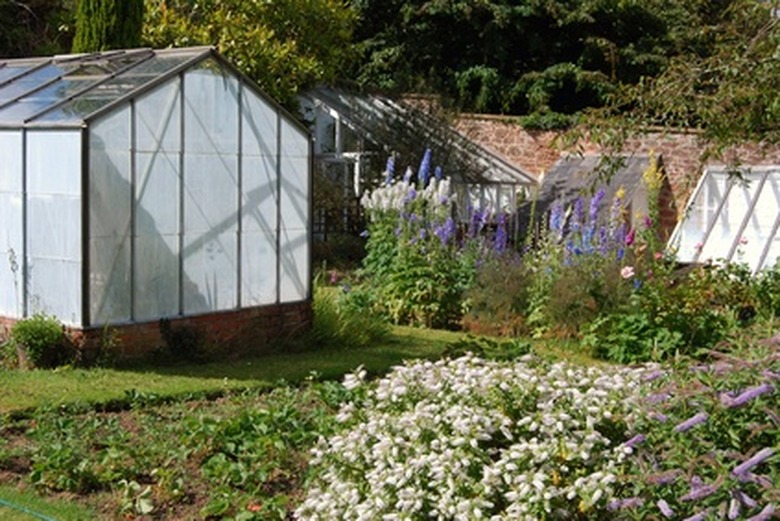
How To Heat A Plastic Greenhouse Safely & Cheaply
How to Heat a Plastic Greenhouse Safely & Cheaply. One of the most inexpensive hobby-type greenhouses is the hoop house. Hoop houses can be constructed quickly by staking PVC pipe to the ground in a half-circle shape to form a tunnel and then stretching plastic over the frame. During daylight hours sunlight naturally warms this type of greenhouse. At night, there are several simple and inexpensive methods you can use to heat the structure.
Read MoreHow To Winterize Citronella Geraniums
How to Winterize Citronella Geraniums. The citronella geranium, also sometimes called a "mosquito shoo" geranium in mail order plant catalogs because of its lemon scent, is from the genus pelargonium, the scented geranium family. It is categorized as an annual, but the citronella geranium can last for many years if brought indoors during winter, or by propagating the plant through cuttings you keep indoors during winter. If left outside after temperatures dip below 32 degrees F, the plant will die.
Read MoreWhen To Plant Azalea Bushes
When to Plant Azalea Bushes. The United States National Arboretum recommends planting azalea bushes in either early spring or early fall in soil with good drainage. Azalea plants do not need to be planted deeply, and should be watered once a week for the first year.
Read More
Fixing Dusty Topsoil
Fixing Dusty Topsoil. Dusty topsoil is a common problem in the average yard. The root of the problem is most likely compacted soil. What happens is the top layer of soil will loosen up from the underlying compacted soil and blow around in the wind. Seeds won't germinate in this loose, dusty soil because their roots can't penetrate into the compacted soil below. Once you amend the soil and restore it to a healthy condition, you'll be able to get grass or plants to thrive in it and your dust problem will abate.
Read More


Structures (8)

What Are The Tiny & Wiry Red Worms In The Pond?
What Are the Tiny & Wiry Red Worms in the Pond?
Read More
How To Use Granite Around A Fire Pit
How to Use Granite Around a Fire Pit. Granite pavers are an easy way to add a classic finishing touch to an outdoor fire pit. Pavers are already shaped, available in triangular capstones and in curved curbstone, so assembling a ring around an existing fire pit capped with shaped capstones is no more difficult than stacking the pieces and gluing them together. A fire pit made from concrete or cinder block and mortar, and lined with fire brick is ready for granite finishing stones, as the concrete block and fire brick provide the granite stones necessary protection from the fire's heat that would otherwise cause the granite to crack and/or discolor.
Read More
How To Stabilize A Clothesline Post
How to Stabilize a Clothesline Post. From wear and tear to abuse by the elements, even the most sturdy of clothesline posts can become loose and shaky over time. The best way to reinforce the foundation of a post is to use concrete on the below-ground area of the post.
Read MoreHow To Keep Weeds Out Of A Gravel Driveway
How to Keep Weeds Out of a Gravel Driveway. Many people prefer the rustic appearance of a gravel driveway. While a gravel driveway may be less expensive to install and maintain than a cement or blacktop driveway, many homeowners pay for this in time spent weeding. Weeds in a gravel driveway are notorious and unrelenting in many cases. If weeds are trying to take over and ruin the appearance of your gravel driveway, there are effective options for eradicating them.
Read MoreHow To Set Up Armillary Sundials
How to Set Up Armillary Sundials. Based on ancient designs, armillary sundials--when properly sited and positioned--are surprisingly accurate. In use since Grecian times, armillaries are composed of complex, interlocking spheres supporting an arrow-shaped gnomon. As the sun travels across the sky, the gnomon casts a shadow onto a surface that indicates the hour. Armillary sundials are usually made of cast brass, bronze or aluminum. Sizes, materials and designs vary, but placement instructions are the same for any style.
Read More
DIY Rebar Bender
DIY Rebar Bender. Steel reinforcement bar -- rebar for short -- is an essential ingredient of concrete foundations, footings and walls, and it has many other uses as well. Pros often bring a rebar bender with them to a job site, but if you need to make a only few bends, there is an easy way to do it without a professional's bender.
Read More
How To Install Dry Stack Cultured Stones
How to Install Dry Stack Cultured Stones. Dry stack cultured stones are created from concrete molds to resemble natural rocks. Installed as a wall, the stones create the appearance of full-size dry stacked stones, even though the molded stones are a stone veneer a few inches deep. The installation process creates the dry stacked illusion. Mount the stones with no spaces between them, giving the appearance of stacked stones. Unlike traditional dry stacked stones, the cultured stones are held in place by the mortar behind them rather than the weight of the stones.
Read More
How To Use A Carborundum Blade
How to Use a Carborundum Blade. Carborundum is the trade name for silicon carbide, an artificial crystal invented in 1890. Although the result of a failed experiment that sought to create diamond by putting carbon under pressure, it was quickly discovered that carborundum was a useful abrasive. Carborundum is still widely used today as a material in grinding stones and abrasive cutting blades. Although not as hard as diamond blades, carborundum blades are be used to cut new or "green" concrete.
Read More


Trees (128)

How To Graft Pine Trees
How to Graft Pine Trees. Most trees that are grafted are hybrid trees; they do not reproduce seedlings that are exactly the same as their parent trees. But there are a handful of reasons for grafting a pine tree. Reasons for grafting pine trees range from filling in bare spots on ornamental or Christmas trees to creating trees that are more disease-resistant or that have accelerated breeding cycles. Several different grafts are suitable for grafting pine trees.
Read More

Fern Leafed Tree Identification
Fern Leafed Tree Identification. Irregular palm-shaped fronds make fern trees immediately identifiable. They are tropical and subtropical plants that will often pull nutrients and water directly from the air, meaning soil requirements for the tree are minimal. They are found mostly in the southern region of the United States.
Read More
Tree Types Of The Catskill Mountains In New York
Tree Types of the Catskill Mountains in New York. New York State's Catskill mountains cover almost 300,000 acres of land, every inch of which is protected by the Constitution of New York State. A series of 98 mountains over 3,000 feet in height, the Catskills have long been a vacation destination. Blanketed by a variety of deciduous and coniferous trees, visitors to the area in the fall are treated to a palette of rich colors as the blanket of verdant foliage turns to brilliant color with the first frost.
Read More
Yellow Leaves On A Cleveland Pear Tree
Yellow Leaves on a Cleveland Pear Tree. Cleveland pear trees or Chanticleer pear trees (Pyrus calleryana Chanticleer) feature fragrant white blossoms in April or May. The trees grow in hardiness zones 5 to 8 and are generally quite hardy, according to Arbor Day Foundation. Cleveland pear trees are fairly disease resistant, so leaf yellowing can puzzle novice and experienced gardeners. Cleveland pear trees (and many other yard trees) can develop yellow leaves for a number of reasons.
Read More
How To Prune White Fir
How to Prune White Fir. A White Fir is beautiful evergreen sometimes called the Concolor Fir. Concolor is in reference to its uniform color. The 1 ½ to 2 ½ inch long needles (longest needles of the fir family) are a pale blue green color. It can grow to a height of 35 to 40 feet and a width of 15 to 30 feet. The white fir makes a wonderful specimen tree in your landscape design. This evergreen requires very little pruning. You may have to remove damaged branches on occasion or perhaps promote a new leader due to loss of the original leader of the tree. Never prune the lower branches of the white fir as this will destroy its natural form.
Read More

How To Fertilize Cedar Trees
How to Fertilize Cedar Trees. Fertilizing your cedar trees is an effective way to help heal an ailing tree. Causes of cedar distress can be lack of nutrients in the soil, poor drainage or disease. Before applying fertilizer, it is a good idea to first find the cause of the distress and correct it. Lightening heavy clay soils with peat moss will improve drainage. Diseases, such as the common cedar apple rust, can be treated with an application of fungicide. Problems such as these should be treated prior to the application of fertilizer.
Read More
Difference Between A Birch Tree & An Aspen Tree
Difference Between a Birch Tree & an Aspen Tree. Birch trees, of the genus Betula, are quite different than aspen trees, of the genus Populus. Both trees have the capability of growing to around the same height, and both share bright fall foliage. The color of the autumn leaves and the general height of these trees is where the similarities end, as there are many differences between birch trees and aspen trees.
Read More
Varieties Of Birch Trees
Varieties of Birch Trees. According to the United States Department of Agriculture website, homeowners select birch trees as ornamental species for different reasons. The bark of many kinds of birch trees is distinctive, coming in a variety of colors and textures that make the tree unique. The slender form of most birches appeals to landscapers. Birches are common in many parts of Canada and throughout much of the United States.
Read More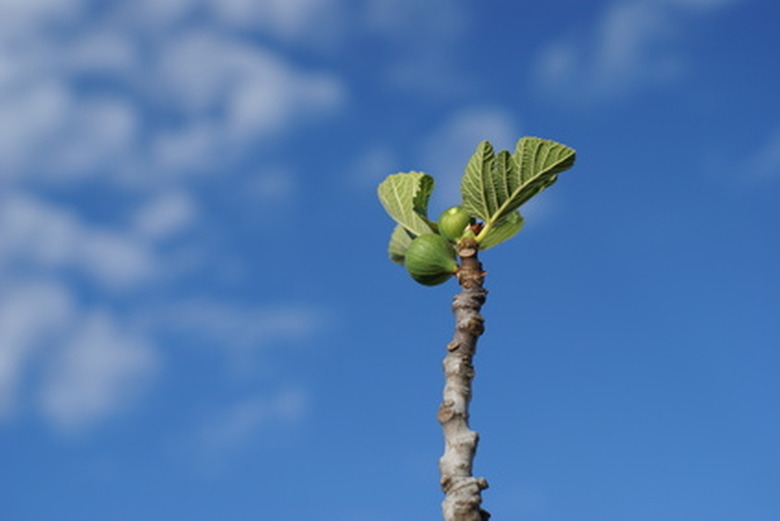
How To Grow A Fig Tree From A Shoot
How to Grow a Fig Tree From a Shoot. Growing a fig tree from cutting a shoot off of a mother tree will produce an identical offspring. You can use the limbs that are removed from the fig tree in late winter from pruning. After placing the young shoot in a potting soil and sand mixture, new leaves will appear in less than three weeks. In most cases by early May, the new shoots will be ready to place in the ground and literally take off. Basic tools are all that is required for growing new fig trees from a mother plant.
Read More
How To Identify A Mulberry Tree Leaf
How to Identify a Mulberry Tree Leaf. The mulberry tree (Morus spp.) has several specific varieties. The white mulberry is native to China and the black mulberry is native to western Asia, while the red or American mulberry is native to the eastern United States. All mulberry trees produce berry-like clusters of edible fruit that resemble larger loganberries. The white mulberry tree can reach 80 feet in height, while the black mulberry grows to only 30 feet. Identifying mulberry trees by their leaves can be difficult, because their leaves are perhaps the least-unique part of the tree. Purchase a tree species guidebook from your local cooperative extension service or borrow one from your local library to help you identify mulberry tree leaves.
Read More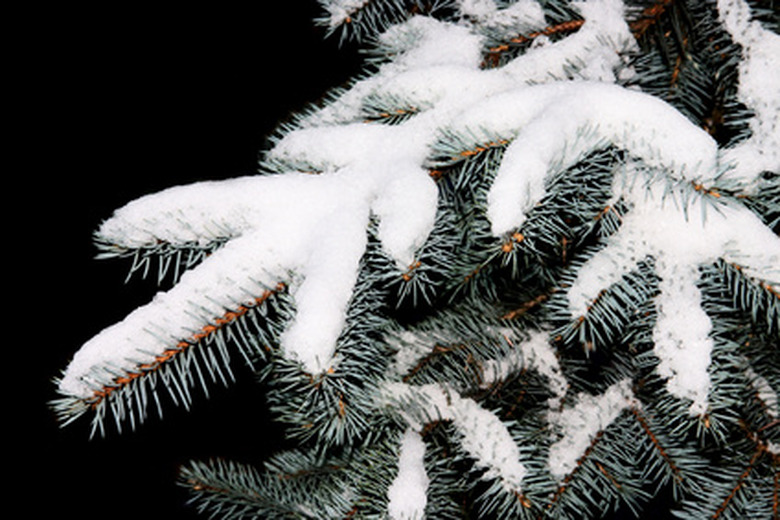
Black Hills Spruce Facts
Black Hills Spruce Facts. The Black Hills spruce tree (Picea glauca var. densata) grows naturally in the Black Hills area of South Dakota and is a variation of a white spruce. The tree grows to a height of 95 feet with a large canopy spread of about 42 feet. Numerous experts believe it does not differ enough from the white spruce to have a classification, according to the Missouri Botanic Garden.
Read More
How To Propagate A Bay Tree
How to Propagate a Bay Tree. The bay tree, Laurus nobilis, is a large, attractive evergreen tree that gives us the culinary leaves known and loved by cooks everywhere. The California bay can also be used for cooking. Here is some information on how to propagate these trees.
Read More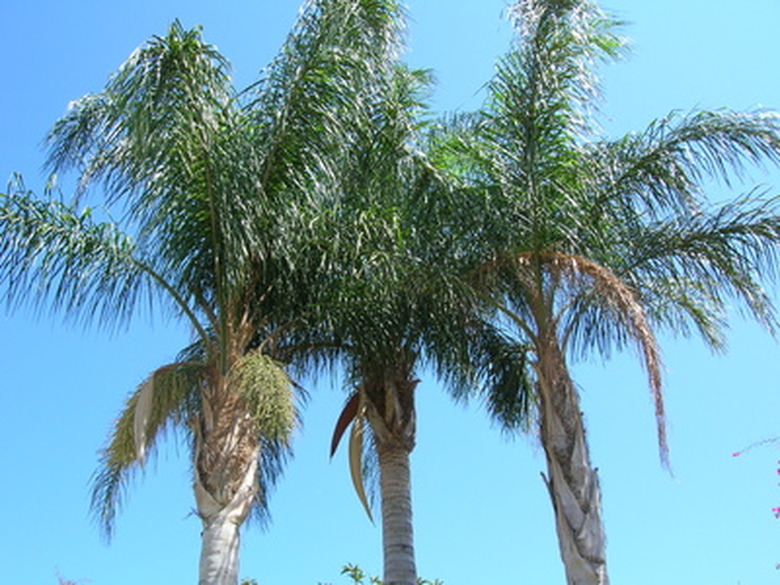
How To Tell If A Queen Palm Is Dead
How to Tell If a Queen Palm Is Dead. Queen palms are a very popular palm in the extreme southern parts of the United States. They are primarily grown where wintertime temperatures stay above 25 degrees F. Like any other plant, queen palms can fall prey to a multitude of conditions which can ultimately result in the death of the queen palm. Palms can be successful at masking their ill health until it's too late, which can make it challenging to tell if a queen palm is dead. By looking for a few key characteristics, however, you should be able to fairly easily identify a dead queen palm.
Read More
Birch Tree Blight
Birch Tree Blight. Birches make striking ornamental trees. Whether you live in the South and choose a delicate-skinned river birch or you plant a hardy white paper birch in the North, cool soil on its roots and plenty of sunshine on its top will go a long way toward keeping your tree healthy. The sudden death of your birch tree's foliage should signal that it needs some serious attention.
Read More
How To Fertilize A Queen Palm
How to Fertilize a Queen Palm. Queen palm, known botanically as Syagrus romanzoffiana, is a single-trunk palm that grows tall and straight, reaching up to 50 feet in height. Queen palms are recognizable by their relatively smooth grayish to taupe-colored bark and the fine long green fronds that cascade down from the stems. They are tropical trees and are reliably hardy only in USDA zones 9b through 11.
Read More
Fungicide To Treat Blue Mold In Pine Trees
Fungicide to Treat Blue Mold in Pine Trees. There are no effective fungicides to kill the yeast-like blue stain fungus, Grosmannia clavigera, a parasite of the mountain pine beetle. The only way to control blue stain fungi, a species of sac fungi and not a mold, is to suppress the host pine beetle. This is not an easy challenge; since a fungicide is not option, the first step toward eliminating the fungus is to understand the relationship between the fungus, the beetle and the pine tree.
Read More

How To Grow Peach Trees In Arizona
How to Grow Peach Trees in Arizona. In Arizona, gardeners in the low deserts around Phoenix and Tuscon successfully grow peach trees only if they select those with low winter chill requirements. Higher elevations, such as Prescott and Flagstaff, have greater leeway when selecting peach varieties, but may have late frosts. Arizona also throws strong sun, monsoon rains and alkaline soil at peach trees. With a little knowledge, however, you can grow juicy peaches nearly anywhere in the state.
Read More
How To Identify Different Maple Trees
How to Identify Different Maple Trees. Thirteen species of maples that attain tree size grow in the United States, Mexico and Canada, notes the book "Trees of North America," and maples have certain features that set them apart from other kinds of trees. For example, the branches on maple trees grow opposite one other. In addition, the leaves grow opposite one another on the twigs. Maple leaves, for the most part, will be a specific shape and their seeds, known as samaras, are among the most recognizable in the plant kingdom.
Read More
How To Kill Tree Suckers
How to Kill Tree Suckers. Trees with shallow roots commonly develop strong upright shoots called suckers. Some tree species are more prone to develop root suckers than others, including Bradford pears (Pyrus calleryana) and tree of Heaven (Ailanthus altissima). Herbicides applied to suckers can kill the entire tree, so the best control method is to persistently cut back the suckers and hope they don't grow back. If the tree is already cut, herbicides can be used to completely kill the suckers because you won't risk killing the tree. Eventually, the suckers absorb enough herbicide to kill the roots and stop new sucker growth.
Read More
Facts About Grany Smith Apple Trees
Facts About Grany Smith Apple Trees. A Granny Smith apple tree produces apples that are quite tart. Apples grown on a Granny Smith apple tree are different from most other types of apples because Granny Smith apples always stay green and do not change color to indicate ripening. Granny Smith apple trees are quite easy to grow and are not overly susceptible to disease or infestation.
Read More
How To Grow Olive Trees In Containers
How to Grow Olive Trees in Containers. The olive tree is loved not only for its fruit but also for its beauty. Even when the tree is dormant, it presents a lovely, soft accent in any garden. Growing olive trees in containers is not difficult as long as you pay close attention to certain requirements and are growing it within USDA hardiness zones 8 to 11. Plant the olive tree in the largest pot you can find and make sure it has good drainage. Drill extra holes in the bottom of the container if you feel there aren't enough. Choose a location to grow your olive tree that receives a minimum of six hours of sun a day. Two olive tree varieties that do especially well in containers are Manzanillo and Frantoio, which is a good choice if you wish to make olive oil. Olive trees don't bear fruit until they are five years of age.
Read MoreWhat Can You Plant Under A Pine Tree?
What Can You Plant Under a Pine Tree?. When planting beneath pine trees, there are two major challenges: The dense distribution of branches and needles makes it very difficult for light to get through to plants below---and the ground beneath a pine tree becomes acidic from the constant falling of pine needles. There isn't much that you can do to prevent these problems, but there are a few plants that can thrive under these conditions.
Read MoreGrafting A Dogwood Tree
Grafting a Dogwood Tree. Grafting a dogwood tree can be a daunting task for beginners. If you want to turn your white dogwood into a pink dogwood, however, grafting is pretty much your only option. You can also graft a dogwood tree to make it bicolored, so that both pink and white blooms appear on one tree. Whatever your desired outcome, grafting a dogwood tree doesn't have to be a time-consuming or hair-pulling ordeal, as long as you have the right tools, guidance and tips to make your grafting project a blooming success.
Read MoreHickory Leaf Identification
Hickory Leaf Identification. Hickory trees in the United States grow mostly in the eastern part of the nation. The trees include such species as shagbark hickory, pignut hickory, bitternut hickory and the pecan. All of the hickory types produce an edible nut, and all have compound leaves that consist of a long stem that small leaflets grow on. These hickory leaves, though, vary in appearance among species.
Read More
How To Kill Carpenter Ants In Cherry Blossom Trees
How to Kill Carpenter Ants in Cherry Blossom Trees. Carpenter ants often infest cherry blossom and other trees. Although they might be crawling all over your cherry blossom, they are not actually eating its wood. Carpenter ants eat insects and the honeydew that certain tree insects excrete. They do, however, tunnel through the dead or dying wood of cherry blossom trees. After you kill the carpenter ants, call a tree doctor to come out and inspect your tree.
Read MoreWhy Do Fig Leaves Curl?
Why Do Fig Leaves Curl?. Fig leaf curl can be caused by many factors. Mites and other insects may cause stress and leaf curl, and can be treated with an insecticide. Common leaf curl bacteria (Taphrina deformans) attacks figs, peaches and other fruit treas and can be treated with fungicide. Leaf curl is also sometimes caused by drought or general plant stress.
Read More
How To Trim A Potted Ficus Tree
How to Trim a Potted Ficus Tree. Ficus (Ficus benjamina), or weeping fig, is a popular houseplant that grows best in a sunny, draft-free location. Unlike other houseplants, the ficus tree prefers to be root bound. For this reason, a ficus tree can grow 6 to 8 feet tall and 4 to 5 feet wide while planted in a pot that's small relative to its size. A fast grower, ficus trees need frequent pruning to keep a natural, tree-like form. Pruning also allows light to reach the inner leaves and branches.
Read More
Root Killers For Drain Pipes
Root Killers for Drain Pipes. Roots are a common problem in sewer pipes, which constitute a near-perfect hydroponic environment, and they can also become problematic in landscaping and other drain lines. An easy way to control them is to plant far from drains so that roots don't ever reach the pipes. Once the roots are established in the pipes, however, you have two options. You can blast them out, using mechanical means, or you can treat them with chemicals.
Read MoreHow To Debark Pine Trees
How to Debark Pine Trees. Making your own wooden posts or prepping a pine tree for cutting wood planks out of the pine log is a fairly straightforward process. Debarking machines can cost up to $1,000 alone to rent, depending on the log size you plan to debark. If you only have to debark a few pine trees, this is something you can do on your own without a large debarking machine. Debarking without a machine is physical, but rewarding labor.
Read MoreHow To Remove Excess Sap From A Pine Tree Trunk
How to Remove Excess Sap From a Pine Tree Trunk. Pine trees are known for producing a lot of sap, especially in the spring and early summer. If the bark surface is scratched or harmed, sap will flow to the area to heal the wound. Sometimes, the sap will flow for a while before it covers the area. This large mass of sap can be unsightly on a tree, although it is not harmful to the tree itself. You can remove it safely without causing any damage to the pine tree trunk.
Read More

Alabama Tree Identification
Alabama Tree Identification. Alabama A&M University and Auburn University list 66 trees as those most commonly found in Alabama. From sturdy evergreens such as loblolly pine to the delicate magnolia, Alabama trees offer a wealth of diversity. This diversity, however, can present a problem for those trying to identify these trees. Paying attention to each tree's unique leaves and bark is the key to successful identification.
Read MoreHow To Grow Bonsai Pomegranate Trees
How to Grow Bonsai Pomegranate Trees. Dwarf pomegranate seeds are ideal for planting and growing into bonsai trees. These plants are similar to the traditional pomegranate tree in everything except size. Your bonsai is even capable of producing fruit after one to two years of growth. Pomegranate trees are naturally twisted and gnarled in appearance, so they make for a decorative bonsai in any house. Pomegranate bonsai trees are much easier to care for and grow than traditional bonsai trees.
Read More
Vines That Grow Under Cedar Trees
Vines That Grow Under Cedar Trees. As evergreens, cedar trees keep their needles and color all year long. To add another layer of color and texture around the cedar tree, plant a vine. Because the cedar tree casts dense shade to the garden below, vines must have the ability to withstand some shade to thrive in the soil below. Tucked under the cedar tree, a flowering vine helps to add color to the garden for a showy display.
Read More
Plants That Resemble Poison Oak
Plants That Resemble Poison Oak. Poison oak, or Toxicodendron diversilobum, is a plant found primarily in the western half of the United States, but also pops up in the eastern part as well. This diverse plant takes many forms and there are a number of plants that are confused for this pesky species. Prevent contact with poison oak by learning some of its many look-alikes. If you suspect you have come into contact with poison oak or develop an unidentified rash after handling an unknown plant, seek the advice of a licensed medical professional.
Read More
Cypress Tree Uses
Cypress Tree Uses. Cypress trees have been used for many purposes over time. The wood from the tree is lightweight, durable and has no sap; cypress wood is known for not being prone to common problems such as splintering, cracking, warping or splitting. These are the main reasons why cypress trees are favored for a variety of uses.
Read More
Different Kinds Of Tree Cones
Different Kinds of Tree Cones. Conifers, or cone-bearing trees, are mostly evergreen and have thin, spiky leaves called needles. Conifers include the pine, fir and spruce families. The cones of these trees vary widely in size, color and texture, but all carry and protect the tree's seeds until they are mature, at which point the cones release the seeds to the winds. Some deciduous trees also form hard, conical-shaped seed pods, but these are properly called catkins rather than cones.
Read MorePeppermint Willow Trees
Peppermint Willow Trees. Growing personally selected trees in your yard is at once a challenging project for the novice gardener and one of the best ways to customize the appearance of your front or back yard. The peppermint willow tree, for example, can add a characteristic weeping willow look to any lawn in which it growing. Arguably the most important part of successfully growing your own trees is to learn all the essential characteristics of that tree -- such as the tendency for the peppermint willow to grow outwards rather than upwards -- both to know if the tree will even flourish in your climate and to monitor the tree's health should you decide to plant it.
Read More
Do Pine Trees Have A Taproot?
Do Pine Trees Have a Taproot?. Some pine trees have taproots that grow until the trees reach their mature heights. Longleaf pines develop 10- to 15-foot taproots. Scotch pines, however, may not develop taproots. Their horizontal roots occasionally grow downward to function as taproots. True taproots are more likely on Scotch pines in sandy soils.
Read More
How To Start A Dogwood Bonsai Tree
How to Start a Dogwood Bonsai Tree. Dogwoods trees are loved by many due to the masses of blooms they produce in early spring. Dogwood bonsai trees are miniature versions of the outdoor dogwood trees, complete with blooms. You can start Dogwood bonsais from a dogwood tree in your yard, because there is no such thing as a bonsai tree seed. Instead, it is the bonsai pruning techniques and the small pots of bonsai dogwoods that keep them small.
Read More
How To Neutralize Soil Under Pine Trees
How to Neutralize Soil Under Pine Trees. Grass and other plants stop growing under a pine tree for two primary reasons. One is the shade; the other is the extra acidity from pine needles that drop onto the soil and decompose. Grass grows poorly in acidic soil, so you'll have to neutralize the soil under your pine trees. This is easily accomplished by adding an alkaline soil amendment.
Read More
Apple Trees In Arizona
Apple Trees in Arizona. Arizona's climate is often not thought suitable for apples. However, apples grow very well in Arizona with adequate irrigation and care. The type of apple that is best will depend on your climate zone. According to the USDA Plant Hardiness Zone Map, some parts of Arizona are in the colder part of Zone 5. Although many varieties of apples will grow in those areas, some may not do well in the colder winters and springs.
Read More
When Do Birch Trees Pollinate?
When Do Birch Trees Pollinate?. Birches are termed "monoecious," meaning that the trees bear both male and female flowers on the same branch. Closely related to oaks and beech trees, each birch produces sufficient pollen to fertilize its female flowers in the springtime.
Read More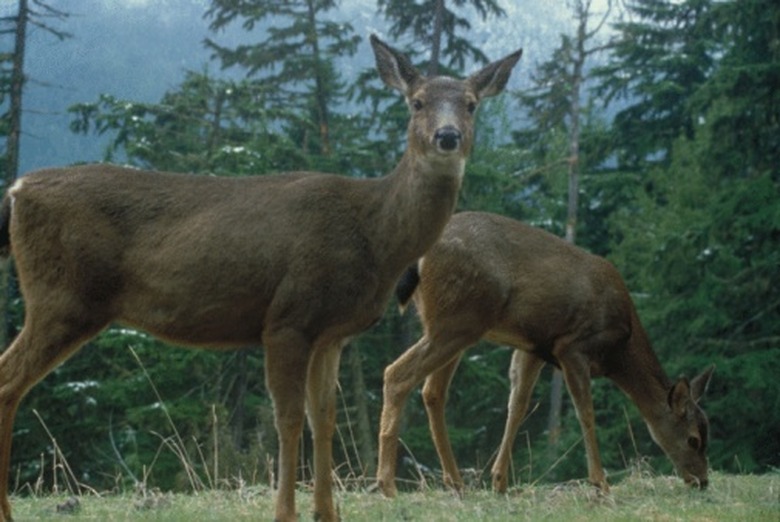
Deer-Resistant Weeping Trees
Deer-Resistant Weeping Trees. While many ways exist to deter deer from eating weeping trees, such as fencing and sprays, they tend to be costly and time consuming. The easiest method is to select varieties of weeping trees unappealing to deer.
Read More
Uses For Poplar Trees
Uses for Poplar Trees. Poplar trees are fast-growing, deciduous trees. There are more than 30 species of populus plants worldwide, with many more hybrids. Poplars range widely in appearance, with some plants looking more like short shrubs, and others that grow as towering trees. In America, many poplars are known as cottonwoods or aspen trees. There are many uses for this popular tree, both in the home garden and commercially.
Read MoreHow To Prune A Needle Palm
How to Prune a Needle Palm. Needle palm, known botanically as Rhapidophyllum hystrix, is a low-growing clump form palm. According to the University of Florida IFAS, they are among the palms most tolerant of cold temperatures and can even tolerate moderate to heavy frost. Needle palm takes it name from the thin, long spikes that stand sentry over the crown of the palm. These make the palm tricky to work with and around. Needle palms require little pruning save the removal of damaged or dead fronds, size control or should it need to be transplanted.
Read More
Advantages Of Rubber Tapping
Advantages of Rubber Tapping. Natural rubber occurs in the extracted sap, or latex, of a rubber tree. The Para rubber tree, Hevea brasiliensis, is the most economically important latex source. Latex is present in tube-like vessels within the soft inner bark of this tree. There is no latex within the tree's wood or in its outer bark. Hevea grows to a height of over 140 feet. The tree is vulnerable to frost as low temperatures make its rubber brittle.
Read More
How To Plant A Weeping Pea Tree
How to Plant a Weeping Pea Tree. The weeping pea tree (Caragana arborescens), also called the Siberian pea shrub or weeping pea shrub, is a deciduous shrub-like tree that has a fern-like, weeping form. This unique tree grows up to 8 feet tall and 6 feet wide, blooming with pea-shaped yellow flowers in late May. The weeping pea tree has satiny bark and delicate green leaves. Weeping pea trees are extremely hardy, tolerating winter temperatures down to -45 degrees Fahrenheit. The weeping pea tree can grow naturally into a full, wide shrub or be pruned into a small tree form.
Read MoreHow To Stop Rust On A Pear Tree
How to Stop Rust on a Pear Tree. Pear rust, also known as pear trellis rust, is a fungus spread by wind-blown spores. Both juniper and pear trees suffer from this fungal disease, and they spread it rampantly to each other when the two types of trees are planted close to one another. Pear rust is most common in Europe, on southern Vancouver Island, in one county in California and in one area of Washington State. Rust is difficult to stop, especially if your neighborhood has a lot of junipers and pear trees planted close enough to each other that the spores can spread through the air. There are some preventive measures you can take, however, to stop pear rust.
Read MoreFacts About The Siberian Elm Tree
Facts About the Siberian Elm Tree. The Siberian elm is an introduced deciduous tree, originating from northern Asia, and was introduced to the United States in the mid-1800s. Originally planted as windbreaks, and as shade trees, Siberian elm has since escaped cultivation and spread and is now considered an invasive species in many areas of the country.
Read More
How To Stop An Evergreen From Growing
How to Stop an Evergreen From Growing. Evergreen trees tend to get fairly high in most cases, overpowering some smaller lawn areas. If you would like to have a certain evergreen tree but do not want it to go past a certain height, you can stop it, but it will require some maintenance to keep it under control. This is especially true on the sides, which will spread.
Read More
Which Pine Trees Grow Fast?
Which Pine Trees Grow Fast?. Pine trees are desirable for their evergreen color, fragrant needles and interesting seed cones. Many are commonly used as Christmas trees. The Pinus species of trees varies widely, from the ancient bristlecone pine to pine trees that grow fast and are often used as either a specimen tree or to form hedges, windbreaks or privacy screens.
Read MoreHow To Propagate A Crabapple Tree
How to Propagate a Crabapple Tree. Few ornamental trees make a more dramatic visual impact on the landscape than the crabapple. In the springtime, the tree will be loaded with bright pink, white or red blossoms. The small, tart fruit appears in late summer, and in autumn, the leaves will turn to bright shades of orange and red. Start a crabapple tree by taking a softwood cutting between May and July, when the branches are still tender.
Read More
How To Grow Palm Trees In Ohio
How to Grow Palm Trees in Ohio. The winter temperatures in Ohio are too cold for a palm tree to grow outdoors, but an indoor potted palm tree will add a tropical feel to any room in the house. There are several varieties of indoor palm trees with each having different light requirements. Monitor the palm tree for the first two or three months of growth to verify there are no problems.
Read MoreHow To Fix A Leaning Birch Tree
How to Fix a Leaning Birch Tree. Birch trees are used for landscaping due to their delicate foliage, bark coloration and susceptibility to insects. Towering up to 50 feet in height, these trees stand out against any background and make a bold statement. However, sometimes severe windstorms or soil erosion may cause them to lean to one side. Mend these trees immediately to prevent them from tearing at the roots, which could be dangerous for people or structures nearby. It's possible to fix a leaning birch tree yourself instead of hiring and paying a professional to do it.
Read MoreHow To Treat Oak Trees With Leaf Blister
How to Treat Oak Trees With Leaf Blister. Leaf blister in oak trees often strikes when spring is unseasonably cool and wet. The disease overwinters in bud scales or crevices in the bark. Then, during the following spring, it is transferred to budding leaves. Although leaf blister is unsightly, it does not present any immediate threat to oak trees. However, a severe case may cause premature leaf drop and if left untreated for years, it can weaken oak trees and stunt their growth.
Read More
How To Winterize Cherry Trees
How to Winterize Cherry Trees. Cherry trees provide nice treats on a yearly basis. They offer lovely blooms in the spring or fall, and they offer sweet or tart cherries in the summer, if you have a fruit-bearing cherry tree. While cherry trees have different USDA zones, generally tart cherries grow in zones 4 through 9, while sweet cherries grow best in zones 5 through 9. Although they do need the cold period to go dormant some winter care for cherry trees is a good idea. Winterizing cherry trees will help them survive the colder months of the year.
Read More
How To Bonsai A Pine Tree
How to Bonsai a Pine Tree. The pine tree is a popular bonsai. With more than 100 species, the pinus family provides a bonsai for every enthusiast, from novice to expert. This is a hardy and adaptable tree that adjusts well to pruning and training. Though tolerant, the pine bonsai requires generous attention, and its maintenance differs slightly from most bonsai selections.
Read More
How To Kill Cedar Trees
How to Kill Cedar Trees. Cedar trees, also called juniper trees, exhibit invasive tendencies in many areas. Farmers and ranchers remove these trees to provide room for crops and livestock. The spreading nature of cedar trees on rangelands reduces the amount of desirable crops for harvesting and grazing. Homeowners also wage war against these invasive trees in yards and landscapes. Cedar trees compete with other plants for soil nutrients and water. Get rid of invasive cedars in your own landscape to allow room for favored trees, shrubs and flowers.
Read More
How To Grow Cypress Trees From Cypress Balls
How to Grow Cypress Trees from Cypress Balls. Cypress trees are grown not only for their durable, decay-resistant wood but for their robust display as Christmas trees. As they are easy to grow in symmetrical rows, Leyland cypress trees are often grown in home lawns to create a sense of privacy from neighbors. Whatever the purpose, cypress trees are hardy plants that grow from dense root balls at the base of the trunk. It can take several years for trees planted from cypress balls to mature and become fully established.
Read More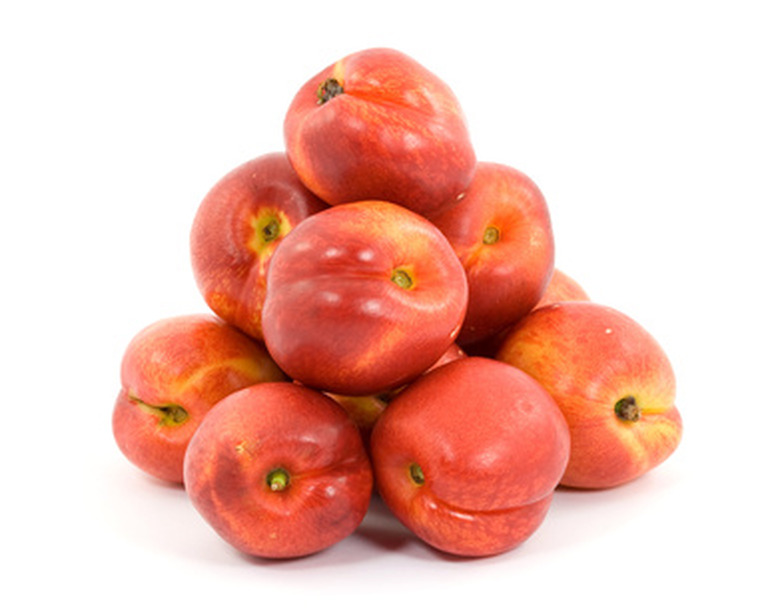
Peach Trees Grown In Texas
Peach Trees Grown in Texas. Peaches, as a whole, grow well in Texas. The varieties that grow particularly well in the state are divided by the amount of cold chilling required for fruit to set the following year. Cold chilling is defined as the number of days colder than 45 degrees F during the winter. Without adequate chilling, some varieties of peaches won't produce peaches. South Texas has the fewest number of chilling days per season, while north Texas has the most. Plant peaches in fertile, well draining soil in a location where they will get full sun. Peaches need adequate water, so irrigate peach trees growing in the drier parts of Texas.
Read More
How To Prune Eucalyptus Trees
How to Prune Eucalyptus Trees. Eucalyptus trees are planted all over the world, although they are native to Australia. They are not exactly cold-hardy, only surviving in USDA zones six through 11. Eucalyptus trees are a lovely yard tree, with their tall trunks and mass of silvery leaves that make a statement wherever they are planted. Pruning a eucalyptus tree is easy, as they only need to be pruned while they are between two and six years old. If you know how to prune a eucalyptus tree properly, you will be able to take care of it for years to come.
Read MoreHow To Remove Pine Sap From Vinyl
How to Remove Pine Sap From Vinyl. If you've ever touched a pine tree, you know how sticky and difficult pine sap is to remove. The sticky substance leaks out of many different kinds of pine trees and seems to stick to everything. Since vinyl is a tough material, it is simpler to get the pine sap off of it without causing any damage. Pine sap is similar is structure to gum and should be removed the same way.
Read MoreHow To Plant Arborvitae Pyramidalis As A Privacy Fence
How to Plant Arborvitae Pyramidalis As a Privacy Fence. The arborvitae pyramidalis (Thuja occidentalis Pyramidalis), also known as the pyramidal arborvitae, is a tall but slender evergreen tree. The pyramidal arborvitae reaches 15 to 25 feet tall and 3 to 5 feet wide at maturity. Due to its compact growth habit and evergreen foliage, the pyramidalis arborvitae is most often grown in groupings to create hedges or privacy screens. This arborvitae grows best in USDA Hardiness zones 3 through 8, where winters are colder and minimum annual temperatures are as cold as minus 35 degrees F.
Read MoreHow To Propagate Robinia Pseudoacacia Cuttings
How to Propagate Robinia Pseudoacacia Cuttings. Robinia Pseudoacacia, also known as the Black Locust, is a fast-growing tree that spreads rapidly through root suckers. Entire groves of Robinia Pseudoacacia can sprout in a very short time, each tree connected to the next via its roots. In many places Robinia Pseudoacacia is considered almost a weed. For those interested in propagating trees that are genetically identical to a parent tree, propagating by seeds is not an option due to the tremendous genetic variables that can occur in seeds. In order to raise trees that are genetically identical to a parent tree, cuttings are the only viable method, although cuttings of the Robinia Pseudoacacia can be difficult to root.
Read More
How To Fertilize Pine Trees
How to Fertilize Pine Trees. Pine trees are a type of evergreen that grow naturally throughout most of the northern hemisphere, but now can be found even in tropical regions. Pine trees generally do not require fertilizer, but it may be necessary if they are growing in poor soil. However, caution must be taken when fertilizing these trees. as too much fertilizer can actually cause damage to the tree. To ensure your pine tree stays healthy, use the proper fertilizing technique.
Read More
Facts On The Tulip Poplar Tree
Facts on the Tulip Poplar Tree. Native to the eastern elevations of North America, the tulip poplar tree (Liriodendron tulipifera) is a deciduous tree that is also known as yellow poplar. It is not a member of the poplar family (Populus sp.), but lumberyards label the wood as poplar wood, shortening the common name of yellow poplar. The scientific name, Liriodendron, means lily tree.
Read MoreHow To Grow Burr Oak Trees From Seed
How to Grow Burr Oak Trees From Seed. Burr (or bur) oak trees can reach a height and width greater than 100 feet. Even the limbs, leaves and acorns of the burr oak tree are huge. The acorn can be wider than 1 inch and is topped with what looks like a burr. The wide canopy of burr oak makes it an excellent shade tree. You can grow burr oak trees from acorns to start your own shade oasis, but it will take time because burr oak is a slow grower. The tree is sold commercially as white oak.
Read MoreHow To Prune A Salix Caprea Pendula
How to Prune a Salix Caprea Pendula. The Kilmarnock willow (Salix caprea 'Pendula') is usually grafted upon another willow tree trunk to create a large mounding shrub or small weeping tree for use in ornamental garden displays. Growing 5 to 6 feet tall (or more if the graft on the trunk is higher) and 6 feet wide, it develops a dense head of thick yellowish brown twigs that bear gray and yellow catkin flowers in spring. Eventually, grayish green leaves emerge. Grow Kilmarnock willow in USDA hardiness zones 6 through 8.
Read More
The Best Shade Trees In Eastern Colorado
The Best Shade Trees in Eastern Colorado. People often view Colorado as being a dry, dusty environment that doesn't support many popular shade trees. However, much of Colorado, including most of eastern Colorado, is in USDA Climate Zone 5. As such, many good shade trees will grow in eastern Colorado. The only thing to keep in mind is that some trees may need supplemental water during drier seasons or droughts.
Read MoreHow To Prune A Mimosa Tree
How to Prune a Mimosa Tree. Mimosa, or silk tree or silky acacia, was introduced to the Americas in the 1700s and now thrives in the zones 6 to 9. Where winters are mild, little pruning is needed for this vigorous and invasive tree. Toward the northern part of its American range, heavy pruning in early spring helps mimosa trees recover from winter die-back.
Read MoreHow To Prune A Chaste Tree
How to Prune a Chaste Tree. A chaste tree (Vitex agnus-castus) can be grown as a large, multi-stemmed shrub or as a single-trunk tree. It grows 15 to 20 feet tall and wide. It is a deciduous tree that blooms in May and June with lavender, purple, pink or white flowers. A chaste tree blooms on the current season's growth. Prune the tree while it is dormant, usually in December to early March, to encourage new growth and more blooms.
Read More
What Makes Knots In Trees?
What Makes Knots in Trees?. As trees grow and mature, they often develop knots and other imperfections. The presence of knots is most noticeable when the tree is cut down for timber. Knots sometimes weaken timber, but can also be manipulated for their artistic quality in finished products. Usually knots are a normal part of tree growth; however, they can be the result of disease or improper pruning.
Read More
How To Start A Cleveland Pear Tree
How to Start a Cleveland Pear Tree. A Cleveland pear tree is known for its improvement over the very common Bradford pear tree, which has blanketed the suburban United States over the past few years. The Cleveland is more narrow and forms its branches more spaced out on the trunk, making it less likely to be damaged by storms. Start your own from cuttings since the plant is a hybrid and the seeds produced in the little pears will not produce Cleveland pear trees. Starting a cutting takes a little time, but is usually successful with the right procedures.
Read More
How To Tell If A Black Walnut Is Good Or Bad?
How to Tell If a Black Walnut Is Good or Bad?. The black walnut is a delicacy worth working for. The smoky-sweet nut is seldom available from retailers, but the black walnut tree, Juglans nigra, is commonly grown as an ornamental. If you're harvesting your own nuts, you'll put a lot of effort into preparing them for proper storage. It would be a shame to go to all the trouble of getting black walnuts almost ready, just to open the treasure chest and find a rotten nutmeat inside. It's a good thing there are a couple of little things you can do to tell whether a black walnut is good or bad.
Read More
How To Stop Termite Damage In Pine Trees
How to Stop Termite Damage in Pine Trees. Termites aren’t just a problem for the home. In older or weakened trees, termites can slip under the bark and begin to eat the trunk of the tree from the inside. Although termites prefer hardwood trees, they will also colonize and feed on softwoods, such as southern pine. Once a colony moves into a tree, the termites can nest there and slowly kill the tree from the inside out. The best way to stop termite damage to a pine tree is to kill the termite colony.
Read More
How To Keep A Palm From Growing Tall
How to Keep a Palm From Growing Tall. Keep a palm from growing tall with careful and deliberate pruning practices. Hacking away at the top of a palm plant to shorten it is not the answer. It will result in an unhealthy, damaged tree. Correct pruning encourages the palm's health. Pruning palms does not, as some people think, make the plant grow faster. The key is to be selective about which fronds to remove. Cutting off too many each year will weaken the palm. The tree needs the fronds for food, which develops roots, flowers and fruit.
Read MoreHow To Propagate An Orchid Tree
How to Propagate an Orchid Tree. The orchid tree is a showy, tropical tree that is native to India and parts of Asia. The tree is hardy to plant in USDA growing zones 9 through 11 where the winters are mild. Orchid trees grow to a height of 20 to 40 feet and produce purple-colored flowers that bloom for several months. The tree can be propagated through semi-ripe or softwood stem cuttings taken in early summer. Choose to propagate tree stock from terminal shoot growth that has not been under stress and does not have bud growth.
Read More
Kinds Of Tangerine Trees
Kinds of Tangerine Trees. Tangerines are cold-hardy fruits that grow on a variety of types of tangerine trees. Tangerine trees thrive in subtropical climates, full sunlight and well-drained soil. As a group of the mandarin tree species, they are widely produced and well-suited for citrus fruit hybridization in which different varieties or species are cross-bred to create a new variety. Plant some of the more prominent tangerine trees for successful additions to your garden.
Read More
How To Fix A Rabbit-Chewed Arborvitae
How to Fix a Rabbit-Chewed Arborvitae. Rabbit damage is classified as either shoot or bark damage. Shoot damage occurs on new growth and has distinctive angled cuts. This damage is rarely fatal. Bark damage occurs when rabbits remove the bark from around a branch. If too much bark is removed, all growth above the damage will die. If you're dealing with a shrub, it may rebound from both types of damage with only a little bit of help from you. Trees will only recover if the trunk has not been heavily damaged.
Read MoreHow To Plant A Crimson King Red Leaf Maple Tree
How to Plant a Crimson King Red Leaf Maple Tree. The Crimson King red leaf maple is an adaptable, low-maintenance tree that can grow in nearly any type of soil. This moderately drought-tolerant maple produces a beautiful rich crimson leaf color in cooler climates. Reaching a mature height of 50 feet and width of 35 feet, the Crimson King maple can grow in full sun or in partial shade. Grow your Crimson King red leaf maple as an excellent shade tree. The Crimson King maple grows best in USDA Hardiness Zones 4 through 7, with cooler winters and minimum annual temperatures as low as minus 25 degrees F.
Read MoreHow To Propagate A Leyland Cypress
How to Propagate a Leyland Cypress. The Leyland cypress is a group of sterile hybrid trees. This means there are no naturally created Leyland cypress trees. A rooted cutting must be created in order to propagate. The Leyland cypress is a semi-hard to hardwood variety of evergreen plant. Take cuttings for propagation in late fall after the last growth. The tree might be in a dormant stage at this time. The Leyland cypress grows in most climates as there is no historic natural range for the tree.
Read MoreHow To Prune Amur Maple
How to Prune Amur Maple. Amur maple is a medium-sized tree that's native to Manchuria and Japan. Its large, deeply lobed leaves turn a brilliant, clear red in fall. In spring, it produces masses of small, yellow flowers that are highly fragrant. Amur maple has an elegant, compact form and often grows from multiple trunks. The natural shape of this lovely maple is quite attractive with only minimal pruning. However, you can train it as a standard with a single trunk or even prune it into a tall shrub, if desired. Follow these easy steps to keep your amur maple in shape.
Read More
Oak Trees Of Texas
Oak Trees of Texas. Oak trees are one of the most common trees in the United States. The National Arbor Day Foundation numbers 60 species of oak as native to the United States. In 2004, the oak was officially recognized by Congress as America's National Tree. Texas is home to number of different species of oak, from giant shade trees to smaller shrubs.
Read More
Texas Maple Tree Leaf Identification
Texas Maple Tree Leaf Identification. The maple trees native to Texas do not include such familiar species as the sugar maple or the silver maple, but several maples do grow within the state. Identification of the leaves of the Texas maples, along with some ornamental types, can be challenging, as a few of these trees have very similar foliage. Others though have quite distinct leaves that are easily recognizable once you become familiar with their features.
Read More
Are There Any Dwarf Pecan Trees?
Are There Any Dwarf Pecan Trees?. No dwarf pecan tree exists in the United States, as of 2010. A cultivar with a compact growth habit, called Cheyenne, is available. But according to the University of Florida, Cheyenne is not recommended for use in the southern United States where pecan trees grow best.
Read More
Apple Trees To Grow In Kansas
Apple Trees to Grow in Kansas. Growing apple trees in Kansas can be a challenge, so variety selection is important. Kansas is known for volatile weather. Late spring frosts can damage blooms, resulting in a fruitless season. Early fall frosts can damage late-season fruit on trees. If space is not limited, planting both early and mid-season blooming varieties may be an option. Jonagold, Gala, Empire, Golden Delicious and Red Delicious apple trees are all recommended varieties for Kansas, according to Kansas State University Research and Extension. Apple trees are most productive when cross-pollinated with other apple trees.
Read More
How To Identify Tiger Maple Trees
How to Identify Tiger Maple Trees. Tiger maple is not a species of maple tree, but an abnormality in less than 5 percent of common maples that produces a wavy, striped pattern in the grain. These trees are highly valued by wood workers for their unusually patterned grain. Tiger maple wood is also known as curly maple, flame maple and fiddleback maple. The tiger grain pattern can appear in many different species, including red maple, bigleaf and sugar maple trees.
Read More
What Is The Difference Between Willow Trees & Weeping Willow Trees?
What Is the Difference Between Willow Trees & Weeping Willow Trees?
Read More
How To Grow Apple Trees In Alabama
How to Grow Apple Trees in Alabama. Apple trees in Alabama are mainly spur-type trees. These trees reach a height of only 15 to 20 feet and begin producing apples as early as two to three years after planting. The Cumberland Spur, a variety of the Red Delicious apple, was discovered as a mutation of an Oregon Red Delicious Spur on an orchard in Jackson County, Alabama in 1990. Today, Alabama continues to make great strides in apple production, including producing Red Delicious varieties that were previously thought of as inferior to Washington State apples.
Read More
Good Fertilizer For Lemon Trees
Good Fertilizer for Lemon Trees. Lemon trees are thought to have originated in India and spread to the Mediterranean. Columbus and other early Spanish explorers probably introduced lemons to the Americas. Until recently, lemon trees were only grown in warm, southern climates, such as Florida, California and Arizona. The least cold resistant of all citrus, they are nipped or even killed when temperatures dip below 28 degrees Fahrenheit. Since the introduction of an improved, disease-free Meyer lemon tree, northern growers can grow lemons indoors in containers. A regular watering and fertilizing program will keep them healthy.
Read More
How To Graft Grapefruit Trees
How to Graft Grapefruit Trees. Grapefruit are usually propagated by grafting to ensure that new trees bear true to the original variety. Grapefruit is a relatively new addition to the citrus family. It was first described and grown in around 1750 on the island of Barbados. In the mid-20th century, the genealogy of the grapefruit was found to be an accidental cross between a pomelo and an orange. Although you can grow grapefruit trees from seed that produce fruit, the fruit may be quite different from the fruit that produced the seed. Therefore, grafting is a more reliable method of grapefruit propagation.
Read More
What Do Oak Trees Need To Live?
What Do Oak Trees Need to Live?. Oak trees are some of the most recognizable trees in the American landscape. Easily identified by their acorns and elongated, multi-lobed leaves, oaks are adaptable enough to grow in a variety of conditions -- provided certain needs are met.
Read MoreHow To Burn Tree Stumps
How to Burn Tree Stumps. Burning tree stumps may not be the quickest way to get rid of them, but it is certainly one of the cheapest ways. Instead of paying a tree-care service to come to your home and remove the tree stumps with a stump grinder or backhoe, you'll save money by burning the tree stumps. You'll also avoid breaking your back trying to dig out the tree stumps, especially if the trees were larger and had extensive root systems. To burn tree stumps, you must first check with your local fire department, take a few safety precautions and prepare the stumps for burning.
Read MoreHow To Fertilize Oak Trees
How to Fertilize Oak Trees. Oak trees need varying amounts of fertilizer based on their age and rate of growth. They perform best when fed a complete balanced granular fertilizer You can use quick-release or slow-release formula. Using a fertilizer formulation containing trace elements or micronutrients such as iron and zinc can benefit the tree and is a bonus when buying a fertilizer product for your trees.
Read More
How To Grow Cherry Trees In Containers
How to Grow Cherry Trees in Containers. Succulent, red-ripe cherries explode with flavor in your mouth. If you love this springtime fruit but have a small yard, limited time or poor soil, you can grow a cherry tree in a container on your patio or balcony if you have a sunny spot. And you can move your container indoors if your winters are very cold. Dwarf trees are best suited to life in a container---you won't get as much fruit as in-ground trees produce, but a few handfuls of cherries will make your efforts worthwhile.
Read More
How Do You Kill Evergreen Mites?
How Do You Kill Evergreen Mites?. The mite that most commonly attacks evergreen trees is the spruce spider mite. They attack in spring and fall when the weather is cool, but you are most likely to notice the damage in the summertime. Spruce spider mites feed on the chlorophyll in the evergreen tree's needles, which develop tiny light-colored spots. Spider mites--which are not actually spiders or insects at all--must be killed with miticide.
Read More
The Best Way To Decompose Old Stumps
The Best Way to Decompose Old Stumps. Tree stumps in your garden can be unsightly and are difficult to dispose of. You can grind them down, but this takes a stump grinder and a lot of elbow grease. You can burn them, but this will not be possible in most residential areas as you will need to leave the stump to smolder for several days. The best way to remove a stump is to help the natural process of decomposition. Stump removers contain potassium nitrate, which aids in stump decomposition and are available at garden or home centers.
Read More

Characteristics Of Weeping Willow Trees
Characteristics of Weeping Willow Trees. A graceful, flowing weeping willow tree might seem like the perfect addition to the landscape. These towering trees grow quickly and produce instant shade with a thick canopy of arching branches. Willows thrive in moist soil, full sun and prefer locations near bodies of water for rapid absorption of water through this tree's roots. Weeping willows require continual care because of brittle wood, which causes broken branches.
Read More
Kentucky Tree Leaf Identification
Kentucky Tree Leaf Identification. Much of Kentucky's hilly terrain is populated by dense forests of hardwood trees. The Appalachian plateau region is an area with an especially diverse mixture of tree species. Identify Kentucky's trees by determining if the tree is deciduous or evergreen. Then consider leaf shape and color and any other unique characteristics--such as bark, fruits or flowers.
Read More
How To Kill Tree Mold
How to Kill Tree Mold. Trees are not the towering, indestructible objects that they appear to be. They can be damaged by all sorts of things such as weather, drought, animals, insects and mold. Mold growth on trees shows up on the leaves as spots or a powdery film. It doesn't always mean the tree will die, but it can happen. Removing the mold is the best way to prevent further damage.
Read More
Types Of Juniper Trees In The New England States
Types of Juniper Trees in the New England States. Juniper trees are found around the world, including in 49 of the continental United States. The tree provides food and shelter to wildlife, which eat the seeds and take cover under its branches. In the New England states, there are three types of juniper: the Red Juniper, also called the Eastern Redcedar; the Common Juniper and the Creeping Juniper.
Read More
Great Sandy Desert Plants
Great Sandy Desert Plants. The Great Sandy Desert consists of vast areas in Western Australia and the Northern Territory. A variety of plants grow in the desert's red-colored sandy plains, sand dunes and rocky outcrops. The desert also consists of wetlands that dot the landscape along the Rudall and Cotton Rivers as well as the Dragon Tree Soak area. The northern section of the desert features an arid tropical climate and a temperate-tropical climate in the southern regions.
Read More
Yellow Leaves On A Palm Tree
Yellow Leaves on a Palm Tree. Palm tree leaves naturally turn yellow, then brown as they age. Yellowing that occurs in patterns on the leaves or on a large number of leaves is not normal aging. Nutritional deficiencies are the most common culprit and can be treated easily. More rarely, yellowing could be the result of disease.
Read More
What Happens To Trees In Winter?
What Happens to Trees in Winter?. Stems and woody tissues of trees are equipped to endure harsh winter temperatures, however fragile leaf tissues freeze and wither in the winter if the plant is not hardy enough.
Read MoreHow To Grow A Ficus Triangularis Plant
How to Grow a Ficus Triangularis Plant. The Ficus triangularis is a small, tropical fig tree with triangular-shaped leaves. This ficus tree grows best in USDA hardiness zones 10 and 11, unable to endure winter temperatures below 35 degrees Fahrenheit. Commonly grown in containers indoors or on patios, the Ficus triangularis grows to only 8 feet tall and 4 feet wide. The Ficus triangularis is a low-maintenance tree, requiring only occasional watering, some fertilizer and little, if any, pruning. You can grow your ficus outdoors if you live in a warm climate or indoors in a container for most other climates.
Read More
Classification Of Orange Trees
Classification of Orange Trees. When determining the classification of orange trees, several aspects define particular categories of this plant. From the type of fruit they produce to their preferred habitats, the tree you associate with orange juice and sunny locations is a multifaceted plant. Identify different characteristics of orange trees for a clear sense of their classification.
Read More
How To Trim Pine Trees
How to Trim Pine Trees. Pine trees thrive throughout the United States. Some species of pine trees grow exclusively in the northern parts of the United States, while others need the warmer temperatures of the southern United States. Neglect or improper treatment of pine trees causes them to become unsightly and sickly. While pine trees normally do not need pruning, trim pine trees occasionally as part of a regular tree maintenance program.
Read More
What Are Tree Rings Called?
What Are Tree Rings Called?. When a tree has been chopped down, the cross-section through the trunk reveals a concentric pattern of rings. These rings are called tree rings, or annual rings, and provide scientists with a tool to help date past events.
Read More
Insecticides For Apple Trees
Insecticides for Apple Trees. Before you start spraying your apples with insecticide, you should take a real assessment of where and how your tree is growing. If it was planted incorrectly or if the soil isn't nutrient rich and holding the proper pH level, you probably want to start at the root of the problem. However, if it lives among its apple neighbors in a sunny locale and is still plagued by insects, there are an abundance of insecticides on the market from which to choose.
Read More
When Do Trees Change Color In Helen, Georgia?
When Do Trees Change Color in Helen, Georgia?. Nestled in the mountains of north Georgia, Helen is a quaint, Bavarian-style town, designed to resemble an alpine village. In northern Georgia, fall leaf color is best in October, which is an excellent time to visit Helen for its Oktoberfest or nearby scenic attractions.
Read More
Yellow Pine Tree Facts
Yellow Pine Tree Facts. Yellow pine is a coniferous evergreen tree, native to the forests of northeastern United States. Its scientific name Pinus rigida, means rigid, referring to the stiff pine cone scales and needles. Also, it produces pine pitch, a sticky, resinous sap that oozes from the tree, especially from wounds; hence its alternate name, the pitch pine. During the time of wooden ships, it was used in the production of heavy sailing vessels.
Read MoreHow To Grow Pecan Trees In Florida
How to Grow Pecan Trees in Florida. Pecan trees are very popular in the Southeastern United States, and grow well in climates where the air is warm and moist. Florida pecan trees should be planted during the months of November to February. The varieties of pecan trees which are native to Florida and grow well in the state include the Elliot and Curtis pecan trees. Growing pecan trees in Florida will require ample spacing in your yard, nutrient-rich soil (sometimes Florida soil tends to be dry, sandy or thin), and consistent watering.
Read MoreHow To Polish A Rubber Tree Plant
How to Polish a Rubber Tree Plant. Plants absorb light and turn it into energy and nutrients to grow. Dirty leaves block out light and stunt plant growth. Additionally, dirty plant leaves take away the beauty of decorating with rubber tree plants in your home. Whenever dust builds up on plant leaves, it is time to clean them. Monthly polishing of plant leaves stimulates plant growth and adds luster to the rubber tree plant. Approximately 10 minutes of care is all that is needed to clean and polish a rubber tree plant.
Read More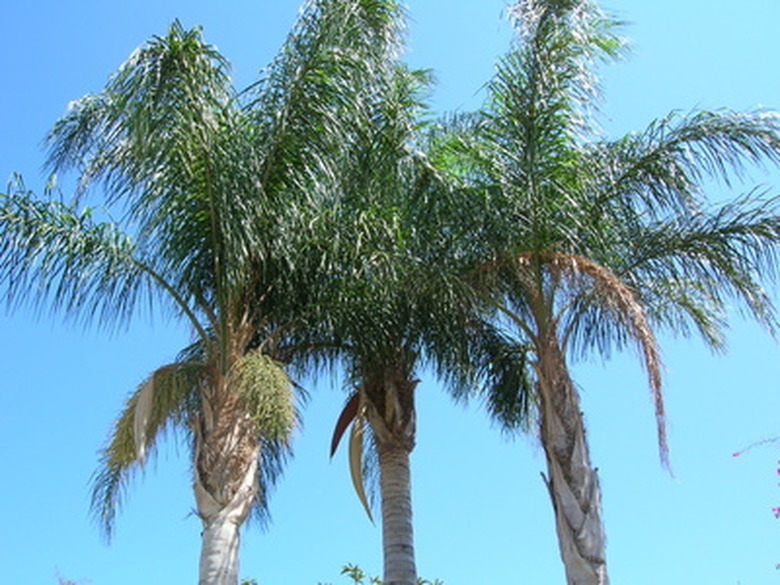
Queen Palm Brown Tips
Queen Palm Brown Tips. The queen palm gets its name from its tall, stately and graceful appearance. It is the palm of choice in many southern Florida landscapes because it is fast-growing and can survive infrequent frosts that devastate some other tropical plants. Native to Brazil and Argentina, the queen palm can reach 50 feet in height or taller. With just a little knowledge, you can be assured that your queen palm has a long and healthy life.
Read More


