

Your Plants Will Love This One Soil Change
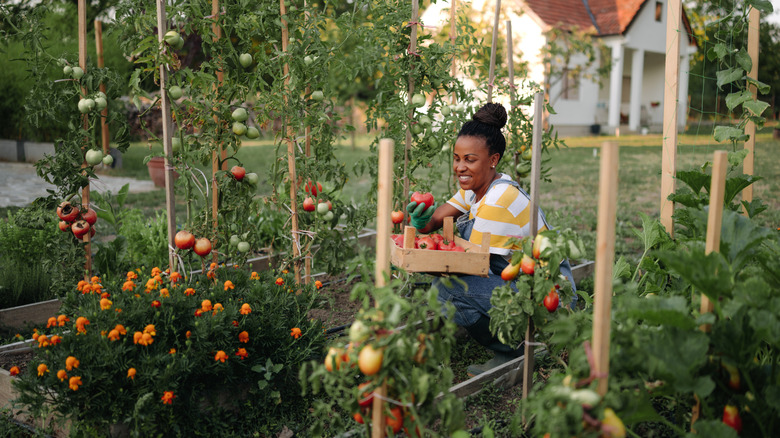
Tilling the soil in spring to prepare your garden beds for the growing season ahead can be sweaty, backbreaking work — and quite noisy if you're using a rototiller. If, come late winter, you already catch yourself mentally whining, "Do I have to?", the answer may actually be no! Although tillage can create a nice even, clean surface for planting and break up compacted soil in the short term, as time goes by, this common practice actually can be detrimental to the health and structure of garden soil. Next year, to spare both your soil and your sciatica, you may want to try a nature-forward gardening method called no-dig, or no-till. Essentially, by leaving the soil as undisturbed as possible, the no-dig method prioritizes the living organisms and natural organic decay processes that maintain the health of the soil and nourish plant roots.
But why is tillage potentially bad for your garden? When you run that rototiller through your beds, you may be inadvertently disrupting the complex communities of microorganisms and fungi that enable the soil to hold water and nutrients. Mycorrhizal fungi partner with plant roots to trade resources, bringing them water and nutrients, and making them more resistant to drought and disease. Tilling and digging over beds can damage their fine, plant-supporting networks. Plus, if you're trying to avoid soil compaction through tillage, constantly breaking the soil up into smaller pieces will eventually deliver the opposite of the desired effect. Erosion is another potential effect of soil structural damage. In fact, widespread topsoil erosion triggered by extreme agricultural tilling was one major cause of the Dust Bowl of the 1930s, and the no-dig movement traces its roots back to that man-made disaster.
How to start a no-dig garden
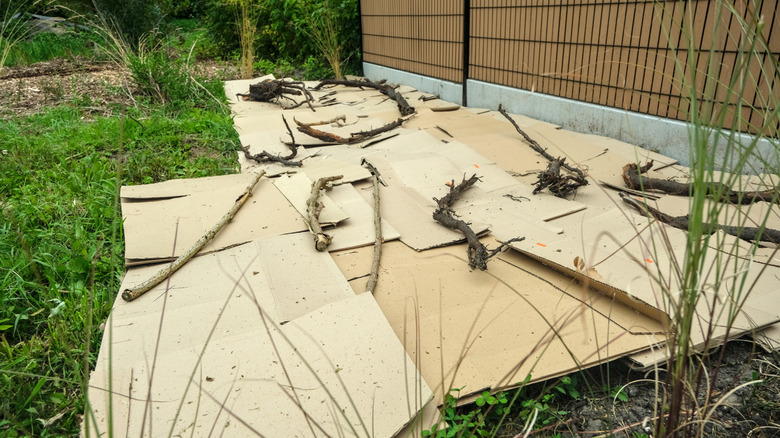
If you're converting an existing bed to no-dig, just top dress with a couple of inches of compost and skip any digging or tilling. To establish a new plot, start by sheet mulching the area instead of digging it over. Although you can begin this process almost any time of year, if you're starting in fall, do so before the ground freezes. Mow or cut all plants down to ground level. Don't worry about pulling out any roots: As they decompose, the organic matter will benefit the soil, and the spaces they leave behind will improve aeration.
The next step is to lay down overlapping sheets of cardboard or newspaper, blocking out the sun to prevent sneaky weeds from popping up. Spray this layer with water. Then, you can either add a large quantity of compost (about 6 inches), or layer undecomposed organic matter, like garden waste, kitchen scraps, well-rotted manure, etc., wetting as you go. You can repeat these layers a few times (it's one of those "to taste" sort of recipes). You may be unsurprised to learn that this method is also sometimes called "lasagna gardening."
Because it will take quite a while for any undecomposed layers to break down, if you want to plant sooner rather than later, you can add a layer of topsoil, plant into the compost, or cut through the cardboard. Don't be discouraged if you see a suboptimal harvest your first season of no-dig gardening. Texas A&M AgriLife horticulturist and vegetable specialist, Joe Masabni, Ph.D., explained that while a tilled garden might yield more the first year, with no-till, "over time, the nutrients will build up in the layers of good quality soil and you will have a successful yield without as much effort."