

This One Change Will Make Hummingbirds Love Your Garden
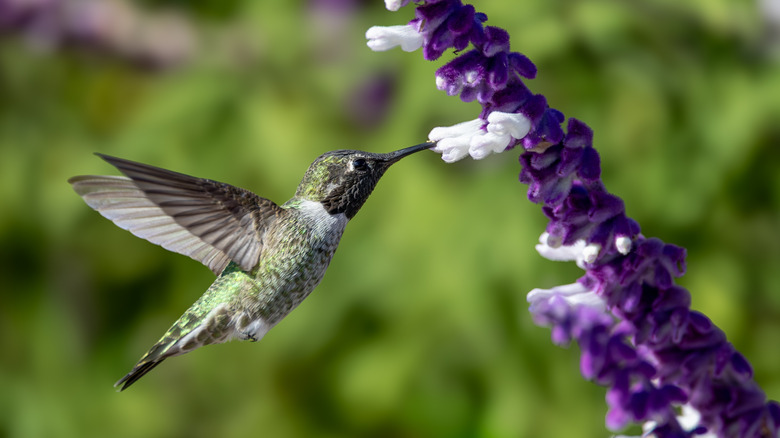
Hummingbirds are some of North America's most beloved garden visitors thanks to their beauty and engaging aerial acrobatics. There's a good chance you already have a hummingbird swing or feeder set up to entice them to stop by your yard. But there's even more you could be doing to make your garden more hummingbird-friendly. To benefit the unique little birds and make them love your landscape, take the additional step of avoiding pesticides in your garden whenever possible. The effects of pesticides on hummers are twofold. Not only can pesticides cause harm if ingested by these tiny birds, but they can also impact a major, protein-rich, hummingbird food source: insects.
Considering how beneficial hummingbirds are, making a small change to create a garden that's more appealing to them is well worth it. Not only are hummingbirds gorgeous, but they're also essential pollinators. When they visit flowers in search of sweet nectar, they carry pollen from one bloom to the next. Additionally, hummingbirds are great at controlling pesky insects, since they gobble up small bugs like gnats, aphids, and fruit flies. Some berry farmers even use them to deal with spotted wing drosophila flies, which would otherwise destroy their crops.
How pesticides harm hummingbirds and how to create a healthy hummingbird garden
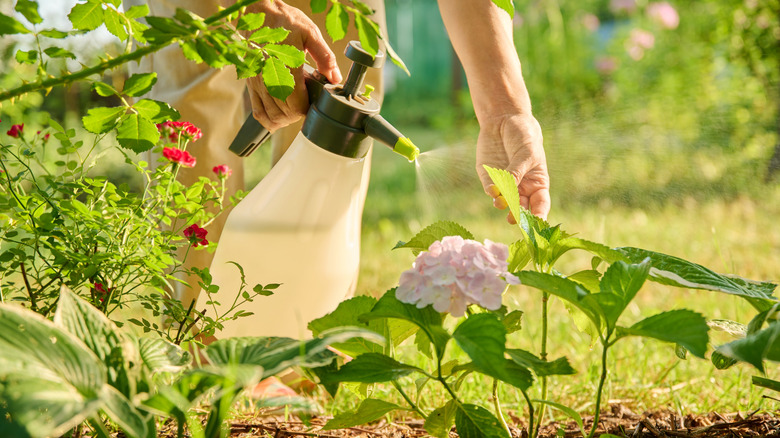
A yard where all the insect life has been decimated by pesticides isn't likely to appeal to hummingbirds, since it lacks one of their favorite snacks. And even worse, pesticides containing neonicotinoids can seriously harm or even kill hummingbirds who are exposed to them via contaminated flower nectar or insects. So while a yard extensively treated with pesticides may look immaculate, it's probably not a healthy environment for hummers.
Although you might initially see an increase in common insect pests on your plants after stopping the use of pesticides, you should also begin to see more hummingbirds. And in time, the biodiversity in your yard should increase, and beneficial insects, hummingbirds, and other insectivorous birds should start to move in to help balance out the pests. Visits from hummingbirds are especially likely if you grow their favorite plants and flowers, so be sure to plant plenty of red flowers with tubular openings to help hummingbirds easily notice your garden.
If you're having a serious problem with a garden pest and feel you have no choice but to reach for a pesticide, be sure to opt for one that's considered minimally harmful. This could include some organic pesticides and biological controls like BT, as well as products such as kaolin clay and boric acid. Regardless of what product you use, be sure to read and follow the instructions carefully, and only use it when necessary.