

Your Fall Leaf Piles Could Be Giving Rodents A Place To Shelter In Your Yard
We may receive a commission on purchases made from links.
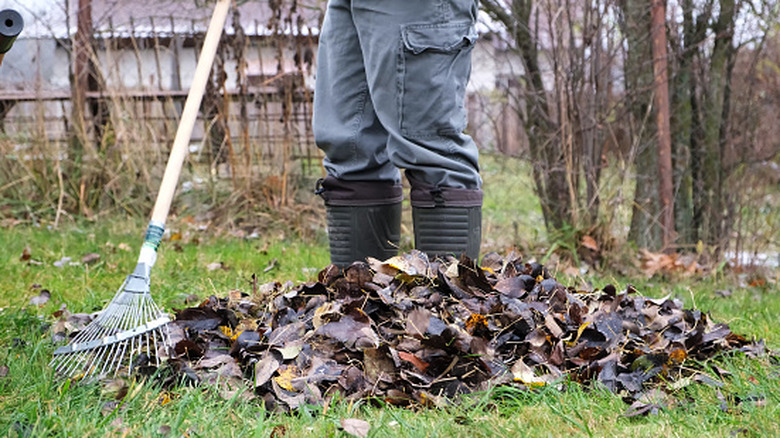
Few things make it more obvious that autumn has arrived than piles of fallen leaves dotting yards and landscapes. And these piles are great for providing hibernating spaces for native animals and for creating leaf mold to amend garden soil with the following year. But creating these mounds of foliage can come with a downside. Namely, they can be a source of shelter for rats, mice, and other rodents. And while you may have wanted to help out the wildlife with your leaves, rats likely weren't the animals you had in mind. This doesn't mean you have to stop creating leaf piles in your yard though, just take some extra steps to protect them if rodents are a problem.
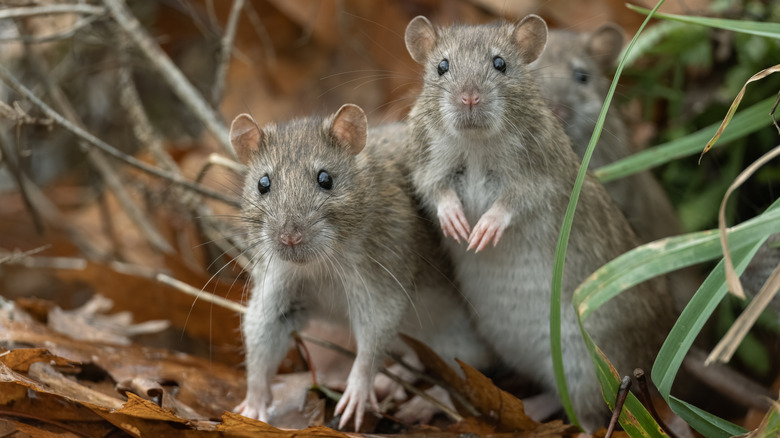
Luckily, a leaf pile alone isn't going to result in a massive rodent takeover in your yard since it won't provide that much food for the hungry critters. But if you're already struggling with rats sneaking into your home, raiding trash cans, or eating your bird seed or pet food, then a poorly-placed leaf pile has the potential to exacerbate the problem by giving rats and mice a cozy hangout nearby. And rodents like rats don't just bring with them the possibility of mess and disease, they're also one of the things that can attract snakes to your yard. While the snakes will helpfully assist you with controlling the rodents, you still may not appreciate them slithering all over.
How to avoid having unwanted rodents take over your leaf piles
You don't have to entirely give up on having autumn leaves in your yard out of fear of potential rodent problems. These mounds of foliage can have a lot of benefits. You just need to consider how to avoid making them a hot spot for any rodents that are already an issue in your yard. If you're creating a leaf pile so you have leaf mold for a healthier garden next spring, you can take steps to prevent animals like rodents from getting into the pile. Hardware cloth is great for creating a barrier and making it more difficult for animals to access compost and leaf piles. Alternatively, there are plug-and-play bins you can buy, like this large wire mesh bin from Amazon. You could also forgo the pile altogether and instead let your leaves break down inside a large compost tumbler bin (like this dual chamber bin on Amazon), though decomposition might not happen as quickly in these as it does in traditional piles.
On the other hand, if you're creating piles of leaves, branches, and other yard debris specifically to benefit local wildlife and give animals like native insects, amphibians, and turtles a safe place to hibernate, think carefully about where to locate the leaf pile. A leaf pile right next to outdoor trash cans, or piled close to your home's foundations could aid and abet raiding rats. Putting it as far away from your house and trash cans as possible should decrease the chance of your family being bothered by any rodents that might be attracted to leaves.