

4 Shrubs You Should Avoid Pruning During Fall
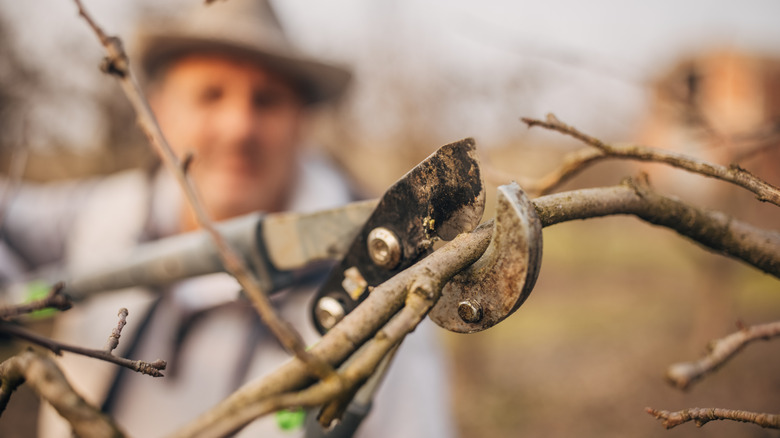
While autumn can be a great time for cleaning up annual garden beds and cutting back diseased herbaceous perennials, it's not generally the best season for pruning your shrubs. Not only does it often stress the plants at a time of year when they're about to enter dormancy, but in some cases it can even prevent you from enjoying the flowers next spring. For example, shrubs like lilacs that bloom on old wood shouldn't be pruned in fall. Cutting back these shrubs during autumn removes the developing buds and leaves you with a disappointingly flower-free plant the next spring.
Even for shrubs that don't bloom on old wood, autumn is a tricky time of year to prune. If you bring out your shears early in fall, the bush might respond by putting out delicate new growth which could easily be vulnerable to winter damage. However, if you wait and prune a bit later in the season, the shrub may struggle to recover from the pruning cut and be especially vulnerable to diseases. In general, shrubs that bloom on old wood should be pruned as soon as they're done flowering for the year, while shrubs that bloom on new wood or aren't grown for flowers should be pruned in late winter or early spring, just before breaking dormancy. (Old wood refers to parts of the plant that grew the previous year.) Of course, don't hold off on removing a damaged branch just because it isn't the ideal time to prune. No matter the season, it's always a good idea to remove damaged and diseased branches as soon as you spot them.
Wait until late winter or early spring to prune your repeat-blooming rose bushes
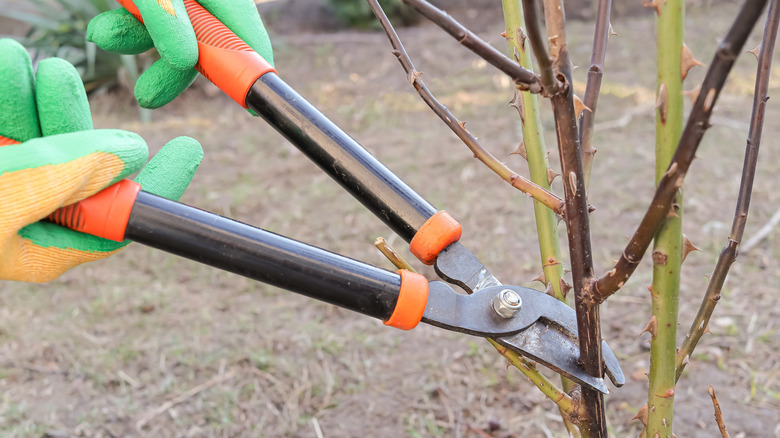
As tempting as it might be to cut back your rose bushes as soon as autumn arrives, instead hold off for a few more months. Repeat-blooming varieties of roses are best pruned as they are ending their winter dormancy and just before their leaf buds swell. If you examine your plant carefully during this time, you should be able to see the buds growing larger, giving you your sign to take out the pruning shears. This generally happens in late winter or early spring depending on your climate. One popular way to know the best season to prune shrub roses is to time the chore to correspond with when forsythias start flowering in your area.
If you forget or run late with your pruning, you can also wait until after the first wave of flowering to prune. This strategy is also recommended for once-blooming rose varieties.
Cut rose canes can be susceptible to freeze damage, and pruning them back in fall could also prematurely trigger delicate new growth that would potentially be lost to winter cold. But by waiting until late winter or spring to prune, you prevent your roses from having to deal with that, while also giving them time to recover from the pruning injury before pest pressure from cane borers like sawflies increases. You can even opt to paint over your pruning cuts with glue to give them some extra protection against cane borers. And, of course, don't forget to sanitize your shears, so you don't accidentally spread diseases between rose plants.
Prune your lilacs as soon as they've finished flowering for the year
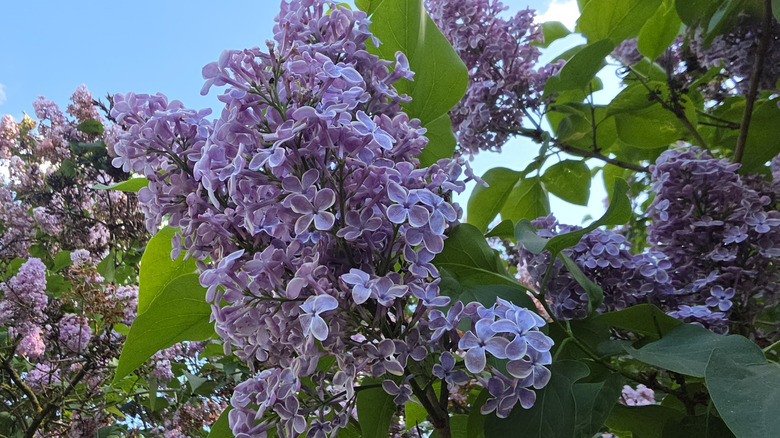
Lilacs (Syringa spp.) are known for their fragrant blooms that add color to landscapes in mid-to-late spring. But fall pruning could leave your May garden seriously lacking in flowers. That's because lilacs bloom on old wood, and autumn pruning will remove those flower buds.
To ensure you don't accidentally cheat your future self out of gorgeous lilac blooms, prune as soon as possible after the shrub finishes blooming in spring, making sure you don't put it off for longer than a few weeks. Focus most of your pruning energy on cutting out some of the older canes which no longer flower well, but avoid removing more than about ⅓ of these in any given year. You should also snip off the spent blooms, and trim overly long canes to the desired height. With the right pruning, your popular purple flowering shrub should be even more gorgeous the following spring.
Avoid pruning azaleas in fall if you want to enjoy their spring blooms
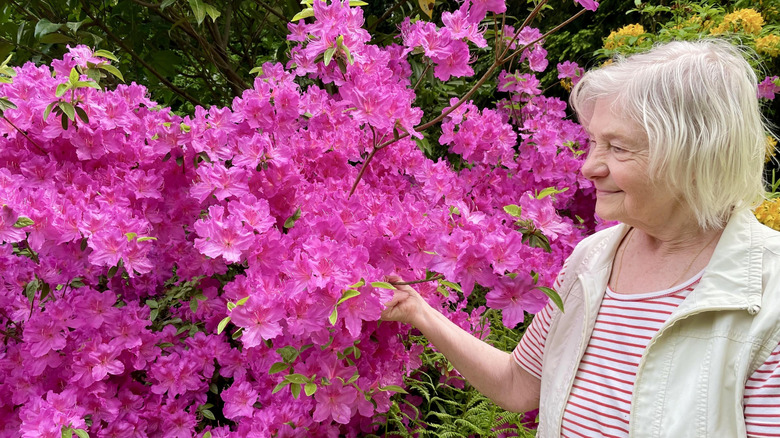
Another iconic spring flower you'll want to avoid pruning in autumn is the azalea (Rhododendron spp.). Regardless of whether you grow evergreen or deciduous varieties, these plants' blooms develop on old wood, so fall pruning will remove the flower buds. Instead, take care of your azalea pruning towards the end of spring or at the very beginning of summer — right after they finish flowering.
When pruning azaleas, focus on removing branches that aren't getting enough sun and trim back the shrub all over to deadhead the finished blooms. If your azalea has grown lopsided or has a few abnormally long branches, this is also the time to clean up its form and even the plant out a bit. Just be aware that azaleas aren't especially fast growers, so if you prune your plant back too much, it could take quite some time for it to return to its previous size.
Don't wait until autumn to prune your bigleaf hydrangeas
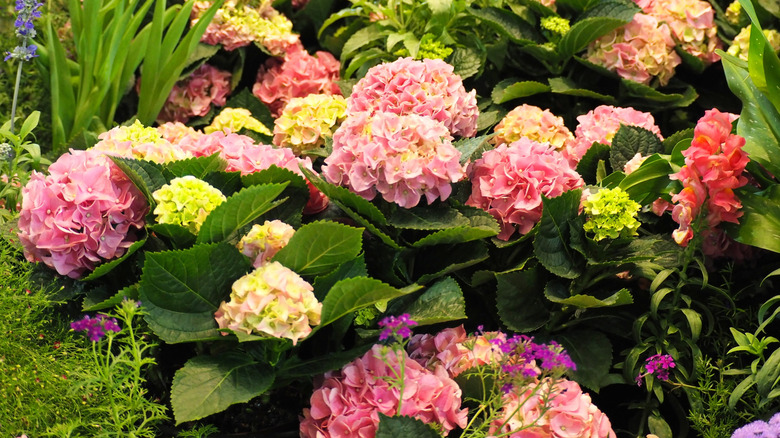
While autumn isn't the ideal time to prune any types of hydrangeas, you could be especially disappointed if you try cutting back your bigleaf hydrangeas (Hydrangea macrophylla) during fall. Like azaleas and lilacs, these beauties bloom either entirely or partially on old wood. So cutting back your shrub in autumn will cost you flowers the following year. While reblooming bigleaf hydrangeas like 'Endless Summer' won't be completely without flowers the next growing season if you prune them in fall, as they flower on both new and old wood, you'll still lose their spring blooms and will be left with only the later flowers that form on the new wood.
This means that unlike panicle hydrangeas, which should be pruned late in their winter dormancy, bigleaf hydrangeas are best pruned right after they finish blooming. If you aren't sure which kind of plant you have, bigleaf hydrangeas are the ones famous for changing color based on whether your growing medium is acidic or basic. They produce huge round balls of blooms, and large, glossy leaves. When pruning, focus primarily on deadheading the spent flowers and improving the airflow through the hydrangea.