

The Average Lifespan Of Plastic Storage Sheds And How To Get The Most Out Of Them
We may receive a commission on purchases made from links.
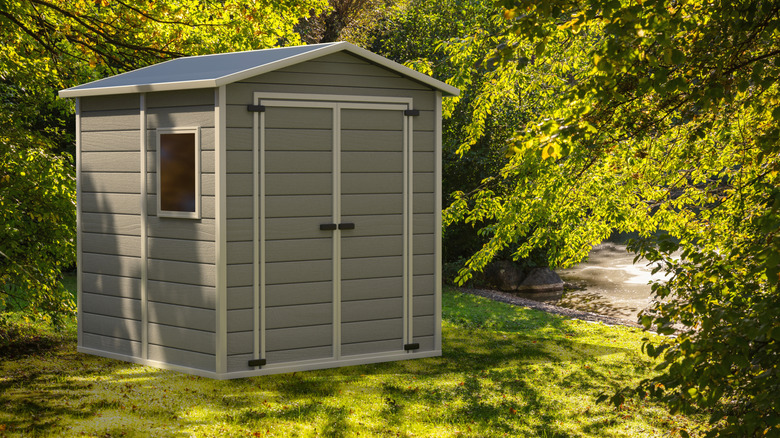
If your garage is currently overflowing with everything from sports equipment to gardening gear, then a shed could be the storage boost you've been searching for. And unless you're up to DIYing a backyard shed, you've probably been browsing the plastic options at your local big box store. As great as these neat sheds look, you may have understandable concerns about their longevity. Surprisingly, a good plastic shed can potentially last 15 years or more, especially if you install it on a solid foundation.
Most plastic sheds are made from polypropylene or high-density polyethylene(HDPE) resin, or PVC vinyl. Some plastic sheds are also reinforced with metal to provide additional strength. Plastic can eventually become brittle due to UV light from the sun, but it makes up for this flaw by not being vulnerable to rot or corrosion like you may see with wood and metal. This can make it a great material for a long-lasting shed. However, keep in mind the potential lifespan of plastic storage sheds is very much quality-dependent. While a high-quality plastic shed from a reputable brand that offers a good warranty (like Duramax, Lifetime, Suncast, etc.) could last between 10 and 20 years – a very cheap product without reinforcing or quality UV inhibitors might only hold out for 5 to 7 years.
How to extend the life of your plastic shed
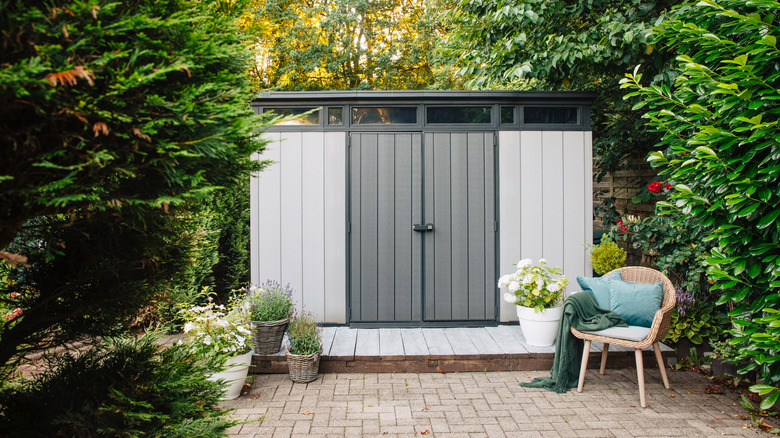
Making a plastic shed last as long as possible starts before you even put up the structure. Locating the shed in a spot with drainage problems can make it more prone to damage, especially if the ground shifts and the shed doesn't have proper support. So make sure to erect it on a flat and well-draining spot in your yard. If necessary, consider leveling the ground for your shed and building a concrete foundation or timber base that you can securely anchor it to. And of course, while constructing your shed, carefully follow all instructions in the manual. Skipping steps or forgetting parts is sure to leave your shed more vulnerable to damage.
Plastic sheds require far less maintenance than their wooden or metal counterparts, but that doesn't mean they don't benefit from a bit of attention from time to time. Once your shed is erected, you could opt to treat it with a product like SunGuard UV Protectant Spray yearly. This could help the plastic to hold up better in the sunlight and allow it to stay strong and bright for longer. While it's a good idea to clean your shed regularly, avoid using gritty or abrasive products that could damage the finish of the plastic. Additionally, checking your shed for any cracks or other issues and quickly performing necessary repairs should prevent small problems from turning into big issues. If necessary, a silicone caulk can be used to fix any gaps you may find forming. Finally, when bad weather hits, remove snow buildup off the roof to prevent structural stress. If you're ready to start shed shopping after reading this, here is a round-up of highly-rated garden sheds from Costco.