

Planters Vs. Pots: What's The Actual Difference?
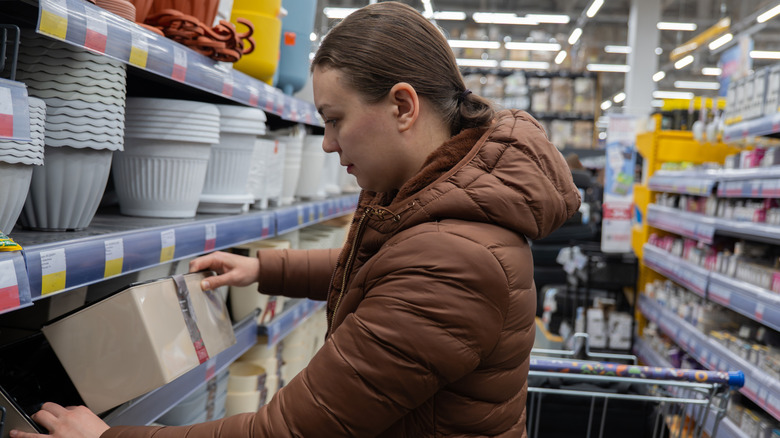
If your plants aren't growing in garden beds, then they're likely in some sort of container. Maybe you call these planters or pots. And while the two terms are often treated as synonyms, there are some subtle differences. Planters are generally large and durable containers. Pots, on the other hand, tend to be smaller and often less sturdy.
This might make it seem like planters are always better than pots, but that's not the case. Pots can be perfect for petite houseplants or for shorter-term use. Planters, in contrast, are often the best option for year-round outdoor plantings and complex container gardens with multiple plants growing together. Their larger size also makes them the best option if you're growing a tree in a container — like a potted orange tree. Another common difference is that planters often come in rectangular or square shapes, whereas pots are typically round.
Pots are usually made out of plastic or terracotta, while planters also come in other materials
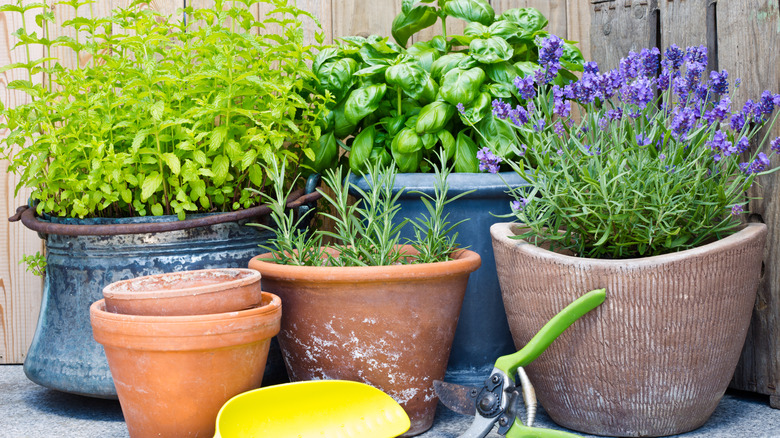
While there are no "rules" about what pots can be made from versus planters, it's common for pots to be either plastic or terracotta. Though you can certainly also find more decorative ceramic options, which are perfect for showing off small types of houseplants. In contrast, planters come in a wider range of materials: In addition to plastic and terracotta options, it's also common to find planters made of wood, fiberglass, metal, fiberstone, or cement. In general, if you need a container that can be outside year-round, you'll want a planter made of a material like plastic, concrete, or wood, since terracotta is prone to cracking.
It's understandable to wonder why you should even care about using the most precise word possible for your planting vessel — especially as they're often used interchangeably. And in a lot of cases, it doesn't matter too much. But if you're looking online for a new container, typing in the most precise search terms will often yield better results and help you find what you're looking for more quickly.
Planters, thanks to their size and construction, are often more expensive, but you may be able to find an unexpectedly budget-friendly garden planter by looking on Facebook Marketplace or at a local thrift store. And, of course, you can always DIY your own planter from old pans or other household items. You can also make a quick and easy plastic pot by adding drainage holes to the bottom of an empty container from your recycling bin — or drill holes in things like deep dishware.