

Not Landscape Fabric: An Overlooked Way To Prevent Weeds In Your Lawn & Garden
We may receive a commission on purchases made from links.
Landscape fabric is an infamously contentious topic among gardeners. While some find it useful in specific situations, many homeowners think it's more trouble than it's worth and regret adding this black plastic under their mulch. If you're looking for another way to tackle persistent weeds, one option often gets overlooked: iron-based herbicides. Landscape fabric temporarily prevents unwanted growth by smothering it and blocking out light, but those green pests can eventually grow through the tears and take root in the soil and debris that collects on top. Iron-based herbicides work very differently, targeting the foliage of many broadleaf weeds instead of creating a physical barrier. They can produce results relatively quickly and can even be used on certain turfgrass lawns.
If you haven't heard of iron-based herbicides before, you're likely not alone. The reason these products fly under the radar is simple: there aren't many consumer options, and they're less familiar than household names such as glyphosate. One popular brand available to consumers is Bonide Captain Jack's Lawnweed Brew.
Because they come with some drawbacks, including cost, labor, and some possible health concerns, they likely won't be for every gardener or every garden. However, in the right circumstances, these herbicides could be far preferable to traditional types or landscape fabric for keeping your lawn and garden weed-free.
Advantages and disadvantages of using iron-based herbicides in your landscape
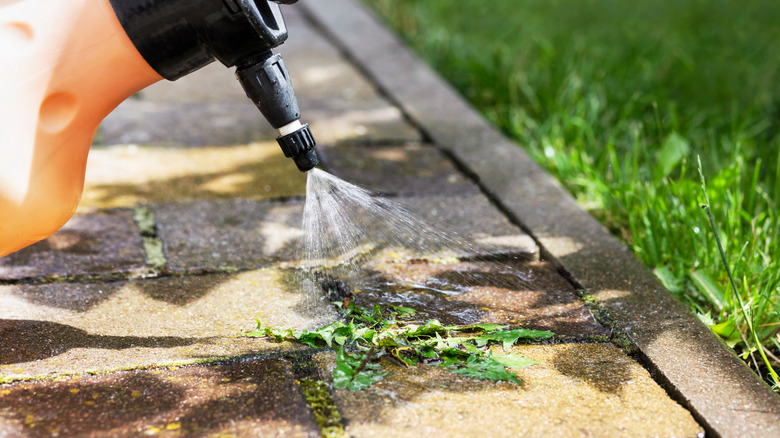
Because these iron-based products are contact herbicides, they work where the spray touches the plant. That makes thorough coverage important, but it also means you need to be careful around flowers, shrubs, and other desirable plants. This category of weed-killers generally doesn't harm grasses, though, with the exception of bentgrass, making it a good option for lawns. With chelated iron as the active ingredient, these products are considered safe enough for people and animals to return to enjoying the area as soon as the product has dried. So they could be ideal for anyone looking for a pet-safe weed killer. You can even use them to kill moss on your driveway. One of the biggest advantages, though, is speed: susceptible weeds can begin darkening relatively quickly after treatment, giving you a visible sign that the product is working.
Iron-based herbicides, for all their advantages, also have real downsides. Unlike landscape fabric, an herbicide doesn't physically block new weed seeds from reaching the soil, so it won't provide a lasting barrier against future growth. Another problem is that it doesn't kill plant roots, so you will need to reapply it. This can make this type of product many times more expensive than other options. While they don't come with some of the health risks of conventional herbicides like glyphosate, you still have to use caution with iron-based products, as they can cause skin allergies and may exacerbate asthma. So appropriate protective equipment, including gloves, goggles, and masks, is still essential.