

5 Plants To Grow In September That Are Nearly Impossible To Kill
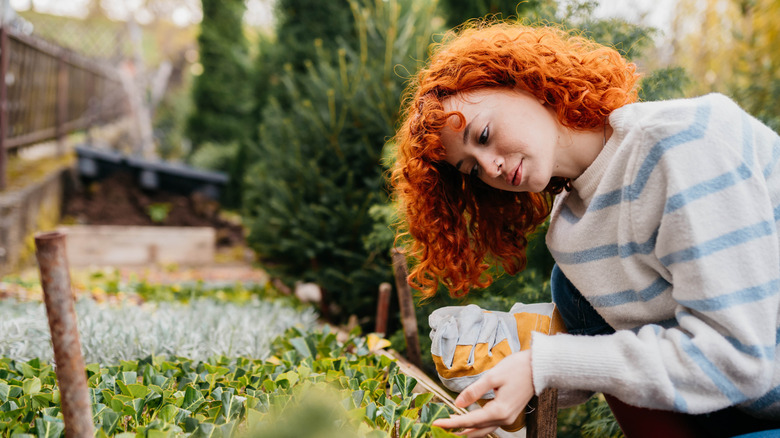
The arrival of fall can feel like the official closing ceremony for gardening season, but cooler weather doesn't mean you have to put away your trowel just yet. There are a surprising number of shockingly resilient flowers, herbs, and vegetables that actually prefer cool fall weather, allowing you to keep your planting beds going long after summer has ended. Cilantro and Swiss chard, for example, are especially hardy choices to plant in September, giving you a garden that can keep producing even as temperatures start to dip.
When you're looking for options for your outdoor growing space that are hard to kill, it isn't so much heat that you have to worry about anymore. Frost, shorter days, and chilly temperatures are the real challenges. Luckily, there are vegetables like fava beans that can handle temperatures as low as 15 degrees Fahrenheit without problems. Gorgeous flowers like calendula also don't stop just because the mercury drops. They can happily keep blooming even when there's frost on the ground. So your garden doesn't have to shut down just because summer is over; you just need to choose plants that can cope with cooler conditions and the shorter days of fall.
Fava beans are the perfect cool season legume for your fall garden
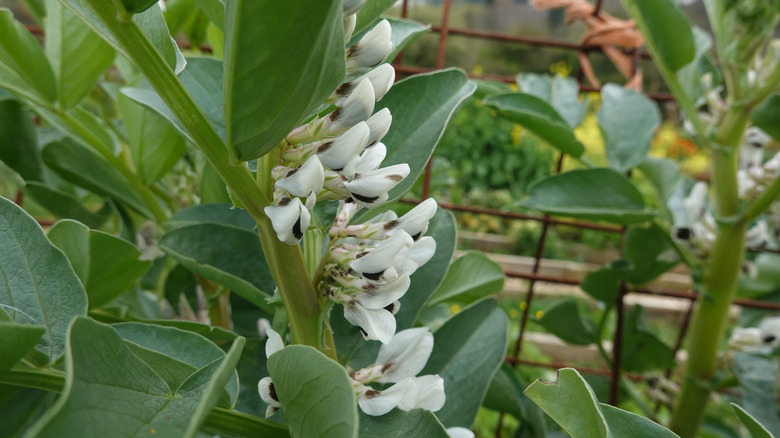
Fava beans (Vicia faba) aren't plants you'll likely want to plant in the middle of summer, due to their lack of heat tolerance, but as long as you grow them at the right time of year, they're nearly unkillable. Not only can they withstand cold temperatures and tolerate drought, but because they're legumes and thus nitrogen-fixers, they also rarely require fertilizer. They can even be grown as a cover crop during cold months to improve your soil fertility and keep weeds from taking over your garden during the cool seasons when your plantings are fewer.
Plant your resilient fava beans in full sun and give them well-draining soil, although they're adaptable enough to tolerate sandy or heavy clay ground. And don't forget to use a proper inoculant to ensure your beans have the right bacteria to help them fix nitrogen. That means you're not just growing a tough fall crop; you're also potentially improving the planting bed for what comes next.
How to grow cold tolerant cilantro in your September garden
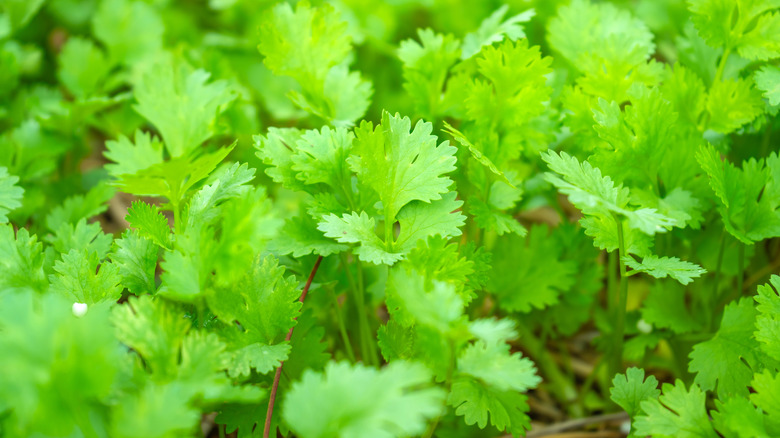
If you've been missing the unique herbal taste of cilantro (Coriandrum sativum), September may be your chance to get the flavorful leaves you actually want. The cool season is the ideal time to grow this distinctive herb. Cilantro tends to bolt quickly and go to seed when temperatures are warm, but in autumn you should be able to enjoy plenty of the tasty leaves.
You can easily sow cilantro from seed; just be sure to plant in a spot with full to part sun. As long as your soil is well-draining, it isn't too picky about its growing medium. Adding a bit of compost should be perfect for improving the fertility and structure. Once it's established, it should be fairly drought-tolerant and require minimal care. Since cilantro can only handle light frosts, you can harvest it early. For a longer supply of fresh leaves, plant a small amount every couple of weeks rather than putting in an entire crop at once.
How to grow calendula for gorgeous and resilient autumn flowers
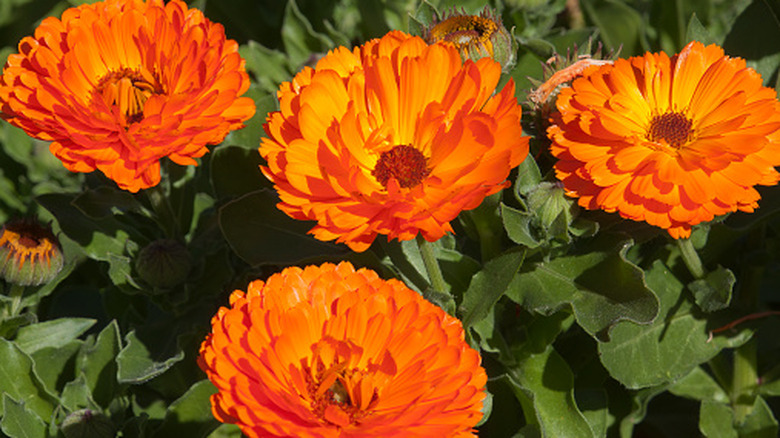
Calendula (Calendula officinalis) is a remarkably durable flower to grow in September. It not only has gorgeous flowers, but it's also a popular ingredient in many salves and creams. It's quite easy to grow in autumn when temperatures are cool, since it can handle frost without a problem, and there's no need to worry about hungry deer nibbling at this plant. Calendula is surprisingly drought-tolerant, as well. So even if your autumn doesn't happen to be terribly rainy, it should still thrive.
Grow it in a spot with plenty of sun. While it can survive in a variety of soil types, it does best in well-draining growing media. Calendula doesn't require much water or fertilizer either. And it also self-sows, so you may be able to enjoy even more plants in the spring. If you'd rather decide where new ones appear, simply remove spent flowers before they drop seed. At only about a foot tall, it's perfect for adding to the fronts of flower gardens or tucking into the edges of vegetable beds.
Swiss chard is a cool season champion in the garden
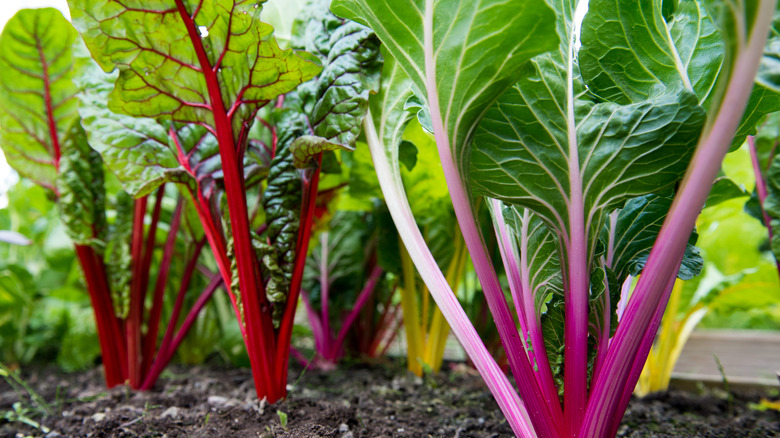
The delicious and nearly unkillable Swiss chard (Beta vulgaris L. var. cicla) is the perfect hardy leafy green to grow in your garden. Not only is it delicious, but it is also quite beautiful thanks to its colorful stems and leaves. It isn't overly bothered by summer heat; however, this vegetable grows best during cool seasons, making it perfect for your September garden. It's not only frost-tolerant, but it can even handle temperatures down to around 25 degrees Fahrenheit.
Swiss chard grows easily when direct-sown in the garden and can handle full sun or partial shade. It's not picky about the type of soil it's grown in, either. Conveniently, it's also fairly drought-tolerant once it's established, so you shouldn't need to worry about leaving it for a few days to go out of town. However, it does grow best with regular watering. Adding to its toughness factor, diseases and pests aren't generally an issue for this plant. For the best crop, harvest the outer leaves rather than cutting down the entire plant. This allows the center to keep producing, providing you with a steady supply of greens well into fall.
Sugar snap peas are resilient garden treats to grow in September
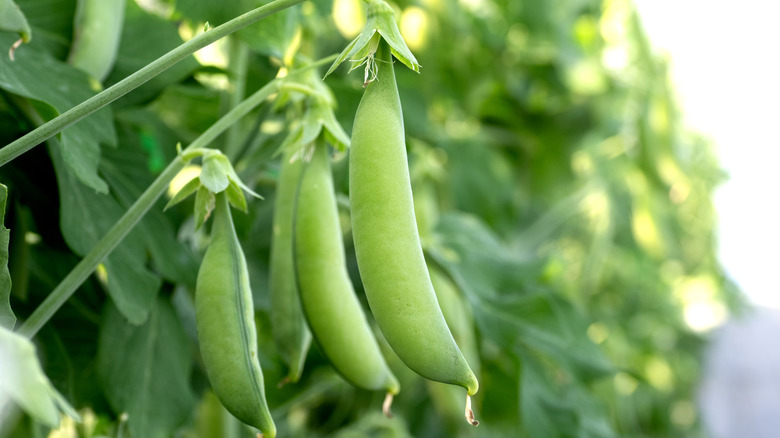
If you grew sugar snap peas or snow peas (Lathyrus oleraceus) in your spring garden, you likely noticed them dying off as soon as temperatures warmed. Luckily, with autumn around the corner, you can safely plant another round of these delicious garden veggies. As long as temperatures are cool, they are fairly resilient and easy to grow. It generally only takes about 70 days for the plants to mature. They can tolerate frost and moderate freezes, giving you a useful harvest window before winter arrives.
Peas do best in full sun, though they can also tolerate part shade locations. They enjoy well-draining soil, so make sure to amend their growing medium with compost if necessary. These plants require moderate irrigation, so be sure to water them if you go an extended period of time without rain. As peas are nitrogen-fixers and legumes, you shouldn't need to provide them much, if any, fertilizer. Provide a trellis, fence, or other support from the start, because getting the vines off the ground improves airflow and makes those sweet pods much easier to harvest.