

The Beautiful Heat-Tolerant Flower That's Almost Impossible To Kill
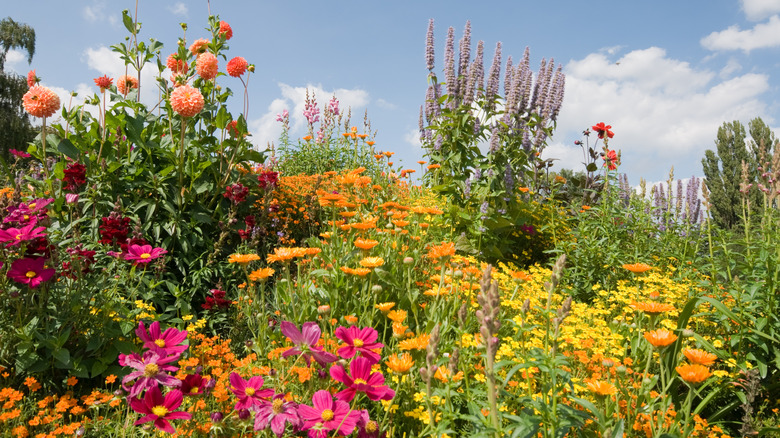
Summer heat can turn a thriving garden into a struggle, leaving beloved flowers wilted and stressed. Some plants barely seem to notice the high temperatures, though. If you want a beautiful perennial that can shrug off scorching weather, dry spells, and even hungry predators, 'Blue Fortune' agastache (Agastache 'Blue Fortune') is hard to beat. With fragrant foliage, pollinator-friendly purple or blue flower spikes, and an almost impossible-to-kill nature, this resilient beauty is made for tough summer conditions.
Hardy in zones 5 through 9, 'Blue Fortune' agastache is a remarkable plant. It grows to about 3 feet tall and can transform a dry, barren space into a lush, vibrant garden with its gorgeous flowers. A hybrid of two agastache species, this mint relative is a huge hit with pollinators, including bees and butterflies. It can even attract hummingbirds to your garden! Since it can handle everything from high temperatures to dry and droughty soil, you don't have to worry about your pollinating friends running out of food during intense summer weather. Even better, deer and rabbits won't bother these gorgeous plants, as they find their fragrant leaves unappealing.
How to care for resilient 'Blue Fortune' agastache
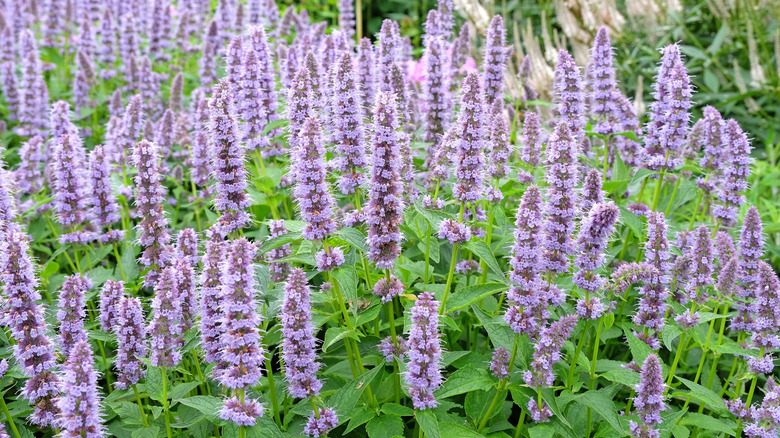
As long as you plant your 'Blue Fortune' agastache in the right spot, it should be nearly invincible. The biggest thing to remember, though, is that it needs well-draining, light soil to thrive. Soggy roots are far more likely to cause problems for this plant than summer heat or pests. If necessary, you can use compost to amend your soil's structure and improve drainage. You should also try to grow your agastache in a full-sun spot where it gets at least six hours or more of direct exposure per day, though it can also handle part shade. Just be aware that it can get a bit leggy if it doesn't get enough rays.
As drought-tolerant as this hardy flower is, you'll still want to give it some occasional water when it is first getting settled in your garden. Be sure you don't overdo it, though — the stems benefit from dryness. This is a plant where a little restraint is better than too much attention. Once it's established, there's surprisingly little else this resilient perennial needs to keep looking its best. If you want continuous blooms, don't forget to deadhead spent flowers. A quick trim will keep things looking beautiful and tidy.
The easy growing and hardiness don't end when the warm season does. To give your agastache plant extra winter care and help it survive cold weather, wait until spring to cut back the previous year's stems. Keeping them can also provide some fun winter interest in your garden and give the plant some extra protection.