

The Award-Winning Plant You Should Grow If You Love Hostas
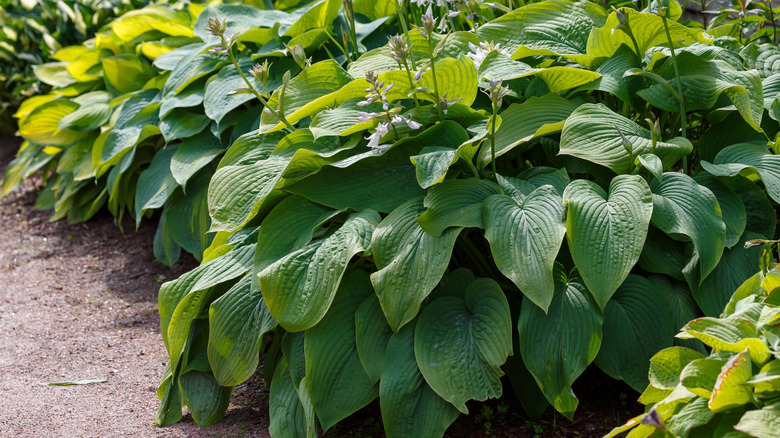
Hostas have earned their place as the queens of the shade garden. They are charming foliage plants, so it's no surprise they have so many fans. Their incredible variety of colors, textures, and sizes makes them one of the most collectible perennial plants around, with many gardeners constantly searching for the next standout addition to their collection. One must-add cultivar for hosta lovers — one that's a bit different from the typical broad-leaved varieties — is the fun and quirky 'Curly Fries' variety.
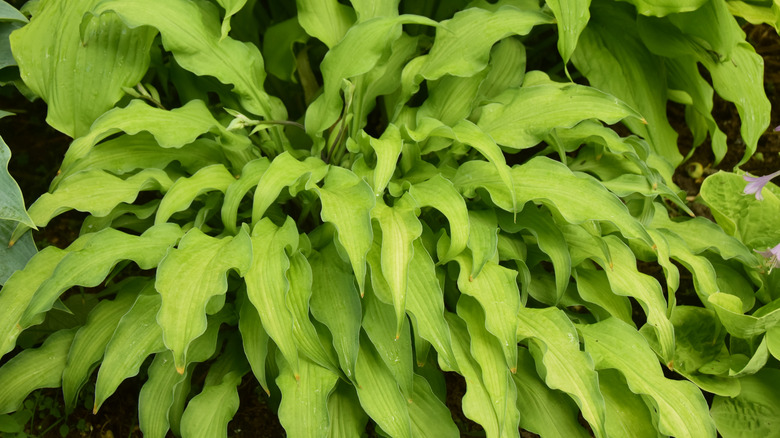
With loads of charm and a unique shape, it's no surprise the 'Curly Fries' hosta was awarded 2016's Hosta of the Year Award by the American Hosta Society, an honor given to standout cultivars with exceptional garden performance. Unlike most hostas, which have large, wide leaves, this cultivar has thin, ruffled foliage that gives it a fun and unique frizzled appearance. This interesting texture makes it a perfect choice for gardeners who already have classic hostas and want to add more variety to their shady beds.
And while hostas are available with foliage in every color from blue to cream, the leaves of 'Curly Fries' are a yellowy chartreuse color that transitions into a creamy white. With a height of around 11 inches and a width of about 22 inches, they're perfect for shaded borders. They're not just cute foliage either; the plant also produces beautiful lavender blooms, adding another layer of interest and attracting pollinators such as bees and butterflies.
How to care for 'Curly Fries' hostas in your own garden
Like most other hostas, 'Curly Fries' are hardy in USDA hardiness zones 3 through 9 and thrive in full to part shade. For the brightest chartreuse color, plant it where it will receive some sunlight, but not too much. They're great plants for the North side of your house, woodland gardens, and shady spots where many other plants struggle. Plant the cultivar in a spot with fertile and well-draining soil, as they can't handle overly soggy growing media. Although these plants are fairly resilient, consistent moisture is important, especially during hot or dry periods, which can damage foliage.
Hostas like 'Curly Fries' are herbaceous perennials, meaning they die back each fall or early winter but should reemerge every spring. You may want to pair them with evergreen shade plants like bearberry or coral bells if you want year-round interest and color in your shade garden.
They can be extremely easy to care for in many cases, but unfortunately, they're quite popular with deer and rabbits. So you may need to work to repel deer using dried blood meal or try other strategies to keep them from nibbling your 'Curly Fries'. These plants can also be magnets for slugs. Luckily, you can control slugs on your hostas by keeping your garden free of leaf litter and using beer traps to catch any pesky mollusks. With a little protection and care, 'Curly Fries' can reward hosta lovers with a shade garden filled with unique texture, cheerful color, and award-winning appeal.