

Stop Weeds Before They Start With A Simple Technique That's Overlooked
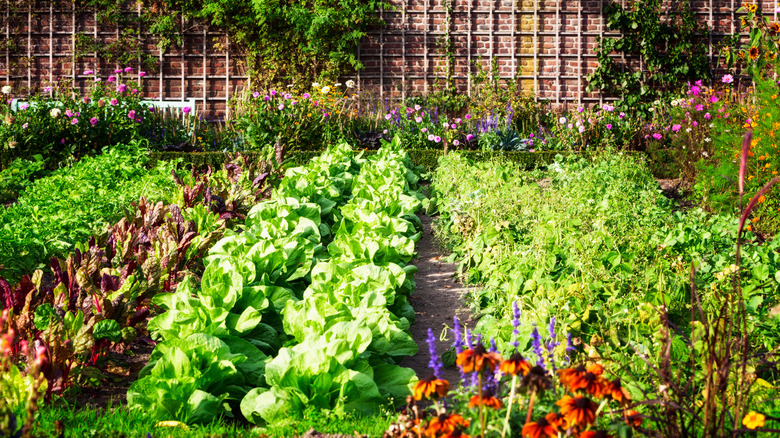
There are few things more frustrating than dealing with weeds in your summer garden. They try to outcompete your vegetables, steal nutrients and water that should be giving your garden tomatoes a boost, and just make everything look worse. While there are a range of strategies for preventing weeds in garden beds, one great but often overlooked option, especially if you have time to plan ahead, is the stale seedbed method.
This method requires first lightly tilling your garden bed, then allowing any weed seeds brought to the surface to germinate. You then destroy those weeds by simply tilling very shallowly. If you are satisfied at this point, you can then plant your garden seeds or transplants. But in many cases you'll need to wait for more weeds to germinate. A few rounds of this should ideally exhaust the weed seeds in the soil, leaving you free to finally plant and grow your crops without weed interference.
As effective as the stale seedbed method can be, it's often overlooked in favor of more straightforward approaches, like pre-emergent herbicides. It also flies directly in the face of other popular, and decidedly simpler methods, like no-till gardening, where the primary goal is to disturb the soil structure and the bank of weed seeds as little as possible.
The pros and cons of the stale seedbed method for dealing with garden weeds
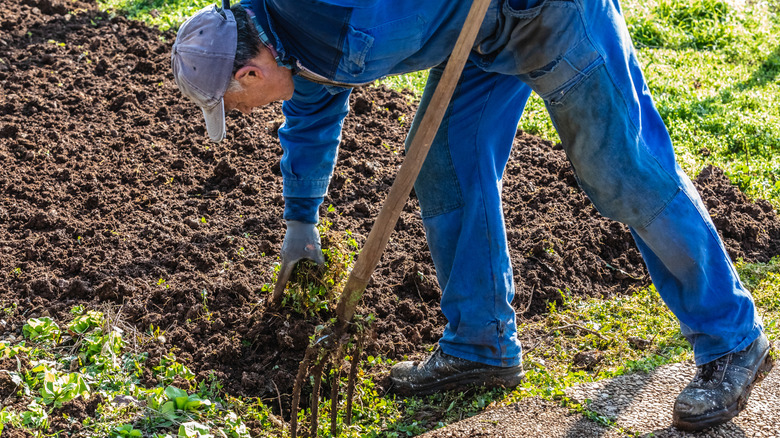
While simple, the stale seedbed method isn't necessarily easy or fast. It does have some big advantages in the long term, though. In addition to hopefully creating a relatively weed-free bed for one season, when repeated over the course of years, it should result in fewer and fewer weeds each year.
One of the biggest potential downsides to the stale seedbed strategy is how long it can delay planting your crops. Not only do you have to till the upper layer of the soil, but you also need to wait for the weed seeds that were brought to the surface to germinate before destroying them. And it often takes three rounds of this to see significant results. This could be problematic if you live in a region with an especially short growing season. It can also be challenging to use this method for weeds that take a long time to emerge. Depending on the types of weeds growing, they may also need water and warmth before they begin to take off. Additionally, Ohio State University notes that it works best when combined with a "zero weed threshold system," which means you need to be extremely diligent about weeding after planting in your crops.
If you don't think the advantages outweigh the disadvantages of using the stale seedbed method in your garden, there are plenty of other popular weed suppression strategies. Growing cover crops in the off-season and using mulch to keep your soil covered can help to limit weeds. Regular hand-weeding can also make a big difference.