

Forget Pansies: This Beautiful Purple Flower Is Almost Impossible To Kill
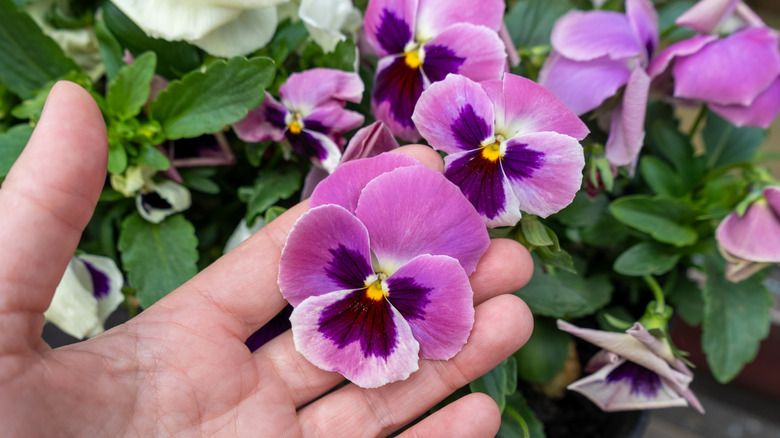
Pansies are garden classics. With their cheerful faces and bold colors, they're surefire charmers. Unfortunately, pansies (Viola x wittrockiana) aren't always the most resilient plants. They can struggle in warm temperatures, are prone to root rot and fungal diseases, and are generally only winter hardy in zones 6 and higher. And that's not even getting into how attractive they are to deer. If you still want bold purple blooms in your garden without all the worry, consider growing purple prairie clover (Dalea purpurea).
While the spiky flowers of the purple prairie clover don't look like pansies, they are beautiful and provide a range of benefits in your garden. Native to the central United States and Canada, purple prairie clover guarantees plenty of visits from pollinators and is even a host plant for native caterpillars. And their unusual blooms can add color to your garden from June well into August.
Purple prairie clover is far more cold-hardy than pansies, surviving winters in zones 3 through 8. And thanks to its long taproot, it can handle drought without a problem. This taproot makes it great for combating erosion, too! And unlike pansies, it's quite deer-resistant, as well. Even better, it's a legume. The importance of legumes is that they're nitrogen fixers, meaning not only do they not need much fertilizing, but they can even improve the soil for other nearby plants.
How to care for beautiful purple prairie clover in your garden
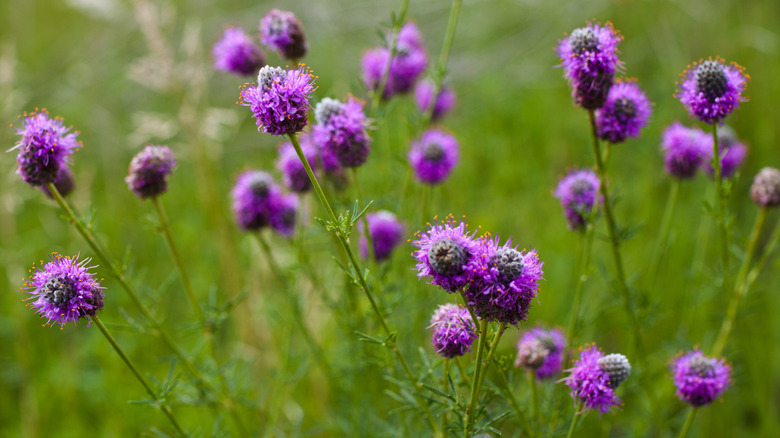
Caring for purple prairie clover is impressively easy as long as you grow it in the right conditions. While it isn't picky about its soil and can handle everything from clay to sandy growing media, it grows best in full sun locations. However, it can also handle part shade if necessary. You can start it by simply sowing seeds directly, though some native nurseries also sell live plants if you prefer not to wait the year or two it will take the seedlings to mature. A good time for sowing the seeds is in spring or early summer, though fall sowing is also an option.
Purple prairie clover is an extremely resilient plant, but because it can be slow-growing when young, it has the potential to be outcompeted by other, more aggressive species. So be sure to stay on top of weeding around your plants to help set them up for success.
If purple isn't your color, you may want to check out purple prairie clover's close relative, white prairie clover (Dalea candida). Also native to North America, it thrives under similar conditions and boasts white blooms. These plants could pair perfectly with native prairie grass to create a gorgeous and low-maintenance landscape that comes back year after year.