

The Termite Killer That's Almost Never Used Today (But May Still Be Lurking Around Your Home)
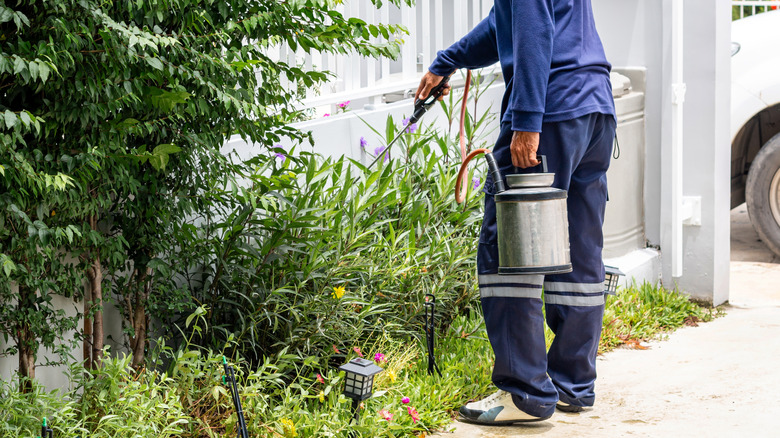
If you've ever struggled with yard pests, at some point you've probably weighed the costs and benefits of implementing a chemical pesticide regimen. Pesticides require careful application and safe handling, as improper usage can pose health risks to your family, pets, or local wildlife. Beyond misuse, it's worth noting that pesticides can still cause harm to beneficial pollinator populations. Some have even been deemed too detrimental to the environment and human health and have been summarily banned altogether. One such chemical, once used to combat termite infestations, is heptachlor. You may run the risk of encountering this contaminant in your yard even though it was prohibited in 1988. But why should you be worried about a pesticide that hasn't seen regular use since the Reagan administration? Well, much like '80s music, heptachlor never really went away.
You may have read about (or may be old enough to remember) the high-profile cancellation of the insecticide DDT (dichloro-diphenyl-trichloroethane) in 1972. Along with DDT, heptachlor is on the United Nations Environment Programme's "Dirty Dozen" list of persistent organic pollutants (POPs). This list consists of carbon-based chemicals that stick around in the environment for a long time, can become widely distributed through the air or water, are toxic to humans and wildlife, and can accumulate in living organisms. When heptachlor breaks down in the environment, it produces heptachlor epoxide, which can persist for many years and adhere to the soil in your yard and garden. Also, technically, exterminators are still allowed to use existing heptachlor supplies to kill fire ants in underground transformers.
How heptachlor is harmful and how to avoid it
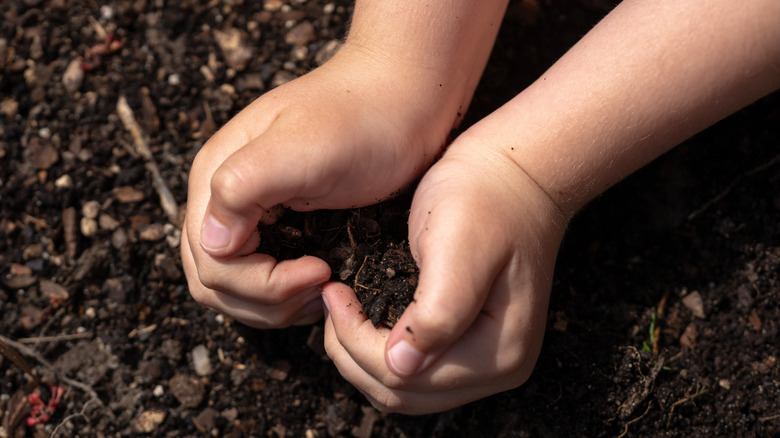
Like DDT's notorious impact on bald eagle populations, heptachlor also had a deleterious effect on wild birds, notably Canadian geese and American kestrels. Even if you're not too concerned about bird mortality, it's important to note that if humans consume food or water that has been contaminated with heptachlor, they may experience liver damage or an increased cancer risk. If your home was ever treated for termites with heptachlor, you may encounter it in the soil of your yard or garden. Heptachlor can also be absorbed by plants through their roots. It follows, then, that those most likely to run afoul of contaminated soil or plants are young children, who tend to investigate everything mouth-first.
So how can you protect your family from exposure to heptachlor? You can't home test for this type of soil pollution; gas chromatography is generally used to detect heptachlor in soil or food, and you need specific lab tests of blood or fat to determine human exposure. You may be able to find clues in historical land use records, but soil testing may cost you a pretty penny and might not be easily decipherable — plus, heptachlor, though present, might not be at harmful levels. If you're very concerned about your kids coming into contact with heptachlor, try adding a layer of fresh, uncontaminated topsoil to your yard... and also try, to the best of your abilities, to prevent your kids from eating dirt.