

Not Water: 5 Liquids Your Plants Will Love

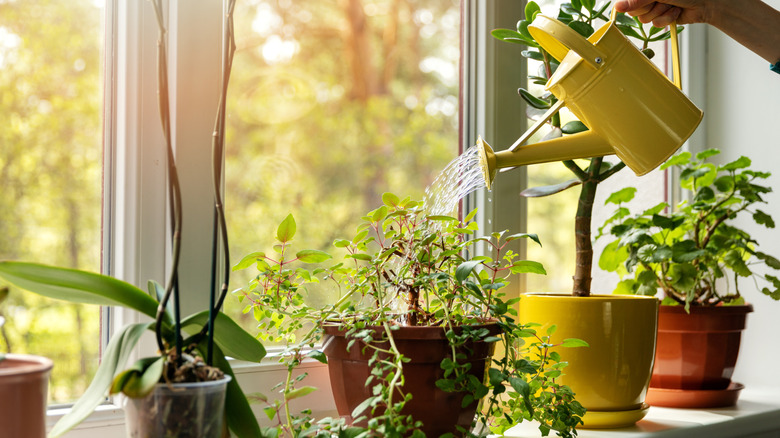
Hydration is essential for plants. Even succulents and cacti need moisture from time to time if you want them to grow. And of course, the go-to choice for this is just plain water. And for good reason. Water is required for plants to photosynthesize and makes up more than 9% of the plant's structure. That doesn't mean plain water is the only liquid your plants might appreciate and benefit from, though. Liquids such as tea, rice water, sugar water, and vegetable-based cooking liquids can be used on plants, as well. Even milk can help your garden, believe it or not.
Alternative liquids can have a range of uses in the garden. They can act to supplement fertilizers and can improve healthy soil microbe numbers. And in some cases, they can even help to boost predatory insects that feed off the pests that nibble on your crops and cause damage. These liquids also vary in how they are used. While some are best for soil drenches, others can be used as foliar sprays to reduce molds and other problems on leaves.
How to properly use milk in the garden
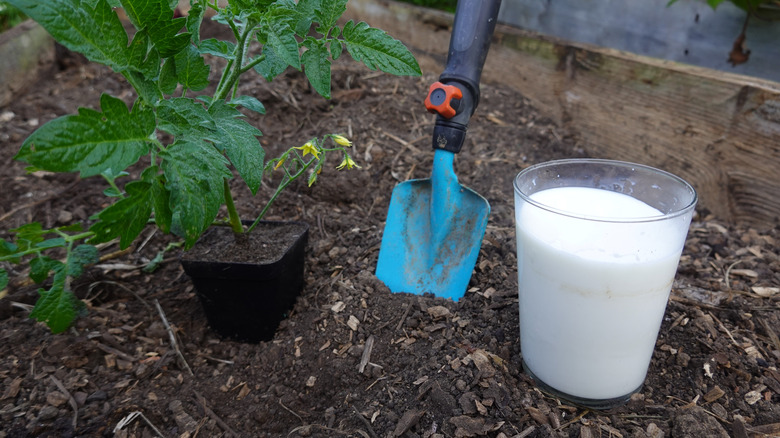
Milk might not be the first thing you think of when you're looking for a treat for your plants, but there are actually a few ways it can be used in the garden. Since milk contains significant amounts of nitrogen, potassium, and phosphorus, just like many fertilizers, it makes sense that it has the potential to improve soil health and, by extension, plant health. That doesn't mean you should just dump massive amounts of milk into your garden, though. Not only would it likely stink, but in large quantities, it could even be harmful to your plants and the environment.
If you have some milk that has passed its expiration date and you want to try using it in your garden instead of dumping it, make sure to dilute it with about 5 parts water to 1 part milk before adding it to the soil. And be sure to just use a small amount. Giving milk to your plants should be just an occasional treat every few months, not a replacement for regular watering. Milk can also be applied to plants' leaves as a foliar spray. For this application, there is no need to dilute it first. It can help to treat mildew or mold issues on the leaves.
Rice water can be an amazing treat for a range of plants
One kitchen leftover that you're likely throwing out but could instead be giving to your plants is rice water. The starchy water left over after you rinse your rice before cooking it can be amazing for plants. It has a range of vitamins and minerals, including B vitamins, which can benefit your plants. Even better, this liquid also contains nitrogen, phosphorus, and potassium, which are the essential ingredients in most standard fertilizers.
A study from AIP Conference Proceedings found that using this liquid improved the growth of pakcoy plants. However, you might want to be cautious when dumping rice water into your houseplants, as many people have found it increases the growth of fungus and mold. So be sure to just use a bit until you are sure how your plants and their soil or potting media react.
Give your plants a drink of compost tea
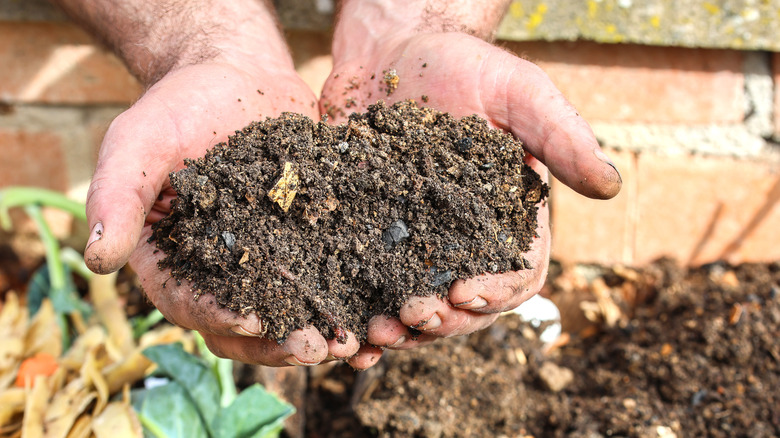
A beloved liquid that many gardeners and organic farmers credit for their crop growth is compost tea. This mixture can be brewed up in just a day or two by steeping compost in a bucket of rainwater or distilled water with an aerator running in it. While the science on the benefits of compost tea in the garden is somewhat mixed, some growers believe the liquid is responsible for decreasing disease and increasing healthy microbe growth in the soil.
To use the compost tea, just strain out the compost, then add the liquid to a sprayer to provide a boost to your crops. While horse manure tea has also been used in the past, it isn't generally recommended for use on food crops because it may contain E. coli. If you dilute your compost tea, you can use it as a foliar spray. Otherwise, it can be used as a soil drench.
Sugar water could be the unexpected garden hero you're looking for
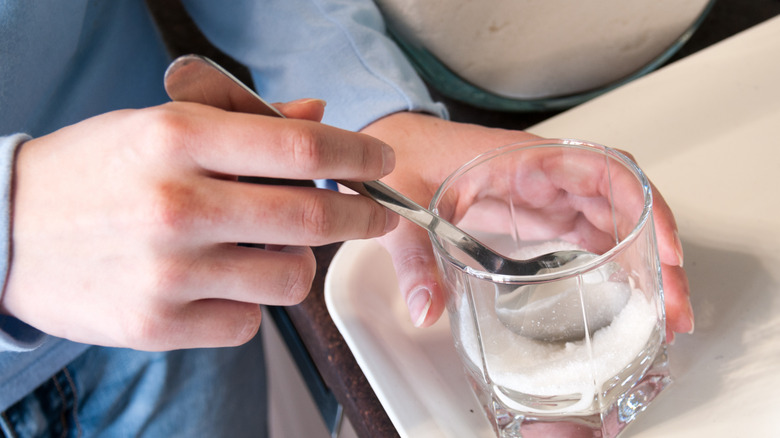
It turns out sugar isn't just a sweet treat for you; it can also be quite beneficial for your plants. While simply giving sugar diluted with water to plants doesn't seem to increase their growth directly, it does help to boost the beneficial insects that protect the plants from predators. Everything from lacewings to hoverflies to ladybugs benefits from some sugar water. And the pests that nibble your crops are often less common in areas treated with sugar water.
You can also use sugar water in a vase to help extend the life of your cut flowers and bouquets. For this use, you need just a tablespoon or two of sugar to treat a vase of water. Sugar also has the potential to benefit soil microbes. But unfortunately, both good and bad microbes like sugar, so it's possible this won't provide you with the results you're hoping for and could even increase plant diseases.
Vegetable cooking liquid can make a great plant snack

Another kitchen leftover you're probably dumping down the drain is the leftover water from boiling veggies, which you should instead offer to your plants. This water can have a range of vitamins and micronutrients from the vegetables cooked in it. Vitamin C and anthocyanins are especially water soluble. Just make sure you don't add any salt or oils to your cooking water if you want to give it to your plants.
To offer this treat to your plants, strain out your vegetables, then wait for the water to cool. Once it has reached room temperature, you can try using it instead of plain water when irrigating your garden. Not only is it a great way to avoid wasting water, which can be especially important if you live in an area prone to drought, but you'll also be giving your leafy friends a bit of a boost thanks to the added nutrients.