

5 Fruit Trees That Will Live Longer Than You In Your Backyard
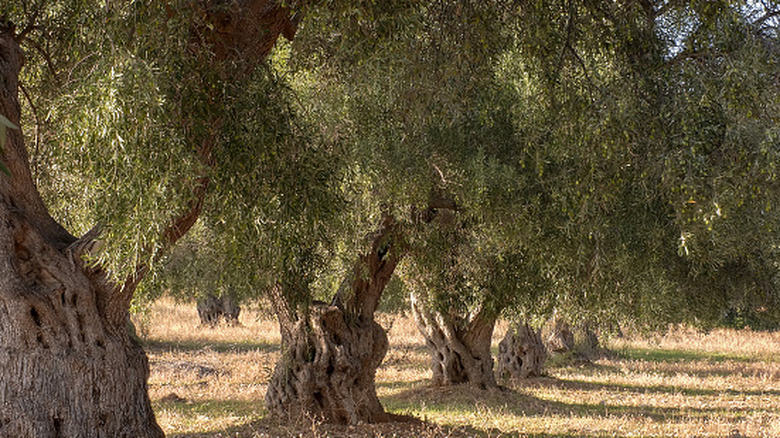
While some plants are fun novelties for a short time but are never meant to last, others more than stand the test of time and can even be passed down to children and grandchildren. That's certainly the case with some fruit trees. Olive and tamarind trees are just two examples. And what could be more amazing than picking a snack from a tree planted by your grandparents or even great-grandparents?
While some fruit trees, including beloved favorites like peaches, have relatively short life-spans and may not live much past 10 years old, that's not the case with all fruit trees. Some trees can continue to be productive for decades or even centuries; they can even become family heirlooms. There is something special about planting a tree that will feed not just you, but also your descendants for decades to come. And whether you need a long-lived tree that can thrive in a cold climate or require something that can handle the heat, there's likely one that's perfect for you and your yard.
Olive trees are famous for their long and productive lives
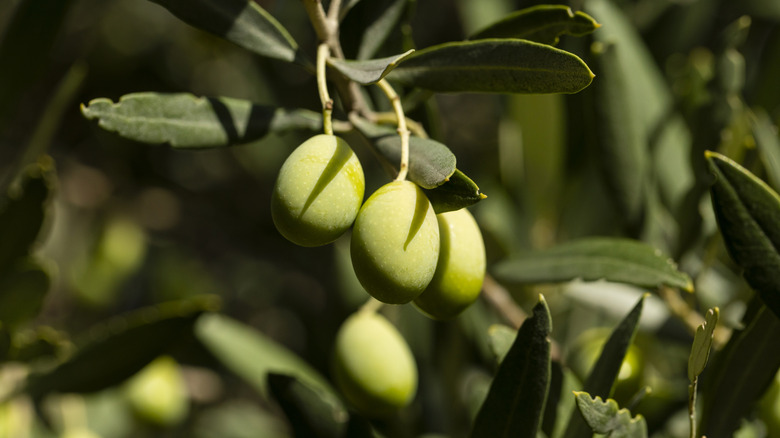
With an average lifespan of around 500 years, planting an olive tree (Olea europaea) is truly a gift to the future. These long-lived beauties can provide shade and fruit for centuries. And because they are quite drought-tolerant, they're ideal for water-wise gardens and xeriscaping. Olives are hardy in zones 8 through 10 but are also sometimes grown in containers, allowing them to spend winters indoors in colder regions. Although they don't tend to live nearly as long in pots.
With an average size of only around 25 feet tall and wide, olives can be perfect fruit trees for smaller yards. They also have a unique bark that develops a gnarled look as they age, making them ideal for adding an eerie and gothic touch to your garden. Make sure to plant your olive in full sun and in well-draining soil. Before planting an olive tree, just make sure they aren't invasive in your area, as they have begun to be a problem in Hawaii and parts of California.
Unique and long-lived tamarind trees provide sweet and sour fruit
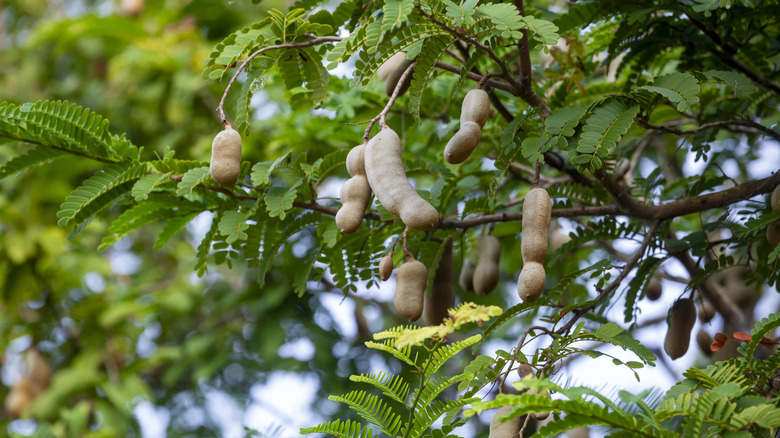
While the tamarind tree (Tamarindus indica) is sadly only hardy in USDA zones 10 and 11, it's more than worth considering if you live in a region where it can thrive. Not only can its sweet and sour fruits be used to make delicious drinks and candies, but they're also great additions to sauces and soups. And with a lifespan of around 200 years, future generations will certainly thank you for planting one.
You can find young Tamarind trees for sale at specialty nurseries. They can also be grown from seed, though you're not guaranteed to get the best-tasting fruit that way. Tamarind trees grow to around 100 feet tall and can have a spread of around 40 feet, so you'll definitely need a good-sized yard to accommodate one of these beauties. They thrive in sunny spots and are quite drought-tolerant. Tamarinds can also handle high winds, so these could be your perfect tree if you live in a region prone to hurricanes or windstorms.
Black cherry trees are surprisingly long-lived and beneficial to wildlife
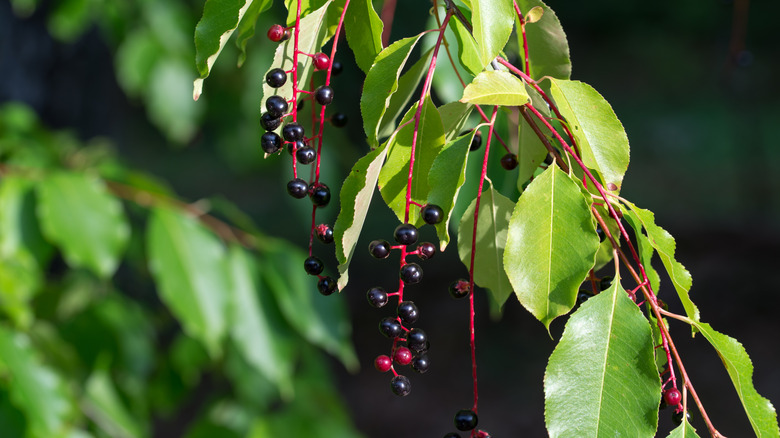
Unlike most cherries, which are comparatively short-lived, black cherry trees (Prunus serotina) regularly live for 100 years and have even been known to survive for 250 years. Native to North America, the trees are hardy in zones 2 through 8, and while the leaves and bark can be toxic, the fruit is edible as long as you don't consume the pits. Black cherries can be bitter, though, so they're often best enjoyed in jellies and drinks.
With a height and spread of around 60 feet, these are definitely trees that require some space. They don't just add a unique specimen to your yard, though; they also benefit pollinators as they are host plants for the larvae of many types of butterflies, including eastern swallowtails. They also offer beautiful flowers in spring, and their unique exfoliating bark adds winter interest. Make sure to grow your black cherry in full sun and well-draining soil.
Hackberries are long-lived native trees with delicious fruit
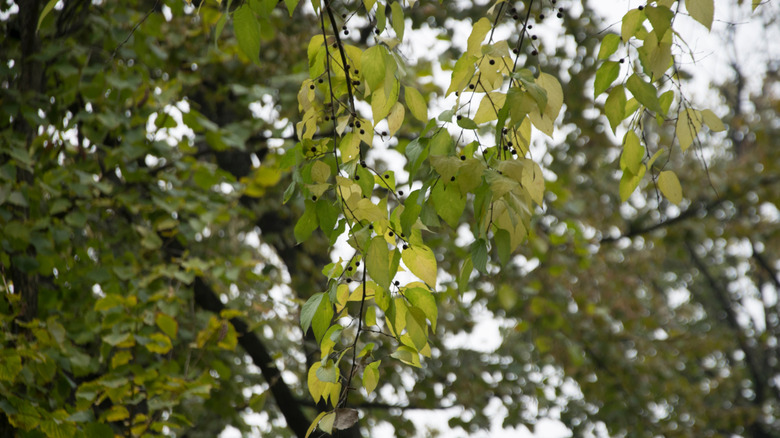
Native to North America, hackberries (Celtis occidentalis) offer small but tasty fruits and a life span that can exceed 150 years. The trees are hardy in zones 3 through 9 and can handle a range of soil types. They'll tolerate both drought and flooding and can even deal with salt spray. Just make sure to plant your hackberry in full to part sun, and it should thrive for many decades.
Growing to a height of about 100 feet tall and boasting a spread of approximately 60 feet, a hackberry tree is sure to make a big impact in your yard. Its ridged bark provides an interesting look in a winter landscape, and yellow autumnal leaves ensure this tree is a beauty year-round. It also benefits local pollinators, including question mark butterflies, who use it as a host plant. Whether you enjoy the berries from the hackberry tree yourself or leave them for your backyard birds to enjoy, this tree is a perfect long-term addition to your yard.
Apple trees can be surprisingly long-lived under the right conditions
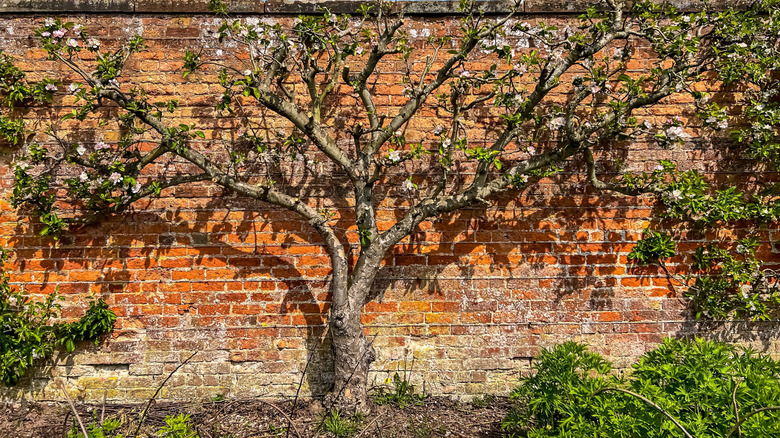
While apple trees (Malus spp.) generally become less productive after 25 years old and only live to around 100 at most, espaliered trees can continue to thrive and even produce tasty apples for 150 years or more. Espaliering is a specific method of pruning that trains the tree to grow flat against a wall or fence. While building an espalier trellis and training your apple tree isn't a fast process, it could be worth it since it will give you an extremely productive and long-lived tree that is less prone to damage.
Apple trees are generally hardy in zones 3 through 10, depending on the specific cultivar. They need a sunny spot and relatively well-draining soil to thrive. While apple trees can grow to around 44 feet tall and around 25 feet wide, espaliering can help control their size. Just don't forget that you'll generally need two apple trees of different varieties if you want them to produce fruit. In addition to their tasty fruit, apple trees also have beautiful spring blossoms.