

The Cold-Resistant Plant That Stirs Up Emotion In Every Boomer
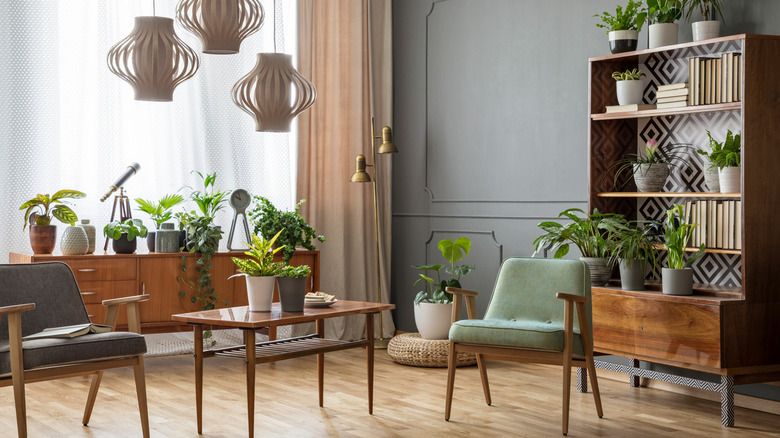
Because plants go through cycles of popularity and fall in and out of fashion, they can often evoke memories of specific times and places. That is certainly the case with the easy-to-care-for-and-love cast iron plant (Aspidistra elatior). Extremely popular in the period before World War I, the poor plant later became the butt of jokes, but it was still common to see it in the homes of older relatives. Whether you have nostalgic childhood memories of these plants or are just looking for a bullet-proof plant for your home or yard, cast iron plants are great additions. And because they divide so easily, you'll be able to share your new old-fashioned treasure with all your friends and family, just like your parents and grandparents may have done.
Native to Asia, cast iron plants were hugely popular in Europe and North America in the latter half of the 19th century and early 20th century. While they were generally grown as houseplants during this time, unlike many houseplants, they're also surprisingly cold-tolerant and can grow outside in many areas. Cast iron plants are excellent alternatives to hostas in zones 7 and higher, where they are hardy. And unlike hostas, cast iron plants are evergreen and deer resistant. With a height and width of around 3 feet, they are excellent floor plants indoors. Outdoors, they're perfect to grow in the ground alongside other shade garden plants like hostas and columbines.
How to care for your nostalgic cast iron plant
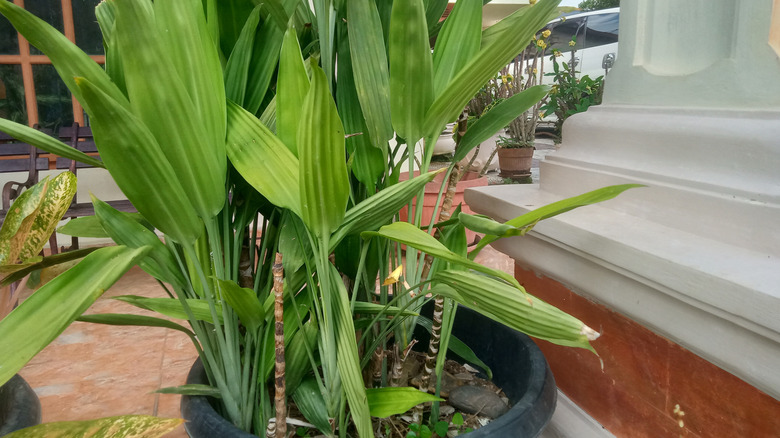
While they are far from the most popular plants these days, cast iron plants are still relatively easy to find in nurseries and garden centers. If you have any friends or family who own one, you can also ask them for a division from theirs. Cast iron plants thrive in relatively low light, making them perfect for anyone looking for a houseplant that can grow without a ton of natural light. They should be grown in shady spots if they are outside, and as houseplants, they grow best in north-facing windows.
It's not just their fondness for low light that makes them easy to care for. Cast iron plants are also fairly drought-tolerant and can grow in a range of soil types without issue. While they can handle poor soil, cast iron plants grow best with occasional fertilization. And since they can survive temperatures down to 0 degrees Fahrenheit, there's likely no place in your home that will be too cold for them. As long as you don't overwater them or grow them in soggy soil, they should grow well for decades or more.
Consider enjoying your cast iron plant in outdoor container gardens, as they're perfect for adding some greenery to shady porches. This will also make them easy to bring back inside for winter in zones 6 and lower. With nostalgic gardening trends taking over, this could be the perfect time for cast iron plants to make their comeback and once again get the appreciation they deserve.