

Forget Lavender: This Hardier Perennial Blooms Way Longer
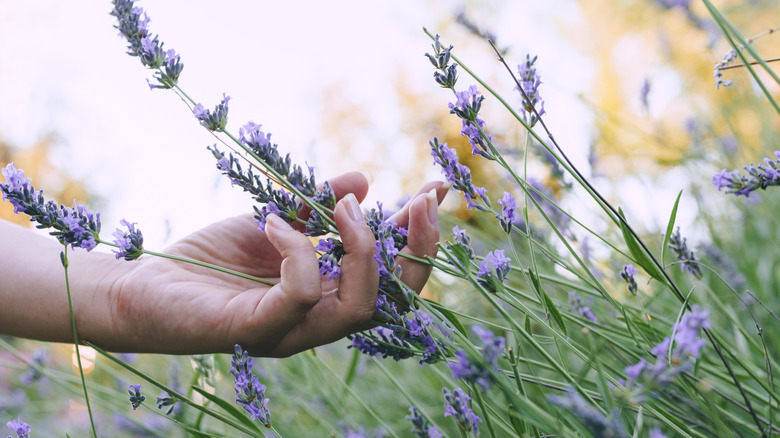
Lavender is a garden classic. Between its intoxicating scent and beautiful purple flowers, there is a lot to love about this herb. But if you're looking for an even tougher plant with longer-lasting blooms, there's at least one genus of plants that has it beat: salvias!
There is a lot of variety within the salvia genus, from classic culinary sage (Salvia officinalis), to unique garden hybrid cultivars like 'Indigo Spires'. Unlike lavender, which, at best, is hardy down to USDA zone 5, there are salvias that are perennial in regions as cold as Zone 4. There are also many salvias like pineapple sage (Salvia elegans) that thrive as annuals. And with some salvias like 'Victoria Blue' (Salvia farinacea 'Victoria Blue') blooming all the way from early summer into autumn, they far outcompete lavender as far as flowering goes. Lavender generally only blooms in early to mid-summer.
Many salvias, like culinary sage, also offer wonderfully smelling leaves and plenty of pollinator appeal, too. They're perfect if you want to easily attract hummingbirds to your garden. The range of flower colors for salvias includes everything from blues and purples to reds and yellows. And if you've been trying to grow more native plants, you'll be happy to know that there are around 50 different types of salvia native to North America. With all their amazing attributes, you may find yourself wondering why you didn't ditch your lavender for salvia sooner.
How to grow long-blooming salvia in your own landscape
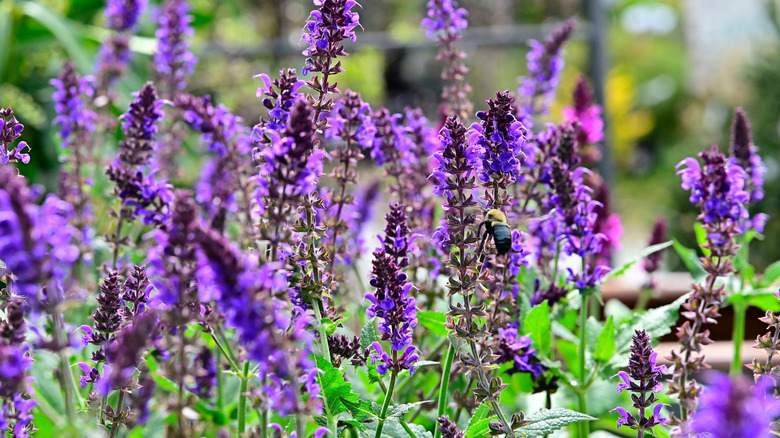
Depending on the type of salvia you want, you can propagate it from stem cuttings from a friend, grow from seed, or simply buy a young plant at your local nursery. Salvia thrives in many of the same conditions as lavender, with both enjoying well-draining soil and sunny locations. Salvias tend to be a bit more flexible, though, and can also often handle just part sun or at least three hours of direct sunshine a day.
Most salvia can also handle relatively poor soil and may even struggle if they are over-fertilized. And all are quite drought- and deer-tolerant. To maximize your blooms, stay on top of deadheading your salvia to encourage it to flower more.
While you could easily create a garden made of nothing but different sizes and colors of salvias, they also pair well with other drought-tolerant beauties. You can companion plant your salvia alongside blooms like coreopsis and beardtongue (Penstemon spp.). You could even grow them with your lavender if you don't want to completely abandon that herb.