

The Superfood That's Cheaper To Grow Than Buy
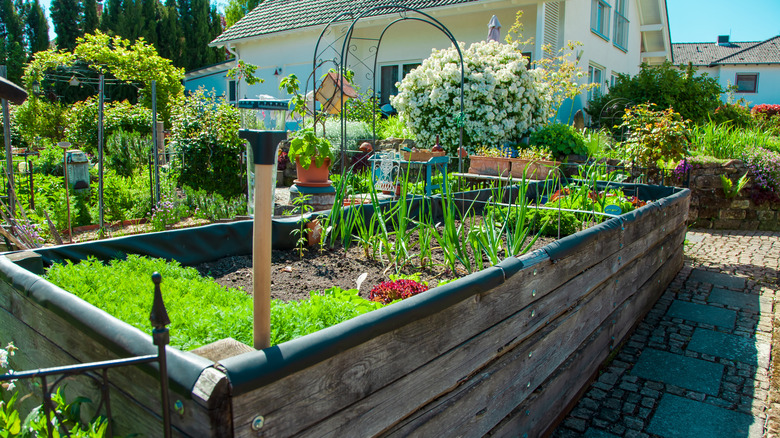
Who doesn't want a delicious snack or side that provides a range of vitamins and minerals, as well as protein and fiber? Spinach, that tasty but often overlooked superfood, provides all that and more and is a great way to supercharge your diet. And while store-bought spinach generally isn't outrageously expensive, you can buy an entire packet of spinach seeds for the cost of just 8 ounces of spinach leaves from the store.
Spinach does well in small spaces, too. That means this leafy vegetable is one you can be growing in containers! A spinach plant only grows about a foot tall and wide and doesn't have very deep roots. So it does well in gallon-sized containers and is fine in a shallow pot that's only around 4 inches deep.
The one downside to growing spinach is that it is a cool-season crop and tends to bolt (or go to seed) when temperatures heat up. For hot summer months, consider growing Swiss chard as it is less prone to bolting and is still quite nutritious. If you want to try growing spinach in warm weather, be sure to opt for a bolt-resistant variety like 'Renegade'.
How to grow spinach to beat grocery prices
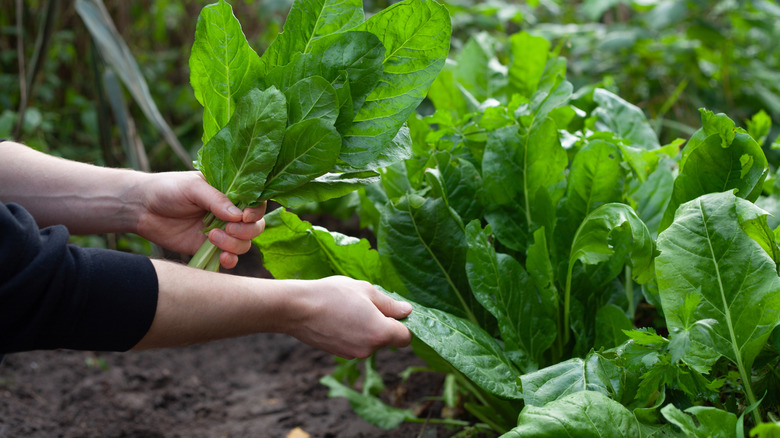
Since it is a cool-season crop, you can direct-sow your spinach seeds as soon as your spring temperatures are above freezing. Be sure to plant them in fertile and well-draining soil or potting mix. While spinach does well in full sun when the weather is chilly, part sun locations may be best once hot summer temperatures hit. One of the advantages of growing spinach in containers is that you move it around to the best spot depending on the temperature. You can sow a second round of spinach in late summer to take advantage of the cooler temperatures in fall.
Spinach needs to be watered regularly, and its soil should be kept moist since it has shallow roots. You can try capturing rainwater to help keep water bills low. Keep an eye out for any pests that might be eating the spinach in your garden, and consider setting up slug traps if necessary. Spinach plants mature in only around six weeks, but you don't need to wait that long to enjoy them. Harvest outer leaves as needed to have a consistent supply. Unlike with bagged spinach that tends to quickly turn to mush in the fridge, picking your own should limit waste. You can also freeze any excess so you can enjoy spinach all year long. There are a variety of different types of spinach, so pick the cultivars that are your favorites.