

5 Best Ways To Prevent Garden Weeds That Aren't Traditional Mulch
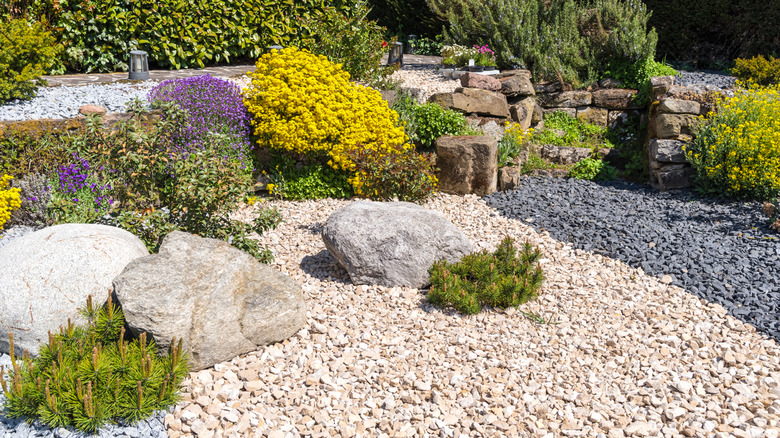
There are few garden chores more despised than weeding, and while it may not be possible to eliminate the task entirely, there are ways to limit the need for it. Preventing bare soil in your garden can definitely help. Bare soil is a weed magnet since there is nothing to stop the seeds from germinating there, and they have no competition for water and sun. While garden mulch is a classic garden addition for covering soil, it's far from the only option. Choices to consider include ground covers, leaves, and gravel.
Some types of mulch also come with drawbacks. While organic mulches like wood chips and shredded bark can break down well and eventually help to nourish your soil, in the short term, they can actually take nitrogen needed by your plants. They must also be reapplied yearly. Mulches made of shredded rubber, on the other hand, don't break down nearly as quickly, meaning they can be applied less often, but they could also be leaching toxins into your soil. And, of course, sometimes mulch simply isn't part of the look you're going for in your garden. Different weed prevention options provide different advantages, disadvantages, and aesthetics, so it's important to pick what works best for you and your garden space.
Perennial ground covers prevent weeds year after year
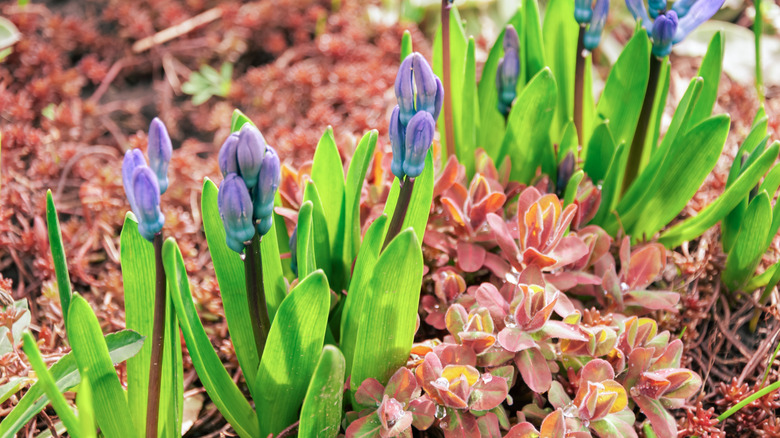
One easy way to cover bare soil is to simply grow plants in it. The plants can prevent weed seeds from gaining access to your soil and can outcompete any weeds that do germinate, cutting them off from light and water. Ground cover plants tend to be species that easily spread and grow low enough that they won't block your view of the other beauties in your garden. Perennials are especially popular as ground covers, as they will continue to spread and return year after year. You could even opt for an evergreen ground cover like bearberry (Arctostaphylos uva-ursi) to provide year-round greenery and weed-fighting power.
As with all plants, you have to pick the right ground cover for your space. A plant like pussytoes (Antennaria dioica) is perfect for a sunny and dry area, but will likely struggle in moist shade. Ground covers can do more than just prevent weeds, though; they can also help to stabilize slopes and prevent erosion. You could even go with a flowering perennial ground cover like creeping phlox to add additional blooms to your hillside garden.
Annual ground covers offer flexibility as well as weed protection
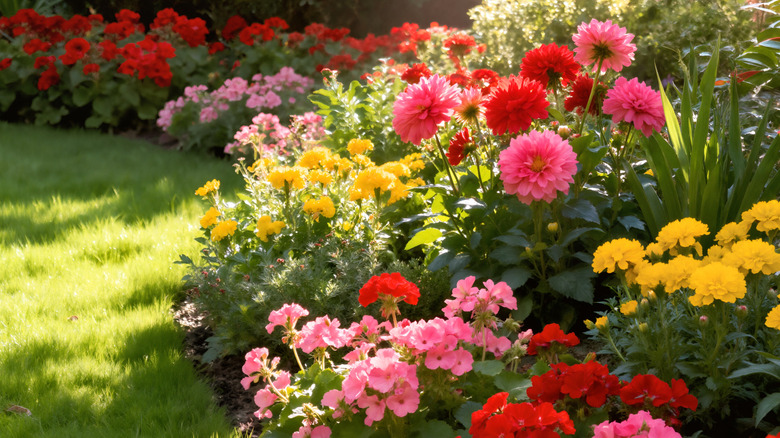
While perennials are common as ground covers, annuals can also do a great job protecting your soil from weeds while beautifying your space. Annuals are especially good choices if you want to change up your garden each year or just need something to fill in for a summer while you're waiting for your perennials to mature and spread. You could also opt for annual ground cover flowers that reseed themselves year after year. This will keep your garden full of beauty with minimal work on your part.
As long as they aren't invasive in your area, sweet alyssums (Lobularia spp.) can make great ground covers for sunny spaces as they are great low-growing annuals that quickly spread and easily reseed. Pansies (Viola x wittrockiana) also fill out well to provide color and protect your soil. Ground cover annuals for shady spots can be a bit more difficult to find, but bacopa can work well there as long as it gets enough water.
If you set them up correctly, gravel gardens can prevent weeds
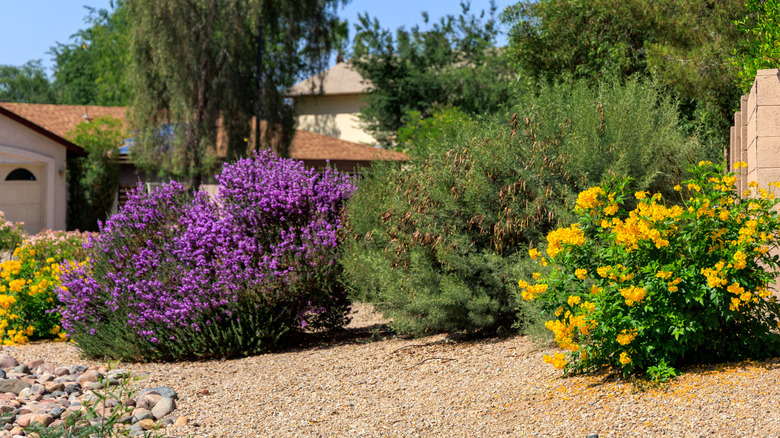
Using gravel in gardens can sometimes be a bit controversial, as weed seeds can potentially germinate in the cracks between the stones, and gravel can be challenging to remove if you change your mind. But as long as you pick a small enough size of rock and use it in the right spot, it can actually be a great option for suppressing weeds and even conserving water. Gravel is even a favorite landscaping material of "Fixer Upper" star Joanna Gaines.
To create a weed-suppressing gravel garden, you shouldn't just throw some gravel on top of your soil. Instead, you'll want your gravel to be around 5 inches thick and to plant your flowers or shrubs directly into the gravel. Drought-tolerant native plants like blanket flower (Gaillardia spp.) are often good options to grow in these types of gardens. After a few years, the plants should rarely, if ever, require watering. And shallow-rooted weed seeds should have little access to soil or water.
Shredded leaves are free in autumn and can help prevent weeds
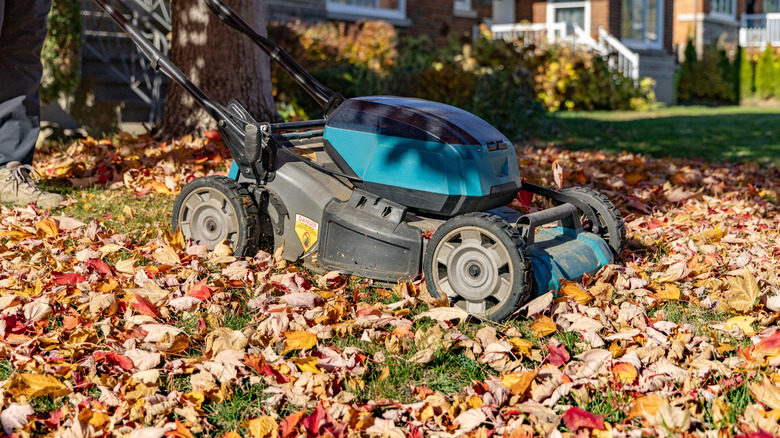
Wood chips and rubber mulch aren't the only ways to cover bare soil and smother weed growth. You can also use shredded leaves. You likely have more leaves than you know what to do with in autumn, so consider using them to protect your garden. Whether you use a rake or a less traditional tool like a leaf vacuum to collect your leaves, make sure to shred them before adding them to your garden. This will help the leaves break down more quickly and become free compost in addition to soil protection.
One easy way to shred up your leaves is to just run them over with your lawn mower. You can then add these bits to your garden beds, piling the leaves about 2 to 4 inches thick. While they will break down quickly and need to be replaced often, nature will likely provide you with a free supply every fall.
Weed barrier fabric can sometimes be the best option for weed supression
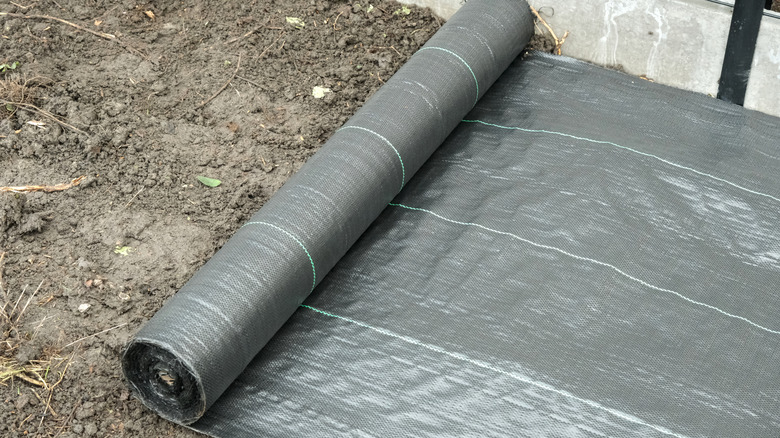
While plastic weed barrier fabric isn't the best weed control option in all situations, it can be a useful tool in annual vegetable gardens. Staple the weed mat on top of your soil, and then either plant into pre-made holes or burn or cut your own holes to plant your vegetables into. Don't cover the fabric with mulch.
This fabric can prevent weeds from growing up between your crops during the summer gardening season. You'll have to use some extra effort when watering and fertilizing your plants, though, to make sure they get under the fabric to the plants' roots. You can either opt for a permeable fabric or use drip irrigation under the fabric. At the end of the season, roll up the fabric. And if it is still in good shape, you can use it again next summer. Landscape fabrics and weed mats aren't long-term solutions, though, making them a poor choice for perennial beds and borders.