

Why So Many People Are Suddenly Obsessed With This Forgotten Weed
"Weeds are just plants in the wrong place", is a common but true saying. So many plants have been dismissed for turning up unexpectedly in gardens or outcompeting desired crops. Some of these previously disdained plants are getting a reassessment, though, and none more so than milkweed (Asclepias spp.). Milkweeds generally produce a white milky-looking sap, which gives them their name. While they are toxic to humans and many animals, including livestock, the plants are essential host plants for monarch butterflies. The butterflies and their unique striped caterpillars feed on the milkweed, which makes them toxic to birds that might otherwise feast on them. As there is no other type of plant monarchs lay their eggs on, milkweed is essential to their survival.
As alarming statistics about the precipitous decline of monarch butterfly populations have become well known, many gardeners are looking for ways to better help these gorgeous but threatened lepidopterans. While there are a range of factors responsible for monarch population declines, including loss of overwintering habitats, pesticide use, and climate change, one of the best and most practical ways to help is simply growing milkweed, especially if you live along monarch migration routes. You won't just be beautifying your garden by planting these flowers that attract monarch butterflies; you'll also be helping a struggling species survive.
How to responsibly add milkweed to your garden to help monarch butterflies
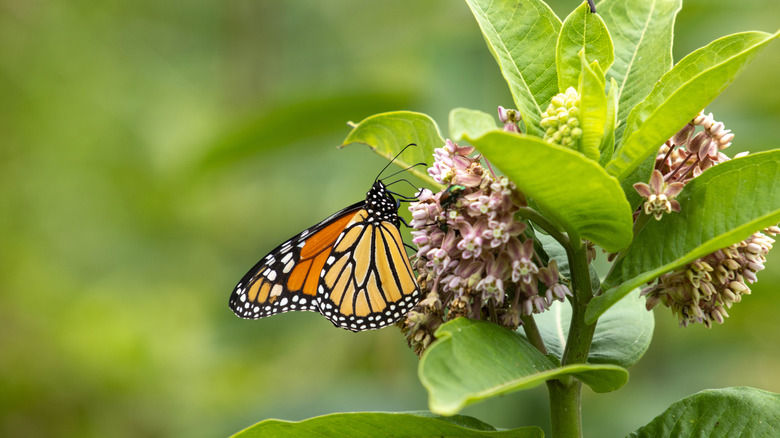
Not all milkweed plants are equally beneficial. You want to make sure to plant seeds of milkweeds that are native to your region. In the Northeastern United States, native milkweeds include common milkweed (Asclepias syriaca), butterfly weed (Asclepias tuberosa), and swamp milkweed (Asclepias incarnata) all three of which are hardy in zones 3 through 9. Which one is the best option for adding to your own yard depends on your growing conditions. While butterfly weed and common milkweed both thrive in dry and sunny spots, swamp milkweed is a better option for swampy and waterlogged soil. In addition to butterflies, your milkweeds will also help to attract hummingbirds all summer long.
Before planting milkweed, you'll also need to consider its toxicity and whether that is likely to cause a problem for you, your family, or your pets. While milkweed is considered to have a relatively low severity poison for people, it is still dangerous to eat if consumed in large amounts and can cause contact dermatitis when touched. So be sure to wear gloves while working with it. Perhaps more worryingly, it can be quite harmful to livestock, especially horses, which can potentially die from eating it. However, if you don't pasture horses near your garden and you take some basic precautions, milkweed is an amazing addition to native pollinator and butterfly gardens.