

5 Trees That Could Be Luring Garden Snakes Into Your Yard
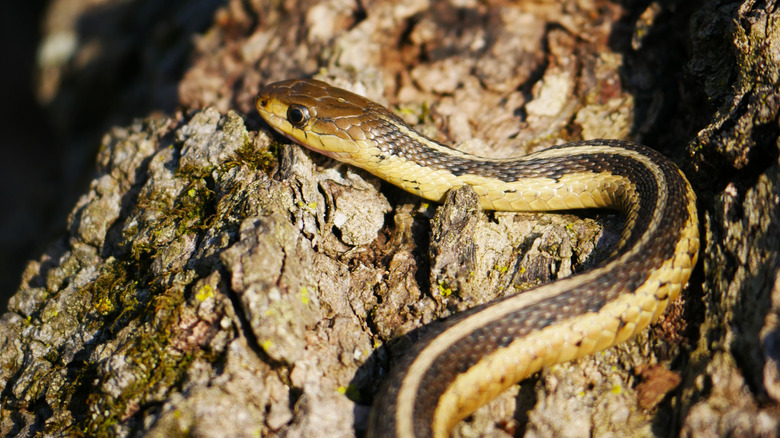
Trees provide a range of purposes in your yard. Not only do they give you shade and possibly fruit, but they can also benefit your local wildlife. Unfortunately, you might not always appreciate the wildlife that comes to visit. This could especially be the case if your yard is relatively small. Trees that attract snakes, for example, might not be what you're looking for close to your house. These include maples, cypresses, and fruit trees.
As beneficial as snakes can be, not everyone enjoys having a yard full of them. You may have even cleaned up or gotten rid of many of the common backyard features that attract snakes, like messy bird feeders or piles of firewood. So learning that your trees could also be an issue can be a disappointment. It's understandable not to be thrilled to have snakes crawling by your child's play area or directly over a spot where you enjoy holding barbecues. No one wants a snake falling out of a tree onto their head.
So, planting trees that are prone to attracting snakes, often by attracting some of their favorite prey, further away from your house, could be a good way to allow you and your local snakes to coexist peacefully. Removing the lower limbs from the trees and keeping them well-maintained can also be helpful for discouraging snake visits.
Maple trees can attract copperheads by attracting their favorite food

Maple trees (Acer spp.) are easy trees to love. With a wide variety of species to choose from, there's likely one perfect for almost every location. And between the shade they provide and their brilliant fall colors, they're gorgeous additions to gardens and yards. Unfortunately, people aren't the only ones to enjoy these beauties. Maples are also a favorite of copperhead snakes, because they often contain their beloved meal of cicadas.
The clever (and venomous) copperhead snakes wait near maple trees for cicadas to emerge and then make quick work of any that wander too close. With their impressive camouflage, neither the cicadas nor you will even notice them until they strike. While it's amazing how copperheads hunt, and they provide a useful service by keeping cicada populations under control, you may not want this happening right next to your front door.
Apple trees provide food for you, mice, and snakes
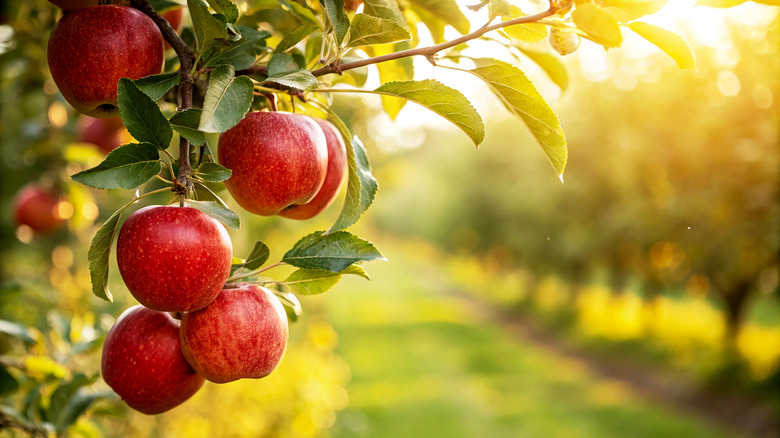
Mice and other rodents find apples (Malus spp.) almost as delicious as people do. And nothing attracts snakes to your yard quite like mice do. While the snakes are there to do you a favor by noshing on the rodents or even birds that could be damaging your trees, you still might not enjoy their visits. A wide range of snakes enjoy snacks of mice and other small rodents, so your apple trees could be attracting anything from gopher snakes to rubber boas.
If you have an apple or other fruit tree, be sure to collect all the fruit as soon as it's ripe, and don't let it pile up on the ground. A yard full of rotting fruit is sure to attract rats and mice, among other pests. Keeping your backyard orchard clean should cut back on visits from rodents and, by extension, snakes.
Orange trees are loved by rats who are preyed on by snakes
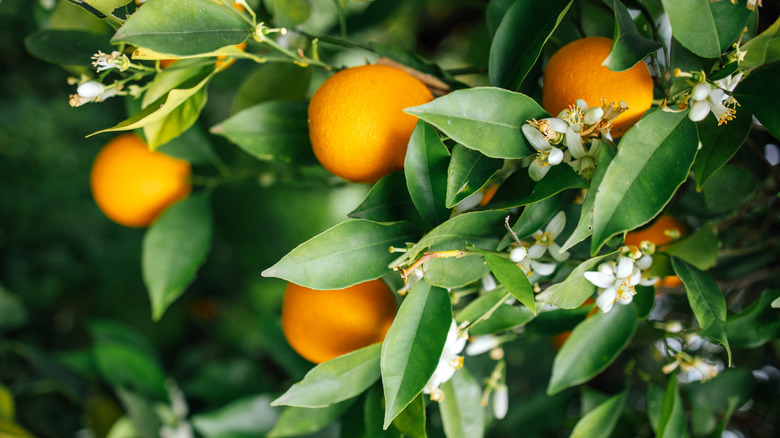
You might have thought that citrus fruits like oranges (Citrus x sinensis) would be less likely to attract rodents and the snakes that prey on them, but that's not the case. It turns out that rodents like roof rats quite enjoy nesting in orange trees. They're also more than happy to nibble on the fruits of your tree.
Rat snakes and other rodent-eating serpents are more than willing to provide essential clean-up by eating the rats that go after your oranges. While you may not be bothered by some of the more docile and harmless snakes drawn to your trees and rodents, citrus orchards are also known to attract dangerous rattlesnakes. To keep the rats and snakes to a minimum, stay on top of picking your oranges. You can also use metal guards on your trees to help keep the rats off of them. If you live in an area where rattlesnakes are common, use extra caution when working with your trees.
Cypress trees bring evergreen beauty and snakes to your yard
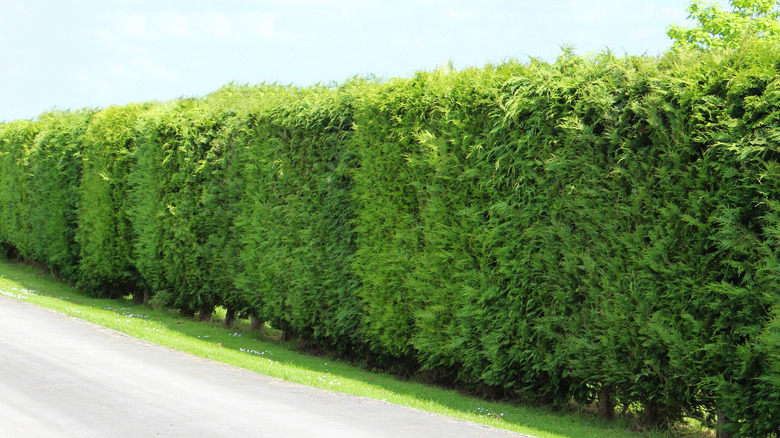
Another type of tree that snakes are often drawn to is cypresses. This family of trees is often the home of choice for rat snakes. Whether it's a Leyland cypress (x Cupressocyparis leylandii), a white cypress (Chamaecyparis thyoides), or many other kinds of cypress trees, these gorgeous evergreens are magnets for slithering serpents, especially yellow rat snakes. These snakes are particularly common in swampy areas in the Southern United States.
Snakes like the yellow rat snake, while they especially like rodents, will also often eat birds, so a bird's nest in your cypress could make it extra appealing to them. Preventing birds from nesting in your cypress trees by using scarecrows or reflective decorations could help make your trees a bit less enticing to the local snakes. Keeping the grass around your trees relatively short may also help limit snake visits.
Olive trees provide tasty treats, but can also attract snakes
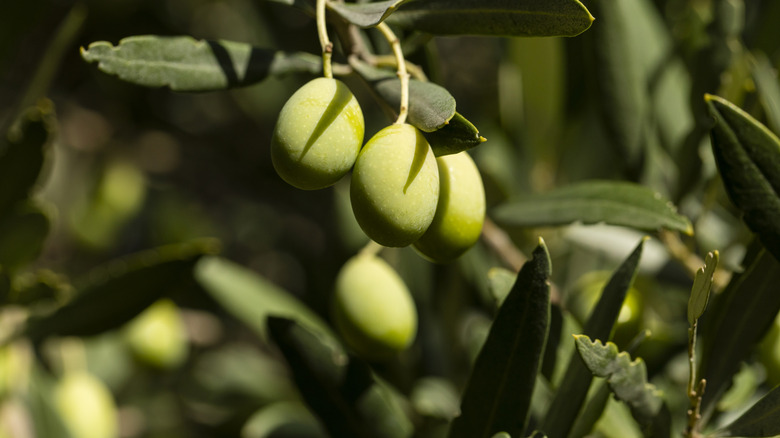
Olive trees (Olea europaea) are beautiful additions to yards thanks to their bounty of olives, drought tolerance, and manageable size that rarely exceeds 30 feet. Unfortunately, they're also a great way to attract snakes to your yard. Not only do the beautiful olive trees provide plenty of protection and shelter for the legless reptiles, but they're also often full of the rodents and birds that so many snakes love feasting on. There have even been some cases in Europe of snakes arriving in shipments of imported olive plants.
The xeriscaping style of water-wise landscaping that is common near olive trees can exacerbate the snake problem. This is because large flat rocks create perfect basking spots for snakes to enjoy the warm sun. Consider instead using smaller rocks like gravel that fit together well and have few gaps for snakes to hide in if you want to create a Mediterranean-inspired landscape around your olive tree.