

Not Mulch, Not Soil: The Beautiful Plant That Stops Weeds From Taking Over
We may receive a commission on purchases made from links.
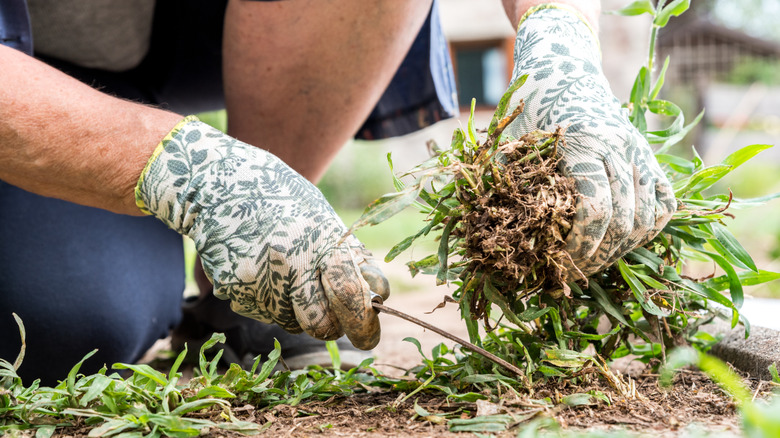
Plain, bare soil is a magnet for weeds. With nothing preventing their seedlings from getting all the sun, water, and nutrients they need, it doesn't take long for them to take over. Ground cover plants can make all the difference. By keeping formerly bare soil covered, they make it more difficult for weed seeds to germinate and thrive. This means you get to spend more time enjoying your garden and less time weeding it. A good ground cover acts as a sort of "living mulch" to prevent erosion and stop weeds from getting enough sunlight and nutrients. They can often be less expensive than mulch in the long run as well. If you pick the right plants, ground covers can also benefit pollinators and add beauty to your landscape. One ground cover that does all this and more is the amazing bearberry (arctostaphylos uva-ursi).
Native to North America, as well as the continents of Europe and Asia, bearberry, also known as kinnikinnick, only reaches about a foot high but can spread 6 feet wide. This makes it perfect for protecting your soil from pesky weeds without blocking your view of your other, taller plants. And its adorable pink flowers make it a garden star in its own right during spring. Its evergreen leaves and bright red berries add color and beauty to your garden even in the depths of winter. That isn't the only way bearberry contributes to your garden; it's also a host plant for gorgeous butterflies, including the brown elfin and freija fritillary. This makes it perfect for pollinator gardens. Another advantage of this evergreen ground cover is its deer resistance.
How to grow and care for bearberry in your own garden
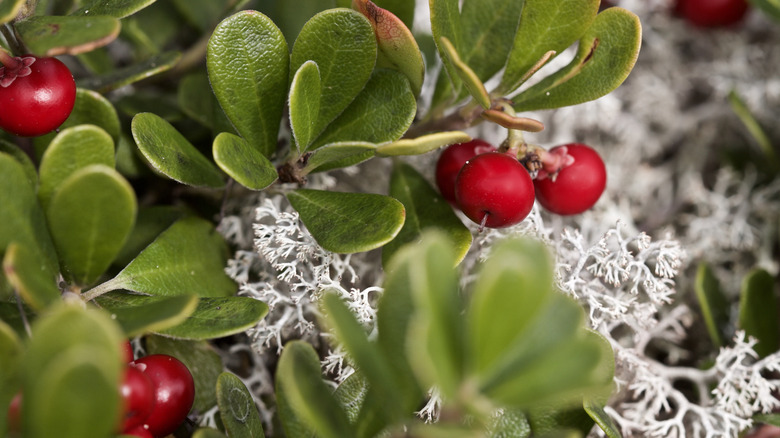
If you want to add bearberry to your own yard, it can often be found in native plant nurseries. Hardy in zones 3 through 7, bearberries thrive in sunny to partly shady locations. Conveniently, they also enjoy poor soil, so there's no need to fertilize them, though you may need to use a soil acidifier like Earth Science Fast-Acting Sulfur Granules, as bearberries enjoy soil with a low pH. Sandy ground is especially good. Try to plant it in well-draining soil and avoid overwatering, as it is drought-tolerant. Bearberry tends to struggle when moved, so avoid transplanting this ground cover if possible. While the berries are edible, you may want to just leave them for the birds and other wildlife, as they aren't considered especially tasty.
Bearberry's one drawback as a ground cover is its relatively slow growth. You may need to use low-growing annuals as temporary ground cover while you wait for your bearberry to spread and fill in. Mulch can also be a useful tool for covering bare soil and acting as weed suppression until your bearberry has matured enough to cover the ground and prevent weeds itself. Remember, almost anything will be better than plain soil for weed prevention.
Bearberry could be a perfect ground cover to grow in front of other drought-tolerant flowers native to America, like coneflowers and butterfly milkweed. It will also provide some year-round interest that these herbaceous perennials can't give.