

6 Garden Plants That May Help Repel Spiders Naturally
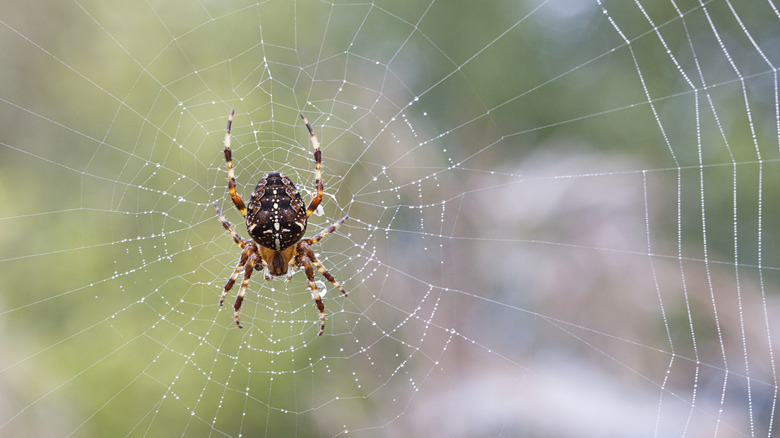
Spiders can be extremely helpful in the garden because they eat insects that would otherwise damage your plants. And while they may look scary, they rarely harm people. However, that doesn't necessarily mean that you want these eight-legged animals in all parts of your yard. You may have a patio area, entrance to your home, or children's play space that you'd prefer to be spider-free. While using plants to repel spiders has a long history, the science is still out on how effective many spider-repelling plants really are. As Liah Continentino from The University of Florida's Institute of Food and Agricultural Sciences explained, while many plants produce pest-repelling oils, "unless you're extracting their oils and applying them like a spray, they're not doing much just sitting in your garden." If you want to avoid using harsher methods, though, growing plants that may have spider-repelling oils could still be worth a try, especially with how beautiful and fragrant many of these plants are. Plants like eucalyptus and mint are examples of these scented, and potentially spider-warding, options.
You could also try growing some of these plants as ingredients to make your own essential oils to use in the garden. While steam distillation works best, drying the plants and then submerging them in oil for several weeks is also a popular method.
One common supposed spider-repelling scent that hasn't held up to research is lemon. A study in The Journal of Economic Entomology found that even as a concentrated oil, lemon had no effect on spiders. That doesn't mean you can't still grow lemon balm, lemon grass, or even lemon trees; just don't be too disappointed when they don't repel any arachnids.
Mint is easy to grow and may help keep your yard spider-free
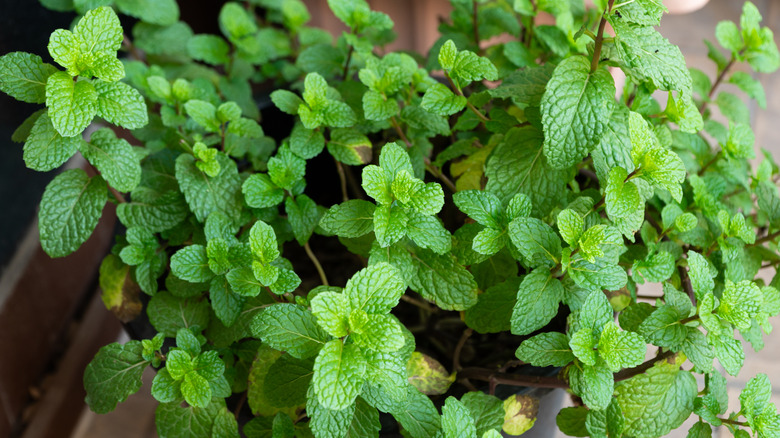
Mint (Mentha spp.) is so easy to grow that it can quickly take over your yard, so be sure to plant it in a container if you want to grow this herb. There's good evidence from the study in The Journal of Economic Entomology that at least some spiders really do avoid mint oil. So growing containers of lush mint won't just provide you with fresh herbs to add to teas and snacks, they may also keep your space free from creepy-crawlies.
Chestnut trees could be a unique way to deter spiders
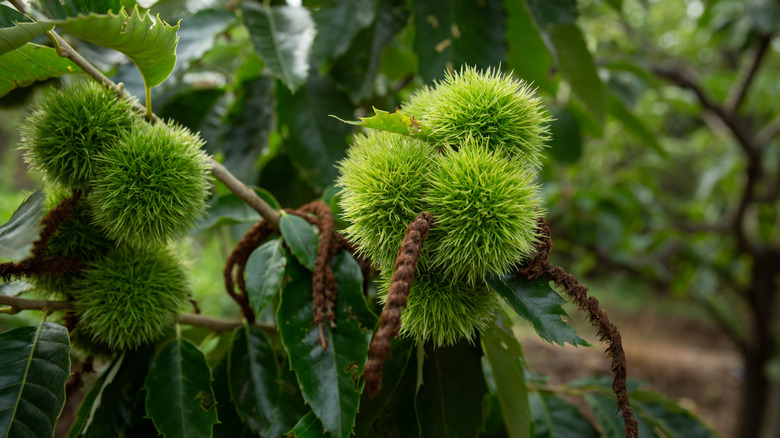
Another oil that some spiders are repelled by is chestnut. While American chestnut trees were sadly decimated by chestnut tree blight, Chinese chestnuts (Castanea mollissima) are blight-resistant and are hardy in USDA zones 4 through 8. The trees can reach 60 feet tall, so make sure you have the space for one and can provide it with plenty of sun. In addition to potentially repelling spiders, the trees will also provide you with delicious nuts.
Lavender oil is known for repelling pests and spiders
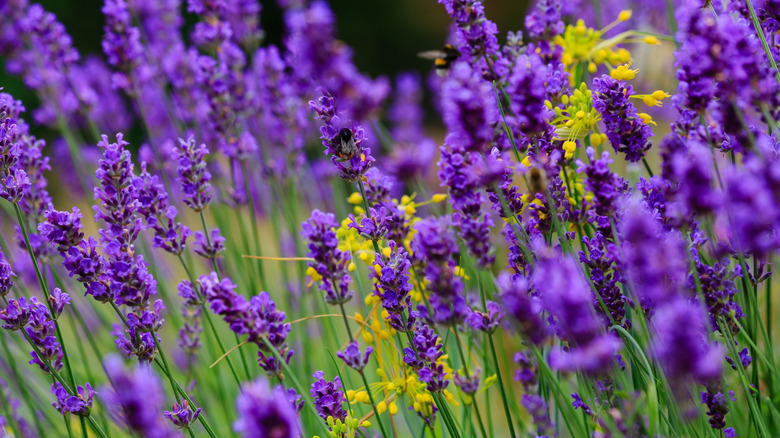
Another oil spiders tend to avoid is lavender. So you can try planting some of this beautiful and fragrant herb in areas where you want to repel pests in your garden. If you opt for English lavender (Lavandula angustifolia), it is hardy in zones 5 through 9. And as long as it's grown in full sun and well-draining soil, it should thrive, providing you with gorgeous blooms and a sweet scent.
Citronella geranium's fresh scent is said to repel spiders
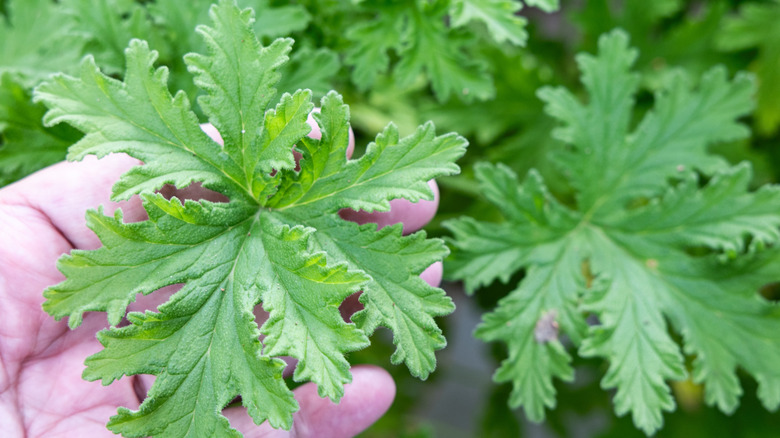
George Fox University states that citronella's (Pelargonium 'Citronella') scent repels spiders. And while it's hard to know for sure how well these plants work for keeping spiders and other pests away, if you decide to look after these geraniums, you'll quickly find their scent is a hit with people. Citronella geraniums are annuals that need frost-free conditions and plenty of sun to thrive. As they also require well-draining soil, they could be perfect to pair with your lavender.
Eucalyptus is reputed to repel arachnids
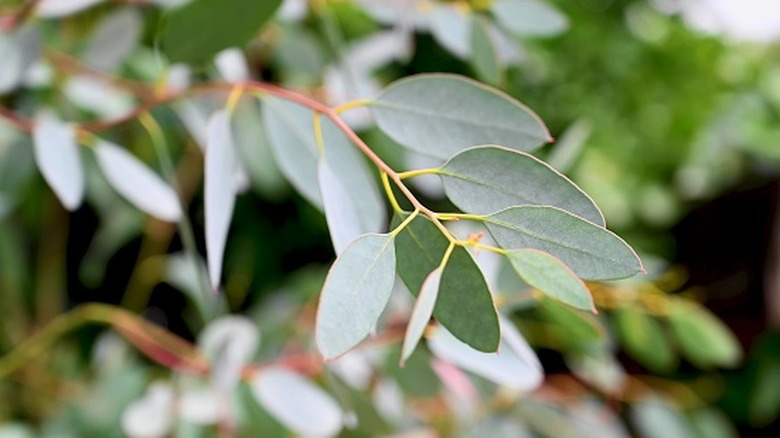
Another oil that has been believed to repel spiders is eucalyptus. You can see if having the plant nearby has a similar effect by growing it yourself. Just make sure eucalyptus isn't invasive in your area. These trees are only hardy in zones 7b through 10, so you may need to grow them as houseplants during the winter months in colder zones. With enough sun and soil that isn't prone to waterlogging, your eucalyptus should thrive. It is quite poisonous, so you may not want to grow eucalyptus if you have young kids or pets.
Osage-oranges have long been believed to deter spiders
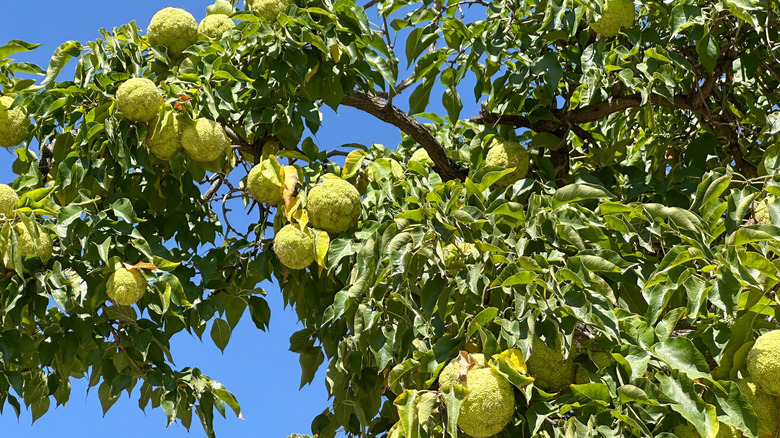
The Osage-orange (Maclura pomifera) fruit has a reputation for repelling spiders. While there is little research to back this up, concentrated chemicals from the fruits do deter at least some pests. If you have the space to put in two of these 50-foot trees (you'll need a male and a female to get fruit), they could be a fun, delicious addition to your yard. Native to the central United States, Osage-orange trees are hardy in zones 4 and above and can make great windbreaks or natural fencing, too.