

These Are The Best Companion Plants For A Prosperous Papaya Tree
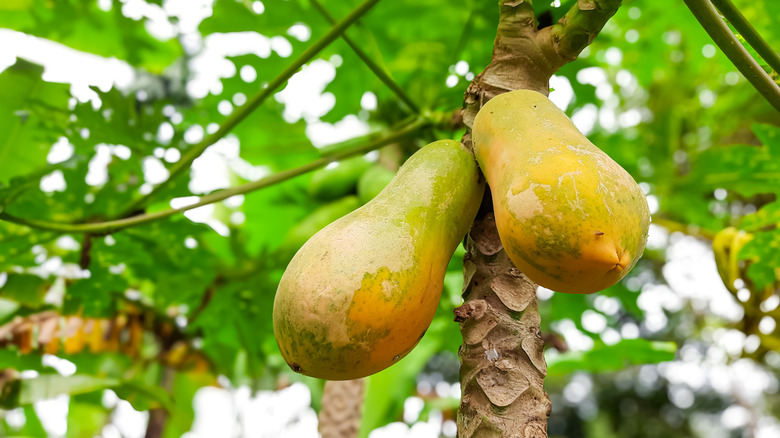
Considering how delicious papayas are, it's no wonder many gardeners in warm climates enjoy growing these unique plants in their own yards. If you're lucky enough to live in USDA Hardiness Zones 9b or higher and haven't added a papaya (Carica papaya) to your landscape yet, it's something you should seriously consider. And not just because of their tasty fruit, but also for their attractive foliage and trunks. In addition to a second papaya to help ensure fertilization for fruit production, there are also some other plants you may want to grow nearby.
Growing flowers, such as marigolds, basil, and peanuts, near your papaya can provide you with a host of benefits. It allows you to add even more tasty snacks to your food forest by growing other edible plants that thrive in similar conditions. In some cases, you can even grow plants that help boost your papayas' health by protecting them from pests and improving their soil. It turns out a lot of these plants enjoy the same well-draining soil and sunny conditions that papayas need. Just be careful when planting too close to your papaya, as it has shallow roots. Since papayas are naturally short-lived and often don't survive longer than 10 years, you want to make sure they are as productive as possible.
Marigolds can help keep your papaya's soil healthy
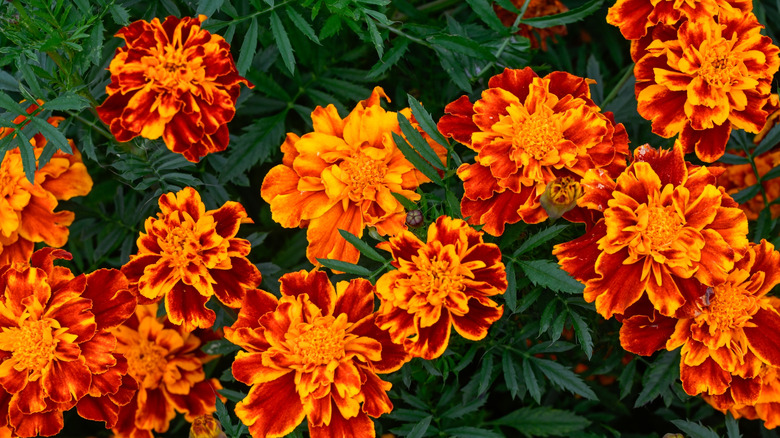
French marigolds (Tagetes patula) are amazing companions for so many plants, and papayas are no exception. When planted densely as a cover crop, marigolds have been shown to reduce harmful nematodes in the soil, which is great news since these pests can damage a variety of crops, including papayas. While only planting a few is unlikely to have the same benefit, they're still an easy way to add colorful cover, and they thrive in well-drained soil, just like papayas. Don't let your papaya shade them, though, as marigolds need full sun.
Peanuts can help provide nitrogen to your papaya's soil
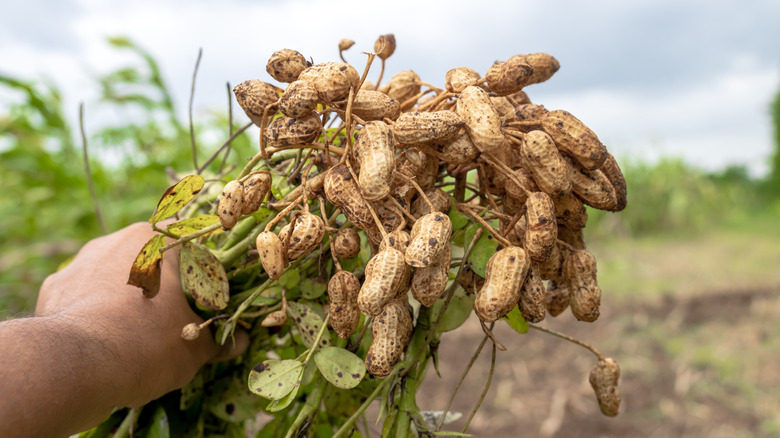
If you're looking to grow more edible plants near your papaya while also improving its soil, look no further than peanuts (Arachis hypogaea). They are nitrogen fixers when in the presence of the right bacteria. This means they are able to make usable nitrogen in their roots. This can be a huge help near papayas, since they are known to be heavy feeders. Peanuts grow as annuals and thrive in the Southeastern United States. They grow best in light, sandy soil, which papayas can also tolerate.
Lemongrass can help keep your papaya pest free
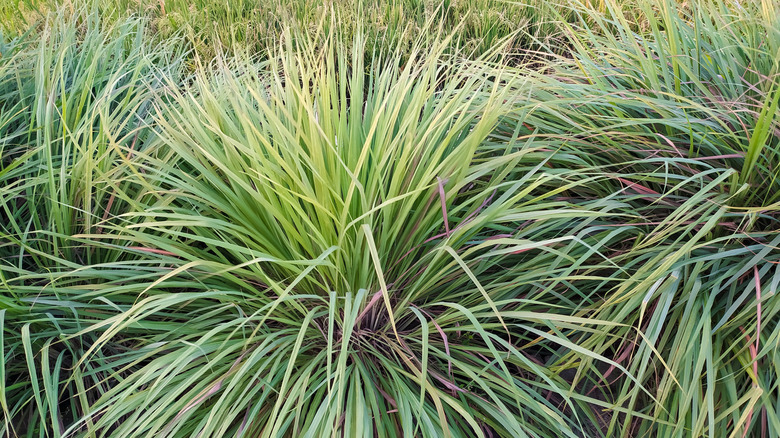
Lemongrass (Cymbopogon citratus) smells wonderful to people, but that may not be the way pests see it. The smell may help deter mosquitoes and aphids. Even deer tend to stay away from lemongrass. Growing it close to your papaya could potentially help keep all these pests away from your beloved fruits, too. Lemongrass thrives in full to partial sun and enjoys the same well-draining soil as papayas.
Hyacinth beans improve your papaya's soil while adding beauty
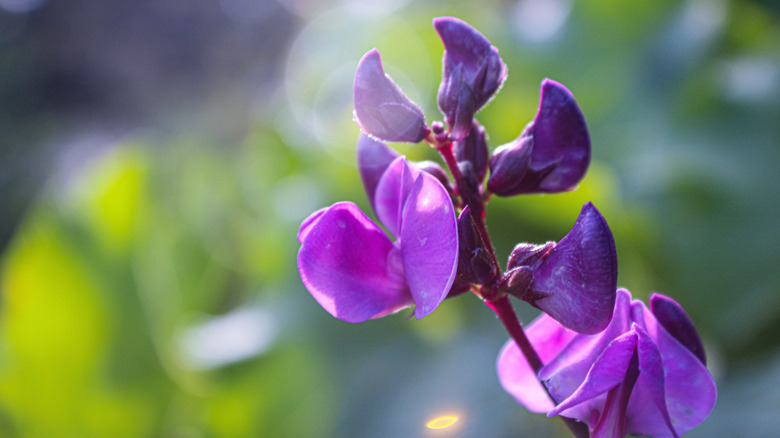
Hyacinth beans (Lablab purpureus) are another great nitrogen fixer to grow near your papaya to help improve the soil. They enjoy similar soil and light conditions to the tree and add gorgeous purple flowers to your landscape. Just be sure to provide them with something to climb on, like the gorgeous trellis Joanna Gaines had custom-built for her hyacinth bean vines. You can eat hyacinth beans, but they require careful preparation. While often grown as an annual in cooler zones, hyacinth beans are hardy in zones 10 and higher.
The smell of basil may help prevent pests from finding your papaya
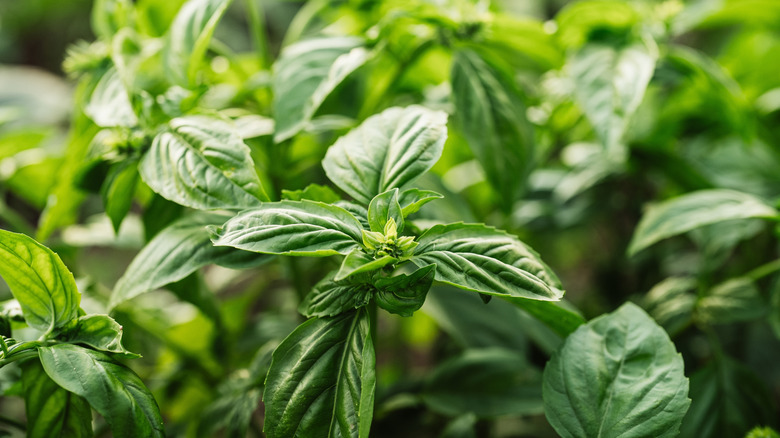
Basil (Ocimum basilicum) isn't just a great addition to salads and curries; it's also a beloved companion plant. While there is far more evidence for the popular kitchen herb's benefits for tomatoes, basil may also be a good companion for papayas, as its scent can help to deter insects from bothering your fruit plant. Grow your basil where it won't be shaded out by your papaya, since it needs full sun to thrive.
Grow cilantro near your papaya to help attract beneficial insects
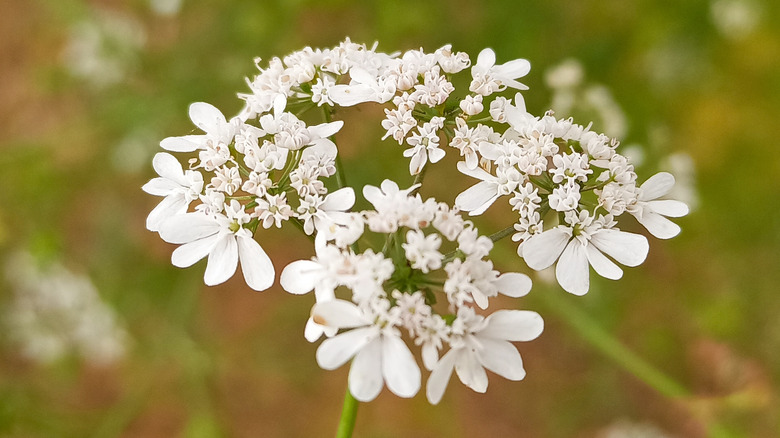
While you may have thought cilantro (Coriandrum sativum) wasn't worth growing if you live in a warm climate where it bolts quickly, nothing could be further from the truth. Letting your cilantro bolt means more flowers to bring pollinators and beneficial predatory insects over to your papaya. And the plants' seeds become coriander, which is perfect for adding spice to a variety of dishes. Plant your cilantro during the cooler season to make it last a bit longer.
Grow rosemary to encourage pollinators to visit your papaya
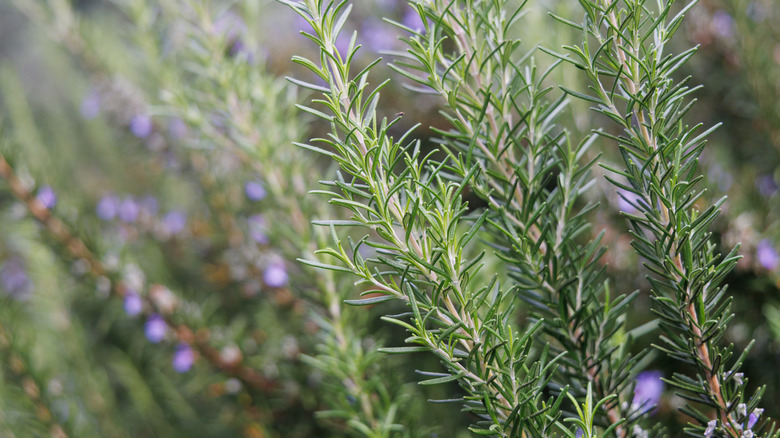
Since papayas are often cross-pollinated by insects, you'll want to encourage as many pollinators to visit as possible. And that's where rosemary (Salvia rosmarinus), which thrives in the same well-draining soil as papayas, comes in. Hardy in zones 8 through 10, rosemary isn't just a great culinary herb; it's also a pollinator magnet when it's in bloom. And since deer rarely bother it, you won't have to worry about it luring them into your garden.