

Should I Be Worried About Ants On My Favorite Tree?
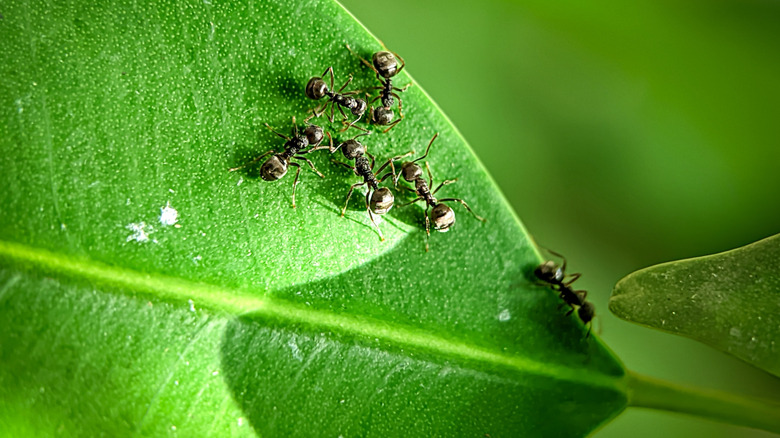
It's easy to get attached to trees. After all, you may have watched your favorite tree grow over the years, providing you with shade, enjoyment, and possibly even fruit. So when you notice pesky ants running up and down its trunk, it's understandable to be concerned. Whether or not that worry is justified and requires action depends on quite a few factors, though. Checking to see what kind of ants they are and exactly what they're doing on your tree should help you to decide whether they themselves are an issue, are indicative of a different and bigger problem, or are nothing to worry about at all.
There are many different ant species in the world, and even just in North America. Many of these ants fulfill different ecological niches and could be attracted to your tree for entirely different reasons. While some sugar-loving ants farm and protect aphids, which could be damaging young trees, others, like carpenter ants, eat the decaying wood from trees that are already dead or dying. And still others are considered beneficial since they eat pests like pear psylla, which could otherwise harm pear trees.
Why ants may be attracted to your healthy tree
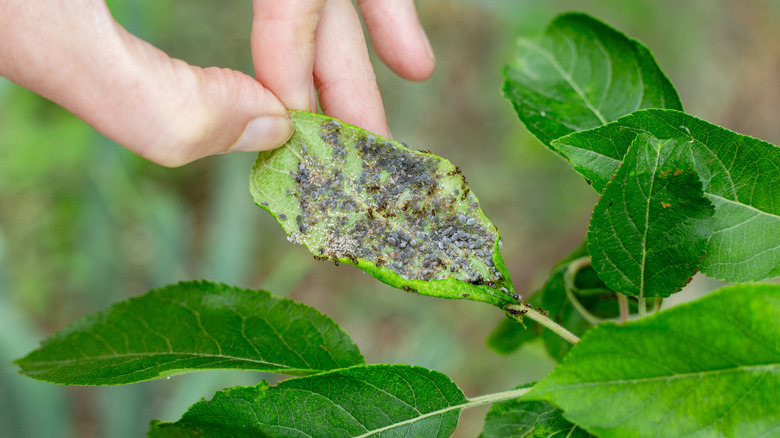
If you notice ants on your tree, one of the first things you should do is look for aphids. Since many ants have a symbiotic relationship with the pests, it's common to find them together. Some plants are especially prone to attracting aphids. The aphids suck sap from your tree's leaves and excrete a sugary substance, which the ants feed on. They can damage leaves and potentially even cause dieback. If they're being protected by ants, then natural predators like ladybugs and lacewings may be less able to feed on them. So while the ants themselves are not the problem, they could be making the situation worse.
How severe your ant and aphid infestation is and how much it is impacting your tree can help you decide how aggressive you need to be. If your tree is young and seems to be sustaining significant damage, then you may need to use an insecticidal soap to deal with them. Make sure to read and follow the instructions on the label carefully. If there are only a few bugs, then simply spraying them off with your garden hose could be enough.
If your beloved tree is a citrus, it's possible that fire ants are eating its buds and bark, especially if the tree is young. Be careful if you think you're dealing with fire ants, since their stings are painful. Luckily, there are also multiple ways to keep ants away from your citrus trees. One good option is to wrap the tree's trunk in a sticky material that will prevent the ants from reaching the leaves.
What it means if carpenter ants are all over your tree
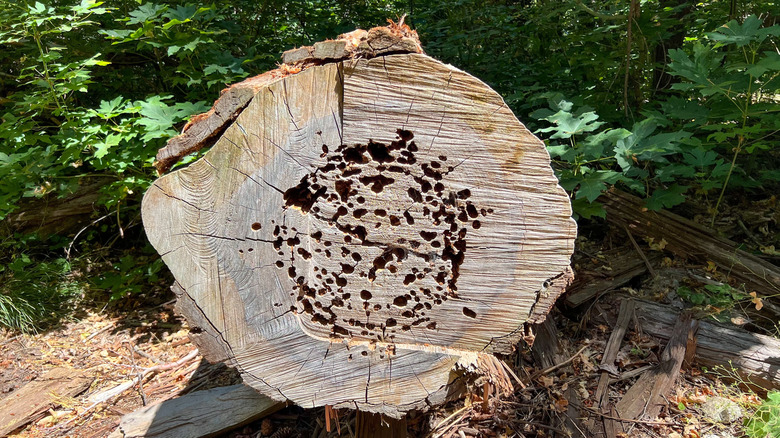
If you see a pile of what looks like sawdust by your tree and the ants appear to be carpenter ants, then this is a bad sign. It means you'll likely need to say goodbye to your beloved tree. While there are products that can kill carpenter ants in trees, this is unlikely to help you plant very much. It's not that the carpenter ants are killing your tree directly; instead, they nest in soft and decaying wood, meaning that your tree was already likely rotting on the inside once they start appearing. Hiring a professional arborist to inspect your tree and confirm it is dying may be your only option. They can also safely remove the tree for you if it is a danger to power lines or structures.
If the tree is close to your home, you should also check that carpenter ants aren't starting to invade your house. This is far more likely if your home is older and already has rotting, decaying wood and areas damaged by moisture. Be sure to contact a pest management company right away so they can help you decide the best way to deal with the ants and protect your home.