

4 Mobile Apps Every Gardener Should Use In 2026
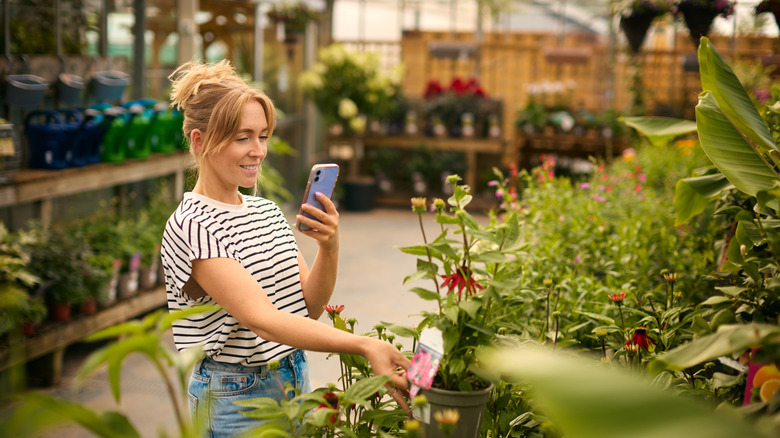
Remember that Apple slogan from the early 2000s, "There's an app for that"? These days, even in the great outdoors, it seems, there's an app for that. And why not? Chances are, even when you're up to your elbows in dirt, your phone is in the pocket of your gardening dungarees. There's a wide variety of mobile apps available, like Seed to Spoon, that provide planning tools and references on best planting practices, while diagnostic apps like Purdue Plant Doctor can help you keep your plants pest-free and healthy. Other apps — like iNaturalist — can help you identify whether or not an unfamiliar plant should be welcome in your garden (plus, it's a fun way to introduce children to basic plant identification).
That said, it's worth remembering that apps are just one tool in your gardening toolbox. Identification apps, in particular, should be used with the understanding that the IDs might sometimes be incorrect. So while you can use apps as quick references, it's best to use the answers you get from these apps as hints to help you confirm species identifications through further research, perhaps especially when you're trying to identify berry plants and other potential edibles. Additionally, when you're shopping for helpful gardening apps, keep in mind that while some, like Purdue's Plant Doctor apps, are the products of educational institutions, others are produced by companies that have a vested interest in selling you a specific product, like pesticides. This, of course, can influence the information they deliver.
Apps to help your garden thrive
Created by Dale and Carrie Spoonemore, urban farmers and self-taught coders, Seed to Spoon offers tools to help you take your first steps into growing your own food at home. You can find info about your potential garden selections in the app, including vegetable garden companion planting suggestions, organic pest control info, health information, and recipes. You can design your garden layout in the app and log details about your plants' progress. Additionally, the location-based planting dates it provides will help you plan when to do which garden tasks, and the AI chatbot can help you identify plant issues.
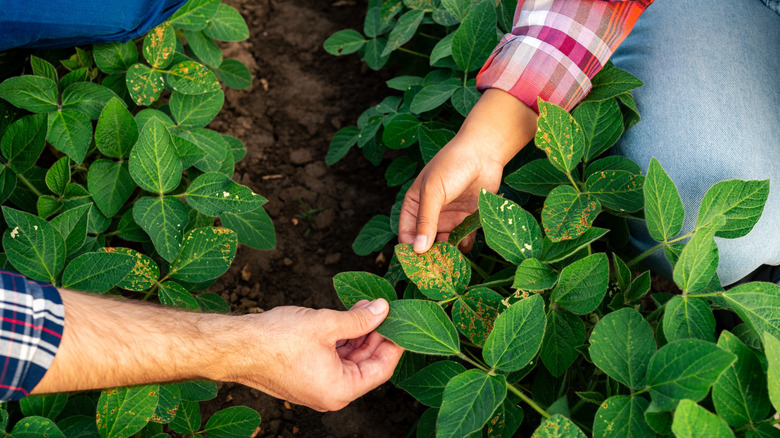
But what if your garden is experiencing issues? A sick or distressed plant can be frustrating if, like most people, you aren't a trained horticulturist. Luckily, a suite of four apps can help you identify the issue and manage or prevent it going forward. This app series is the result of the efforts of Purdue University's Department of Botany and Plant Pathology, Department of Entomology, and the Center for Environmental and Regulatory Information Systems (CERIS) BoilerApp team. The four apps include Purdue Tree Doctor, Purdue Perennial Doctor, Purdue Annual Doctor, and Purdue Tomato Doctor, and you can download them for both iOS and Android.
Apps to enhance your enjoyment of the outdoors
If, in your gardening adventures, you've ever wanted to quickly identify a plant or other living organism with nothing but your phone's camera, you may want to check out the popular citizen science app, iNaturalist. Once you've downloaded the app and created a free account, just tap the button that says "Observe" and either snap a photo of that unfamiliar weed or critter through the app or upload one you've already taken. Aided by machine learning, the app will then provide a quick ID of the organism. Even if a definitive answer isn't available, it will at least offer some clues about the genus or family.
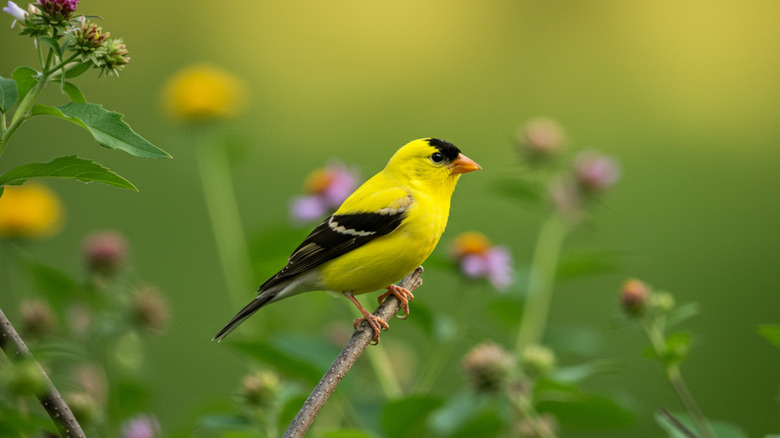
Learning to recognize your feathery neighbors by their calls and appearance can also make your time gardening and exploring the outdoors feel fuller, and the Merlin app can be a great help in that endeavor. A free app created by Cornell University's CornellLab of Ornithology, Merlin "listens" to the bird calls you hear around you and helps you identify the singer — sort of like Shazam for birds. It can also help ID a bird from a photo or a series of questions.