

Why Plant Nurseries Almost Never Sell Bean Plants
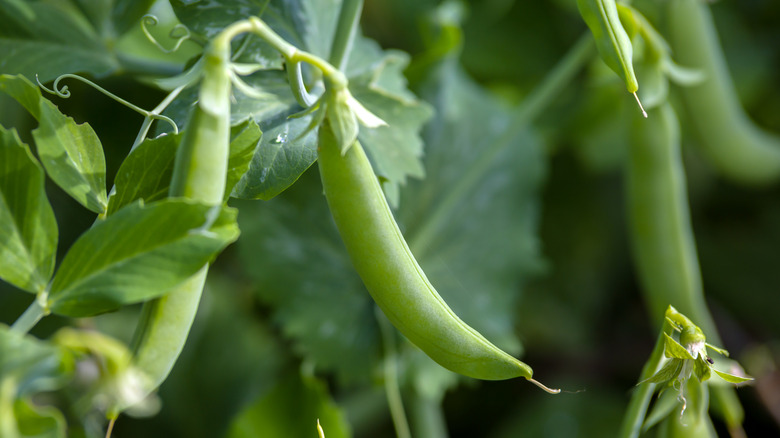
Beans are a garden staple, but you might be surprised by how few bean plants are available for sale at plant nurseries. Instead, you're likely to find mostly seeds. If you look hard enough, you may be able to find a few young plants in local nurseries and big box stores, but compared to the wide range of options for other plants like tomatoes, there likely won't be nearly as many bean plants. There's a good reason for this. Not only are beans easy to grow yourself from seed, but they're also quite difficult to transplant, making them impractical to buy or sell as starts.
Transplanting beans is infamously challenging because the plants are prone to transplant shock, which can kill or permanently weaken them. So, in addition to avoiding buying beans as young plants, starting beans indoors for yourself isn't a great option either. This is great news if you don't have an indoor seed starting setup. You can simply direct-sow your bean seeds and rest assured you've given them the best possible start. This way, you won't have to worry about disturbing your beans' delicate roots.
And don't worry too much about your beans not having enough time to grow if you start them from seed outside. Depending on the cultivar, beans often reach maturity and start producing within 50 days. If you get an especially late start or have very short summers, consider opting for bush beans over pole beans, since they are the bean plants that grow the fastest. Though even pole beans often only take around 75 days to mature.
How to grow beans from seed since they are rarely available as transplants
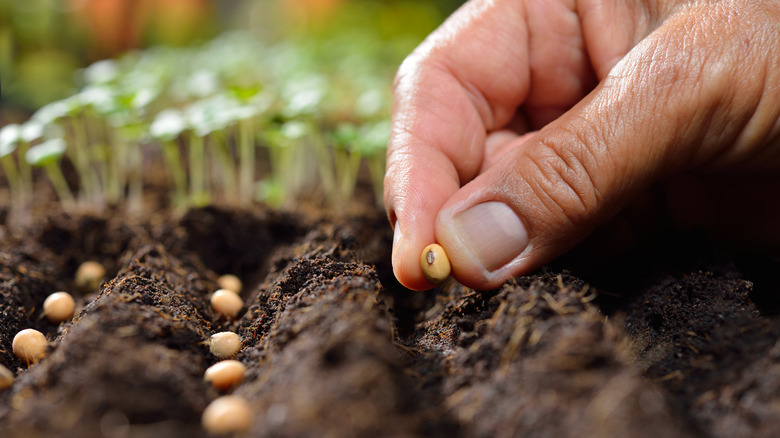
While you may want to get started with your beans at the same time you begin indoor seed starting, it's important to be patient. Beans, unlike their close relative, peas, aren't frost-tolerant, so be sure to wait until after your last frost and until temperatures are consistently in the 60s (Fahrenheit) before planting them. Find a good spot to grow them, since moving the plants later will be a challenge, given how poorly they transplant. A full-sun location where your plants can get at least six hours of light is important. Before planting, you can soak your seeds for up to 12 hours to help break down their outer coating and speed germination.
Growing your beans from seed rather than searching for hard-to-find transplants also offers you far more options. From short little bush beans, which will provide a bounty all at once, to pole beans, which can scale trellises and add beauty to your garden in addition to providing tasty meals all season long, there is a wide variety of both heirloom and hybrid choices for bean enthusiasts. You may even be able to grow them from kitchen leftovers. When harvesting, be sure to let some of your heirloom bean varieties dry on the vine so you can save them to plant next season. While buying seeds is far less expensive than buying a young bean plant that may not survive, seed saving is free!