

I've Been Urban Gardening For 6 Years. Here Are My Two Favorite Fruits To Grow In A Small Space
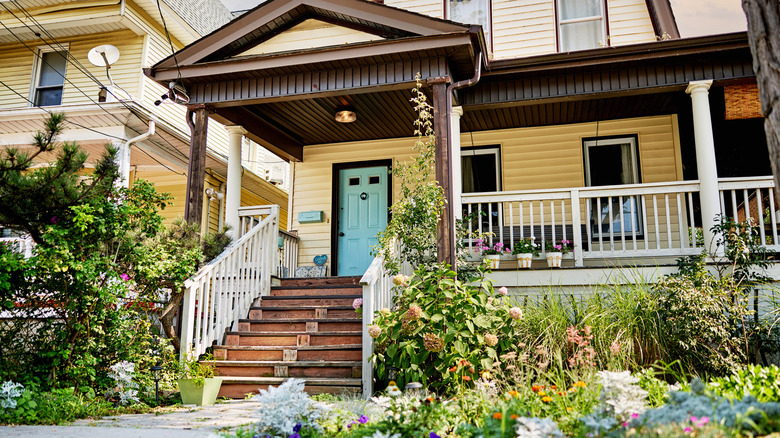
Six years ago, when I moved to my "new" 120-year-old home, I was simultaneously charmed by the neighborhood and the quaint Victorian house and concerned by the lack of a yard. Being able to live in the heart of a small walkable city would have been perfect for my children, but I was worried that I'd barely be able to grow anything on the small lot the home was on. I was also concerned about moving back to a cooler region after years of gardening in the warmth of states like Hawaii and California. It turned out that I had no reason to worry. Not only are there a wide range of crops that grow wonderfully in cooler climates, but if you plan your garden and yard carefully, you can grow a surprising amount of food in a small space.
While I'd expected that I could find spots to grow an annual vegetable garden in my urban yard, amazingly, I had room for far more than that. Not only do I now have multiple thriving fruit trees, but I also have a variety of berry bushes. While I'm reluctant to play favorites, I am especially partial to the plants that yield harvests I can't easily find in stores. This includes my two pawpaw (Asimina triloba) trees as well as my red currant (Ribes rubrum) bushes.
How I grow pawpaws in my small urban garden
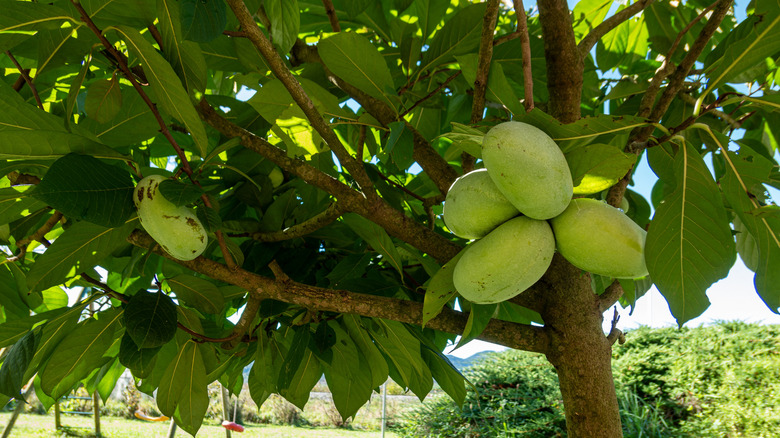
With a height and spread of only 15 to 30 feet, pawpaw trees are surprisingly manageable to grow in a small space. The one downside is that you need to grow two non-genetically identical trees in order for them to produce fruit. The first year I moved in, I purchased two trees, one 'Prolific Pawpaw' and one 'Alleghany' pawpaw. I wasn't sure how they'd do as I'd never grown pawpaws before, but when I saw that they are hardy in zones 5 through 8, I couldn't resist adding them to my zone 6 garden.
Both trees have thrived and grown, even in my clay-heavy soil. They aren't bothered by the partial shade they have to grow in, either, which makes sense – they're naturally understory trees. While it took a few years, I've not only gotten to enjoy their unique blooms but also their fruit.
The first year both my pawpaws flowered, I'd excitedly watched them, but assumed I could sit back and let nature do the rest. Pawpaws are usually pollinated by flies, but with only two trees and perfect timing required for pollination, I shouldn't have been surprised that no fruit developed. The next year, I took matters into my own hands by hand-pollinating the trees using a Q-tip. Like magic, one of the trees produced five perfect fruits that year. And they really were as sweet and custard-like as you may have heard.
Growing currants for beauty and food in my small yard
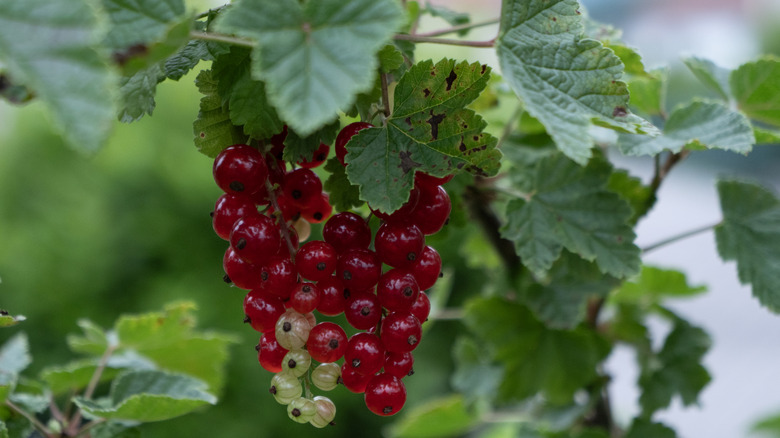
While I grow a few different berries in my yard, I'm especially fond of my red currants. Their small berries and tart flavor make them perfect for adding to everything from salads to scones. Even better, the compact bushes are easy to find space for, especially since they only get about 3 or 4 feet tall and wide. They also grow beautifully with little to no work on my part. While I watered them regularly the year I put them in, they're now established enough that I only water them during the hottest and driest parts of summer. And as they're cold-hardy down to zone 3, I have no worries about their ability to withstand my region's brutal winters.
Unlike the pawpaws, currants are self-fertile, meaning that even when I only had one plant, I was still able to harvest berries. I've since added two more plants because they're just so easy and fun to grow. Like the pawpaws, they don't seem bothered by the clay soil and part shade, though it likely makes them a bit less productive. While I only have red currants so far, I'm tempted to try to find space for white and pink varieties as well, as I've heard they're even more delicious. With fruit like red currants and pawpaws, it's definitely possible to have a sweet harvest in a small, urban space.