

9 Clever Ways To Reuse Old Potting Soil In Your Garden For Less Waste
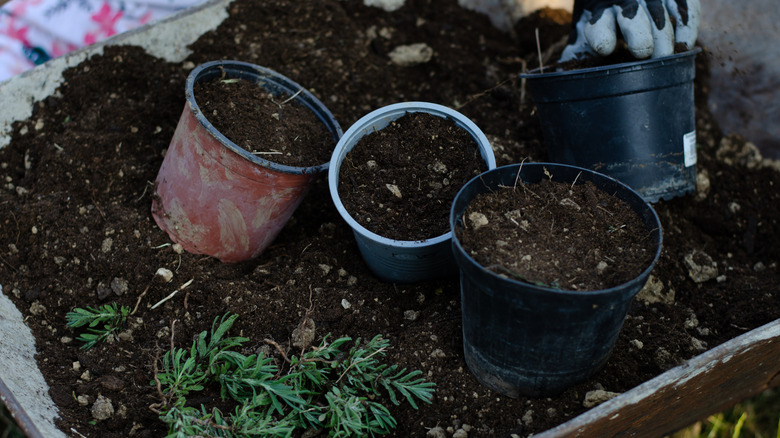
Whether left over from a repotting venture or collecting dust in a half-empty bag in the shed for longer than you'd care to admit, it can be hard to figure out what to do with old or used potting soil. Even if you're pretty sure it has had all the life leached out of it by a few generations of house or patio plants, it still seems like a waste to just throw it in the garbage. Reusing potting soil can be a smart, thrifty choice, but it isn't without its potential drawbacks.
For one thing, old, used soil probably not as nourishing to plants as it once was. Also, if the soil contained plants that died of disease, fungus, or other communicable pathogens, those things may still be present after the plants themselves have been removed. Luckily, there are ways to mitigate these issues so old potting soil can experience a second life as useful compost or even a beautiful native meadow. Here are some ways to reuse potting soil.
Sterilize it
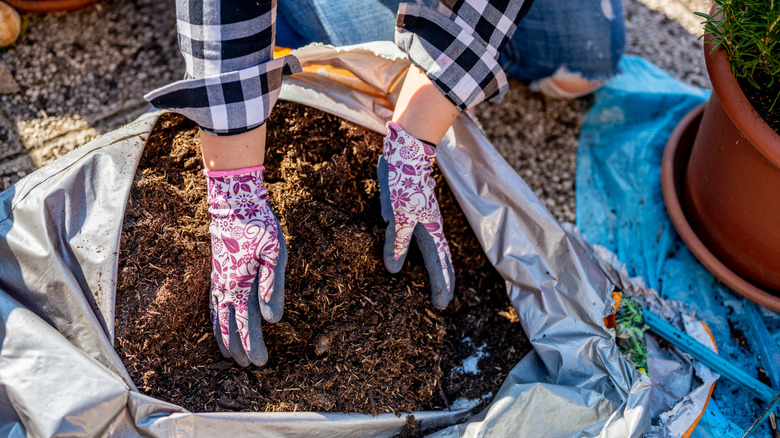
To prevent passing diseases and other issues on to new plants, it's a good practice to sterilize any previously used potting soil. There are a few different methods, one of which is to solarize it. Essentially, this entails putting the soil in lidded buckets or sealed bags and leaving them out in the sun for four to six weeks to let the heat cook out any pests or diseases. If you don't mind your house smelling a bit, well, outdoorsy for a little while, you can also sterilize soil by baking it on an oven-safe pan for 30 minutes at 175 to 200 degrees.
Compost it
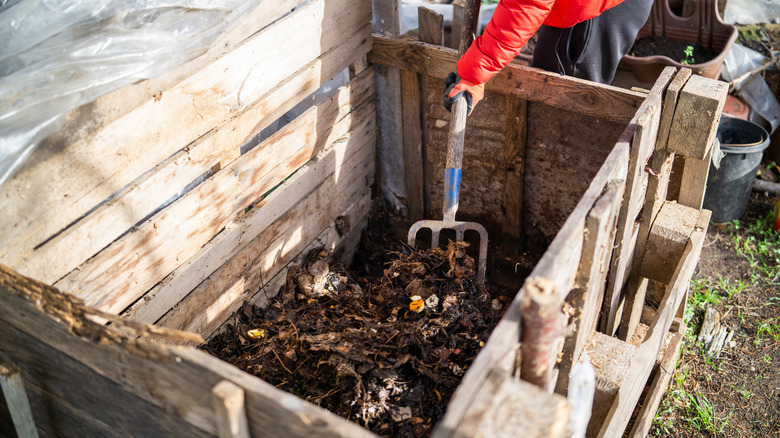
Old potting soil can be a fantastic addition to your compost bin, especially if it has been used for houseplants in the past. The mineral salts that gradually accumulate in houseplant potting soil can give composting microbes a boost, a bit like a nice cup of coffee to energize them and encouraged them to work a little faster! It is still probably a good idea to sterilize the old potting soil before adding it to your compost so you don't risk passing on pathogens later. The composted soil can later be used to house new plants or enrich your garden beds.
Amend it to replenish nutrients
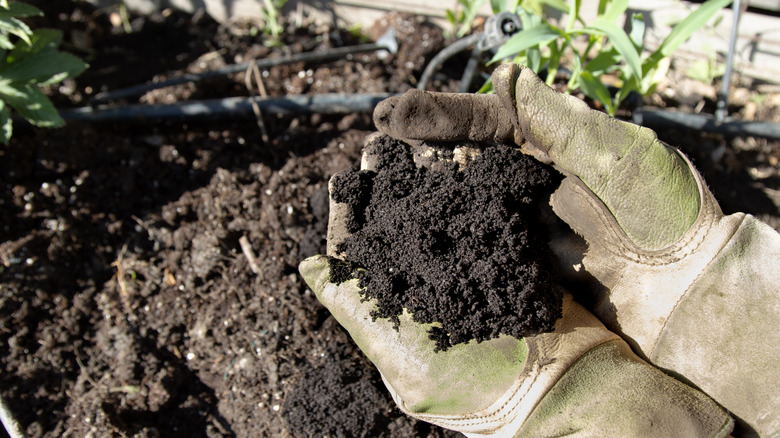
Plants tend to gobble up any nutrients present in the soil they're potted in, so if you plan to reuse that soil later, you'll need to restore those lost nutrients. How much amending you'll do depends on the nutritional needs of whatever you're planning to grow in it next. There are many things you can add to spent soil to replenish it, with commonly available beneficial additives including worm castings (highly nutritious worm poop!), composted manure, wood ash, and peat moss. You can also add a bit of slow-release fertilizer for an extra boost.
Amend it to improve structure
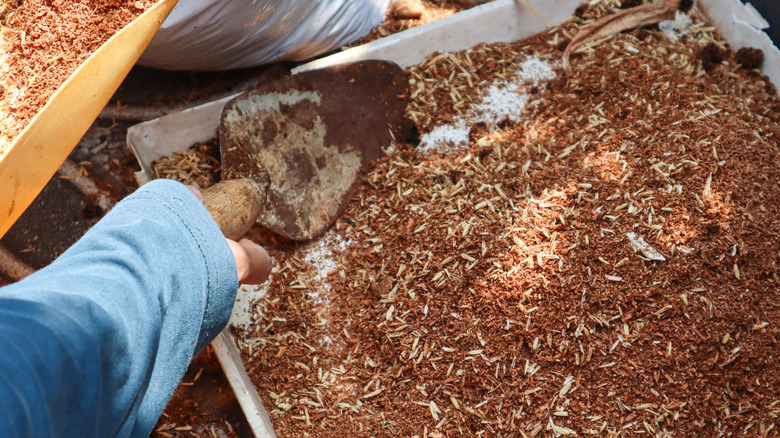
In addition to depleted nutrients, used potting soil will often be more compacted than new soil, which impacts aeration and water capacity. To fix this, you can add a bit of moisture-retentive sphagnum peat moss (though not too much!). Sand is another good option that should also be used sparingly, or you risk making heavy, difficult to carry plant containers. Other good options include vermiculite and perlite. The addition of a bit of compost might also help to reduce any compaction, as can one part of fresh, new potting soil to three parts older soil.
Fill holes in your lawn
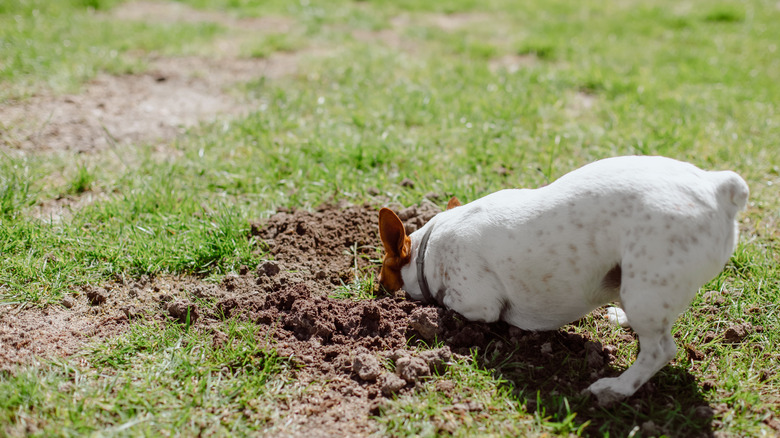
If backyard soccer practice or doggy "construction" projects have left annoying potholes in your lawn, old potting soil can make an excellent filler to help you avoid rolling an ankle or worse. To create media that will invite new grass to take root, try blending your old soil with either sand or compost (or a mix of both) in equal parts. It's best to tackle this task during grass's growing season. You should only reuse soil to patch your lawn if it never contained plants that showed symptoms of diseases or other issues.
Plant a wildflower garden
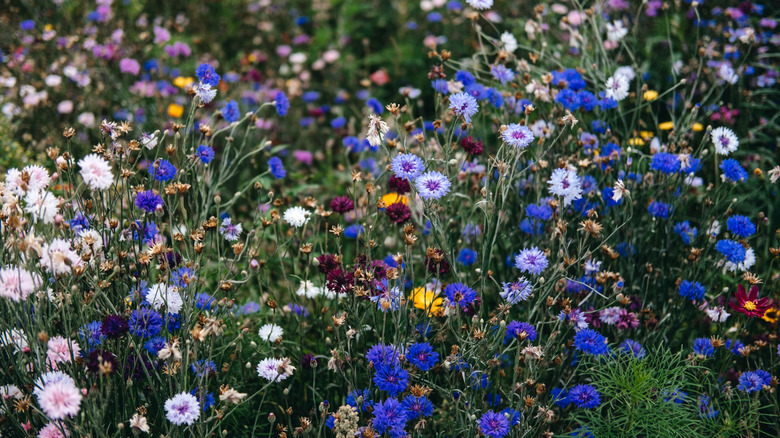
Although it's probable that old soil has been depleted of many nutrients, this doesn't mean that it can't be put to work in a flower garden. Wildflowers are often more than happy to grow in poor soil. In fact, they're less likely to deal with competition from other plants in soil that contains few nutrients. Creating your own wildflower meadow can provide crucial resources and homes for native pollinators such as bees and butterflies, as well as small animals and birds.
Topdress crops
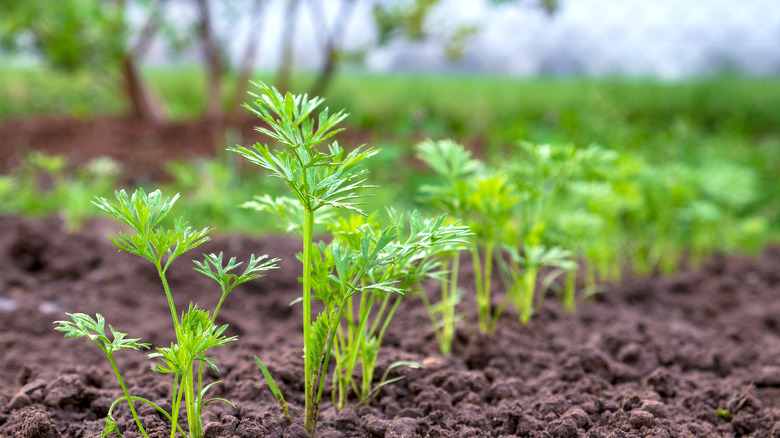
Despite being stripped of nutrients, your old soil still contains traces of perlite, humus, and other materials that can hold moisture. This, combined with the fact that it's less likely to be adulterated with weed seeds, makes old potting soil good for topdressing crop seeds, especially those that germinate slowly. With any luck, a covering of reused potting soil can help carrots and other crop seeds to sprout while keeping weeds at a minimum and can also help to improve the tilth of the soil beneath. Use a thin layer of old soil atop your garden bed, followed by mulch.
Make a lasagna garden
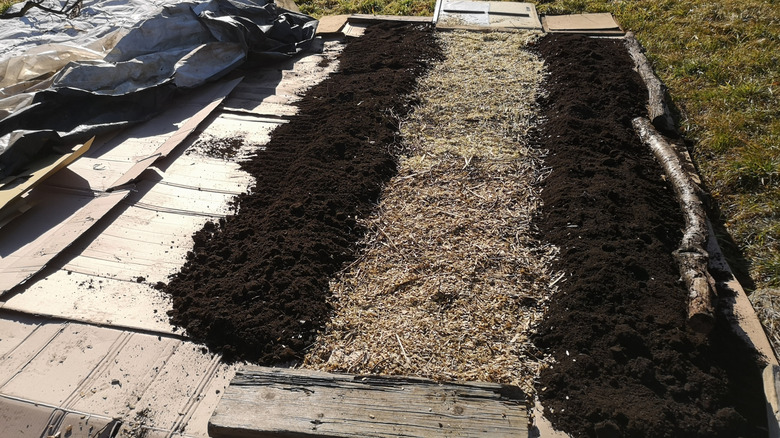
No, not a garden in which you grow the ingredients for lasagna. Also called sheet composting, a lasagna garden is a method of forming a new garden bed out of layers of organic material without having to dig or till. In the fall, spread a layer of cardboard or newspaper where you'd like the garden to be. Don't worry about pulling weeds or grass because the base will smother them. Over that, add alternating layers of your old potting soil, kitchen scraps, aged manure, or other organic materials. Plant your new bed in spring.
Use it as filler in large planters
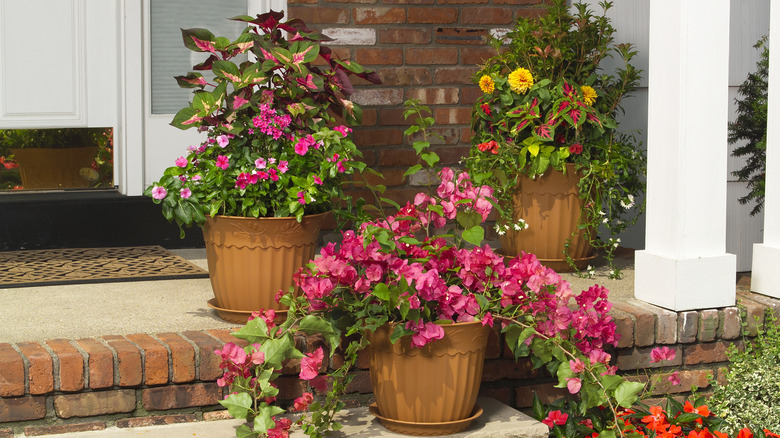
If you've ever tried to dupe one of those huge, spectacular flower planters you've seen gracing front porches in your favorite shelter magazines, you've probably found yourself balking at the amount of potting medium needed to fill the entire container. If the plants you want to display have shallow root systems that will only occupy a fraction of the container, filling the whole thing with your nice fresh potting soil isn't really necessary. Try layering the old soil with twigs and other filler along with your fresh potting soil and compost to make weight.