

Exactly When To Reseed Your Lawn For The Grass Of Your Dreams

A lush and healthy lawn is the goal for many homeowners. Not only does having soft grass for kids and dogs to play in make outdoor picnics and get-togethers so much more fun, but it can even increase a home's value. So, whether you're looking for a project to boost curb appeal with a great return on investment, or just want a better lawn to enjoy with family, reseeding and improving turf grass is understandably a priority for many. It's just a matter of finding the best time of year to do it. Spring and early fall are often considered the best times for lawn reseeding, though which one is best for your lawn depends on the type of grass you are growing.
For lawns primarily made of cool-season grasses like tall fescue and bluegrass, early fall or late summer tends to be ideal for reseeding. On the other hand, warm-season grasses like Bermuda grass and zoysia grass thrive when planted in mid-spring through mid-summer. If you're unsure what type of grass your lawn is made of, you may be able to tell by whether your grass turns brown during hot summer months (suggesting a cool-season grass) or turns brown during fall and spring months (suggesting a warm-season grass). Generally speaking, cool-season grasses are more common in Northern parts of the United States and along the coasts, while warm-season grasses are more common in Southern states with higher USDA Hardiness Zones are where these grass types grow best. Many of the top grass seed companies offer a variety of both warm and cool-season grasses, though.
Signs the weather is right for reseeding your lawn
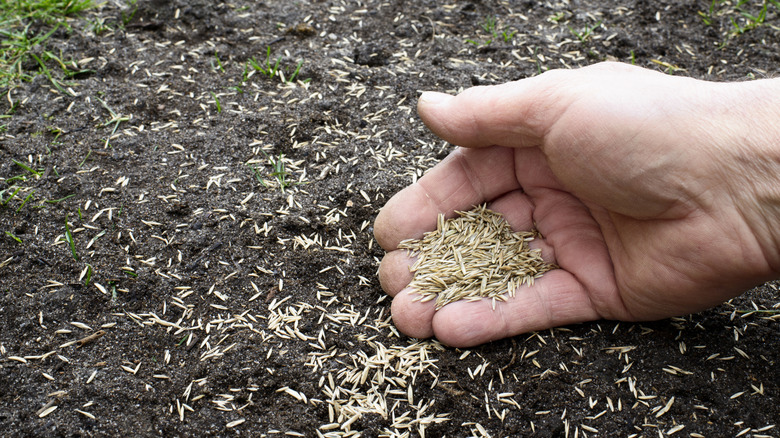
If your goal in reseeding your warm-season lawn is just to fill in any spots that may have suffered from winter kill, you'll want to wait until your grass breaks dormancy. When the grass begins to turn green, you can properly assess what, if any, damage occurred. This usually happens around late March or April depending on your location, and requires several weeks of soil temperatures in the mid-50s Fahrenheit or higher. If you already know your lawn is bare or thin and would benefit from reseeding, you can sow your warm-season grass seeds earlier than this if you prefer, but they will likely stay dormant until temperatures warm.
Cool-season grasses also benefit from relatively warm soil, and enjoy the cool nighttime temperatures that late summer or early fall can bring. In many regions, September is considered the ideal month for planting these grasses. If you don't have time to reseed your lawn by early October, you may be better off waiting a bit longer and using the trick of winter planting your grass seeds. This dormant seeding method often works quite well for cool-season grasses.