

Exactly When To Start Planting For Spring 2026, According To The Old Farmer's Almanac
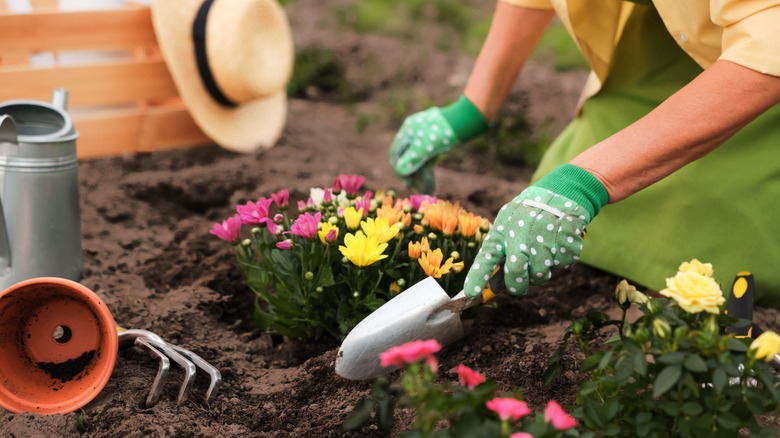
After a long, cold winter, there are few things more exciting than starting your spring garden. It's important to time this carefully, though. Starting too soon can result in plants that are killed off by hard frost. Waiting too long can mean you miss the ideal time to plant cool-season flowers and vegetables, and instead need to jump right into planting annuals that do well in the heat of summer. Luckily, The Old Farmer's Almanac, a source gardeners have long relied on, has plenty of information to help with timing your spring planting.
Not only does The Old Farmer's Almanac provide you with a planting calendar specifically tailored for your zip code, but they also have a long-range weather forecast for spring 2026. Their zip code-based planting calendar even includes details for both indoor seed starting and direct sowing for a wide variety of different crops. While their long-range forecasts aren't always perfectly spot on, The Old Farmer's Almanac boasts an accuracy rate of about 80%. Combining their resources with shorter-range local forecasts can help you decide when it's best to start your own spring planting.
When the Old Farmer's Almanac suggests planting spring crops
The Old Farmer's Almanac's spring weather forecast suggests a warmer-than-average spring throughout much of the United States. The main exceptions to this are in the northern parts of the Pacific Northwest and the Intermountain region near Spokane, Washington, which they predict will be on the cooler side. Gardeners in regions that are predicted to have warmer than average springs may want to start their gardens a week or two earlier than usual, while gardeners in regions predicted to have colder than normal springs may want to wait an extra week or two.
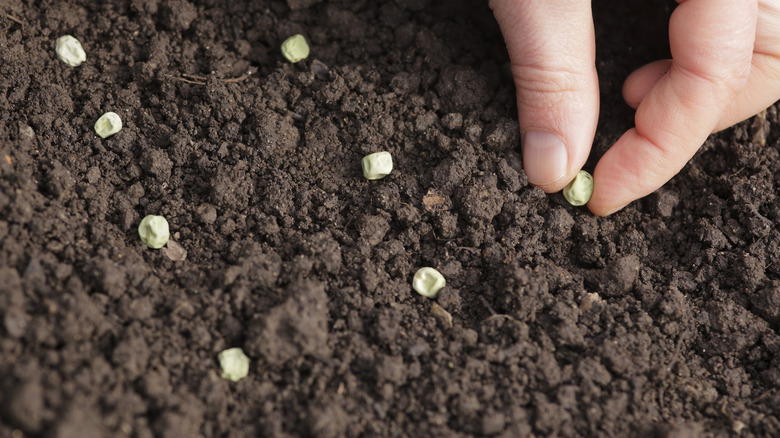
While some crops shouldn't be planted out until you are reasonably sure your last frost date has passed, there are many others, like beets, kale, and peas, that you can begin planting as soon as your soil is defrosted and workable. These cool-season vegetables can even be grown in winter in many southern states. If you're starting seeds indoors to plant out after your last frost date, The Old Farmer's Almanac is a classic resource for that as well. Their zip code-specific planting calendar provides suggestions on when to start crops based on either your last frost date or, if you prefer, the phase of the moon cycle.
If you suspect spring may be especially warm in your region, you could always opt to start these plants a week or two ahead of schedule. Just be prepared to delay hardening off and transplanting out non-frost-tolerant plants if the weather turns colder than anticipated. The Old Farmer's Almanac's 2026 last frost date calendar suggests that most of the United States should have normal to early last frost dates, but it's not a guarantee.