

You Actually Should Let Cilantro Bolt - Here's Why
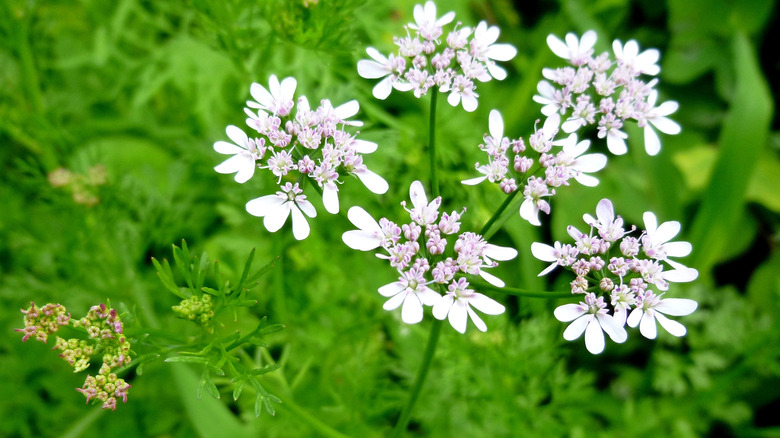
Cilantro is a well-known and loved cool-season crop. Its distinctive taste is perfect for adding to everything from salsas to spring rolls, but the plant's tendency to bolt and go to seed when temperatures are warm can sometimes make it tricky to keep in your herb gardens for very long. While you can try to pinch off the flower buds, this is often a losing battle during warm summer months. This is often seen as a problem with growing cilantro, but you don't have to view it that way.
Instead of fighting the bolting, consider viewing it as a bonus. It just means you'll get another delicious culinary ingredient: Coriander! That's right, coriander and cilantro both come from the same plant, with cilantro coming from the leaves and coriander the seeds. So rather than trying to stop your cilantro plant (Coriandrum sativum) from bolting, instead enjoy the beautiful flowers and tasty coriander this can bring.
Native to Asia and Europe, cilantro has become a popular annual throughout a variety of regions. And thanks to its quick growth, you can easily enjoy all stages of your cilantro plant in one season. Not only will there be tasty cilantro and coriander for you to enjoy, but the plant's delicate flowers are also a hit with beneficial insects, providing just one more reason to let your cilantro bolt.
How to ensure your cilantro plant thrives in all stages of growth
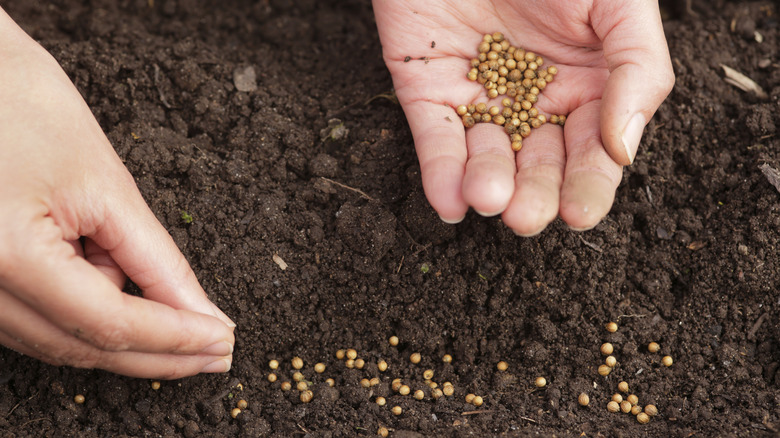
To be able to enjoy your cilantro plants for a while before they begin bolting, it's important to start them while temperatures are still cool. Since cilantro isn't frost-tolerant and doesn't transplant well, it's best to plant it outdoors via direct sowing after your last frost. Make sure you grow it in a spot with well-draining soil and plenty of sun.
Once temperatures climb above 85 degrees Fahrenheit, you'll likely begin to see signs that your cilantro is starting to flower. Even slower bolting varieties like 'Santo' aren't immune to this. It's no cause for despair, though, so just enjoy the next phase of the plants' lives, and watch as the flowers attract beneficial parasitic wasps and syrphid flies to your garden to help with pest control. You can also keep pinching off the buds on a few plants to try to delay their bolting.
It won't be long before your cilantro's flowers give way to seeds. You'll know they're ready when the plant dries up, and the seeds turn brown. This often happens only around 100 days after planting, and 2 or 3 weeks after flowering. You can then collect your delicious coriander for cooking after removing it from the pod. Or, if you're growing an heirloom or open-pollinated variety, plant the seeds to enjoy another crop of cilantro leaves during the cooler autumn season. You can even save the seeds to plant the next spring. While you can also try this with hybrid cultivars, the seeds may not grow the same type of cilantro.