

The Shrub Gardeners Are Warning Homeowners To Remove - And Why
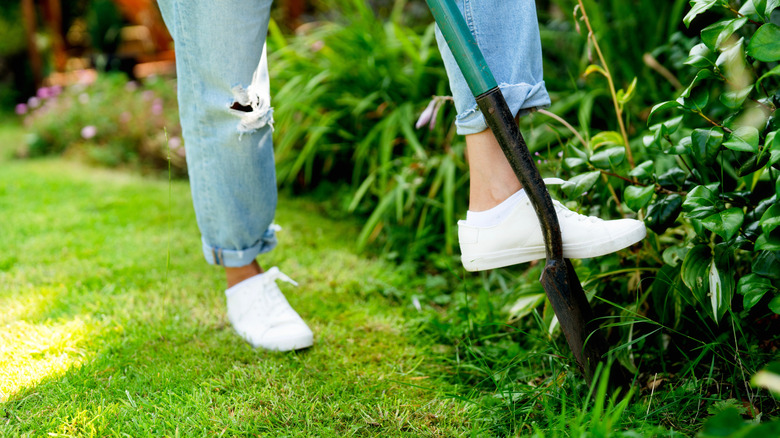
Sometimes, invasive, problematic plants can pop up in our yard and we don't even know it. Common buckthorn (Rhamnus cathartica) and glossy buckthorn (Rhamnus frangula) are aggressive, non-native plants that can take over your garden. Worse, they also become a magnet for ticks. If you've got either variety of these shrubs, it's best to remove them.
Buckthorn, native to Europe and West Asia, can spread and displace local greenery wherever it's planted, since its dense foliage crowds out all its rivals. Ticks also gravitate to the thick cover, the perfect place to hide and wait for their next meal, which might just be you. Just like staghorn sumac, the sweet flowering shrub that could be attracting ticks to your yard, buckthorn is a Lyme-disease carrying pest haven. And ticks aren't the only pests it invites in, either. Soybean aphids also love it. Gardener @froggymad warns against the plant on TikTok, stating, "It kills native plants, which also hurts pollinators and the rest of the food web."
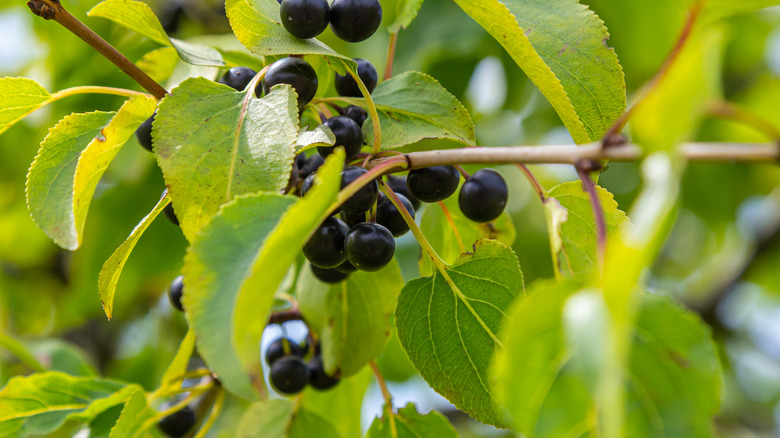
The first step to getting rid of buckthorn is to identify it. Leaves are round or oval, and about an inch to an inch and a half long. Despite their name, these plants don't actually have true thorns, but they have growths that mimic spines. A sharp point appears where leaf stems diverge. This plant grows red or orangish-colored berries that eventually turn black. While they start as a small shrub, a mature plant can actually reach 25 feet in height. If you're still not sure, give the stem a scratch. If you see a bright yellow beneath, then it's buckthorn.
How to remove buckthorn from your yard
While buckthorn might seem like a pretty addition to your yard, it can cause a lot of trouble. As medical entomologist Allie Gardner told Vermont Public, scientists are working on ways to manage tick infestations from invasive plants like common buckthorn: "We know that there's an intense dislike of invasive plants, and, similarly, of ticks. We're looking for win-wins." So, you're probably better off simply removing it entirely. For young, immature sprouts, just pull these little by hand, or even try mowing them down. If you live in a rural area, consider getting some goats. They actually do a great job of keeping buckthorn under control since these animals find it delicious.
For a fully mature, large tree, chop it down. If you happen to have more than one in your yard, take out the female version first. This is the type that will produce berries at certain times of year. The berries enable the buckthorn to spread seeds through squirrels or birds. You may also want to destroy the tree stump, to prevent new sprouts from growing.
To do so, use a herbicide with triclopyr or glyphosate as active ingredients for best results. Even after you remove the stump, keep an eye out for new sprouts. Seeds in the soil can survive for several years after the parent plant is removed, so you might have to be vigilant to ensure it doesn't return. You might want to combine some type of herbicide and hand-pulling to fight off any new sprouts that grow. Remember, buckthorn can thrive almost anywhere, which can make it a difficult plant to keep away.