

11 Types Of Common Fruit Tree Insects, And The Best Way To Keep Them At Bay
If you've taken the time and effort to grow a fruit tree in the backyard, you probably assume you'll be the one to enjoy the (literal) fruits of your labor. What can be more disappointing than to discover some garden bugs have beaten you to the punch and chowed down on emerging fruit before you even get the chance to take the first bite? Well, we've identified the top common fruit tree insects, as well as strategies to keep them off your trees.
Whether it's apple aphids, codling moth caterpillars, or any number of common garden pests, bugs can hurt or even eventually kill your fruit trees. Knowing what kind of pests are at the root of your problem is the first step towards getting rid of them. Doing research is important because some insects may be more common for a particular fruit tree or region than others.
It's a good idea to inspect your fruit trees regularly for any signs of infestation or damage so you can try to get a handle on it before it gets too out of hand. Some gardeners might be hesitant to use pesticides on fruit they plan to eat. Fear not: There are other ways to manage pesky bugs.
An apple aphid infestation will keep the apples away
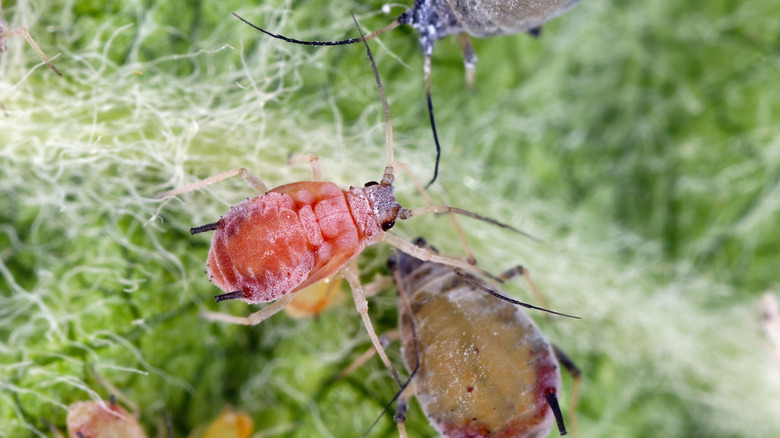
Three different kinds of aphids attack apple trees: green, rosy, and woolly aphids. While the first two don't generally cause serious damage and stick mostly to stems and leaves, woolly aphids can feed even on tree roots, which can end up causing serious harm. You'll recognize apple aphids by looking under leaves for the small bugs or eggs. If you've got a serious problem, you might end up with misshapen apples. Insecticide kills both the bugs and the eggs, or you can opt to encourage more ladybugs, their natural enemies.
Codling moths won't coddle pear trees
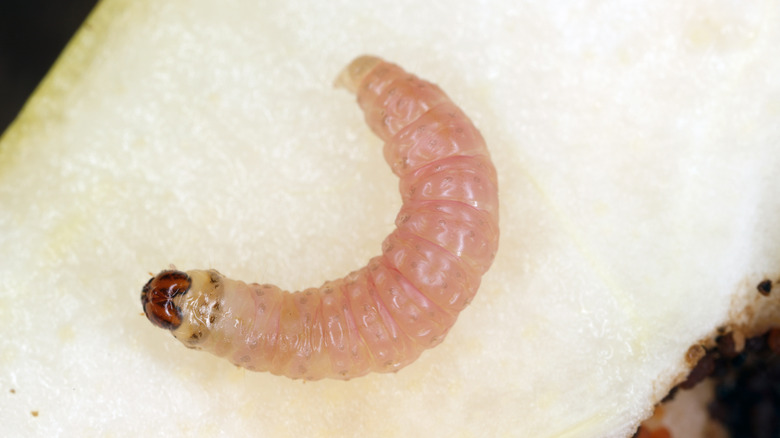
If you find a hole in your pear or apple, the codling moth caterpillar might be to blame. After hatching from eggs beneath fruit skin, they'll eat their way through pears or apples, burrowing through them until they've had their fill. These small, pinkish caterpillars typically grow to be about half an inch long. If you want to know how to control codling moth caterpillars, start by reducing the adult population with the use of sticky traps you can hang in a tree.
Cherry flies aren't that sweet
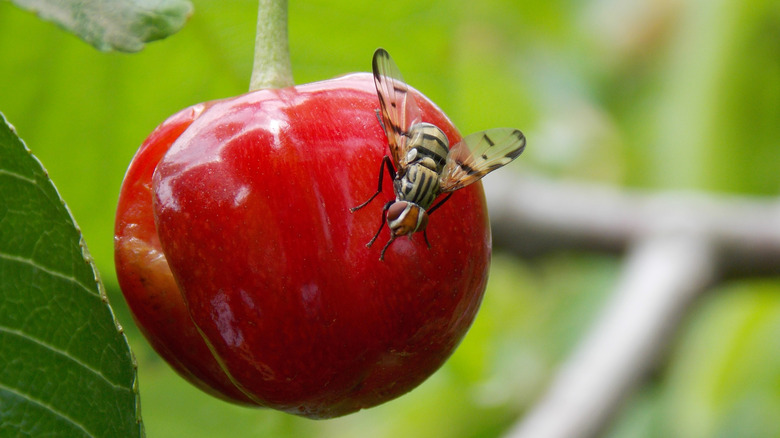
The problem with cherry fruit flies really comes down to their offspring. Eggs are laid inside cherries, and the maggots will eat their way out. Gross? You bet. And damaging to fruit on your tree. The best defense is a good offense, and that means getting rid of egg-laying adults. Try setting out yellow fly traps with the added incentive of ammonium carbonate bait right before the flies typically arrive in the garden in May or June. You can also spray your cherry tree with insecticide.
Peach tree borers are anything but peachy
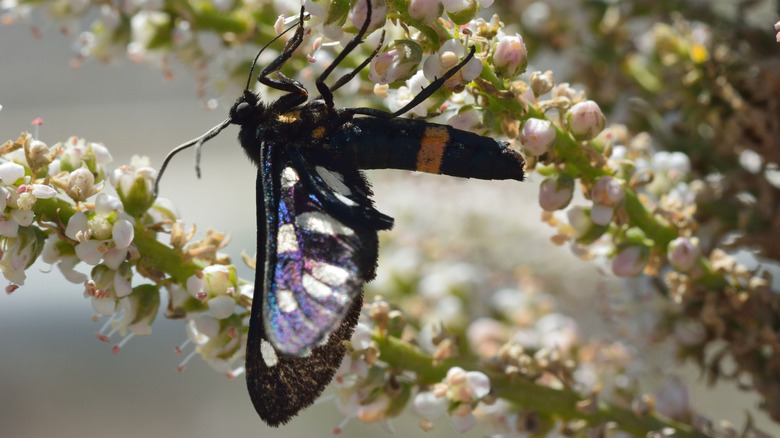
One of the worst pests for peach trees is the aptly named peach tree borer. The black, clear-winged adult moths are less interested in fruit and more interested in the trunk or branches. They zero in on wounds where sap might be oozing. They'll lay eggs in the slits, and the gray larvae that hatch will feast on the bark. These young bugs will keep on eating until they transform into moths, typically in late July. The key to fighting them is to pick larvae out of the bark.
Spongy moths can make crabapple trees cranky
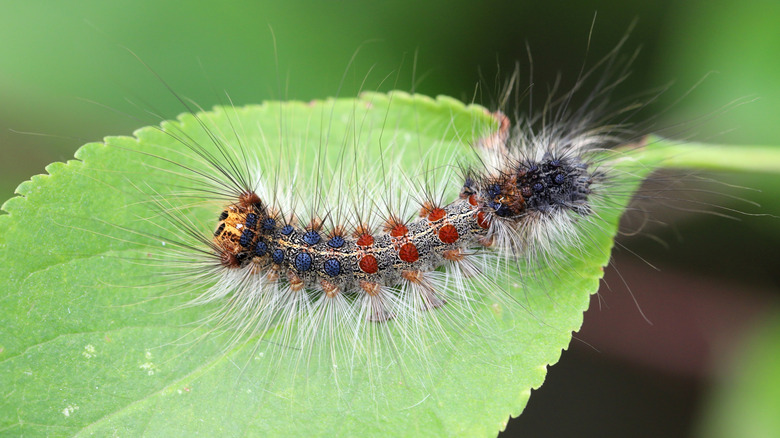
Crabapple and other kinds of trees can easily fall prey to the spongy moth caterpillar. These hungry, hungry caterpillars can devour leaves and stress out trees. Adult moths lay up to 1,000 eggs at once, which means a whole bunch of the telltale spotted and hairy specimens. If a little one doesn't like the leaves they hatch on, they can spin little silken parachutes to take them to a different spot. Finding clutches of eggs beneath leaves and smushing them might be the best way to prevent an infestation.
Mealy bugs make a meal out of fruit trees
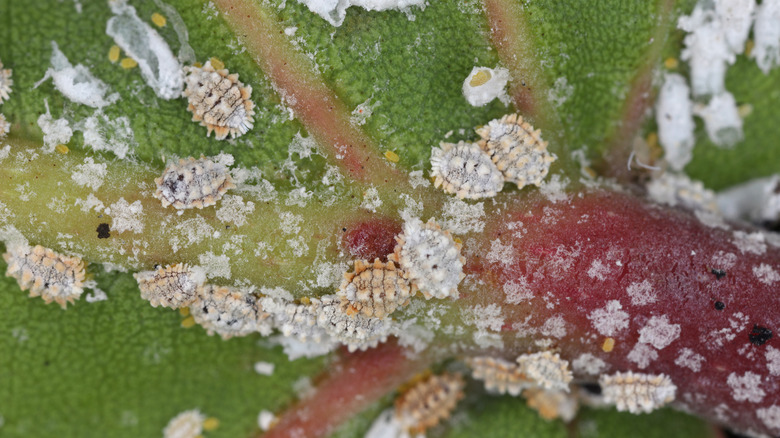
Mealy bugs, a fierce pest of houseplants, can also bother fruit trees and other shrubs outdoors where winters don't get too cold. These bothersome adults pierce leaves and suck out the sap, wilting plants. They're known by their white, waxy covering and by the sticky honeydew trail they leave on foliage. They create colonies where branches split or fruit groups together. Insecticides don't work well on these bugs, but encouraging wasps and other natural predators may help.
Plums have little defense against the plum curculio beetle
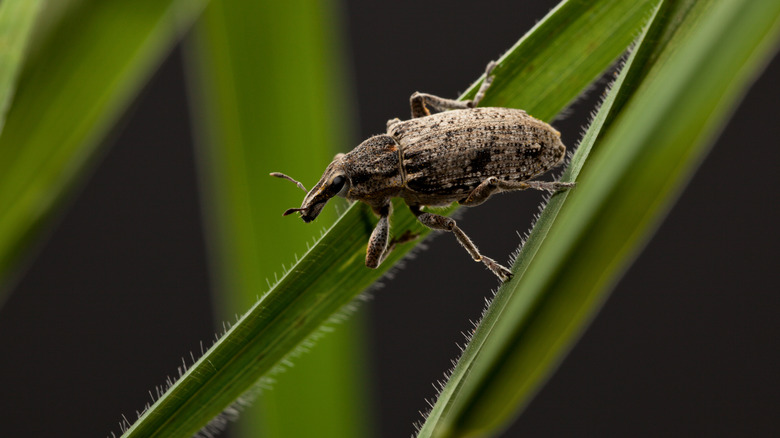
Don't let its name fool you. The plum curculio beetle doesn't just eat plums. It'll devour all kinds of stone fruit. This brown and black weevil (that's just a fancy way of saying this beetle has a long nose) likes to spend cold winters buried under leaves, and then saunter into orchards when temperatures hit 70 degrees Fahrenheit. Adults will chew into plums and then lay eggs inside, so that when larvae hatch they have plenty of sweet fruit to eat. To kill these bugs, try baited pyramid traps.
Stink bugs cause damage
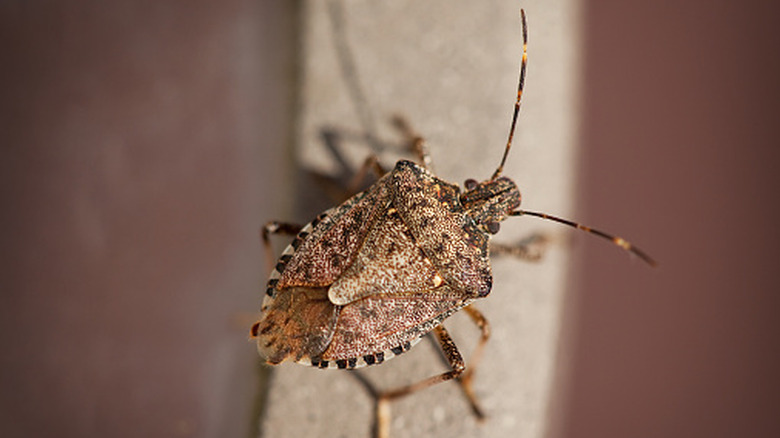
Stink bugs may seem like harmless pests (unless you squash them and reveal their unpleasant namesake) but if left to their own devices, they will damage fruit trees such as apple, pear, peach, fig, mulberry, and even many kinds of citrus. The brown marmorated stink bug is a particularly bothersome variety. It was accidentally imported from Asia in the 1990s. They reach lengths of just more than half an inch. To get rid of them, you can pick them off plants by hand or you can apply insecticide.
Tiny spider mites can cause problems for produce
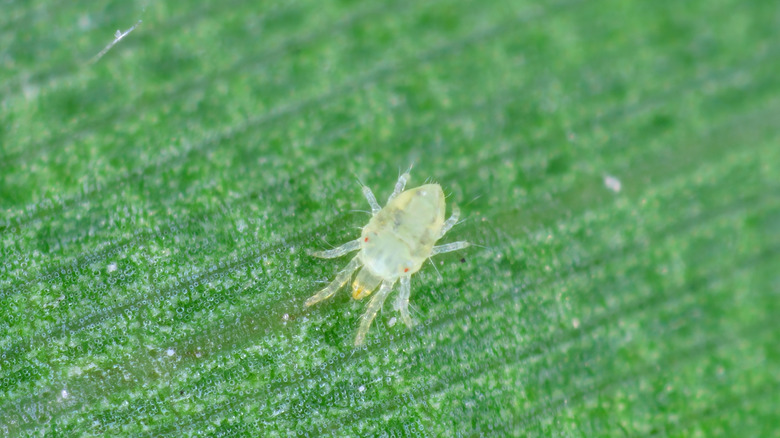
The tiny spider mite is so small it can look like a tiny dancing polka dot if you don't have a magnifying glass. But these small, eight-legged critters can harm many kinds of fruit trees, as well as vegetables, berries, and other plants. You'll normally find them underneath leaves. Since they're so tiny, it's likely you'll notice the yellow leaves left behind before you actually see the bugs. You can treat infected leaves by spraying them with water or insecticide soap.
Apple maggots are as bad as they sound
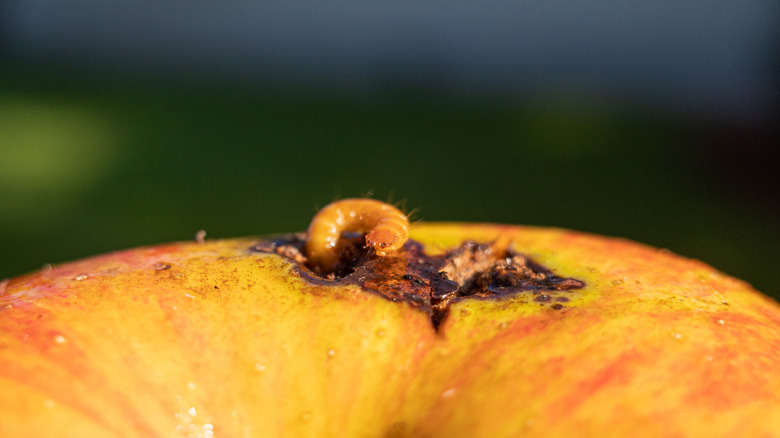
Yes, apple maggots exist, and they're pretty much as icky as they sound. Their adult parents are smaller than typical houseflies. They lay their eggs inside growing apples, so that when maggots hatch, they have an apple buffet. The fruit eventually falls to the ground and the pupae crawl out and overwinter there beneath the soil. Next spring, adults fly off to start the cycle all over again. To best fight apple maggots, keep the areas around your tree clean. Dispose of any fallen apples to disrupt the cycle.
Japanese beetles love fruit as much as they love flowers
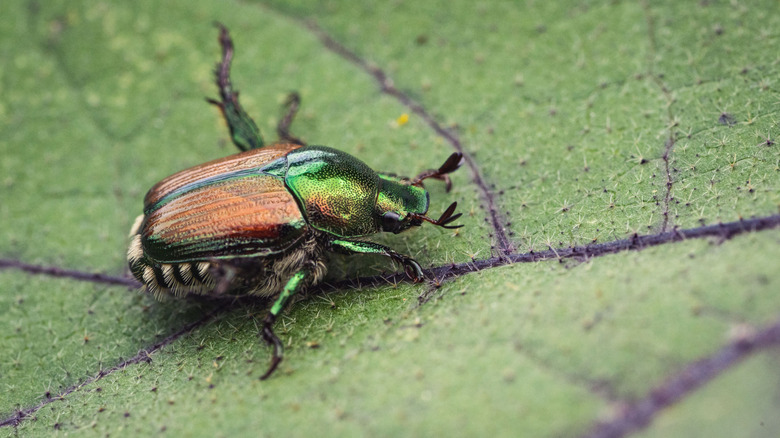
If you think Japanese beetles just love your flowers, we've got bad news for you. They also love to munch on fruit trees as well. These bugs might just have about a 30-day lifespan, but they can do a lot of damage during that time. Thankfully, they're large enough to spot with the naked eye so you can pick them off by hand. Word to the wise: Don't use baited traps with Japanese beetles, since you're likely to draw in more of them from outlying areas, compounding your problem.