

The Flowering Tree That Adapts Well On Balconies And Patios For Color And Fragrance
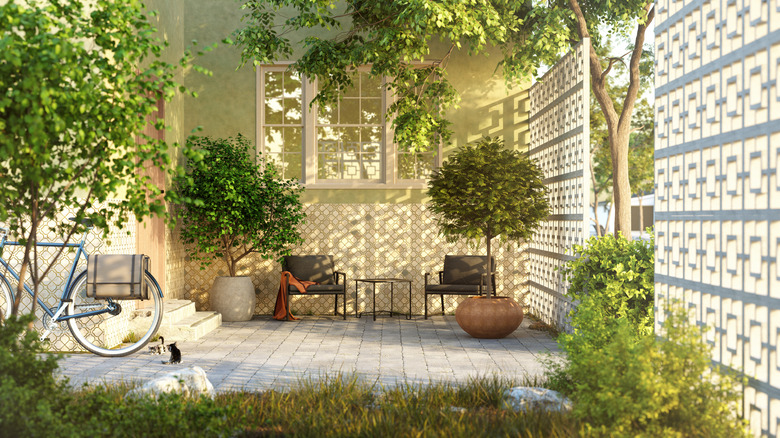
If you garden on a balcony or have only a small patio space, it can be easy to envy those with larger yards to work with. You may have even assumed that growing trees isn't an option for you. It might be a surprise then to learn that, as long as you use the right size, many trees thrive in planters. One particularly fitting species to consider if you want not just foliage, but also elegant flowers and a beautiful fragrance, is the lovely 'Lollipop' crabapple (Malus x 'Lollizam').
With a compact size that generally only reaches about 8 feet tall and wide, and a naturally rounded canopy shape, 'Lollipop' crabapples can be a perfect fit for small patio or balcony gardens. Fans of white flowering crabapples are sure to love this little tree for its stunning blooms. They add a lovely perfume to your outdoor space every spring as well as attract pollinators like bees and butterflies, which can also benefit your other nearby plants.
The yellow apples that grow don't just provide autumn interest but are a great treat for birds and other wildlife as well. And because the tiny fruits are persistent, they are less prone to drop all over your balcony, making a mess. Instead, they will continue to cling to the tree, potentially providing beauty well into winter.
How to care for your dwarf 'Lollipop' crabapple tree
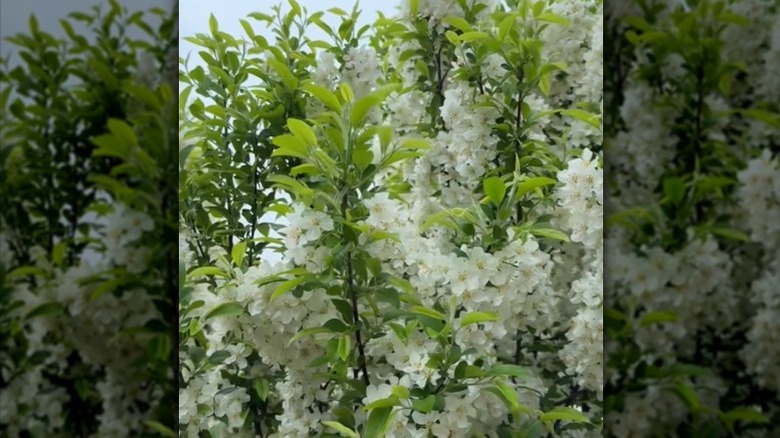
'Lollipop' crabapples are generally hardy in USDA Hardiness Zones 4 through 8, but don't forget that plants grown in containers are generally a bit less hardy than those grown in ground. So gardeners in colder zones should make sure to winterize their tree well and provide it with some protection from especially cold temperatures. You should also be sure to locate your 'Lollipop' crabapple in a full sun spot, making them a poor addition to a shade garden on your patio or balcony.
To pick the right container for your stunning little tree, don't go with something too much larger than the size of the tree's root ball, and be sure there are appropriate drainage holes in the bottom. Crabapples grow best in well draining soil, so opt for an appropriate potting mix. (Remember that garden soil is never the right choice for container plants.) Crabapples also appreciate soil that is slightly acidic, so you may want to test your potting mix and amend it if necessary.
While you should keep the growing medium moist, ensure that it doesn't get too soggy, as this could make your tree more vulnerable to disease. At least the 'Lollipop' cultivar has excellent resistance to some of the more common crabapple diseases including scab, rust, and fireblight. They are not prone to mildew problems either.